
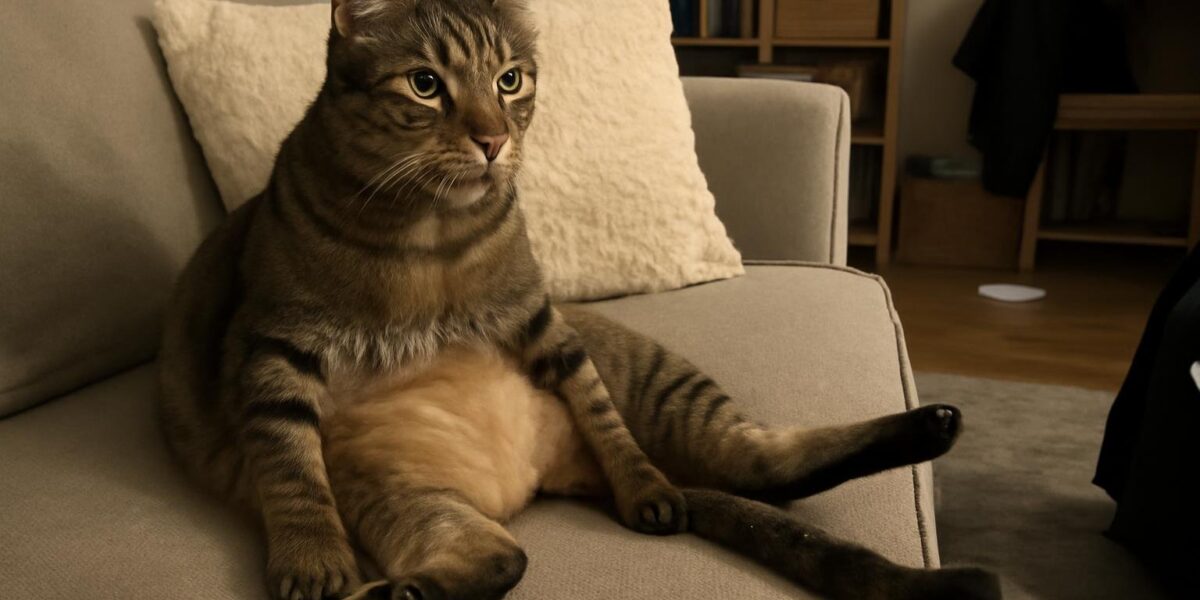
If you are wondering how do I get my cat to stop knocking things over, the reassuring answer is that you can curb this behavior by understanding why your cat does it, adding plenty of enrichment, and managing your environment, all without any punishment. Cats knock things over because it is fun, it gets a reaction, or they are simply bored, so the fix lies in meeting those needs in better ways. There is no place for spray bottles or scolding here; those tactics either frighten your cat or turn the swatting into an even more rewarding game. With more play, smart redirection, and a few environmental tweaks, most cats lose interest in the daily demolition within a couple of weeks.
In this article
It helps to remember that knocking things off shelves is normal, instinct-driven behavior, not mischief aimed at you. Your cat is a curious predator testing how objects move, and your reaction often makes the game even better. Once you remove the rewards and offer richer outlets for that curiosity, the behavior naturally fades. This is the same gentle, needs-based approach that resolves most feline habits.
Why Cats Knock Things Over
Cats are equipped with sensitive paws and a strong predatory drive to bat at small objects to see if they move like prey. A pen on a desk or a glass on a counter is, to your cat, a potential target worth investigating.
Common motivations include:
- Hunting instinct. Pawing at objects mimics the way cats test and capture prey.
- Curiosity. Cats explore the world with their paws, and knocking things teaches them how objects behave.
- Attention-seeking. If swatting an object reliably brings you running, your cat learns it works.
- Boredom. An under-stimulated cat invents games, and shelves full of objects are tempting.
- Routine and timing. Many cats do this when hungry or seeking interaction, such as early morning.
Identifying the driver behind your cat’s behavior lets you respond to the real need. A bored cat needs more play; an attention-seeking cat needs you to stop reacting and instead reward calm. Most cats are motivated by a blend of these.
Step One: Add More Enrichment and Play
The single most effective fix is a more stimulating daily life. A cat with plenty of approved outlets for hunting and exploring has little reason to bat your belongings off the table.
Build a richer routine:
- Schedule two or three play sessions a day with wand toys that let your cat stalk, chase, and pounce.
- Offer puzzle feeders so your cat works for food and burns mental energy.
- Provide batting toys like ball tracks and treat balls that satisfy the urge to paw at moving objects.
- Add vertical space and window perches for safe, entertaining lookouts.
- Rotate toys every few days so they stay novel.
For a deep well of ideas, see our guides to cat enrichment activities and indoor enrichment ideas. A fulfilled cat is a far tidier cat.
Try to spread enrichment across the whole day rather than offering one big burst and then nothing. Cats are crepuscular, meaning they are naturally most active around dawn and dusk, so scheduling play sessions to match those energy peaks pays off. A morning play session can head off early-rising mischief, while an evening session helps your cat settle for the night. In between, leave foraging toys and treat puzzles out so your cat always has a constructive option when curiosity strikes. The more consistently your cat’s hunting and exploring instincts are satisfied, the less appealing a row of objects on a shelf becomes, and the knocking simply tapers off on its own.
Step Two: Redirect the Swatting Instinct
Your cat needs to bat at things; the goal is simply to channel that into appropriate targets. Redirection turns a destructive habit into harmless play.
Redirect effectively:
- Keep batting toys in the rooms where knocking happens, so an approved target is always nearby.
- When you see your cat eyeing an object, calmly offer a toy or start a quick play session to divert the energy.
- Reward your cat the instant they engage with the toy instead of the object.
- Set up a “swat station,” such as a ball track or a stable toy on a low table, that your cat is allowed to bat freely.
Over time your cat learns that the toy, not your knickknacks, brings the fun and the rewards. This redirect-and-reward method is the same one used to teach a cat to leave any tempting target alone.
Step Three: Manage the Environment Smartly
While you build better habits, make the favorite targets unavailable. Removing temptation prevents your cat from being rewarded by the satisfying tumble of an object.
Cat-proof key surfaces:
- Clear off easily knocked items like pens, small decor, and glasses from counters and shelves.
- Secure breakables with museum putty or move them behind cabinet doors.
- Tidy work surfaces so there is less to swat in the first place.
- Give your cat their own surface with toys they are allowed to push around.
Management is not a permanent crutch but a way to stop reinforcing the behavior while new habits form. If knocking spikes at certain times, like dawn feeding requests, addressing that routine helps too; our guide to getting your cat to sleep through the night tackles early-morning antics.
Common Mistakes to Avoid
Some natural reactions actually encourage knocking, so avoid these:
- Reacting dramatically. Jumping up and chasing your cat turns knocking into a rewarding game. Stay calm.
- Punishment and spray bottles. These create fear and damage trust without addressing the cause.
- Skipping enrichment. Without enough play, a bored cat keeps finding objects to bat.
- Leaving tempting items out. Every successful knock reinforces the behavior, so manage surfaces during retraining.
- Rewarding attention-seeking. If your cat knocks things to get you up, calmly ignore it and reward quiet behavior instead.
Understanding the Timing Behind the Behavior
One of the most useful things you can do is pay attention to when your cat knocks things over, because the timing usually reveals the underlying need. Cats are remarkably consistent, and the pattern tells you exactly which solution to lean on.
Watch for these common timing patterns:
- Early morning knocking almost always means your cat wants breakfast or attention. A timed feeder and a refusal to reward the behavior break the cycle.
- Evening knocking often signals a burst of pent-up energy. A vigorous play session before bed helps your cat wind down.
- Knocking while you work or are on the phone is classic attention-seeking. Reward your cat for calm behavior at other times and avoid leaping up mid-call.
- Random daytime knocking usually points to boredom, which more enrichment and rotating toys can fix.
- Knocking near food prep may mean your cat is hungry or hopeful for a treat, so keep counters clear and stick to a feeding schedule.
Once you connect the behavior to its trigger, you can respond precisely. A cat knocking things over at 5 a.m. needs a different approach than one doing it from boredom at noon. Keeping a simple mental note of the pattern for a few days makes your retraining far more targeted and effective, and it often reveals that a single change, like a late-night play session, resolves most of the incidents.
A Realistic Timeline and When to Get Help
With added enrichment, consistent redirection, and smart management, most cats reduce knocking behavior noticeably within two to three weeks. Young, high-energy cats may take a little longer as they mature. The biggest factor is how well you meet your cat’s needs for play and stimulation, so keep those sessions consistent.
Maintain the enrichment routine even after the behavior improves, because boredom can bring it back. Daily play and rotating toys are simply part of caring for a curious indoor cat.
Consult your veterinarian if the behavior is paired with restlessness, excessive vocalizing, or other sudden changes, since these can occasionally signal stress, hyperactivity, or a medical issue. If knocking is compulsive or you cannot redirect it despite a rich routine, a certified feline behaviorist can help you uncover the underlying cause and tailor a plan. A sudden change in a previously calm adult cat always deserves a vet check.
Frequently Asked Questions
Why does my cat knock things over on purpose?
It is rarely spite. Cats paw at objects out of hunting instinct and curiosity, and your reaction can make it a fun game. Adding enrichment, redirecting to batting toys, and staying calm usually resolves the habit.
Does my cat knock things over for attention?
Often, yes, especially if you reliably get up and react. Try calmly ignoring the behavior, removing tempting items, and rewarding quiet, calm moments so attention-seeking no longer pays off.
Will more playtime really stop the knocking?
For most cats, yes. A great deal of knocking is unspent energy and boredom. Two or three daily play sessions plus puzzle feeders and batting toys give your cat better outlets for the same instinct.
Should I punish my cat for knocking things off shelves?
No. Punishment and spray bottles create fear and can make the behavior worse by adding excitement. Use enrichment, redirection, and environmental management instead, which address the real cause kindly.
My cat knocks things over early in the morning. What can I do?
This is often a request for food or attention. Avoid rewarding it by getting up. Provide a late-night play session, consider a timed feeder, and reinforce a calm overnight routine to reduce dawn antics.


