Last updated: May 6, 2026
In this article
- Why a Great Bio Matters More Than You Think
- The Anatomy of an Effective Pet Adoption Bio
- Writing Tips That Make Bios Stand Out
- Special Considerations for Hard-to-Place Animals
- Photography and Bio: A Powerful Combination
- Organizing Your Bio-Writing Process
- Frequently Asked Questions
- Your Words Can Save Lives
How to Write a Pet Adoption Bio That Gets Results
Every animal in a shelter has a story, but not every animal has someone to tell it well. A pet adoption bio is often the first — and sometimes the only — impression a potential adopter gets of an animal. In a world where people scroll through dozens of online pet listings in minutes, a compelling bio can be the difference between a pet languishing in a kennel for months and finding a loving home within days.
Whether you are a shelter volunteer, a foster parent, or a rescue coordinator, learning how to write an effective pet adoption bio is one of the most impactful skills you can develop. A well-written bio does more than describe an animal. It paints a picture of what life with that animal looks like. It helps potential adopters see themselves in the story. And it creates an emotional connection that drives people to take the next step.
This guide covers everything you need to know about crafting a pet adoption bio that resonates with readers, highlights each animal’s unique qualities, and ultimately gets more pets into loving homes. These principles apply whether you are writing for a shelter website, a social media post, or a listing on a third-party adoption platform.
Why a Great Bio Matters More Than You Think
In most shelters and rescues, animals are photographed, given a brief description, and uploaded to a website or adoption platform. Many of these descriptions follow a formulaic pattern: breed, age, weight, and a sentence or two about temperament. While this information is necessary, it rarely inspires anyone to fall in love.
Research consistently shows that adoption listings with detailed, engaging bios receive significantly more inquiries than those with minimal descriptions. A study by the ASPCA found that animals with longer, more descriptive bios were adopted faster than those with short or generic listings. The reason is simple: people adopt with their hearts, and a good bio speaks directly to the heart.
Consider the difference between these two descriptions of the same dog:
“Max. Male. Lab mix. 3 years old. 55 lbs. Good with kids. Neutered and up to date on shots.”
Versus:
“Max is the kind of dog who greets every morning like it is the best day of his life. This three-year-old Lab mix will lean his whole body against your legs for pets, then spin in excited circles when you pick up his leash. He adores children and has a gentle mouth — his foster family’s toddler regularly uses him as a pillow, and Max could not be happier about it. He is housetrained, crate-trained, and knows sit, down, and shake. Max is looking for a family who loves long walks, lazy Sunday mornings, and a dog who thinks he is a lap dog despite weighing 55 pounds.”
Both descriptions are accurate. But only one makes you want to meet Max. That is the power of a well-crafted pet adoption bio.
Organizations that embrace the adopt don’t shop philosophy understand that marketing matters. Every bio you write is an advertisement for a life worth saving.
The Anatomy of an Effective Pet Adoption Bio
A strong pet adoption bio follows a clear structure that balances essential information with emotional storytelling. Here is a framework you can adapt for any animal.
The hook: Start with something attention-grabbing. This could be a quirky personality trait, a heartwarming detail, or a question that draws the reader in. Avoid starting with the animal’s name and vital statistics — those can come later. Instead, lead with what makes this animal special.
The personality portrait: This is the heart of the bio. Describe what the animal is actually like to live with. How do they greet you in the morning? What is their favorite toy? Do they have any funny habits? Are they a cuddler or an adventurer? Use specific, concrete details rather than vague adjectives. “Sweet” and “friendly” tell the reader almost nothing. “Rolls onto his back for belly rubs the moment you sit on the floor” tells them everything.
The practical details: Weave in the important logistical information — age, breed, weight, spay/neuter status, vaccination status, and any known history. Include details about house training, crate training, leash manners, and compatibility with children, other dogs, and cats. This information helps potential adopters determine whether the animal is a good fit for their lifestyle.
The ideal home: Paint a picture of the perfect home for this animal. This is not about being restrictive — it is about helping the reader imagine whether they could be that home. “Max would thrive in a home with a yard where he can chase squirrels, but he would also be happy in an apartment as long as he gets daily walks and plenty of couch time.”
The call to action: End with a clear, warm invitation to take the next step. Tell the reader how to apply, schedule a meet-and-greet, or get more information. Make it easy and welcoming.
Writing Tips That Make Bios Stand Out
Beyond structure, certain writing techniques consistently produce more engaging, effective bios. These tips apply whether you are writing about a playful puppy or a senior cat who has been overlooked for months.
Use the animal’s voice sparingly and carefully. Writing a bio in the first person from the animal’s perspective (“Hi, I’m Bella, and I love belly rubs!”) can be charming when done well, but it can also feel gimmicky or make it harder to convey serious information. A third-person narrative with occasional personality-driven quotes tends to work best for most audiences.
Show, don’t tell. Instead of saying a cat is “affectionate,” describe how she kneads your lap and purrs so loudly you can hear her from across the room. Instead of calling a dog “energetic,” describe how he does a happy dance every time he sees his leash. Specific behaviors are far more compelling than generic adjectives.
Be honest about challenges. If a dog needs a home without small children, say so — but frame it positively. “Duke does best in a calm, adult-only household where he can be the center of attention” sounds much better than “Not good with kids.” Honesty builds trust with potential adopters and leads to better matches, which reduces the risk of returns.
Avoid sad backstories as the focus. Many shelter animals have heartbreaking histories, and it can be tempting to lead with the trauma to generate sympathy. However, research shows that bios focused on an animal’s potential future are more effective than those dwelling on their difficult past. A brief mention of their background is fine, but the emphasis should always be on who they are now and the wonderful life they are ready to live.
Use sensory language. Help the reader imagine what it feels like to be with this animal. Describe the sound of a cat’s purr, the softness of a dog’s ears, the way a rabbit’s nose twitches when you offer a treat. Sensory details create a vivid mental image that sticks with people long after they have closed the browser tab.
Keep paragraphs short. Most people read adoption bios on their phones. Large blocks of text are intimidating on small screens. Aim for paragraphs of two to four sentences, and use bold text or subheadings to break up longer bios.
Special Considerations for Hard-to-Place Animals
Some animals need extra help in their bios. Senior pets, black animals (who are statistically overlooked), animals with medical needs, and those with behavioral challenges all benefit from thoughtful, strategic writing.
Senior pets: Emphasize the advantages of adopting an older animal — they are usually already trained, their personalities are fully developed, and they tend to be calmer and more settled. Describe their routines, their favorite napping spots, and the quiet companionship they offer. Many adopters specifically seeking senior pets value the predictability and gentleness that older animals bring.
Animals with medical needs: Be upfront about the condition, what treatment involves, and what the ongoing care looks like. Then pivot to all the wonderful things about the animal that have nothing to do with their medical condition. A three-legged dog who loves to hike is still a dog who loves to hike. A diabetic cat who purrs in your arms is still a cat who purrs in your arms. Many adopters are willing to take on medical needs — they just need to know what to expect.
Shy or fearful animals: These animals often languish in shelters because they do not show well. Their bios need to describe what they are like once they trust you, not just how they appear during a shelter visit. Foster families are invaluable here, as they can describe the transformation that happens when a shy animal feels safe. Include details from the foster home: “In her foster home, Luna has blossomed into a playful, affectionate girl who follows her foster mom from room to room.”
Animals with behavioral challenges: Frame training needs as opportunities rather than problems. “Duke is working on his leash manners and would love an adopter who enjoys training” sounds much more appealing than “Pulls on leash.” Mention any progress the animal has made and any skills they have already learned.
If you are also involved in fostering pets, the observations you make during the foster period become the raw material for truly outstanding bios. Foster families see animals at their best and can provide the kind of specific, authentic details that make a bio sing.
Photography and Bio: A Powerful Combination
A pet adoption bio does not exist in isolation. It works in tandem with photos and sometimes videos to create a complete picture of the animal. Understanding this relationship will help you write more effective bios.
Photos catch the eye; bios capture the heart. A stunning photo will stop someone mid-scroll, but the bio is what makes them click “Apply to Adopt.” Make sure your bio complements rather than merely describes what the photos show. If the photo shows a dog playing fetch, the bio should go deeper: “Fetch is Buddy’s love language. He will bring you his ball seventeen times in a row, and on the eighteenth time, he will lie down at your feet with a contented sigh.”
When possible, reference specific photos in the bio. “See that photo of Charlie on the couch? That is his favorite spot — right between the cushions, where he can keep an eye on everything happening in the kitchen.” This creates a connection between the visual and the written content that makes both more powerful.
Video content is increasingly important in adoption marketing. If you have video of the animal playing, snuggling, or demonstrating trained behaviors, mention it in the bio and include a link. Video provides a dynamic, authentic glimpse of the animal that still photos and written descriptions cannot fully capture.
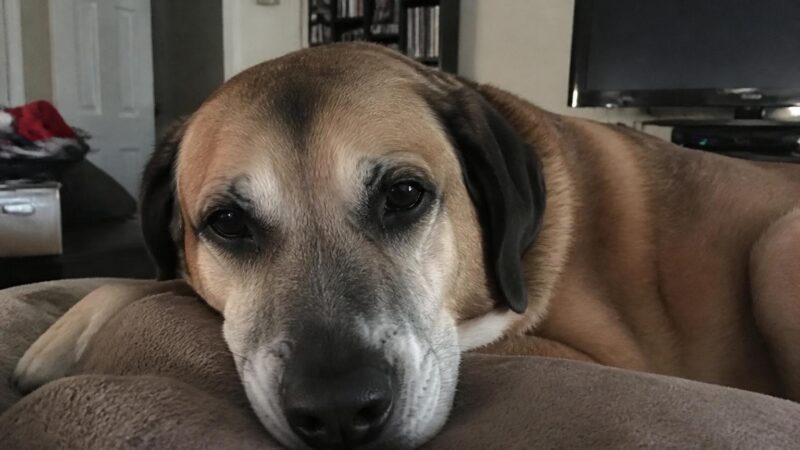
Encourage your team to take candid, lifestyle-oriented photos that show animals in home-like settings rather than clinical shelter environments. A photo of a cat lounging on a cozy bed is far more appealing than one of the same cat sitting in a metal cage, and it gives the bio writer more material to work with.
Organizing Your Bio-Writing Process
Writing great bios takes time, and shelters are busy places. Here are some practical strategies for building an efficient bio-writing process that produces consistently high-quality results.
Create a questionnaire for foster families and kennel staff. Ask specific questions about the animal’s personality, habits, preferences, and quirks. “What does this animal do first thing in the morning?” “What is their favorite way to play?” “How do they react when you come home?” These questions generate the specific details that make bios come alive.
Develop templates for different types of animals. A puppy bio template, a senior cat template, and a special-needs template can save time while ensuring consistency. Templates should provide structure without being so rigid that every bio sounds the same.
Review and update bios regularly. An animal’s personality can change as they settle into a shelter or foster home. A bio written on intake day may not accurately represent the animal two weeks later. Schedule regular reviews, especially for long-stay animals whose bios may have gone stale.
Train volunteers. Bio writing is a skill that can be taught. Host workshops, share examples of effective bios, and provide feedback on drafts. A team of trained bio writers can dramatically increase your organization’s adoption rates.
For those interested in the broader adoption landscape, understanding how shelters present their animals is a key part of the shelter adoption experience. A great bio sets expectations, builds excitement, and ultimately leads to successful, lasting placements.
Frequently Asked Questions
How long should a pet adoption bio be?
Aim for 150 to 300 words for most animals. This is long enough to include personality details, practical information, and an emotional hook, but short enough to hold a reader’s attention. For animals with complex needs or histories, bios can run longer, but break them up with subheadings or bullet points to maintain readability. The most important information should appear in the first two sentences, since many platforms only show a preview before the reader clicks to expand.
Should I mention an animal’s negative traits in the bio?
Yes, but frame them constructively. Transparency builds trust with potential adopters and leads to better matches. Instead of listing negatives, present them as preferences or training opportunities. “Bella prefers to be the only dog in her kingdom” is more appealing than “Not good with other dogs.” “Buddy is working on his impulse control during mealtimes” is better than “Food aggressive.” The goal is honest communication that does not discourage interested adopters.
Is it okay to use humor in a pet adoption bio?
Humor can be extremely effective when it matches the animal’s personality and the organization’s brand. A bio that makes someone laugh is a bio that gets shared on social media, potentially reaching hundreds of new eyes. However, humor should never come at the animal’s expense, and it should not overshadow important information about the animal’s needs. Light, warm humor — the kind that makes people smile — tends to work best. Save the edgier jokes for animals who truly have outsized, comedic personalities.
How can I write a compelling bio for an animal I do not know well?
Start by observing the animal for at least 15 to 20 minutes during a quiet time. Take the animal out of their kennel or cage if possible and interact with them in a more relaxed setting. Note specific behaviors: how they approach you, what they do with toys, how they react to treats, whether they seek affection. Talk to kennel staff or volunteers who interact with the animal daily. Even brief observations can yield the specific details that transform a generic bio into a compelling one.
Your Words Can Save Lives
Every pet adoption bio you write is an act of advocacy. Behind every listing is a living being who deserves a chance at a happy life, and your words are the bridge between that animal and their future family. Take the time to observe, to listen, to capture the unique spark that makes each animal worth knowing. Write with warmth, honesty, and specificity. And remember that somewhere out there, a family is scrolling through listings right now, looking for the words that will make them say, “That is our pet.”
Your words have that power. Use them well.