Last updated: June 13, 2026
In this article
Adopting a Dog from a Shelter: Everything You Need to Know
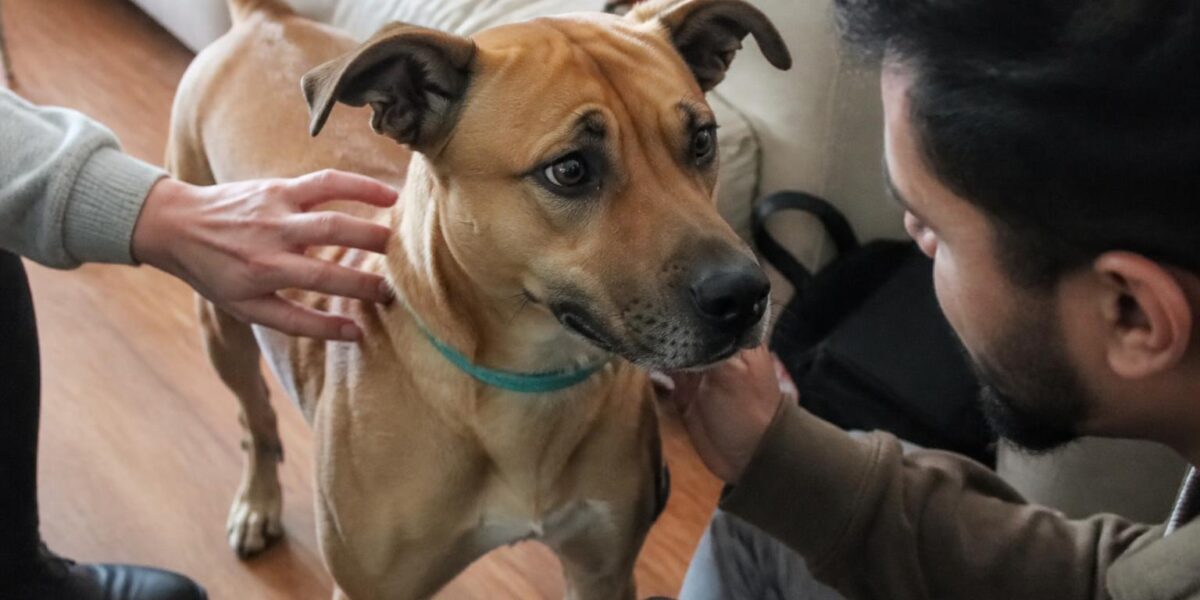
There are few decisions in life as rewarding as adopting a dog from a shelter. Every year, approximately 3.1 million dogs enter shelters across the United States, and each one of them is waiting for someone to give them a second chance. When you adopt a shelter dog, you are not just getting a pet. You are saving a life, gaining a loyal companion, and making room in the shelter for another dog in need.
The adoption process, however, involves more than falling in love with a cute face. Bringing a shelter dog into your home requires careful preparation, thoughtful decision-making, and realistic expectations about the adjustment period ahead. This guide will take you through every stage of the process so you can approach your adoption with confidence and give your new dog the best possible start in their forever home.
Preparing Your Home and Life for a Dog
Before you visit a single shelter, it is important to take an honest look at your life and determine what kind of dog would be the best fit for your situation. Dogs are a 10- to 15-year commitment, and the decisions you make now will affect both your life and your dog’s life for years to come.
Evaluate your living situation. Do you own your home or rent? If you rent, does your lease allow pets, and are there breed or size restrictions? Do you have a fenced yard, or will you rely on walks and dog parks for exercise? Is your neighborhood safe for walking a dog? These practical questions will narrow your search and help you avoid heartbreak down the road.
Consider your daily schedule. Dogs need regular exercise, mental stimulation, companionship, and bathroom breaks. A high-energy breed that needs two hours of daily exercise will not do well with an owner who works 12-hour shifts. Puppies require even more time and attention, including house training, socialization, and near-constant supervision. Be realistic about how many hours per day you can dedicate to a dog.
Think about your family. If you have children, you will want a dog with a temperament that is patient, gentle, and tolerant of unpredictable behavior. If you have other pets, compatibility with existing animals becomes a critical factor. If you live alone, consider whether a dog that bonds strongly with one person or one that is more independent would better suit your lifestyle.
Set a budget. The financial commitment of dog ownership is significant. Beyond the adoption fee, plan for food, routine veterinary care, vaccinations, flea and tick prevention, heartworm medication, grooming, training classes, toys, a crate, bedding, a leash and collar, and emergency veterinary expenses. A reasonable estimate for the first year of dog ownership is $1,500 to $3,000, with annual costs of $1,000 to $2,000 thereafter.
Dog-proof your home. Walk through your house and yard from a dog’s perspective. Secure trash cans, move chemicals and medications out of reach, check fencing for gaps, remove or protect delicate items at dog height, and identify any plants that could be toxic. Set up a designated area where your new dog will eat, sleep, and retreat to when they need quiet time.
Our dog adoption checklist provides a comprehensive, printable guide to everything you need to have in place before adoption day.
Finding the Right Dog at the Shelter
Walking into a shelter and seeing row after row of hopeful faces is an emotional experience. It is natural to want to take every dog home, but the best adoption decisions are made with your head as well as your heart.
Look beyond appearance. It is easy to be drawn to the cutest face or the most photogenic breed, but appearance tells you almost nothing about whether a dog will be a good fit for your life. Focus instead on temperament, energy level, age, and behavior. A scruffy mixed breed with the right personality will make a far better companion than a beautiful purebred whose needs do not match your lifestyle.
Talk to the shelter staff. The people who work and volunteer at the shelter spend time with the dogs every day. They know which dogs are calm and easygoing, which ones are high-energy and need experienced handlers, which ones are good with children, and which ones have specific behavioral or medical needs. Share your situation honestly and let them help guide your search.
Meet multiple dogs. Do not commit to the first dog you meet unless you are absolutely certain it is the right match. Ask to interact with several candidates in a quiet meet-and-greet area. Observe how each dog responds to you. Do they approach calmly or rush over with overwhelming energy? Are they responsive to your voice? Do they seem comfortable being handled? Can they settle down after initial excitement?
Consider adult and senior dogs. Puppies get the most attention, but adult and senior dogs are often the best adoption choice. Their personalities are fully developed, they are frequently already house trained, and they are past the destructive chewing phase. Senior dogs, in particular, are deeply grateful for a comfortable home and often form incredibly strong bonds with their adopters. They are the most overlooked and most deserving dogs in any shelter.
Ask about the dog’s history. Find out everything you can about each dog you are considering. How did they come to the shelter? Were they a stray or an owner surrender? What is their medical history? Have they been tested for heartworm? What is their behavior around other dogs, cats, and children? Have they shown any signs of resource guarding, fear aggression, or separation anxiety?
The Adoption Process Explained
Shelter adoption processes vary by organization, but understanding the typical steps will help you feel prepared and avoid surprises.
Application. You will fill out a detailed application covering your living situation, experience with dogs, veterinary references, and plans for the dog’s care. Some shelters review applications in real time, while others may take several days to process them. Be patient and thorough in your responses.
Interview and screening. Many shelters conduct a brief interview, either in person or by phone. This is a conversation, not an interrogation. The shelter wants to confirm that you have realistic expectations and a suitable home for the dog. It is also your chance to ask any final questions.
Meet and greet. If your application is approved, you will be invited to meet your chosen dog in a controlled setting. If you have other dogs, many shelters will arrange a dog-to-dog introduction on neutral territory. This step is critical for ensuring compatibility and should not be skipped.
Adoption fee and contract. Fees typically range from $75 to $350, depending on the dog’s age and the shelter’s pricing structure. This usually covers spaying or neutering, vaccinations, microchipping, and an initial health exam. You will also sign a contract committing to responsible ownership.
Going home. Some shelters allow same-day adoptions, while others require a waiting period. On adoption day, you will receive the dog’s medical records, any known behavioral notes, and sometimes a small starter kit with food and supplies.
The First Weeks at Home
The first few weeks with a shelter dog are a period of adjustment for everyone involved. Understanding what to expect will help you navigate this transition with patience and compassion.
The 3-3-3 rule. Many shelter professionals use the 3-3-3 rule as a guideline for the adjustment period. In the first three days, your dog may feel overwhelmed, shut down, or nervous. They may not eat much, may be hesitant to explore, and may have accidents in the house. In the first three weeks, your dog will begin to settle in, test boundaries, and show more of their true personality. After three months, your dog should feel fully at home, bonded to you, and comfortable in their routine.
Establish structure immediately. Dogs thrive on routine and clear expectations. From day one, establish consistent feeding times, walk schedules, house rules, and sleeping arrangements. Consistency helps your dog understand what is expected of them and reduces anxiety during the adjustment period.
Start training right away. Positive reinforcement training should begin as soon as your dog arrives home. Start with basic commands like sit, stay, and come. Training is not just about obedience. It is a powerful bonding activity that builds trust, communication, and mutual respect between you and your dog. If your dog has significant behavioral challenges, consider working with a professional trainer or behaviorist.
For first-time dog owners, our first-time dog owner guide covers the essentials of daily care, training, health, and building a strong relationship with your new pet.
Socialization and Building Confidence
Many shelter dogs have gaps in their socialization history. They may be fearful of certain people, situations, sounds, or environments. Helping your dog build confidence and social skills is one of the most important things you can do during the first few months.
Go slow. Do not rush introductions to new people, animals, or environments. Overwhelming a dog that is already stressed from the transition can set back your progress significantly. Introduce new experiences one at a time, in controlled settings, and always at your dog’s pace.
Use positive reinforcement. Reward brave behavior with treats, praise, and play. Never punish fearful behavior, as this will only make the fear worse. If your dog is afraid of something, create positive associations by pairing the scary stimulus with something your dog loves, gradually decreasing the distance or intensity over time.
Enroll in a class. Group training classes are an excellent socialization opportunity for shelter dogs. They provide controlled exposure to other dogs and people in a structured environment with professional guidance. Look for classes that use positive reinforcement methods exclusively.
Build a support network. Connect with other shelter dog owners through local meetup groups, online forums, or social media communities. These connections provide emotional support, practical advice, and socialization opportunities for both you and your dog.
Our detailed guide on how to socialize an adult rescue dog offers a step-by-step approach to building your dog’s confidence safely and effectively.
Common Challenges and How to Handle Them
Shelter dogs may come with challenges that require patience and understanding. Being prepared for these common issues will help you respond constructively rather than reactively.
Separation anxiety is one of the most common behavioral issues in shelter dogs. A dog that has been abandoned or rehomed may become panicked when left alone. Signs include excessive barking, destructive behavior, and house soiling when you are away. Building your dog’s independence gradually, providing puzzle toys and comfort items, and never making a big deal out of departures and arrivals can help manage this condition. Severe cases may benefit from medication and professional behavioral support.
House training regression is normal during the adjustment period, even in dogs that were previously house trained. The stress of a new environment can cause setbacks. Return to house training basics: take your dog outside frequently, reward them lavishly for going in the right place, and clean up accidents without punishment.
Fearfulness and reactivity can manifest as hiding, barking, lunging, or snapping in response to triggers such as strangers, other dogs, loud noises, or specific objects. Counter-conditioning and desensitization, ideally guided by a professional trainer, are the most effective approaches for these behaviors.
Resource guarding occurs when a dog becomes protective of food, toys, or resting spots. This is often rooted in insecurity and scarcity during the dog’s previous experiences. Work with a professional trainer to address resource guarding safely, as incorrect handling can escalate the behavior.
Remember that most behavioral challenges improve significantly with time, patience, consistent training, and a stable home environment. The dog you see during the first month may be very different from the confident, happy dog you have six months down the road.
Frequently Asked Questions
How do I know if a shelter dog is healthy?
Reputable shelters provide veterinary examinations for all dogs before they are made available for adoption. Ask for the dog’s complete medical records, including vaccination history, spay or neuter status, heartworm test results, and any known medical conditions. Schedule a follow-up veterinary exam within the first week of adoption for an independent health assessment. Be aware that some conditions, such as kennel cough or intestinal parasites, may not manifest until after the dog leaves the shelter environment, so prompt veterinary attention for any new symptoms is important.
Is it better to adopt a puppy or an adult dog from a shelter?
Both options have their merits, and the best choice depends on your lifestyle and experience. Puppies offer the opportunity to shape their behavior and socialization from a young age, but they require significantly more time, energy, and patience. House training, teething, and socialization are all time-intensive processes. Adult dogs are often already house trained, past the destructive puppy phase, and have established personalities that make it easier to predict compatibility. For most first-time dog owners, an adult dog between two and five years old is often the ideal choice.
What if my adopted dog does not get along with my existing pets?
Introduce animals slowly and always under supervision. Keep the new dog separated from existing pets initially, allowing them to become familiar with each other’s scent through closed doors and baby gates before any face-to-face meetings. First meetings should occur on neutral territory, such as a park, with both dogs on leash and handled by separate people. If the initial introductions go poorly, do not force it. Consult with a professional animal behaviorist for guidance. Most shelters also offer a return period and will work with you to find a solution or accept the dog back if the match truly does not work.
Common New-Dog-Owner Questions
Weighing a decision about your dog? These guides walk through the common ones:
- Should I Let My Dog Sleep in My Bed?
- Should I Get a Second Dog?
- Should I Crate My Dog at Night?
- Should I Feed My Dog Once or Twice a Day?
- Should I Walk My Dog Every Day?
- Should I Let My Dog on the Couch?
- Should I Neuter My Dog?
- Should I Spay My Dog?
- Should I Adopt an Older Dog?
- Should I Feed My Dog Before or After a Walk?
- Should I Let My Puppy Cry at Night?
- Should I Feed My Dog Grain-Free?
- Should I Let My Dog Lick My Face?
- Should I Shave My Dog in Summer?
- Should I Get a Dog If I Work Full-Time?
- Should I Comfort My Scared Dog?
- Should I Let My Dog Greet Other Dogs on Walks?
- Should I Wake My Dog During a Bad Dream?
- Should I Give My Dog Bones?
- Should I Let My Dog Eat Grass?
- Do I Need to Brush My Dog’s Teeth?
- Do I Need to Trim My Dog’s Nails?
- Do I Need to Bathe My Dog Regularly?
- Should I Let My Dog Sleep Outside?
- Should I Feed My Dog Table Scraps?