Last updated: May 4, 2026
In this article
Husky Mix Overview
The Husky mix has become one of the most rapidly growing categories in American shelters, and the surrender pattern is depressingly predictable. This husky mix breed profile is meant to give you the unvarnished truth about what life with these dogs actually looks like, because every year thousands of huskies and husky crosses end up in rescue with the same handful of reasons attached: escaped the yard, too vocal, destructive when bored, more energy than the family expected. None of this means a husky mix is a bad dog. It means the breed has very specific needs that go badly when ignored.
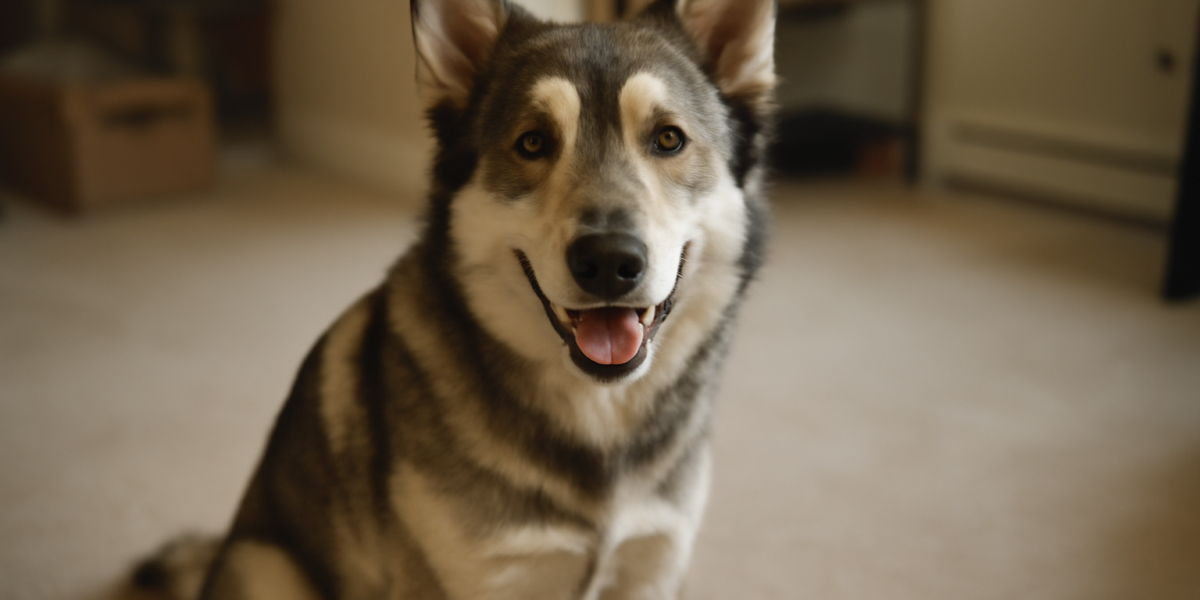
A husky mix is any dog that carries Siberian Husky, Alaskan Malamute, or Alaskan Husky genetics crossed with another breed. Common pairings include Husky-Lab, Husky-Shepherd, Husky-Pit, Husky-Aussie, and Husky-Pomeranian (the “pomsky” cross). As with most mix labels, visual identification at intake is often inaccurate, but the husky-type traits (blue or parti eyes, masked face, double coat, prick ears) tend to be inherited reasonably reliably.
If you are reading this profile because you fell in love with husky photos online or because you adopted a husky mix and now find yourself overwhelmed, you are in the right place. The dogs are genuinely beautiful, often hilarious in personality, and frequently the most adventurous companions you will meet. They are also one of the most demanding mix categories in rescue.
Quick Facts
- Common parent breeds: Siberian Husky or Alaskan Malamute, often crossed with Labrador, German Shepherd, Pit Bull, Australian Shepherd, or Pomeranian
- Size: Typically 35 to 75 pounds, with significant range
- Energy: High to very high
- Coat: Heavy double coat, sheds dramatically year-round
- Vocal tendencies: Howling, talking, screaming common
- Escape risk: High, fence requirements significant
- Lifespan: 12 to 15 years
Temperament and Personality
Most husky mixes share a recognizable cluster of traits: high physical and mental energy, strong prey drive, independent streak, vocal communication, and a distinctly opinionated personality. Huskies were bred to pull sleds across long distances with minimal direction, and the resulting dog is one who is happy to work with you but does not feel obligated to obey simply because you asked.
The “stubborn” reputation is not quite accurate. Husky mixes are smart and very capable of learning, but they evaluate every cue against their own opinion of whether the action is worthwhile. Treats help. Genuinely engaging training helps. Repetitive drill-style training does not. Trainers experienced with northern breeds are worth seeking out, especially for recall work.
Vocal expression is one of the trademark husky-mix experiences. Howling, “talking,” whining, and a particular high-pitched scream that owners affectionately call the husky tantrum are all on the table. If you live in an apartment building with shared walls, this is something to think hard about. If you live somewhere where the neighbors are also dogs, it tends to matter less.
Size and Appearance
Husky mixes range widely in size. Husky-Pit or Husky-Lab crosses typically land between 50 and 75 pounds. Husky-Pomeranian (pomsky) crosses can range from 15 to 35 pounds depending on which Pomeranian and which Husky parent. Husky-Malamute crosses can push above 80 pounds.
The classic husky look (almond eyes, mask, prick ears, plumed tail) carries through to many mixes but is not guaranteed. Eye colors range from brown to blue to parti-colored or each-eye-different (heterochromia). Coat colors include black-and-white, gray-and-white, red-and-white, agouti, and pure white. The double coat is dense, weather-resistant, and sheds dramatically.
Exercise and Activity Needs
This is the section that surprises new owners the most. Plan on at least one to two hours of vigorous exercise per day, every single day, regardless of weather. Huskies were bred to run for hours; their mixes inherit that engine. Leashed walks alone almost never burn enough energy. Running, hiking, biking with a properly fitted dog harness (canicross), pulling a small cart or sled, and structured play are all good outlets.
Mental work matters alongside the physical. Scent games, food puzzles, novel environments, and training sessions all engage the husky brain. A husky mix who got two hours of fetching but no thinking work is still wound up. The combination of physical and mental stimulation is what produces the rare relaxed husky on the couch.
One critical caveat: most husky mixes have unreliable off-leash recall throughout their lives, even with extensive training. The genetic drive to run forward and not look back is real. Long lines, fenced areas, and harness-based pulling sports are safer outlets than open-area off-leash work for most husky mixes.
Grooming and Care
The double coat sheds. Constantly. Twice a year there is a “blowing the coat” event where you will fill bags of fur every single day for two to three weeks. Brushing two to four times per week year-round and daily during coat blows is the realistic baseline. A deshedding tool plus a slicker brush plus a metal comb is the working kit.
Never shave a husky-type double coat. The coat insulates against both cold and heat, and shaving it can permanently damage regrowth and worsen heat tolerance. Bathing every two to three months is usually sufficient. Most huskies stay surprisingly clean on their own.
Nail trims every three to four weeks, weekly ear checks, and routine dental care round out the basics. Husky paws are well-built but worth a check after long hikes or runs on rough terrain.
Escape Artistry and Containment
This deserves its own section because it is the most common surrender reason after under-exercise. Husky mixes climb fences, dig under fences, jump fences, open gates, and slip collars at rates that genuinely surprise first-time owners. A six-foot fence is a starting point, not a guarantee. Many require buried wire, coyote rollers, or fully enclosed top runs.
Indoors, a husky mix who is bored or anxious is fully capable of dismantling a wooden door, eating a couch, and unrolling every roll of toilet paper in the house in a single afternoon. Crate training, exercise before alone time, and management of access to chewable items are all practical strategies. Our decompression period guide covers the early-days planning for new adoptions, which matters extra for husky mixes.
The escape pattern matters extra because of what often happens after escape. Husky mixes who get loose can run for miles before they stop, and the genetic drive to keep moving forward means they rarely return on their own. Microchipping (with current contact information registered to the chip), a well-fitted martingale collar in addition to the everyday flat collar, and GPS tracking devices are all worth considering. Many experienced husky-mix owners use two-leash setups and double-clip protocols any time the dog is in an unfamiliar environment.
Training Approach
Husky mixes respond best to force-free, motivation-driven training that genuinely engages them. Repetitive drill-style training tends to produce a dog who tunes out, while creative training that varies rewards and challenges keeps the husky brain interested. Short sessions, high-value treats, and a sense of partnership rather than command-and-obey usually get the best results. Trainers experienced with northern breeds are worth seeking out, especially for behavior modification work.
One specific area that matters: working on impulse control around doorways and gates from day one. A husky mix who learns that the door opening is a cue to wait for permission is dramatically safer than one who learns that doors are opportunities to bolt. Front-door management is one of the most important skills you can teach. Our dog body language guide helps you read the signals that precede a bolt attempt.
Heat Tolerance and Climate Considerations
Husky mixes were developed for cold-weather work, and their double coats reflect that heritage. Heat tolerance is genuinely lower than for most breeds, and the risk of heat exhaustion and heatstroke is real. Plan exercise for early morning or evening during hot months, watch for excessive panting or behavioral changes that indicate overheating, and provide constant access to cool water and shade. On days above the high 80s, consider skipping outdoor exercise entirely in favor of indoor mental enrichment.
Despite the heat sensitivity, husky mixes can live in warm climates with appropriate management. Many do well in Texas, Florida, Arizona, and similar regions when their owners adjust the routine to match the climate. The double coat actually helps in heat as well as cold by providing insulation that resists heat transfer; this is one of the reasons shaving a husky mix’s coat is harmful rather than helpful. The coat does its job better when intact.
In cold weather, most husky mixes are in their element. They tolerate winter walks that other breeds find miserable, and many genuinely enjoy snow. Limit cold exposure for puppies and senior dogs, and provide shelter rather than leaving the dog outside during severe cold, but otherwise the cold-weather management is much easier than the warm-weather version.
Health and Lifespan
Most husky mixes live 12 to 15 years, often longer than the parent purebreds. Common inherited issues include hip dysplasia, certain eye conditions (juvenile cataracts, progressive retinal atrophy, corneal dystrophy), zinc-responsive dermatosis, and follicular dysplasia. Mixes can inherit issues from either parent, and the hybrid vigor claim does not protect against shared predispositions.
Husky mixes generally have very high heat sensitivity. Plan exercise for early mornings or evenings in summer, watch for overheating signs, and provide constant access to shade and water. The double coat that protects them from cold actually helps in heat too, but the metabolic engine still runs warmer than other breeds.
Routine vet care and weight management do most of the work. Most husky mixes self-regulate calories better than Lab mixes, which is one of the few areas where life is easier. Adopting a rescue husky covers more.
Is a Husky Mix Right for You?
A husky mix may be a great fit if you have a genuinely active outdoor lifestyle, secure containment, tolerance for shedding and vocal expression, and time and patience for training. They suit hikers, runners, skijorers, cyclists, and people who genuinely enjoy a project of a dog.
They are a poor fit for households where the dog will be alone all day, for first-time owners without realistic expectations, for shared-wall apartment buildings, or for anyone who wants a dog that follows commands without question. Our husky rescue finder can help you find adult dogs whose energy and quirks are already known.
Frequently Asked Questions
Are husky mixes good first dogs?
Generally not unless the first-time owner has done extensive research and has the lifestyle to match. Adopting an adult husky mix from a foster-based rescue who knows the dog is a much better entry point than a husky-mix puppy.
Do husky mixes really run away?
Many do, given the chance. The genetic drive to run forward is real and persistent. Secure containment, leash management, and avoidance of unfenced off-leash areas are baseline safety measures.
How much do husky mixes shed?
A lot, all year, with two heavy “coat blow” events annually. Daily vacuuming during coat blows is realistic. There is no low-shed husky mix.
Are husky mixes good with kids?
Many are friendly and tolerant with children when properly socialized. The energy level can be a concern with very young kids who get bowled over easily. Always supervise.
Why do so many huskies end up in shelters?
The most common reasons are exercise mismatch, escape behavior, vocal complaints from neighbors, and adolescent destruction. None of these are the dog’s fault. They are predictable consequences of adopting without understanding the breed.
Looking to adopt a Husky Mix Breed Profile?
Browse Husky Mix Breed Profile dogs and mixes available for adoption from shelters and rescues near you.
Find Husky Mix Breed Profile Dogs for Adoption