Last updated: May 4, 2026
In this article
15 Best Hypoallergenic Dogs for Allergy Sufferers
If you have always dreamed of sharing your home with a dog but find yourself sneezing, itching, or reaching for antihistamines the moment one enters the room, you are not alone. Millions of people live with dog allergies — and millions of them also own dogs. The key is understanding what actually triggers reactions and choosing a breed that minimizes exposure to those triggers. The term “hypoallergenic dogs” is widely used but frequently misunderstood. No dog is completely free of allergens. Every dog produces proteins that can provoke an immune response in sensitive individuals. What varies between breeds is how much of those proteins they spread into the environment — and that difference can be life-changing for allergy sufferers. Certain breeds shed far less hair and dander, produce fewer airborne allergens, and are far better tolerated by people with sensitivities. This guide introduces 15 of the best options, explains what drives dog allergies at a biological level, and offers practical strategies for reducing symptoms at home. If any of these breeds catch your eye, our adopt a dog page is a great place to see who might be waiting for a home near you.
What Makes a Dog Hypoallergenic?
The word hypoallergenic means “below normal” in allergen-producing potential — not allergen-free. When people refer to hypoallergenic dogs, they are describing breeds that are statistically better tolerated by allergy sufferers, not breeds that pose zero risk. To understand why, it helps to know what actually causes the reaction.
The primary culprit in dog allergies is a protein called Can f 1, produced predominantly in a dog’s saliva and skin cells. When a dog grooms itself, Can f 1 from saliva coats the fur. As the coat sheds, those protein-laden hairs and the microscopic flakes of dead skin attached to them — collectively called dander — become airborne and settle on furniture, bedding, clothing, and carpets. Inhaling or touching dander triggers the immune system in sensitive people, producing the familiar cascade of symptoms: sneezing, watery eyes, skin irritation, and in more severe cases, asthma flares.
Hypoallergenic dogs tend to have coats that shed minimally or not at all, which dramatically reduces how much dander circulates in the home. Some breeds also produce lower levels of Can f 1 in their saliva and skin. Single-layered, tightly curled, or continuously growing coats — rather than the dense double coats that blow out seasonally in heavy clumps — keep allergens closer to the dog’s body and out of the air. Regular grooming further reduces the allergen load. None of this eliminates the risk entirely, but for many allergy sufferers, choosing the right breed makes the difference between a manageable situation and a constant struggle.
15 Best Hypoallergenic Dog Breeds
1. Poodle
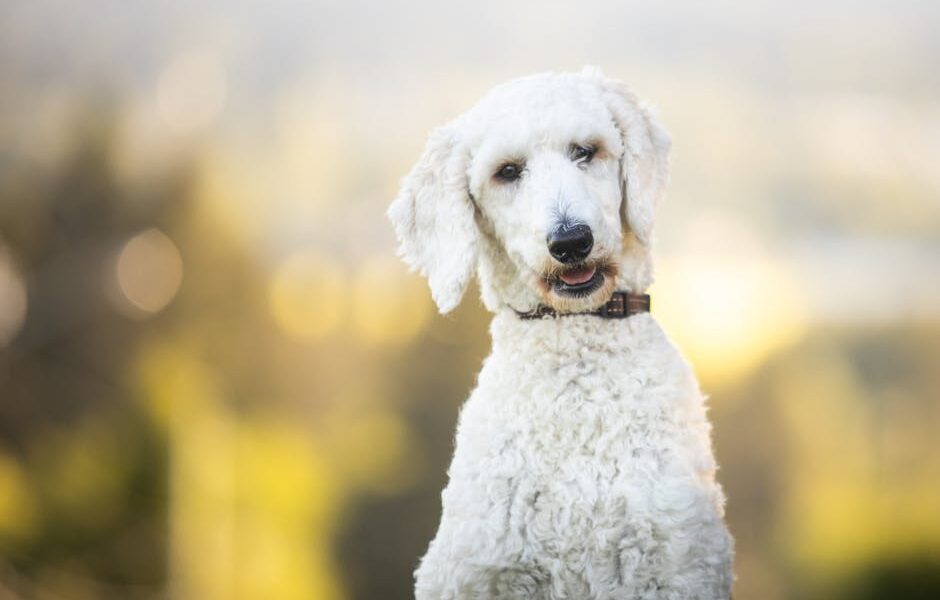
The Poodle is the gold standard among hypoallergenic dogs, and for good reason. Available in three sizes — toy, miniature, and standard — poodles have a tightly curled, single-layered coat that grows continuously rather than shedding in cycles. This means far less loose hair and dander distributed around the home. The coat does require professional trimming every six to eight weeks and regular brushing to prevent matting, but the trade-off for allergy sufferers is significant. Beyond their coat, poodles are among the most intelligent breeds in existence, highly trainable, and deeply loyal to their families. They adapt well to apartments or large homes and suit a wide range of lifestyles.
2. Bichon Frise
The Bichon Frise is a small, cheerful, and endlessly affectionate breed that consistently ranks among the best hypoallergenic dogs for families. Its plush, curly coat sheds minimally, and because the loose hairs tend to get caught within the coat rather than falling to the floor, dander dispersal is significantly reduced. Bichons are sociable, gentle, and genuinely good-natured — they get along well with children, other pets, and strangers. They thrive on human companionship and do not do well when left alone for long stretches. Regular grooming is essential to prevent matting and keep the coat clean, but allergy sufferers typically find them very well tolerated.
3. Maltese
The Maltese is one of the oldest toy breeds in the world and one of the most popular hypoallergenic dogs in the small-size category. Despite its long, flowing white coat, the Maltese has no undercoat, which means it sheds very little and releases comparatively little dander into the environment. The silky coat is more similar in structure to human hair than to the double coats of heavy-shedding breeds, which helps keep allergen levels low. Maltese dogs are lively, playful, and very devoted to their owners. They are well suited to apartment living but require consistent coat care, including regular brushing and periodic trimming, to keep the hair clean and tangle-free.
4. Portuguese Water Dog
Made famous by the Obama family’s choice of White House pet, the Portuguese Water Dog is a robust, athletic, and highly intelligent breed with a low-shedding wavy or curly coat that makes it a strong choice among hypoallergenic dogs. Originally bred to assist fishermen along the Portuguese coast — herding fish into nets, retrieving gear, and carrying messages between boats — this breed is energetic and needs substantial daily exercise. The coat does not shed heavily, and regular grooming keeps dander under control. Portuguese Water Dogs are loyal, eager to please, and excellent with active families. They also excel in canine sports, obedience, and water-based activities.
5. Schnauzer
Schnauzers come in three sizes — miniature, standard, and giant — and all three are considered among the more allergy-friendly breeds available. Their wiry, dense double coat sheds very lightly and produces less dander than many other double-coated breeds. The distinctive beard and eyebrows require regular trimming, and the coat benefits from hand-stripping or clipping every few months. Schnauzers are spirited, alert, and intensely loyal to their families. The miniature is perhaps the most popular for allergy sufferers due to its smaller size and correspondingly lower total dander output. All three sizes are intelligent and respond well to consistent, positive training.
6. Shih Tzu
The Shih Tzu may surprise people who associate long coats with heavy shedding, but this ancient breed is consistently listed among the most manageable hypoallergenic dogs for those with mild to moderate sensitivities. Like the Maltese, the Shih Tzu has a long, flowing coat without a dense undercoat, which limits shedding and dander release. The breed was developed in China as a royal companion and retains a calm, affectionate, and friendly temperament that makes it a wonderful household pet. Shih Tzus do require significant grooming commitment — daily brushing if kept in a long coat, or regular trims if maintained in a shorter “puppy cut.” They adapt well to apartment living and are gentle with children and older adults alike.
7. Yorkshire Terrier
The Yorkshire Terrier has a coat more closely resembling human hair than traditional dog fur — fine, silky, and continuously growing rather than seasonally shedding. This quality places it firmly in the category of hypoallergenic dogs that allergy sufferers frequently tolerate well. Yorkies are small, typically weighing four to seven pounds, which also limits the total volume of allergens they can produce. What they lack in size they more than make up for in personality: Yorkshire Terriers are bold, curious, and surprisingly fearless. They are devoted to their owners, alert to strangers, and remarkably adaptable to a range of living situations. The coat requires regular brushing and trimming to stay manageable and clean.
8. Havanese
The Havanese is the national dog of Cuba and one of the most appealing hypoallergenic dogs for families seeking a warm, sociable companion. Its long, silky coat is light in texture, low-shedding, and produces relatively little dander when properly maintained. The Havanese coat is unique in that it can be kept long and flowing, corded in the style of a Puli, or trimmed short for easier maintenance. Temperamentally, Havanese dogs are gentle, playful, and emotionally attuned to their owners — they are excellent with children, seniors, and other pets. They are moderately energetic and enjoy short daily walks and indoor play. Their friendly disposition and low-allergen coat make them a consistently popular choice.
9. Soft Coated Wheaten Terrier
The Soft Coated Wheaten Terrier is a medium-sized Irish farm dog with a silky, wavy coat that sheds lightly and is frequently recommended as one of the better hypoallergenic dogs in the terrier group. Unlike the wiry coats of most terriers, the Wheaten’s single-layered, soft coat produces comparatively little dander and does not go through the heavy seasonal blowouts that affect double-coated breeds. Wheatens are joyful, energetic, and full of personality — they greet everyone with enthusiasm and are excellent with active families. They do require regular grooming to keep the coat from becoming tangled, and they benefit from consistent training to channel their terrier independence. Their medium size and lively nature suit homes with access to outdoor space.
10. Kerry Blue Terrier
The Kerry Blue Terrier is a striking, blue-gray coated Irish breed that is lesser known than some of its terrier relatives but highly regarded among enthusiasts of hypoallergenic dogs. The Kerry Blue’s soft, wavy coat is single-layered and sheds minimally, making it a good option for allergy-prone households. Puppies are born black and gradually develop the distinctive slate-blue to silver-blue coloring as they mature. Temperamentally, Kerry Blues are confident, playful, and strongly bonded to their families. They have a strong prey drive and can be assertive with other dogs, so early socialization is important. Regular grooming — including trimming every six to eight weeks — is necessary to keep the coat tidy and manageable.
11. Lagotto Romagnolo
The Lagotto Romagnolo is an ancient Italian breed originally developed to retrieve waterfowl and later adapted as a truffle-hunting dog — a role it still performs with remarkable skill today. Its dense, curly, woolly coat sheds very lightly and is among the more allergy-friendly coat types found in working breeds, placing the Lagotto among the more underappreciated hypoallergenic dogs available to prospective owners. The coat requires regular trimming and brushing to prevent matting. Lagottos are intelligent, affectionate, and highly motivated — they thrive when given a job to do or at least consistent mental stimulation. They bond closely with their families and are generally good with children. Their moderate size and working drive make them best suited to active households.
12. Basenji
The Basenji is an ancient African hunting breed known for a highly unusual trait: it does not bark. Instead, it produces a distinctive yodel-like sound called a barroo. Beyond its voice, the Basenji is notable for its meticulous self-grooming habits — more like a cat than a dog — and its extremely short, fine coat that sheds minimally and produces very little dander. These qualities make the Basenji one of the more naturally allergy-friendly breeds without requiring intensive coat management. Basenjis are independent, intelligent, and athletically built. They are not the easiest breed to train due to their strong will and high prey drive, but for experienced dog owners, they are endlessly fascinating and remarkably low-maintenance from an allergen standpoint.
13. Afghan Hound
The Afghan Hound’s long, flowing, silky coat might seem like the opposite of what an allergy sufferer would want, but this ancient sighthound is consistently recognized among hypoallergenic dogs because its coat lacks a dense undercoat and sheds very little. The fine, human-hair-like texture means dander stays largely contained within the coat rather than becoming airborne. Afghans are regal, aloof, and quietly devoted to their families — they are not boisterous dogs, but they form deep, selective bonds. Their grooming needs are significant: the coat requires frequent brushing and bathing to stay clean and tangle-free. Afghan Hounds need regular off-leash running and are best suited to experienced owners with secure outdoor space.
14. Chinese Crested
The Chinese Crested exists in two varieties — the Hairless, which has tufts of hair only on the head, feet, and tail, and the Powderpuff, which carries a full soft coat. The Hairless variety is one of the most obviously allergy-friendly hypoallergenic dogs simply because the absence of a coat means no shedding and minimal dander dispersal. The skin does require regular care, including gentle bathing and sun protection outdoors, but the allergen load in the home is extremely low. Chinese Cresteds are affectionate, lively, and deeply bonded to their owners. They do not tolerate isolation well and are best suited to households where they receive plenty of daily attention and companionship.
15. Xoloitzcuintli
The Xoloitzcuintli — commonly called the Xolo or Mexican Hairless dog — is one of the world’s oldest breeds, with a history stretching back more than 3,000 years in Mesoamerican cultures. Like the Chinese Crested, the hairless variety of the Xolo produces virtually no shed hair and correspondingly little airborne dander, making it one of the most naturally suited hypoallergenic dogs for people with significant sensitivities. The Xolo comes in three sizes and both hairless and coated varieties. In temperament, Xolos are calm, loyal, and alert — they bond deeply with their family and can be reserved with strangers. Their skin requires regular care, including bathing and sun protection, but the overall allergen impact in the home is among the lowest of any breed.
Tips for Allergy Sufferers Living with Dogs
Choosing one of the breeds above is an excellent first step, but it is not the only measure allergy sufferers should take. Even the most allergy-friendly hypoallergenic dogs produce some level of Can f 1, and other management strategies meaningfully reduce the allergen load in your home.
Keep the dog out of the bedroom and off upholstered furniture where possible, as allergens accumulate heavily in soft surfaces. Wash the dog’s bedding weekly and vacuum with a HEPA-filter vacuum at least twice a week. A high-quality HEPA air purifier running continuously in rooms where the dog spends the most time can make a significant difference. Bathe the dog regularly — ideally every one to two weeks — as bathing temporarily reduces the Can f 1 on the coat and skin. Ask a non-allergic family member to handle brushing and grooming tasks outdoors, since those activities aerosolize allergens. Wash your hands after handling the dog and before touching your face. Hard flooring is easier to clean than carpet, which traps dander deeply in its fibers. Finally, consult an allergist before committing to a dog — allergy testing can clarify exactly what proteins you react to, and immunotherapy may reduce sensitivity over time. For more guidance on welcoming a dog into your home, visit our dog care blog.
Frequently Asked Questions
Are any dogs truly 100% hypoallergenic?
No. Despite the marketing around certain breeds, no dog is completely free of allergens. All dogs produce Can f 1 in their saliva, skin, and urine, and all dogs shed at least some skin cells. What varies between breeds is the amount and distribution of these proteins in the environment. Hypoallergenic dogs shed less hair, release less dander into the air, and are statistically better tolerated by allergy sufferers — but a person with severe dog allergies may still react to even the lowest-allergen breeds. Spending time with an individual dog before committing to ownership is always the most reliable way to gauge your personal tolerance.
Do hypoallergenic dogs require less grooming?
Not necessarily — and often the opposite is true. Many of the breeds considered most allergy-friendly have continuously growing coats that require regular professional trimming, frequent brushing, and consistent bathing to stay clean and tangle-free. Poodles, Bichons, Schnauzers, and Soft Coated Wheaten Terriers all demand significant grooming commitment. Hairless breeds like the Xolo and Chinese Crested trade coat grooming for skin care routines. The low-shedding quality that benefits allergy sufferers is a result of coat type, not coat maintenance requirements. Budget time and money for grooming when choosing a hypoallergenic breed.
Which hypoallergenic dog is best for families with children?
Several breeds on this list are excellent choices for families. The Bichon Frise, Havanese, Maltese, and Soft Coated Wheaten Terrier are all known for their gentle, playful temperaments and tolerance of children’s energy. Portuguese Water Dogs and Schnauzers are also solid choices for active families with older children. The right match depends not only on the breed’s allergy profile but on the family’s lifestyle, activity level, and living space. For personalized guidance and to see which dogs are currently available for adoption, visit our adopt a dog page.
Can I find hypoallergenic dogs through rescue adoption?
Yes. Many of the breeds on this list — including poodles, Bichon Frises, Maltese, Yorkshire Terriers, Schnauzers, and Shih Tzus — appear in rescue organizations and shelters more often than people expect. Owner surrenders, life changes, and rehoming situations mean that dogs of all ages and breeds need new homes regularly. Poodle mixes and doodle-type dogs, which tend to inherit the low-shedding poodle coat, also appear frequently in rescue. Adopting a hypoallergenic dog from rescue is entirely realistic and deeply rewarding. Browse our available dogs to see who is looking for a home, and explore our dog care blog for advice on settling a new dog into your life.
Looking to adopt a 15 Best Hypoallergenic Dog Breeds?
Browse 15 Best Hypoallergenic Dog Breeds dogs and mixes available for adoption from shelters and rescues near you.
Find 15 Best Hypoallergenic Dog Breeds Dogs for Adoption