
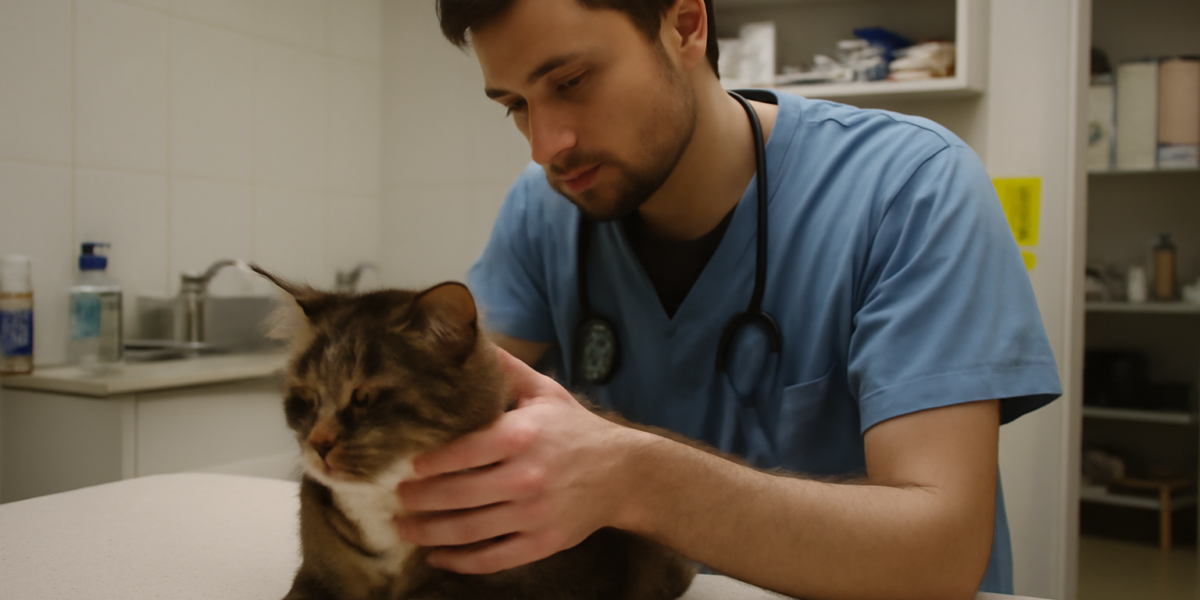
What IMHA Is in Cats
Immune-mediated hemolytic anemia, abbreviated IMHA, is a condition where the immune system mistakenly identifies the body’s own red blood cells as foreign and destroys them. The cat’s bone marrow tries to keep up by producing new red cells, but in many cases the destruction outpaces production and severe anemia develops. The result is a cat who feels exhausted, weak, and short of breath, with pale or yellow-tinged gums and a heart working overtime.
In this article
IMHA is less common in cats than in dogs, and when it does occur in cats it often has a recognizable underlying trigger. Infections, particularly with viruses like feline leukemia virus and feline immunodeficiency virus or with the blood parasite Mycoplasma haemofelis, are common triggers. Cancer, certain medications, and other immune-mediated diseases can also set the process in motion.
IMHA cats face is a serious diagnosis that needs prompt veterinary attention. With early recognition, identification of any underlying cause, and appropriate immunosuppressive treatment, many affected cats can be stabilized and recover good quality of life. Understanding the warning signs and the treatment journey helps families act quickly when something seems wrong.
How IMHA Affects the Body
Red blood cells carry oxygen from the lungs to every tissue in the body, and they are constantly produced by the bone marrow and removed when old. In IMHA, antibodies coat the red cells and mark them for destruction. The cells are then either removed prematurely by the spleen and liver or actually break apart in the bloodstream, releasing their contents.
The destruction produces several recognizable consequences. Severe anemia leaves tissues short of oxygen, causing weakness and exercise intolerance. The breakdown products of red cells, particularly bilirubin, accumulate and cause yellow discoloration of the gums, eyes, and skin, called jaundice or icterus. Concentrated destruction in some cases produces dark urine as the body tries to clear the breakdown products.
The bone marrow responds by ramping up red cell production, releasing immature cells called reticulocytes into circulation. In cats, the reticulocyte response is one of the most useful clues to whether the anemia is regenerative, meaning the marrow is keeping up to some degree, or non-regenerative, meaning the marrow is failing or has been destroyed by the same process. Either pattern is challenging, and treatment plans differ depending on which is present.
Common Symptoms
The earliest symptoms are often subtle. A normally active cat may seem suddenly tired, sleeping more than usual, less interested in play, and reluctant to jump onto favorite perches. Appetite may decline, and breathing may become slightly faster, particularly with activity or excitement.
As anemia worsens, the gums become noticeably pale, sometimes with a yellow tinge. The cat may breathe more heavily even at rest. Some cats develop dark urine that owners describe as cola-colored or unusually orange. Cold ears and paws, weakness when standing, and reluctance to move are all worrying signs that warrant emergency care.
Yellow gums or yellowing of the whites of the eyes are particularly concerning and often the trigger that brings cats to the veterinarian. Pale gums alone can be hard to assess at home, so any combination of lethargy, decreased appetite, and changes in breathing should prompt a veterinary visit. Cats often hide illness, and severe anemia can be present before the family realizes how sick the cat has become.
How Veterinarians Diagnose It
Diagnosis usually starts with a complete blood count, which confirms anemia and shows whether the bone marrow is responding. A blood smear examined under the microscope can reveal characteristic changes such as spherocytes, agglutination of red cells into clumps, and ghost cells from intravascular destruction. These findings strongly support an immune-mediated process.
Specific tests for IMHA include the saline agglutination test, which checks whether red cells clump together in saline, and the Coombs test, which detects antibodies bound to red cells. In cats, these tests can be helpful but are not always definitive, and the diagnosis often relies on the broader clinical picture along with ruling out other causes.
Identifying underlying triggers is essential in feline cases. Testing for feline leukemia virus, feline immunodeficiency virus, and Mycoplasma haemofelis is standard. Imaging of the chest and abdomen, often with X-rays and ultrasound, helps look for cancer, abscesses, or other hidden problems that could be driving the immune response. Bone marrow analysis is sometimes added when the marrow’s response is unclear or when other blood lines are also affected.
Initial Stabilization
Many cats with IMHA need hospitalization for initial stabilization. Severe anemia may require a blood transfusion to provide oxygen-carrying capacity while immunosuppressive medications take effect. Cats with very low red cell counts can become unstable quickly, and the transfusion buys critical time.
Intravenous fluids support hydration and help maintain blood pressure. Oxygen supplementation may be provided in a quiet, low-stress cage. Cats are sensitive to handling stress, particularly when they are critically ill, so minimizing disturbance is part of good care. Anti-nausea medication, supportive feeding, and pain control as needed round out the supportive plan.
Treatment of any identified underlying cause begins as soon as testing identifies the trigger. Antibiotics for Mycoplasma haemofelis, antiviral support for retrovirus-related disease, or specific cancer treatment for affected cats all become part of a tailored plan. The combination of treating the trigger and suppressing the immune response gives the best chance of recovery.
Immunosuppressive Treatment
The cornerstone of treatment is immunosuppression, usually starting with corticosteroids like prednisolone. These medications quickly dampen the immune attack and often produce noticeable improvement within days. The dose is gradually tapered over weeks to months, depending on the cat’s response and how stable the disease becomes.
Additional immunosuppressive medications are sometimes added for cats whose disease is severe, who do not respond adequately to steroids alone, or who develop side effects from high steroid doses. Cyclosporine, chlorambucil, mycophenolate, and similar agents are options your veterinary internist may consider. Each adds its own profile of benefits and risks, and treatment is highly individualized.
Cats generally tolerate steroids better than dogs, but long-term effects still occur. Increased thirst, increased appetite, weight gain, and metabolic changes including diabetes risk are all possible. Frequent monitoring with bloodwork helps catch problems early and adjust treatment accordingly. Treatment often continues for many months, even when the cat seems clinically well, because too-rapid tapering can trigger a relapse.
Watching for Complications
One of the most serious complications of IMHA, particularly in dogs but occasionally in cats, is the formation of blood clots. The same inflammation that drives red cell destruction can make blood more prone to clotting in unwanted places, such as the lungs. Cats with IMHA who develop sudden severe breathing difficulty need emergency evaluation for this possibility.
Another concern is infection during immunosuppressive treatment. The medications that calm the immune attack also reduce the cat’s ability to fight infection. Watch for fever, lethargy, decreased appetite, or any new respiratory or urinary signs, and contact your veterinarian promptly if any develop. Routine vaccination is sometimes deferred during active treatment, and your veterinarian will guide what is appropriate.
Long-term immunosuppression can also predispose to opportunistic infections, urinary issues, and metabolic complications. Reading about diabetes in cats is worthwhile because steroid-related diabetes is one of the recognized risks of long-term steroid use in this species. Resources at our cat care blog cover related topics that often come up in caring for cats on chronic medications.
Living With a Cat in Treatment
Daily life adjusts around medications, monitoring visits, and the cat’s energy level. Strict adherence to medication schedules matters because missed doses can let the immune attack rebound. A pill organizer or smartphone reminders help families stay consistent. Pilling cats can be challenging, and a long conversation with your veterinarian about effective techniques is worthwhile.
Reduce stress in the home environment as much as possible. Provide quiet retreats, predictable routines, and calm interactions. Avoid introducing new pets, doing major rearrangements, or making other big changes during the early treatment period. Some cats relapse around stressful events, so building a calm baseline supports stability.
Watch for any return of pale gums, lethargy, decreased appetite, or behavior changes. A pale gum check, easy to do at home, can be a useful early-warning tool, though contact your veterinarian for guidance on what is normal for your cat. Reading about related anemia conditions like ITP in cats can help you understand the broader category of immune-mediated blood disorders these cats can develop.
Long-Term Outlook
Outcomes with IMHA in cats vary considerably based on the underlying cause, severity at diagnosis, and response to treatment. Cats whose disease is associated with a treatable infection often do well once the infection is addressed, with eventual full recovery in some cases. Cats with cancer-associated IMHA have outcomes tied to the underlying cancer treatment.
Cats with idiopathic disease, where no underlying cause is found, have variable outcomes. Some achieve long-term remission with treatment and eventually come off all medication. Others need lifelong therapy. Relapses can occur, particularly when medications are reduced or during stressful events.
Quality of life with appropriate treatment is often very good. Many treated cats return to their pre-illness activity levels and behaviors. Long-term follow-up with your veterinarian ensures any emerging side effects or relapses are caught early. Adopting a cat with a known immune-mediated condition is occasionally something families consider, and resources at our adopt-a-cat hub can guide thoughtful planning.
When to Call Your Veterinarian
Call promptly if your cat develops pale or yellow gums, unusual lethargy, decreased appetite, faster breathing, or dark urine. These signs warrant prompt evaluation, and IMHA can progress quickly when not treated. Bring your cat in the same day if multiple signs appear together.
Seek emergency care for severe weakness, collapse, breathing difficulty at rest, or sudden behavior changes. Profoundly anemic cats can deteriorate rapidly, and timely transfusion and stabilization can be lifesaving. Bring along any history of recent medications, illnesses, or environmental changes that might be relevant.
If your cat is being treated for IMHA and you notice new lethargy, paleness, decreased appetite, fever, or breathing changes, contact your veterinarian rather than waiting for the next scheduled visit. Relapses or new complications respond best to early intervention. Your veterinary internist or primary veterinarian is your best partner in managing this disease over the long run.
Frequently Asked Questions
Is IMHA in cats curable?
It depends on the underlying cause. Cats whose disease is associated with a treatable infection or trigger may achieve full recovery. Idiopathic cases often respond well to treatment but may need long-term medication or face relapses.
How quickly does IMHA progress in cats?
The disease can progress over days to weeks, and severe anemia can develop quickly once destruction outpaces production. Early recognition and prompt treatment offer the best outcomes.
Will my cat need a blood transfusion?
Cats with severe anemia often benefit from transfusion to stabilize them while immunosuppressive treatment takes effect. Not every cat needs one, and your veterinarian will weigh the severity of anemia and clinical signs to decide.
Can IMHA come back after treatment?
Yes, relapses can occur, particularly with too-rapid medication tapers or during stressful events. Slow, supervised tapering and ongoing monitoring help reduce relapse risk.
What are common triggers in cats?
Infections like Mycoplasma haemofelis, feline leukemia virus, and feline immunodeficiency virus are common triggers. Cancer, certain medications, and other immune-mediated diseases can also be involved. Identifying and treating triggers is essential.
Should I see a veterinary internist?
Yes, when possible. A board-certified internist has experience with the complex management decisions IMHA involves, including selecting the right combination of immunosuppressive medications. Your primary veterinarian can coordinate the referral.


