
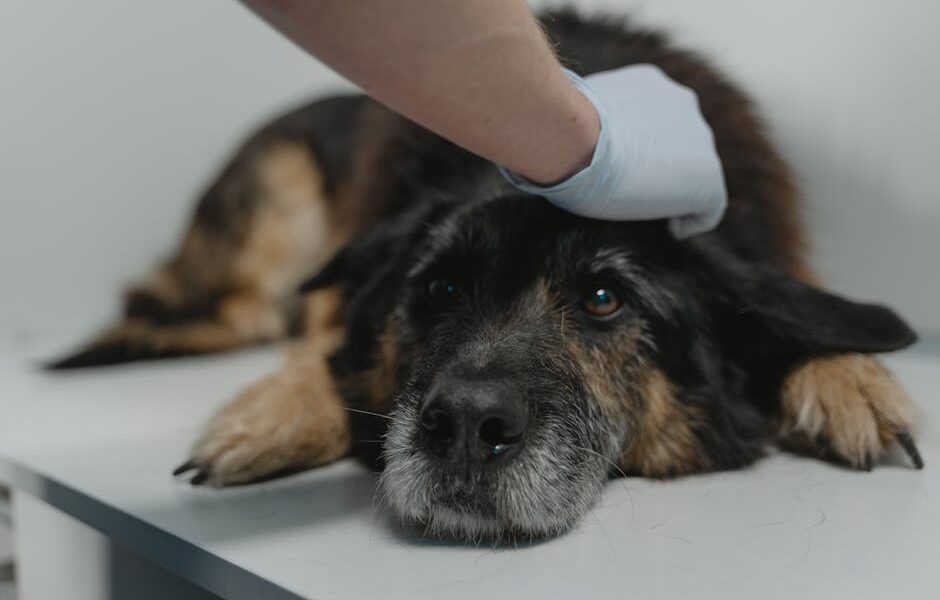
What Integrative Cancer Care Pets Receive Actually Means
When your dog or cat is diagnosed with cancer, you will quickly run into supplements, herbs, special diets, and “natural protocols” promising hope. Sorting the useful from the useless is hard when you are frightened and the internet is loud. The honest definition is simple: integrative cancer care pets owners pursue should be an evidence-informed complement to standard oncology, never a replacement for it.
In this article
- What Integrative Cancer Care Pets Receive Actually Means
- The “Complement, Not Replace” Principle
- How to Read Evidence Tiers Honestly
- The Organizations Worth Knowing
- Red Flags of Cancer-Cure Quackery
- Where Integrative Measures Genuinely Help
- Evaluating a Specific Claim, Step by Step
- Common Modalities and Where They Sit
- Working With Your Oncologist as a Team
- Cost, Access, and Realistic Expectations
- Frequently Asked Questions
An integrative approach blends conventional, board-certified cancer treatment — surgery, chemotherapy, radiation, targeted drugs — with carefully chosen supportive measures that may improve comfort, appetite, or quality of life. The keyword is complement. The therapies in this category do not shrink, treat, or cure tumors on their own, and any source telling you otherwise is misleading you.
This framework is built around one relationship: you and a board-certified veterinary medical oncologist (a DACVIM-Oncology specialist), working with your primary veterinarian. Integrative measures get layered on top of that plan, with the oncologist’s knowledge, not behind their back.
The “Complement, Not Replace” Principle
The single most dangerous decision an owner can make is to decline proven treatment in favor of an unproven one. Pets have died of treatable lymphomas and mast cell tumors because a well-meaning owner chose a “natural cure” instead of surgery or chemotherapy. Time lost to an ineffective remedy is rarely recoverable in oncology.
Integrative care earns its place when it sits alongside the standard of care. Acupuncture for nausea, omega-3 fatty acids for inflammation and body condition, considered nutrition, and pain-modulating adjuncts can genuinely help an animal feel better during treatment. None of them are substitutes for the therapy that actually addresses the cancer.
If a product, practitioner, or website ever frames itself as an alternative to oncology rather than an addition to it, that is your cue to step back. Discuss every supplement and diet change with your oncologist before starting, because some interact with chemotherapy or radiation.
How to Read Evidence Tiers Honestly
Not all evidence is equal, and most integrative cancer therapies for pets sit at the bottom of the ladder. Learning to place a claim on this ladder protects you and your pet.
- Test-tube and cell-culture studies (preclinical): a compound kills cancer cells in a dish. This is where most “anti-cancer” supplement claims live. It tells us almost nothing about a living animal.
- Animal-model and small pilot studies: a handful of pets show a signal. Suggestive, never definitive. Small numbers, no control group, or short follow-up limit the conclusions.
- Randomized, controlled clinical trials: the gold standard, and rare in veterinary integrative oncology.
- Expert consensus and anecdote: useful for generating ideas, weakest for proving anything.
For nearly every integrative cancer therapy in dogs and cats, the honest summary is “low or preliminary evidence.” That does not mean useless — it means uncertain, and it means you should keep expectations modest and your oncologist informed.
The Organizations Worth Knowing
Credible integrative veterinary medicine has professional structure behind it. The American Holistic Veterinary Medical Association (AHVMA) is the main professional body for holistic and integrative practitioners. The International Veterinary Acupuncture Society (IVAS) certifies veterinarians in acupuncture. The American College of Veterinary Nutrition credentials board-certified nutritionists (DACVN) who can build an evidence-based cancer diet.
The American Veterinary Medical Association (AVMA) maintains a measured position on complementary and alternative veterinary medicine: it should be evaluated by the same scientific standards as conventional care. That balanced stance is the right model for owners too.
A practitioner with AHVMA, IVAS, or DACVN credentials who openly acknowledges the limits of the evidence is far more trustworthy than a charismatic seller with testimonials and no training. Curious owners can start with our overview of traditional Chinese veterinary medicine to understand where one common integrative tradition fits.
Red Flags of Cancer-Cure Quackery
Fear makes people vulnerable, and the pet supplement market is loosely regulated. Watch for these warning signs before spending a dollar:
- Cure language. Any claim that a product “cures,” “shrinks,” or “eliminates” cancer is a red flag. Legitimate sources say “may support” or “preliminary evidence suggests.”
- “Suppressed by big pharma” narratives. Conspiracy framing exists to discourage you from asking hard questions.
- Pressure to stop conventional treatment. The most harmful sign of all.
- Testimonials instead of data. Stories are not evidence, and you never hear from the animals the product did not help.
- Multi-level marketing structures and “proprietary blends” with hidden ingredients and no certificate of analysis.
Our guide to supplement red flags and fake claims walks through these traps in detail. Building integrative cancer care pets families can rely on starts with this kind of skepticism.
Where Integrative Measures Genuinely Help
Setting aside cure claims, several supportive measures have a legitimate, if modest, role during cancer care. These are about comfort and function, not killing tumors.
Appetite and nausea: antiemetics, appetite stimulants, and dietary adjustments keep weight on, which matters for tolerating treatment. Pain: multimodal control, including acupuncture as an adjunct, can improve daily life. Inflammation and body condition: omega-3 fatty acids have reasonable evidence for supporting muscle mass and reducing inflammatory mediators.
These areas overlap heavily with palliative oncology care, which focuses entirely on comfort and quality of life. Integrative tools fit naturally there because comfort is a realistic, measurable goal — unlike “cure.”
Evaluating a Specific Claim, Step by Step
When you encounter a new supplement or protocol, run it through a quick checklist before acting:
- What exactly is being claimed — comfort support, or a cancer cure? Treat any cure claim as a red flag.
- What is the evidence tier? Cell culture, a small pilot, or a real clinical trial?
- Is it being offered as a complement or a replacement? Replacement is a hard stop.
- Are there known interactions with chemotherapy or radiation? Some antioxidants and herbs do interact.
- Is the product quality verifiable, with a certificate of analysis and clear ingredients?
- Have you asked your DACVIM-Oncology vet? Always the final filter.
This same logic applies whether you are reading about turmeric, mushroom extracts, CBD, or a herbal blend. The framework keeps you grounded.
Common Modalities and Where They Sit
It helps to map the most common integrative modalities onto the evidence ladder so you know what you are dealing with before a salesperson frames it for you.
- Acupuncture: reasonable evidence as a pain and nausea adjunct; widely used in palliation. A supportive tool, not anti-cancer.
- Omega-3 fatty acids: the better-supported nutritional addition, with evidence for reducing inflammation and helping preserve lean body mass.
- Mushroom-derived extracts (PSP/turkey tail): one small, much-cited pilot in canine splenic hemangiosarcoma; suggestive, not definitive.
- Curcumin/turmeric: strong lab story undermined by poor absorption and thin clinical proof; potential bleeding and interaction concerns.
- Yunnan Baiyao: a herbal hemostatic used to reduce bleeding episodes in bleeding-prone tumors; mechanism unclear, evidence limited.
- Essiac and similar “herbal cures”: no credible efficacy evidence; the classic unproven cancer remedy.
- CBD: preliminary supportive interest for comfort; no evidence it treats cancer, and real drug-interaction concerns.
Notice the pattern: every credible item is supportive, and nothing on this list treats cancer. That alone disciplines expectations more than any single study.
Working With Your Oncologist as a Team
The most productive mindset is partnership, not permission-seeking or secrecy. Many owners hide supplements from their oncologist for fear of disapproval, which is exactly backward — that silence is what creates dangerous interactions.
Bring a written list of everything you give or want to give, including doses, brands, and certificates of analysis where you have them. Ask three questions of every item: Is it safe with my pet’s current treatment? Is there any timing concern around chemotherapy or radiation? And what would success even look like? A good oncologist will engage honestly, sometimes endorsing a low-risk comfort measure and sometimes steering you away from a genuine hazard.
This collaborative posture also helps you avoid the trap of doing “everything,” which drains budgets and stresses pets without clear benefit. A focused plan beats a cabinet full of half-used bottles every time.
Cost, Access, and Realistic Expectations
Integrative supplements add up. Quality mushroom or curcumin products can run $30 to $90 or more per month, on top of conventional treatment costs that often reach thousands of dollars. Costs vary by program, region, and specialist, and figures here are current as of 2024 to 2025.
Board-certified oncologists are concentrated at referral centers and teaching hospitals, so many regions lack a nearby specialist. Your primary veterinarian can often consult an oncologist by telemedicine or refer for specific procedures while handling day-to-day care. Before stretching a budget on unproven supplements, prioritize the proven plan and review honest figures in our pet cancer treatment cost realism guide.
None of this should discourage adoption. Many wonderful dogs and cats are living full lives after a cancer diagnosis, and adopting a pet with a chronic or past illness is a deeply rewarding choice for prepared families willing to partner with their veterinary team.
Frequently Asked Questions
Can integrative cancer care cure my pet’s cancer?
No. The honest answer is that integrative therapies are complements that may support comfort, appetite, or quality of life. They do not cure, shrink, or treat cancer on their own. Cure comes, when it is possible at all, from standard oncology — surgery, chemotherapy, radiation, or targeted therapy — supervised by a board-certified oncologist.
Should I tell my oncologist about supplements I want to try?
Always. Some supplements, including certain high-dose antioxidants and herbs, can interfere with chemotherapy or radiation or affect bleeding and liver enzymes. Your DACVIM-Oncology vet needs the full list to keep treatment safe and effective.
How do I spot a cancer-cure scam aimed at pet owners?
Look for cure language, pressure to stop conventional treatment, testimonials instead of data, conspiracy narratives, and hidden “proprietary blends” with no certificate of analysis. Any one of these is reason to walk away.
Is “low evidence” the same as “doesn’t work”?
Not exactly. Low or preliminary evidence means uncertain — we lack good clinical trials to confirm a benefit. Some low-evidence supportive measures may still help comfort. The key is keeping expectations modest and your oncologist informed rather than assuming a benefit that has not been proven.
Where should I start if I want a credible integrative plan?
Start with your DACVIM-Oncology specialist and primary veterinarian, then look for a practitioner credentialed through the AHVMA, IVAS, or as a DACVN nutritionist. A trustworthy integrative vet acknowledges the limits of the evidence and builds support around your pet’s standard treatment, not instead of it.


