
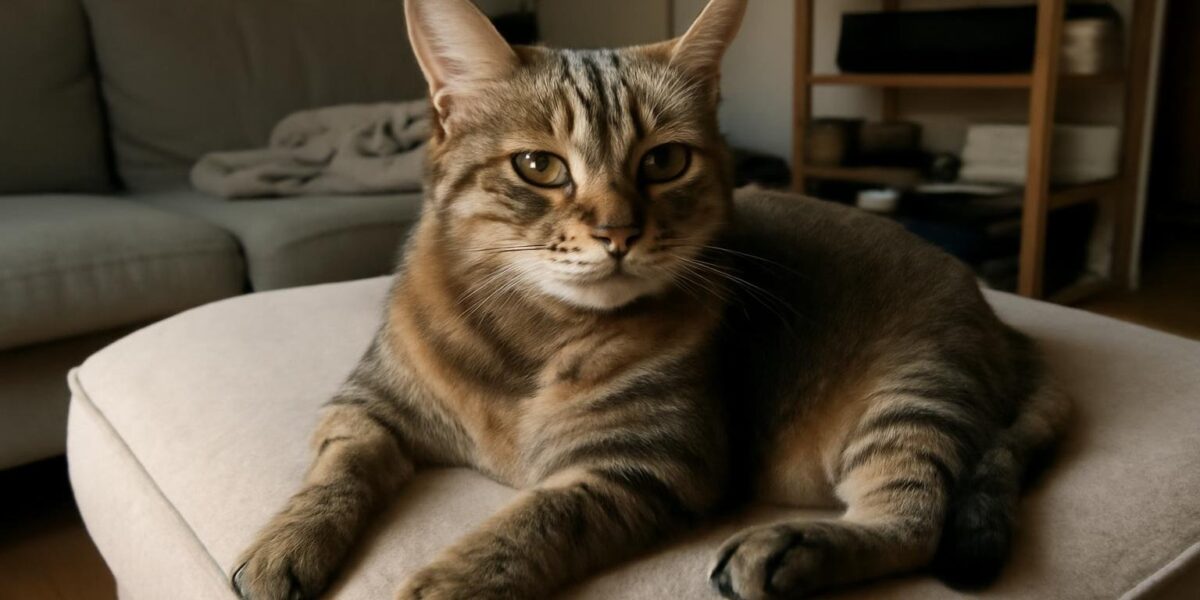
If your cat follows you from room to room, cries when you leave, or insists on being in your lap every chance it gets, you may wonder whether this is sweet devotion or a sign that something is wrong. The reassuring answer is that yes, it is often completely normal for a cat to be clingy. Despite their reputation for aloofness, many cats are deeply bonded, social animals that genuinely enjoy human company. A cat that wants to be near you, shadows your steps, and seeks affection is usually a securely attached, contented companion — not a problem cat.
In this article
That said, clinginess exists on a spectrum, and a sudden increase in neediness can occasionally point to stress, anxiety, or even a health issue. This guide explains what healthy attachment looks like, why some cats are naturally more affectionate than others, and the signs that mean your cat’s clinginess deserves a closer look or a vet visit.
Why Cats Become Attached to Their People
Cats form genuine social bonds. While their wild ancestors were largely solitary, domestic cats have evolved alongside humans for thousands of years and many have become affectionate, people-oriented companions. Your cat sees you as a source of food, warmth, safety, and comfort, and it is natural for it to want to stay close to the center of its world.
Common, healthy reasons a cat sticks close include:
- Genuine affection: Your cat simply enjoys your company and feels secure near you.
- Routine and food: You are the provider of meals, play, and cozy laps, so following you makes sense.
- Warmth and comfort: Your lap and body heat are appealing resting spots.
- Curiosity: Cats like to know what is going on, so they follow you to supervise.
- Personality: Some cats and breeds are naturally more social and “Velcro” than others.
So when you ask is it normal for my cat to be clingy, the answer for most affectionate cats is a happy yes. Following you, head-butting, and seeking laps are signs of a trusting bond. Reading these signals correctly is easier with our cat body language guide, which explains the postures and gestures behind your cat’s affection.
What Healthy Clinginess Looks Like
Healthy attachment is relaxed and content. A clingy-but-secure cat seeks you out, enjoys your attention, and then goes about its day — napping, playing, eating, and exploring on its own. The closeness is a choice born of comfort, not desperation.
Signs your cat’s clinginess is the healthy kind include:
- Following you around but settling calmly nearby
- Purring, kneading, head-butting, and slow blinks when close to you
- Happily greeting you and seeking laps, then resting contentedly
- Normal eating, playing, and litter box habits
- Relaxed body language — soft eyes, loose posture, upright tail
Behaviors like kneading you, purring loudly, and choosing to nap on your chest are classic signs of a secure, affectionate bond. We explore these specific gestures in our explainers on is it normal for my cat to knead me and is it normal for my cat to sleep on me. A cat that does these things is paying you a deep compliment.
One of the clearest signs of healthy clinginess is that your cat can take it or leave it. It seeks you out, soaks up some attention, then comfortably wanders off to nap, watch birds, or play on its own — and it does not fall apart when you step out the door. This easy give-and-take is the signature of a secure attachment. The cat enjoys you but is not anxious about you. By contrast, clinginess that feels frantic, that never lets you out of sight, or that turns into distress the moment you leave the room is worth a closer look, which we cover further below.
Normal Variation: Some Cats Are Just More Social
Cats differ enormously in how much closeness they crave, and a wide range is normal. Some breeds and individuals are famously affectionate and people-oriented, while others are independent and content with brief check-ins. Neither is better — it is simply personality.
Several factors influence how clingy a cat is:
- Breed and temperament: Certain breeds are known for being especially attached and vocal.
- Early socialization: Kittens raised with gentle, frequent human contact often grow into affectionate adults.
- Life stage: Kittens and senior cats may seek more reassurance and closeness.
- Bonding history: A cat you hand-raised or rescued may form an especially strong attachment.
- Household changes: A recent move, a new pet, or a schedule change can temporarily increase a cat’s need for closeness.
A cat that has always been affectionate and remains so is simply being itself. The picture to watch is a noticeable, sudden change — a previously independent cat that abruptly becomes intensely clingy, or clinginess paired with distress.
When Clinginess Is NOT Normal
Sometimes a change in clinginess signals stress, anxiety, or illness rather than affection. Because cats often seek comfort when they feel unwell or insecure, a sudden shift deserves attention. Contact your veterinarian or consider an environmental cause if you notice any of the following:
- Sudden, dramatic clinginess: A normally independent cat that abruptly cannot leave your side may be stressed, anxious, or unwell.
- Distress when you leave: Excessive crying, pacing, destructive behavior, or house soiling when alone can indicate separation anxiety.
- Clinginess with other symptoms: Hiding at other times, appetite changes, weight loss, vomiting, or litter box problems.
- Signs of pain or illness: Seeking constant closeness while also seeming lethargic, hunched, or uncomfortable.
- Anxious body language: Tense posture, dilated pupils, flattened ears, or restlessness rather than relaxed contentment.
- Excessive vocalizing: Constant, insistent meowing for attention beyond your cat’s normal level.
Senior cats in particular may become clingier due to declining senses, cognitive changes, or pain, so increased neediness in an older cat is worth a veterinary check. Learning to recognize tension is key, and our guide to cat stress signs helps you tell affectionate closeness from anxious clinging. When clinginess is sudden, comes with other symptoms, or your cat seems unwell, your veterinarian should evaluate it — home observation is not a substitute for professional care.
How to Support a Clingy Cat
For a happily affectionate cat, you do not need to fix anything — enjoy the bond. But if clinginess tips into anxiety, or you simply want to encourage healthy independence, these steps help.
- Keep a predictable routine. Consistent feeding, play, and quiet times help your cat feel secure and reduce anxiety-driven clinginess.
- Provide enrichment. Window perches, puzzle feeders, scratching posts, and toys give your cat satisfying things to do when you are busy.
- Schedule daily play and attention. Meeting your cat’s social needs on a routine reduces constant demands for it.
- Create cozy independent spots. Comfortable beds and perches near you let your cat feel close without being in your lap every moment.
- Make departures low-key. Calm, undramatic comings and goings ease separation stress.
- Rule out medical causes. If clinginess is sudden or paired with other signs, see your vet before assuming it is purely behavioral.
It is also worth giving a clingy cat plenty of healthy “jobs” to occupy its mind. Hiding small portions of food around the house for it to hunt, rotating a few toys so they stay novel, and offering a bird feeder outside a favorite window all channel a cat’s energy and attention away from constantly monitoring you. A cat with a rich, stimulating environment is generally a more relaxed and independent one, because it has interesting things to do rather than depending on you as its only source of engagement.
A loving, attached cat is a gift, and most clinginess is simply your cat telling you it adores you. When the closeness is relaxed and your cat is otherwise healthy, you can feel reassured that your bond is exactly as it should be. Trust your knowledge of your own cat: you know its baseline better than anyone, so a closeness that fits its established personality is something to enjoy, while a sudden, out-of-character shift is your cue to look a little deeper or check in with your vet.
Frequently Asked Questions
Why is my cat suddenly so clingy?
Sudden clinginess can be triggered by stress (a move, a new pet, a schedule change), anxiety, or illness. If your cat is otherwise healthy and the change followed an obvious event, it may settle. If it persists or comes with other symptoms, see your vet.
Can cats have separation anxiety?
Yes. Some cats develop separation anxiety, shown by excessive crying, pacing, destructive behavior, or house soiling when left alone. Predictable routines, enrichment, and low-key departures help, and your vet or a behaviorist can advise on severe cases.
Is it bad that my cat follows me everywhere?
Not at all, in most cases. Following you is usually a sign of a strong, secure bond and natural curiosity. It only warrants concern if it is sudden, accompanied by distress or other symptoms, or paired with anxious body language.
Are some cat breeds more clingy than others?
Yes. Certain breeds are known for being especially affectionate, social, and attached, while others are more independent. Individual personality and early socialization also play a big role in how clingy a cat is.
When should I worry about my cat’s clinginess?
Worry if clinginess appears suddenly in a previously independent cat, comes with hiding, appetite or litter box changes, weight loss, or signs of pain, or shows anxious rather than relaxed body language. These warrant a veterinary check.


