
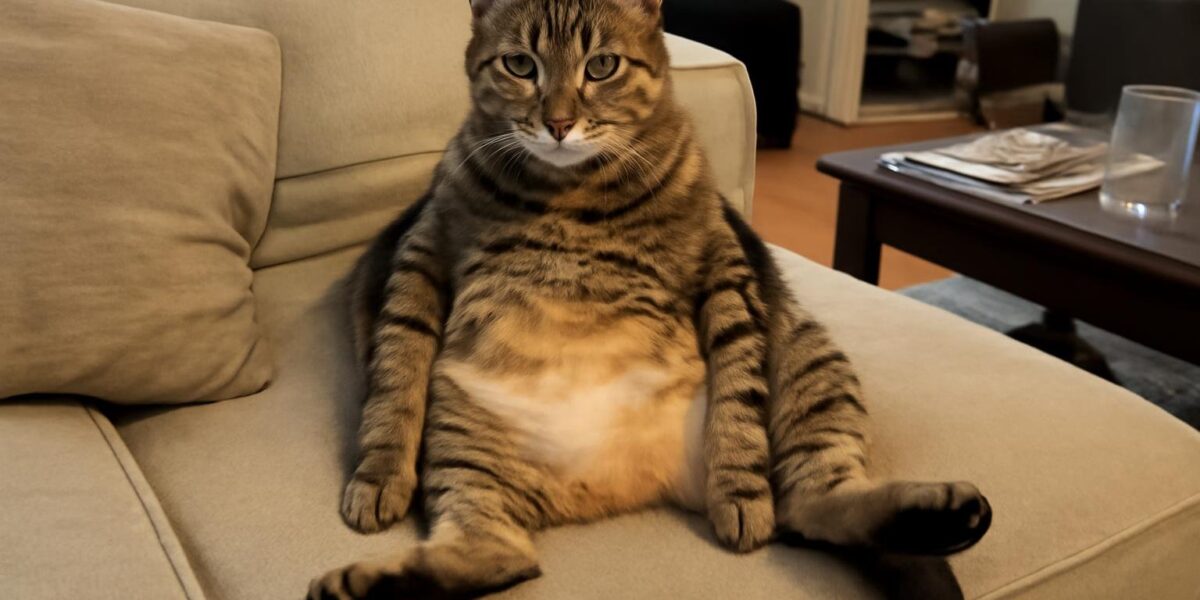
Yes, Kneading You Is Completely Normal and a Compliment
When your cat presses her paws into your lap in that slow, rhythmic push-and-pull, you might wonder, is it normal for my cat to knead me? Absolutely, and it is one of the sweetest things she can do. Kneading, often called “making biscuits,” is a natural, instinctive behavior that usually signals comfort, contentment, and trust.
In this article
- Yes, Kneading You Is Completely Normal and a Compliment
- Why Cats Knead in the First Place
- What Normal Kneading Looks Like
- When Kneading Might Signal Something Else
- Kneading and Other Signs of a Bonded Cat
- How to Enjoy Kneading Without the Claws
- Why Some Cats Knead More Than Others
- Frequently Asked Questions
Cats knead soft surfaces like blankets, cushions, and especially their favorite humans. If she chooses your lap, your chest, or your belly, take it as a high compliment. She feels safe and relaxed enough to settle in and show affection.
The behavior can come with purring, drooling, kneaded blankets, and a faraway blissful expression. All of this is normal and healthy. The only downside owners mention is the claws, and we will cover gentle ways to handle that below. First, let’s understand where this charming habit comes from and what your cat is really telling you.
Why Cats Knead in the First Place
Kneading begins in kittenhood. Nursing kittens push their paws against their mother to stimulate milk flow, and the motion becomes linked with warmth, comfort, and feeding. Many cats carry this soothing behavior into adulthood, kneading whenever they feel especially safe and happy.
There are several common reasons your cat kneads you:
- Comfort and contentment. The classic reason. A kneading cat is usually a relaxed, happy cat.
- Bonding and affection. Kneading on you marks you as her safe place and a source of comfort.
- Scent marking. Cats have scent glands in their paw pads, so kneading leaves her scent on you, claiming you as part of her territory.
- Settling in. Wild cats pat down grass before lying down, and kneading may echo that nesting instinct.
- Seeking attention. Some cats knead to ask for petting or a cozy cuddle session.
Learning to read these cues is part of understanding your cat. Our cat kneading meaning guide explores the instincts behind biscuit-making in more detail, so you can appreciate exactly what your cat is communicating.
What Normal Kneading Looks Like
Normal kneading is calm and rhythmic. Your cat alternates her front paws, pushing in and out against a soft surface, often while purring. Some cats use claws, some keep them sheathed, and some get so relaxed they drool a little. Every cat has her own style.
Healthy kneading variations include:
- Kneading only with the front paws, or occasionally all four
- Purring, drooling, or suckling on a blanket while kneading
- Kneading before settling down to sleep
- Choosing certain people, blankets, or spots to knead
- A glazed, peaceful expression during the session
Some cats knead constantly, others rarely. Both are perfectly normal. If you have a kneader, you simply have a cat who shows comfort through her paws. Kneading often pairs with other affectionate signals, and our cat body language guide explains how slow blinks, head bumps, and a softly swishing tail all add up to a happy, bonded cat.
When Kneading Might Signal Something Else
Kneading is almost always a happy, healthy behavior, not a medical concern. Still, a few situations are worth a closer look:
- Frantic, anxious kneading paired with restlessness, hiding, or pacing may mean your cat is seeking comfort during a tense time.
- Sudden new compulsive kneading combined with overgrooming or other behavior changes is worth mentioning to your vet.
- Kneading that always leads to painful scratching is a comfort issue for you, not a health issue for her, and is easily managed.
The key is context. Relaxed, purring kneading is pure contentment, while frantic kneading alongside stress signals tells a different story. Learning to recognize the difference helps you respond the right way, whether that is a cuddle or a calmer environment. In short, kneading itself is not something to worry about; only the surrounding behavior would prompt a conversation with your veterinarian.
Kneading and Other Signs of a Bonded Cat
Kneading rarely happens in isolation. It usually arrives as part of a whole bundle of affectionate behaviors that together tell you your cat trusts and loves you. Recognizing the full picture helps you appreciate just how much your cat is saying when she settles onto your lap and starts making biscuits.
Common companions to kneading include:
- Purring. The classic contentment soundtrack. A cat who kneads and purrs is about as relaxed as cats get, and our guide to cat purring meaning explains the many things a purr can communicate.
- Slow blinking. Often called a “cat kiss,” a slow blink is a sign of trust and calm.
- Head bumps and cheek rubs. These deposit her scent and mark you as family.
- Curling up on you. Choosing your lap or chest as a sleeping spot is a deep sign of security, much like the cats described in our piece on whether it is normal for a cat to sleep on you.
When several of these behaviors show up together, you are seeing a cat who feels completely at home with you. Kneading is one thread in that larger tapestry of feline affection, and noticing the whole pattern makes the bond all the more rewarding.
How to Enjoy Kneading Without the Claws
You never want to punish or scold a cat for kneading, since it is a loving, instinctive behavior. Instead, make it comfortable for both of you:
- Keep her nails trimmed. Regular nail trims dramatically reduce the sting of kneading on your lap.
- Use a barrier. Place a thick blanket or folded towel on your lap before she settles in.
- Redirect gently. If the claws get sharp, calmly move her onto a soft cushion beside you rather than pushing her away.
- Offer a kneading-friendly spot. A plush blanket or a dedicated soft bed gives her somewhere to make biscuits whenever the mood strikes.
- Reward the calm. Petting and soft praise during gentle kneading reinforces the bonding moment.
With nails trimmed and a blanket handy, kneading becomes one of the most rewarding parts of sharing your home with a cat. Punishing the behavior, on the other hand, can confuse your cat and damage the trust that made her want to knead you in the first place.
Why Some Cats Knead More Than Others
If you have had several cats over the years, you have probably noticed that some are dedicated biscuit-makers while others rarely knead at all. This variation is completely normal and usually comes down to a mix of personality, early life, and habit rather than anything you have done right or wrong.
A cat’s early kittenhood plays a big role. Kittens who nursed and were weaned naturally often carry the comforting kneading motion strongly into adulthood. Some cats also pair kneading with suckling on blankets or soft fabric, a leftover nursing behavior that is harmless as long as she is not eating the material. Cats who were weaned very early sometimes knead and suckle more intensely as adults, seeking the comfort they associate with it.
Personality matters too. Affectionate, people-oriented cats tend to knead their humans often, while more independent cats may save their kneading for a favorite blanket or skip it altogether. Neither is better or healthier; it is simply who your cat is. A cat who does not knead can still be deeply bonded to you and show it in other ways, like following you around, sleeping nearby, or greeting you at the door.
The bottom line is that there is no “right” amount of kneading. Whether your cat makes biscuits on your lap every evening or only on rare cozy occasions, both patterns fall well within the range of normal, happy feline behavior.
It is also worth noting that kneading habits can change over a cat’s life. A newly adopted cat who feels uncertain in her surroundings may not knead at all at first, then begin once she settles in and feels safe. In that sense, the day your cat first kneads you can be a quiet milestone, a sign she has decided this is home and you are her person. If your cat starts kneading more after a stressful period passes, take it as a reassuring signal that her confidence and comfort are returning.
Frequently Asked Questions
Why does my cat knead me but not anyone else?
Cats often knead the person they feel safest and most bonded with. If she chooses you, she sees you as her primary source of comfort and security. It is a real compliment.
Does kneading mean my cat is happy?
In the vast majority of cases, yes. Kneading is a leftover comfort behavior from kittenhood and usually signals contentment, relaxation, and affection.
Why does my cat drool while kneading?
Drooling during kneading is linked to the deep relaxation and the nursing instinct behind the behavior. For most cats it is a normal, happy reflex and nothing to worry about.
Should I stop my cat from kneading me?
No, never punish kneading. It is a natural, affectionate behavior. If the claws bother you, keep her nails trimmed and use a blanket as a buffer instead of discouraging her.
Is it normal for my cat to knead and then bite?
Some cats nibble gently while kneading as part of the comfort ritual. If the biting becomes hard or your cat seems agitated, watch for other stress signals and redirect her to a calm activity.


