
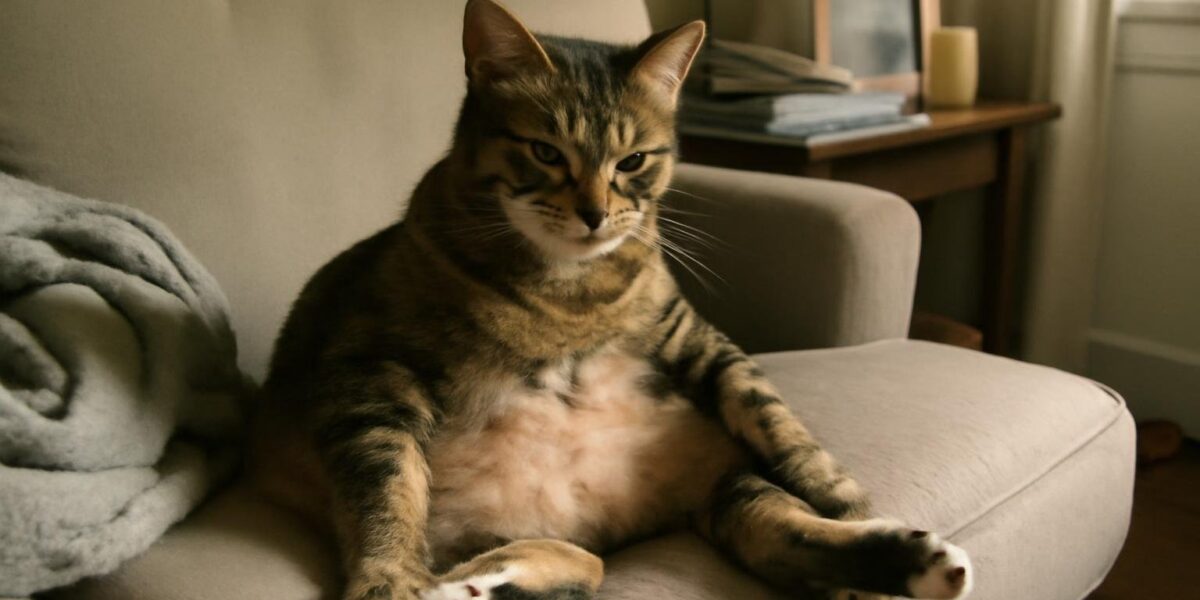
If your cat insists on curling up on your chest, your lap, or your feet the moment you settle down, you can feel flattered. Yes, it is completely normal for your cat to sleep on you — and it is one of the highest compliments a cat can give. When a cat chooses to sleep on you, it is telling you that it trusts you, feels safe with you, and considers you part of its inner circle. Far from being a problem, this cozy habit is a sign of a strong, loving bond between you and your feline companion.
In this article
Cats sleep a great deal — often 12 to 16 hours a day — and where they choose to do it says a lot about how secure they feel. Choosing you, a large and slightly unpredictable sleeping surface, over a quiet corner means your cat genuinely loves being close to you. This guide explains the reasons behind this sweet behavior, what is normal, and the occasional signs worth keeping an eye on.
Why Cats Choose to Sleep on Their Humans
When your cat sleeps on you, several instincts and emotions are at play. Understanding them helps you appreciate just how meaningful the gesture is.
- Trust and security: Sleeping is a vulnerable state, so choosing to do it on you means your cat feels completely safe in your presence.
- Warmth: You are a warm, living heat source, and cats love cozy warmth. Your body heat is irresistible at nap time.
- Bonding and scent: Cats are scent-driven, and sleeping on you mingles your scents, reinforcing your shared bond and marking you as “theirs.”
- Comfort and routine: Your steady breathing and heartbeat are soothing, much like a kitten resting against its mother.
- Safety in numbers: In the wild, sleeping close to trusted companions offers protection. You are part of your cat’s trusted group.
So when you ask is it normal for my cat to sleep on you, the answer is a warm yes. It is a natural expression of affection and trust. These bonding behaviors are part of a broader vocabulary of feline affection that we explore in our cat body language guide.
What This Cozy Habit Tells You
A cat sleeping on you is communicating contentment and connection. The specific spot your cat chooses can even hint at the flavor of affection involved, though all of them point to trust.
- On your chest: Your heartbeat and breathing are soothing, and being near your face suggests a deep bond.
- In your lap: A classic comfort spot that combines warmth, security, and closeness.
- On your feet or legs: Some cats prefer a little independence while staying connected to you and your warmth.
- By your head or on the pillow: Drawn to your warmth and scent, and a sign of strong attachment.
Whichever spot your cat picks, the underlying message is the same: it feels safe, warm, and bonded. This often comes hand in hand with other affectionate behaviors like purring and kneading, which we cover in our explainers on is it normal for my cat to purr constantly and is it normal for my cat to knead me. Together they paint a picture of a deeply contented cat.
The timing of when your cat chooses to sleep on you can be telling too. Many cats gravitate to their humans most at night or in the early morning, when the house is quiet and warm and the day’s activity has died down. A cat that pads onto your chest the moment you settle into bed, or that appears at dawn to curl against you, has woven you into its daily rhythm of rest. Others save their snuggling for evening downtime on the couch. Whatever the schedule, a cat that seeks you out at its most relaxed, vulnerable moments is showing you a level of trust it does not extend to just anyone.
Normal Variation: Not Every Cat Is a Lap Sleeper
Cats vary widely in how much physical closeness they want during sleep, and the full range is normal. Some cats are devoted lap and chest sleepers, while others prefer to sleep nearby — at the foot of the bed or in a chosen spot in the same room — without making direct contact. A cat that does not sleep on you is not failing to love you; it may simply express affection differently or run warm and prefer cooler spots.
Several factors influence whether a cat sleeps on its person:
- Personality: Some cats are cuddlers by nature, others are more independent.
- Temperature: Cats seek your warmth more in cold weather and may spread out alone when it is hot.
- Breed and history: Certain breeds and well-socialized cats tend to be more affectionate sleepers.
- Trust and time: Newer or shyer cats may take weeks or months before they feel secure enough to sleep on you.
A cat that has always slept on you and continues to do so is simply showing its loving nature. If it sometimes prefers a sunny windowsill or a cool tile floor instead, that is just normal variation in where it feels most comfortable on a given day.
Multi-pet households add another layer of normal variation. A cat that shares its home with other cats, a dog, or young children may be more selective about when and where it sleeps on you, choosing quiet moments when the household is calm. It may also rotate among several trusted family members rather than picking one person. None of this dilutes the affection behind the behavior. When your cat does choose to settle on you amid a busy home, it is carving out a moment of closeness that means just as much, and often more, because it has so many other options.
When Sleeping on You Is Worth a Closer Look
Sleeping on you is almost always a happy, healthy behavior. But as with any pattern, a sudden change can occasionally be meaningful. Keep an eye out and consider a veterinary check if you notice any of the following:
- A sudden, dramatic increase: A previously independent cat that abruptly cannot stop clinging and sleeping on you may be stressed, anxious, or unwell.
- Clinginess with other symptoms: Constant closeness paired with hiding at other times, appetite loss, weight loss, vomiting, or litter box changes.
- Signs of pain or seeking heat for relief: A cat that suddenly wants to press against you constantly may be seeking warmth or comfort because it feels unwell.
- Restlessness instead of rest: Unable to settle, repositioning constantly, or seeming uncomfortable rather than relaxed.
- Distress when separated: Excessive crying or anxiety when it cannot be on you, which can indicate separation anxiety.
For a senior cat, a new urge to seek warmth and closeness can sometimes reflect age-related changes or discomfort, so it is worth mentioning to your vet. Recognizing the difference between contented snuggling and anxious clinging is easier with our guide to cat stress signs. If increased closeness comes with any symptoms or your cat seems unwell, your veterinarian should evaluate it — a happy snuggle does not need a vet, but a sudden change paired with other signs does.
How to Enjoy and Manage the Habit
For most owners, a cat sleeping on you is a cherished part of the bond. If you want to encourage it, or gently manage it so everyone sleeps well, these tips help.
- Make yourself inviting. A warm blanket on your lap and calm, quiet time signal that you are open for cuddles.
- Keep a consistent routine. Predictable rest and bedtime habits help your cat feel secure enough to settle on you.
- Offer cozy alternatives nearby. A warm bed or perch next to you lets your cat stay close even when you need space.
- Respect your own sleep. If a cat on your chest disrupts your rest, gently encourage it to settle by your side or at your feet instead.
- Never punish the behavior. Pushing your cat away harshly can damage trust; redirect calmly instead.
- Watch the whole cat. Enjoy the snuggles, but stay aware of any sudden changes paired with other symptoms.
A cat that chooses to sleep on you has handed you its trust. When the snuggling is relaxed and your cat is otherwise healthy and happy, you can simply enjoy the warmth and take it as the loving compliment it is.
Frequently Asked Questions
Why does my cat always sleep on my chest?
Your chest offers warmth, the soothing rhythm of your heartbeat and breathing, and closeness to your face and scent. Sleeping there is a strong sign of trust and a deep bond. It is completely normal and affectionate behavior.
Does my cat sleeping on me mean it loves me?
In essence, yes. Sleeping is a vulnerable state, so choosing to do it on you shows your cat feels safe, secure, and bonded to you. It is one of the clearest signs of feline affection and trust.
Is it a problem if my cat does not sleep on me?
Not at all. Cats vary in how much contact they want. Many show affection in other ways and prefer to sleep nearby rather than on you, especially if they run warm. It does not mean your cat loves you any less.
Should I let my cat sleep on me every night?
That is a personal choice. It is healthy for your cat, but if it disrupts your sleep, you can gently encourage it to settle beside you instead. Providing a cozy bed nearby keeps your cat close without it being on top of you.
When should I worry about my cat suddenly sleeping on me more?
Worry if the increase is sudden and dramatic in a normally independent cat, or if it comes with hiding at other times, appetite or litter box changes, weight loss, restlessness, or signs of pain. These warrant a veterinary check.


