
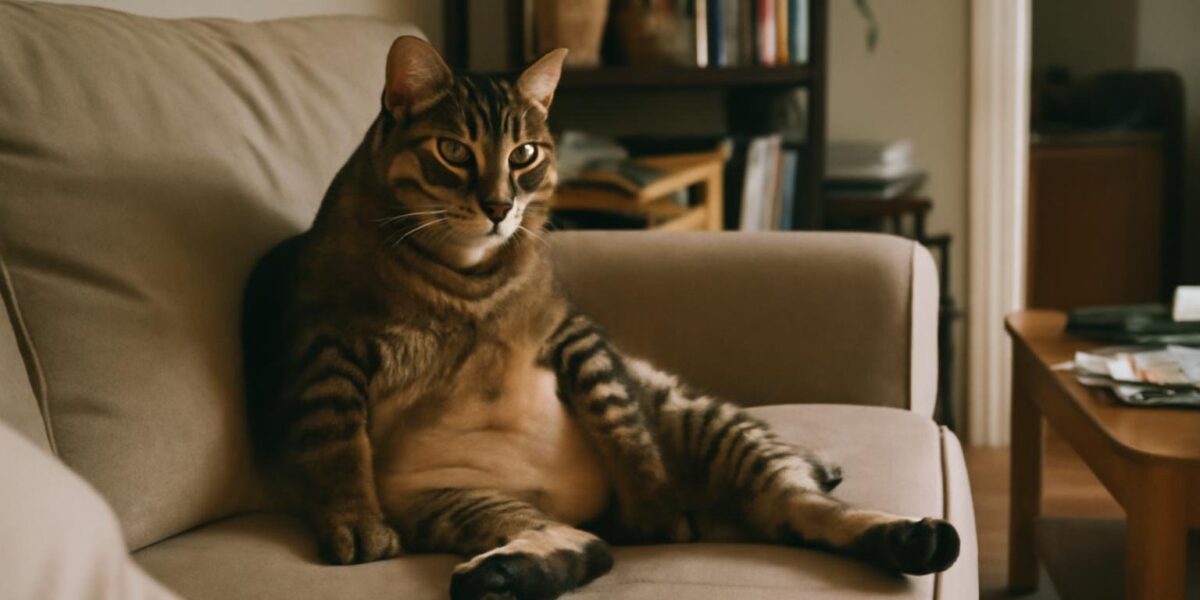
If your cat seems to have a near-permanent motor running, you can relax. Yes, it is usually normal for a cat to purr constantly, and in most cases it is a wonderful sign that your cat feels content, safe, and bonded to you. Purring is one of the most familiar and comforting sounds in the cat world, and a cat that purrs often is typically a happy cat enjoying its life. A frequent purrer that is also eating well, playing, and relaxed is simply a cat that has a lot to feel good about.
In this article
At the same time, purring is more complex than many people realize. Cats purr for several reasons beyond happiness, including self-soothing when stressed or in pain. So while constant purring is usually a good sign, it is worth understanding the full picture so you can recognize the rare occasions when purring is your cat’s way of coping rather than celebrating. This guide covers what purring means, the normal range, and when to take a closer look.
Why Cats Purr
Purring is produced by rapid, rhythmic movements of the muscles in a cat’s larynx (voice box) as it breathes in and out, creating that steady, soothing vibration. Kittens are born able to purr and start doing so within days of birth, purring while nursing as a way to communicate with their mother. This early bonding role hints at how deeply purring is tied to comfort and connection.
Cats purr for a range of reasons:
- Contentment: The most common reason — a relaxed, happy cat being petted, resting, or curled in your lap.
- Bonding and communication: Purring strengthens the connection between cats and their people, and between mothers and kittens.
- Seeking attention or food: Some cats use a special insistent “solicitation purr” to ask for meals or affection.
- Self-soothing: Cats may purr to calm themselves when nervous, stressed, or in pain.
- Healing: Research suggests the vibrations of purring may promote healing and ease discomfort.
So when you ask is it normal for my cat to purr constantly, the answer is yes in nearly all cases — especially when your cat looks relaxed and happy. To understand the many shades of purring, our guide to what cat purring means explores the surprising range of reasons behind the sound.
What Constant, Happy Purring Looks Like
When purring is the contented kind, it comes with a whole package of relaxed, happy body language. The purr is just one piece of a picture that says “all is well.”
Signs your cat’s frequent purring is the joyful kind include:
- Relaxed posture — loose body, half-closed eyes, slow blinks
- Kneading with the paws while purring
- Seeking out your lap or curling up against you
- An upright, gently curved tail and forward or relaxed ears
- Normal eating, playing, and grooming
- Head-butting, rubbing, and other affectionate gestures
A cat that purrs whenever it is petted, settles into your lap, or naps in a sunbeam is expressing pure contentment. Purring often pairs with kneading, another comfort behavior we cover in our explainer on is it normal for my cat to knead me. Together, these are the hallmarks of a securely bonded, happy cat.
The setting in which your cat purrs is just as informative as the purr itself. A purr that switches on the instant you sit down to pet your cat, that grows louder as you scratch its favorite spot, and that fades as your cat drifts off to sleep is unmistakably a happy purr. There is no fear, no tension, and nothing for your cat to soothe — only enjoyment of the moment. When you can clearly see the pleasant context driving the purr, you can take it at face value and simply enjoy the warm rumble in your lap.
Normal Variation: Some Cats Are Big Purrers
Just as some people are more expressive than others, some cats purr far more readily and loudly than their feline peers — and this is perfectly normal. One cat may purr only during the deepest cuddle sessions, while another rumbles the moment you walk into the room. Volume varies too; some purrs are barely audible, others can be heard across the room.
A cat’s purring style is influenced by personality, breed, early experiences, and its bond with you. Cats that were well socialized and feel secure tend to purr more freely. A naturally affectionate, social cat that purrs almost any time it is near you is simply wearing its heart on its sleeve.
This kind of constant, happy purring is something to enjoy, not worry about. The only time frequent purring warrants a second look is when it appears alongside signs of stress, pain, or illness rather than relaxation — which is where honest observation comes in.
Life stage shapes purring habits too. Kittens purr almost constantly as they nurse and snuggle with littermates, and a young cat raised in a warm, secure home often carries that free-flowing purr into adulthood. Older cats may purr more as they seek out comfort and warmth, settling into laps and sunny spots and rumbling away. As long as the purring comes with the relaxed posture and contented behavior described above, an especially purr-happy cat at any age is simply a cat that has learned the world is a good place — exactly what every owner hopes for.
When Purring Is NOT a Happy Sign
Because cats also purr to self-soothe, purring is not always a sign of happiness. The context and accompanying signs tell you whether your cat is content or coping. Pay attention and consult your veterinarian if purring comes with any of the following:
- Signs of pain or distress: Purring while hunched, hiding, reluctant to move, or guarding a body part.
- Labored or rapid breathing: Purring combined with open-mouth breathing or visible effort to breathe is an emergency.
- Tense body language: Flattened ears, dilated pupils, a tucked tail, or a tense posture rather than relaxed contentment.
- Appetite loss or lethargy: Purring alongside not eating, low energy, or withdrawal.
- A change in the purr itself: A new, raspy, weak, or unusual sound, which can signal a respiratory or throat issue.
- Purring during obvious stress: At the vet, after an injury, or during a frightening event — here purring is a coping mechanism, not joy.
Cats are masters at hiding pain, and purring can mask discomfort, so never assume a purring cat must be fine if other signs say otherwise. Learning to spot tension helps; our guide to cat stress signs explains the body language that distinguishes a happy purr from a self-soothing one. If purring is paired with breathing trouble or signs of pain, treat it as urgent and contact your vet. Home observation never replaces professional veterinary care when your cat seems unwell.
How to Encourage Happy Purring
For a content purrer, the goal is simply to keep your cat feeling safe, loved, and engaged. A few habits nurture that happy rumble.
- Spend quality time together. Gentle petting, lap time, and calm companionship invite contented purring.
- Learn your cat’s preferences. Notice where your cat loves to be touched — many enjoy cheeks, chin, and the base of the ears.
- Provide a secure environment. Predictable routines, safe retreats, and a calm home help your cat feel relaxed enough to purr freely.
- Offer enrichment and play. A stimulated, satisfied cat is a happy, purring one.
- Respect boundaries. Let your cat come to you and stop petting if it tenses, so closeness always stays positive.
- Watch the whole picture. Pair the purr with body language and behavior to be sure it reflects contentment.
A cat that purrs constantly out of contentment is one of the great joys of sharing your home with a feline. When the purr comes with relaxed eyes, a soft body, and an affectionate nuzzle, you can take it as the compliment it is. The takeaway is simple: in nearly all cases, frequent purring is your cat’s way of telling you it feels safe and loved. Read the purr together with the rest of your cat’s body language and overall health, enjoy the steady rumble that means all is well, and reserve concern for the rare times the purr appears with signs that your cat is coping rather than celebrating.
Frequently Asked Questions
Does constant purring always mean my cat is happy?
Most of the time, yes — especially when your cat is relaxed and showing happy body language. But cats also purr to self-soothe when stressed or in pain, so check the context. Purring with tension, hiding, or breathing trouble is not a happy sign.
Why does my cat purr so much more than other cats?
Purring frequency and volume vary by personality, breed, socialization, and bond. Some cats are simply big, expressive purrers, and a naturally affectionate, secure cat may purr almost any time it is near you. This is normal.
Can cats purr when they are in pain?
Yes. Cats sometimes purr to comfort themselves when hurt, anxious, or unwell. If purring comes with hunching, hiding, reluctance to move, appetite loss, or labored breathing, it may be self-soothing, and you should see your vet.
What is a solicitation purr?
A solicitation purr is a special, more insistent purr some cats use to ask for food or attention, often mixed with a higher-pitched cry. It is a normal way cats communicate their wants and is nothing to worry about.
Should I worry if my cat’s purr suddenly sounds different?
A sudden change in the purr — raspy, weak, or unusual — can signal a respiratory or throat issue, especially with other symptoms like coughing, congestion, or appetite loss. Have your veterinarian check it out.


