Last updated: May 4, 2026
In this article
- Jack Russell vs Rat Terrier at a Glance
- History and Origin
- Size and Appearance
- Temperament and Personality
- Trainability and Mental Stimulation
- Exercise Needs
- Grooming and Coat Care
- Health and Lifespan
- Rescue Availability and Cost
- Living Day-to-Day with a Working Terrier
- Compared with Other Small Dogs and Terriers
- Which Is Right for You
- Adoption Process and Preparation
- Frequently Asked Questions
Jack Russell vs Rat Terrier at a Glance
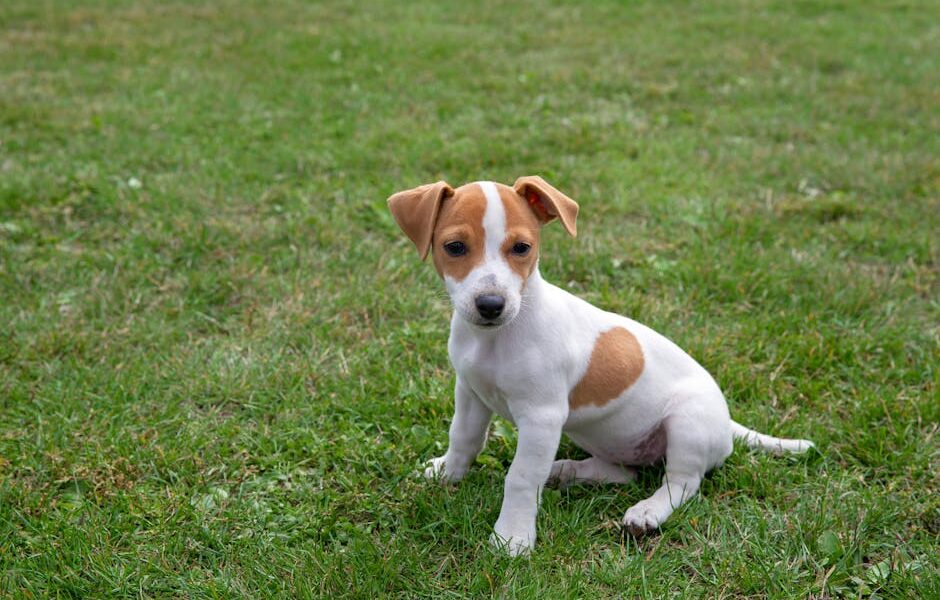
The jack russell vs rat terrier comparison is one of the closer-related debates in the small-terrier world. The two breeds look almost identical to the casual observer — small, smooth-coated, mostly white with patches, athletic and alert — and they share a working-terrier heritage. They differ in origin (English fox-bolting vs American farm rat-control), build proportions, drive style, and temperament. Both are spectacular small dogs in the right home and both will run a wrong-fit owner ragged.
In short: the Jack Russell Terrier is an English-bred fox-hunting terrier developed in the 1800s by the Reverend John Russell to bolt foxes from earth dens — short-legged, sturdy, tireless, and intense. The Rat Terrier is an American working farm dog refined in the late 1800s and early 1900s for vermin control on rural properties — slightly more variable in build, slightly milder in drive on average, and a bit more biddable.
Below we compare them across origin, build, temperament, training, exercise, health, grooming, and rescue realities so you can pick the right small working terrier for your home.
History and Origin
The Jack Russell Terrier was developed in southern England in the early 1800s by the Reverend John “Jack” Russell, a fox-hunting parson who wanted a small, white-bodied terrier (so hunters could distinguish it from the fox in the field) capable of going to ground and bolting fox from underground dens. The breed’s working ability was prioritized over appearance for over a century, and modern Jack Russells still vary slightly in size and coat type as a result.
The Rat Terrier is an American farm dog refined in the late 1800s and early 1900s by combining working terrier stock from English and Manchester Terriers with whippets, Italian Greyhounds, and Beagles. The result was a versatile small farm dog used for hunting rats, squirrels, and other vermin, plus general companion duty. Theodore Roosevelt is widely credited with promoting the breed and naming it.
Size and Appearance
Jack Russells stand 10 to 15 inches at the shoulder and weigh 13 to 17 pounds. The body is compact and rectangular, slightly longer than tall, with a deep chest and short straight legs. Three coat varieties exist: smooth, broken, and rough, all predominantly white with black, brown, or tan markings (most often on the head). The tail is traditionally docked to a working length.
Rat Terriers are slightly more variable in size — there are three accepted sizes (toy, miniature, and standard) ranging from 8 to 18 inches and 10 to 25 pounds. The coat is short and smooth in pied (white with patches), tricolor, or solid colors. Ears are typically erect or button (folded), and the body is similar to a Jack Russell’s but often slightly leaner and longer-legged.
Read the Jack Russell Terrier breed profile and rat terrier breed profile for full standards.
Temperament and Personality
Jack Russells are intense. They have very high prey drive, work ethic, and bold confidence — they will take on dogs much larger than themselves and will go after squirrels, cats, or anything that moves with focused commitment. They bond closely with family but tend to be one-person dogs and may be reactive with other dogs. Boredom equals destruction.
Rat Terriers are slightly milder on average. They retain working terrier prey drive and tenacity but are more biddable, more sociable with other dogs, and slightly more tolerant of family chaos. They bond closely with family and tend to be friendlier with strangers than Jack Russells.
Both breeds are vocal, alert-bark prone, and need real socialization to prevent the working-terrier protective instinct from becoming reactivity in adult dogs. Read our adopting a rescue Jack Russell Terrier guide for placement insights.
Trainability and Mental Stimulation
Both breeds are intelligent and learn cues quickly, but they handle differently. Jack Russells are intense and stubborn — they decide whether complying is worth their attention, and they need consistent handling to stay biddable. Force-free, reward-based methods work but require persistence.
Rat Terriers are slightly more biddable and tend to respond faster to training. They excel at agility, obedience, scent work, earthdog trials, and trick titles. Sessions should be short, varied, and reward-rich for both breeds.
Both breeds need 30 to 45 minutes of daily mental work — puzzle feeders, training sessions, scent games, or short structured play — on top of physical exercise. Without it, you will see digging, barking, and destructive chewing.
Exercise Needs
Jack Russells need 60 to 90 minutes of vigorous daily exercise — running, hiking, structured play, and ideally an outlet like earthdog trials, agility, or scent work. They are tireless and will keep going long after most owners are ready to stop.
Rat Terriers need 45 to 60 minutes of daily moderate-to-vigorous exercise. They are slightly less obsessively driven than Jack Russells and tend to settle in the house better after their needs are met.
Both breeds are poor off-leash recall candidates because of prey drive — secure-fenced areas or long lines are the realistic baseline.
Grooming and Coat Care
Smooth Jack Russells need a weekly rubber-mitt brush; broken and rough varieties need brushing two to three times weekly plus periodic stripping. All shed lightly year-round.
Rat Terriers need a weekly rubber-mitt brush — the short coat is low-maintenance and sheds moderately year-round. Both breeds need standard nail, dental, and ear care.
Health and Lifespan
Both breeds typically live 13 to 16 years. Common health concerns include:
- Patellar luxation in both breeds.
- Lens luxation and progressive retinal atrophy — Jack Russells particularly.
- Legg-Calvé-Perthes disease in young dogs of both breeds.
- Deafness in heavily white-coated dogs of both breeds.
- Cardiac conditions — Rat Terriers face elevated rates of certain heart issues.
Both breeds are generally healthy and long-lived for small dogs. A baseline vet exam and breed-specific genetic screening are smart first steps for adopted dogs.
Rescue Availability and Cost
Both breeds turn up in rescue regularly. Jack Russells are over-represented in shelters from popularity-driven misadoption — many families adopt for the spunky-small-dog image and discover the work requirement is closer to a Border Collie’s. Rat Terriers are slightly less common in rescue but breed-specific rescue networks operate nationally. Adoption fees run $200 to $450 through breed-specific or all-breed rescues.
Read the all-breed vs breed-specific rescue comparison and browse current listings at adopt a dog.
Foster-based rescues commonly handle terriers and produce the most reliable placement information. A foster home that has lived with the dog for weeks can tell you exactly how the dog handles cats, kids, alone time, leash work, and resource guarding — information no shelter kennel can produce reliably. Read our foster-based rescue explained walkthrough and the adopting from a foster guide.
Living Day-to-Day with a Working Terrier
The honest reality of living with either breed is that the working-terrier brain never turns off. A Jack Russell or Rat Terrier that has not been engaged by mid-morning will spend the day digging, barking, dismantling toys, fence-running, or fixating on squirrels through the window. The owner’s job is to channel that drive into appropriate outlets before the dog channels it inappropriately.
Both breeds excel at earthdog trials, barn hunt, agility, scent work, and structured fetch. Many also do well in obedience and trick-titling competitions when handled with patience. Without an outlet, both will invent jobs — and the invented jobs are rarely what the household wants.
Both breeds dig. Yards need either acceptance of digging or designated dig zones with reinforced training. Both breeds also bark at moderate-to-high frequency — alert-barking, prey-driven barking, and play barking are working-terrier traits. Training a quiet cue helps but acceptance of vocal output is the realistic standard.
Both breeds bond closely with family but tend to be one-person or one-couple dogs. Adult-rescue placements work best when the household has stable routines and patient training expectations. Read our adopting an adult dog guide for placement insights.
Compared with Other Small Dogs and Terriers
Both breeds get cross-shopped against other small dogs that look like easy companions. The reality: working terriers are working dogs in a small frame, not lap dogs that happen to be lively. Compare to other small breed comparisons across the site for context, and use the 3-3-3 rule framework when settling in any rescue.
For families wanting a small companion without working-terrier intensity, the Welsh corgis, Shiba Inu, or many small-mix rescues are alternatives worth considering. For families committed to the working-terrier silhouette and capable of meeting daily exercise and mental work requirements, both Jack Russell and Rat Terrier deliver decades of intense companionship in a compact package.
Which Is Right for You
Choose a Jack Russell Terrier if you want an intense, athletic, high-drive small terrier and you can offer 60 to 90 minutes of structured daily exercise plus mental work. Jack Russells suit experienced terrier owners with a sport or working outlet.
Choose a Rat Terrier if you want a slightly milder, more biddable, more multi-pet-friendly small working terrier. Rat Terriers fit families and active singles well, with somewhat less intense daily demands than Jack Russells.
For both breeds, the working-terrier brain is the key reality. Use the decompression period framework when settling in any rescue.
Adoption Process and Preparation
Adopting either breed is a multi-step process that typically takes two to six weeks. Reputable terrier rescues require an application, references (including a vet reference for any other animals), a phone screening, and often a home check. Many breed-specific rescues include questions about prey-drive management and yard security because both breeds are notorious escape artists.
Preparation before bringing the dog home includes: securing the yard (six-foot fencing minimum, dig-proof bottom edge — terriers will dig out), sourcing a properly-fitted harness, planning for daily structured exercise from the first week, and lining up training resources. Read our rescue adoption application walkthrough for the application side and our first week with a rescue dog guide for the settling-in side.
Frequently Asked Questions
Are Jack Russells and Rat Terriers related?
Distantly. Both descend from working English terrier stock, but Rat Terriers also have whippet, Italian Greyhound, and Beagle heritage. They are recognized as separate breeds by major kennel clubs.
Which is better with kids?
Rat Terriers are typically more tolerant of family chaos and slightly better with young children. Jack Russells need more socialization and supervision around kids; their intensity can be overwhelming. Older, calm households suit both better.
Can they live with cats?
Rat Terriers often can with proper introduction. Jack Russells are higher prey drive and more variable — many are unsafe with cats, case-by-case with rescue input. Slow introductions matter.
Do they bark a lot?
Both bark moderately to heavily — alert-barking and prey-driven vocalizing are working-terrier traits. Training a quiet cue early helps either breed.
Are they good first dogs?
Rat Terriers can work for prepared first-time owners; Jack Russells are generally better as second or third dogs. Both need the structured exercise routine before the dog arrives, not after.
Looking to adopt a Jack Russell vs Rat Terrier Comparison?
Browse Jack Russell vs Rat Terrier Comparison dogs and mixes available for adoption from shelters and rescues near you.
Find Jack Russell vs Rat Terrier Comparison Dogs for Adoption