Last updated: May 4, 2026
In this article
Lowchen Overview
This lowchen breed profile introduces one of Europe’s oldest and rarest companion breeds, often called the “little lion dog” thanks to a traditional clip that leaves the front of the body in full coat and the rear shaved short to evoke a lion’s mane and hindquarters. The Lowchen (LERV-shen) sits in the small companion family alongside the Bichon Frise, Havanese, and Coton de Tulear, and shares the warm temperament and devoted-companion role those breeds were bred for. The exact country of origin is debated — Germany, France, and Belgium all claim historical ties — and what is consistent is that the breed has been a small European companion for at least four hundred years.
The honest version is that the Lowchen is a delightful small companion breed, generally well-suited to apartment life and family households, with one significant practical caveat: they are genuinely rare. World population numbers are low, prices for puppies from established breeders are high, and adoption from rescue is uncommon. Adopters drawn to the appearance often have to consider similar breeds in the same family that are more readily available.
Quick facts: Group: companion / non-sporting. Origin: continental Europe (debated). Size: 11–14 inches, typically 8–18 pounds. Coat: long, wavy, single-layered, all colors permitted. Energy: moderate. Lifespan: 13–15 years. Grooming: regular brushing and traditional or modified clipping. Best for: companion-focused homes, older or quiet households, owners who appreciate small European breeds.
History and Origin
The Lowchen has been depicted in European art since the sixteenth century, most often shown in the lion clip on the laps of European nobility and middle-class women. The breed’s continental European origin is well-established, but the precise country is contested — Germany has the most consistent historical claim and gives the breed its German name, while French and Belgian lines also developed. By the early twentieth century the population had collapsed; the breed was at one point listed as one of the world’s rarest breeds.
Modern breed reconstruction began in the mid-twentieth century with European breeders working from a small number of remaining dogs. Recognition followed: FCI, AKC (Non-Sporting Group, 1996), and major European registries all maintain the breed today. The world population remains small but stable, and the breed is no longer at extinction risk. Most modern Lowchen come from a small network of careful breeders, and the breed appears in rescue infrequently.
Temperament and Personality
Expect affectionate, intelligent, playful, and people-focused. The Lowchen is bred to be a companion, full stop, and the temperament reflects that. They bond closely with the family and want to be involved in daily activity. Lap time is welcome; they are also playful and active enough to enjoy walks, training, and structured play.
Compared to similar breeds, the Lowchen tends to be slightly more outgoing than a Coton de Tulear and slightly more biddable than some lap-bred breeds. They are alert and may bark at unusual sounds, but they are not the high-vocal watchdog the Schipperke or Finnish Spitz is — barking is moderate by small-breed standards.
The breed is generally good with children, particularly older or calmer kids who handle small dogs gently. Lowchen typically get along with other dogs and with cats, especially when raised with them. Force-free training works very well; the breed is sensitive and responsive to praise and reward.
Size and Appearance
The Lowchen is small and balanced. Adults stand 11–14 inches at the shoulder and weigh 8–18 pounds. The build is sturdy for the size — square in proportion, well-muscled without being heavy, and clearly athletic enough for moderate activity.
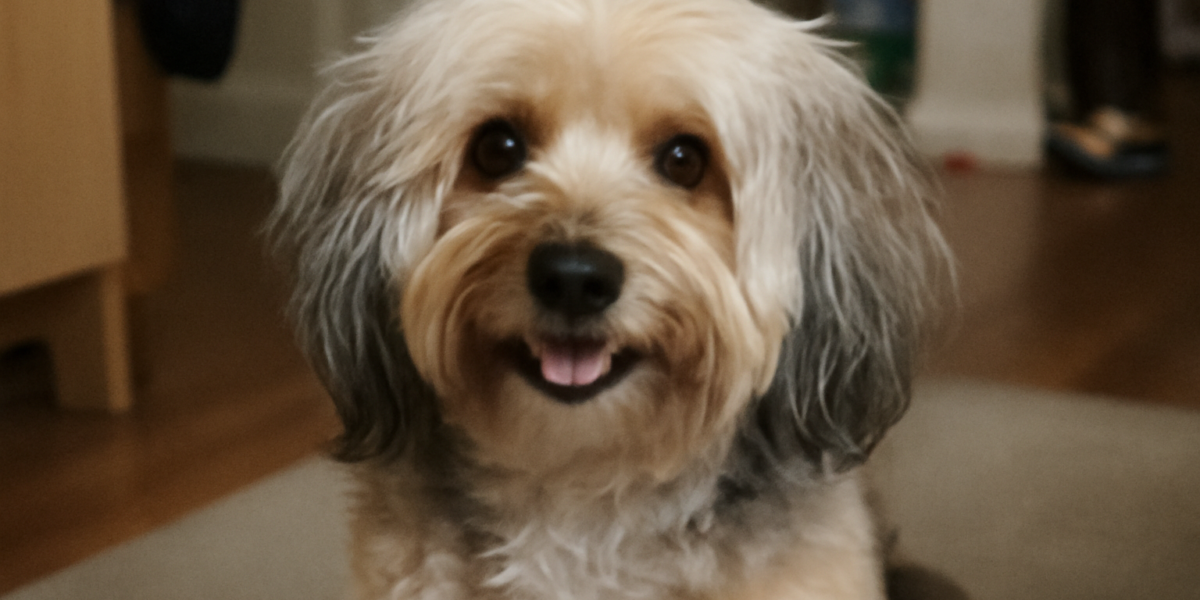
The coat is long, wavy, and single-layered, with no undercoat. All colors are permitted by major breed standards, including parti-color, sable, and solid colors. The traditional show clip leaves the front in full coat and the rear shaved to the hips with cuffs of hair on the legs and a tuft on the tail — the “lion” clip that named the breed. Many pet owners choose a fully grown-out coat or a more practical pet trim for daily life. The face is bright and expressive, the ears drop, and the tail is carried in a gentle curve.
Exercise and Activity Needs
The Lowchen is moderately active. A daily walk plus indoor play and brief training sessions usually meets exercise needs. They enjoy outings, agility for small dogs, and structured play, but they do not require the daily distance running some other breeds need. Apartments suit the breed well as long as exercise is consistent.
Off-leash work outside fenced spaces is reasonable for trained Lowchen — the breed is not known for distance-running prey drive in the way sighthounds or primitive breeds are — but recall should still be trained carefully and not assumed in unfamiliar environments. The breed is typically reliable with consistent training, more so than primitive or independent breeds.
Grooming and Care
The single coat does not shed in the way double-coated breeds do, but it does require regular grooming to stay manageable. Plan for brushing every 2–3 days at minimum, plus a thorough comb-through weekly to prevent mats. Professional grooming every 6–8 weeks is typical for pet trims; show-coat lion clips require more.
The lack of an undercoat makes the breed somewhat more comfortable in warm weather than double-coated companions, but also less protected in cold weather — coats and jackets help in winter. Standard small-dog maintenance otherwise: monthly nail trims, regular ear cleaning (drop ears can hold moisture), brushing teeth regularly, and weight management. Dental care matters significantly for small dogs across the lifespan.
Health and Lifespan
The Lowchen is generally a healthy breed thanks to careful breeding from a small but well-managed gene pool. Concerns to discuss with a vet include patellar luxation, hip dysplasia (less common at the small size), eye conditions including progressive retinal atrophy, and the typical small-dog dental concerns. Cardiac screening is reasonable in adult dogs.
Lifespan is typically 13–15 years. Annual wellness exams, dental care, weight management, and a quality diet cover most needs. The small gene pool means breed-specific health information matters; reputable breeders test extensively, and rescue Lowchen with unknown background should have a thorough initial vet workup.
Living With a Lowchen
The functional setup is a companion-focused home where the dog is not left alone for long stretches. The breed bonds tightly to the family and prefers involvement in daily life. Apartments work well; suburban homes with a small fenced yard work well; the breed adapts to most living situations as long as the human time and attention is there.
Children, other dogs, and cats are typically fine with the Lowchen, particularly when raised together. The breed is not naturally fragile but small-dog precautions still apply — supervising young children, preventing falls from furniture, and watching around larger dogs that play roughly.
Training and Socialization
Start socialization early. Calm exposure to people, dogs, environments, and handling builds a confident adult. Force-free training methods work very well — the breed is sensitive, intelligent, and eager to engage. Sessions can be short, varied, and reward-based, and most Lowchen pick up basic obedience quickly.
Realistic obedience expectations: solid sit, down, stay, leave-it, and a reasonable recall in moderate distractions. The breed is more biddable than primitive or independent breeds, but still benefits from consistent training across the lifespan. Read dog body language as a foundation. Compare with the related Havanese and Coton de Tulear for similar small-companion options that are more readily available.
Is the Lowchen Right for You?
The Lowchen suits companion-focused adopters who want a small, devoted, generally biddable dog and who can commit to regular grooming. They suit apartment dwellers, families with calm children, older adopters, and households that want an involved small companion. They do not suit homes that need a hardy outdoor dog or a watchdog with high alert behavior.
If the Lowchen is unavailable in your area or out of budget, look at the Havanese, Coton de Tulear, or Bedlington Terrier as related options with similar small-companion temperament. Read the 3-3-3 rule before bringing any rescue home, and visit the adopt a dog hub to look for available Lowchen and similar small companion breeds.
Frequently Asked Questions
Why is the Lowchen called the “little lion dog”?
The traditional show clip leaves the front of the body in full coat and the rear shaved with cuffs of hair on the legs and tail tuft, evoking a lion’s mane and hindquarters. The clip is centuries old and is depicted in European art back to the sixteenth century.
Are Lowchen hypoallergenic?
The single, low-shedding coat makes the breed a better choice for some people with mild dog allergies, but no breed is truly hypoallergenic. Spend time with the breed before committing if allergies are a concern.
Are Lowchen good family dogs?
Yes. The breed is companion-focused, generally good with children (especially calmer or older kids), and adapts well to family households. Standard small-dog supervision around young children applies.
How much grooming does a Lowchen need?
Brushing every 2–3 days plus weekly thorough combing, plus professional grooming every 6–8 weeks. The single coat does not shed much but mats easily without consistent attention.
Where can I adopt a Lowchen?
Through breed-specific rescues (Lowchen Club rescue networks exist in the US, UK, and Europe) and occasionally through general shelters. The breed is rare and waitlists for both rescue and breeders are common. Visit the adopt a dog hub to start.
Looking to adopt a Lowchen Breed Profile?
Browse Lowchen Breed Profile dogs and mixes available for adoption from shelters and rescues near you.
Find Lowchen Breed Profile Dogs for Adoption