
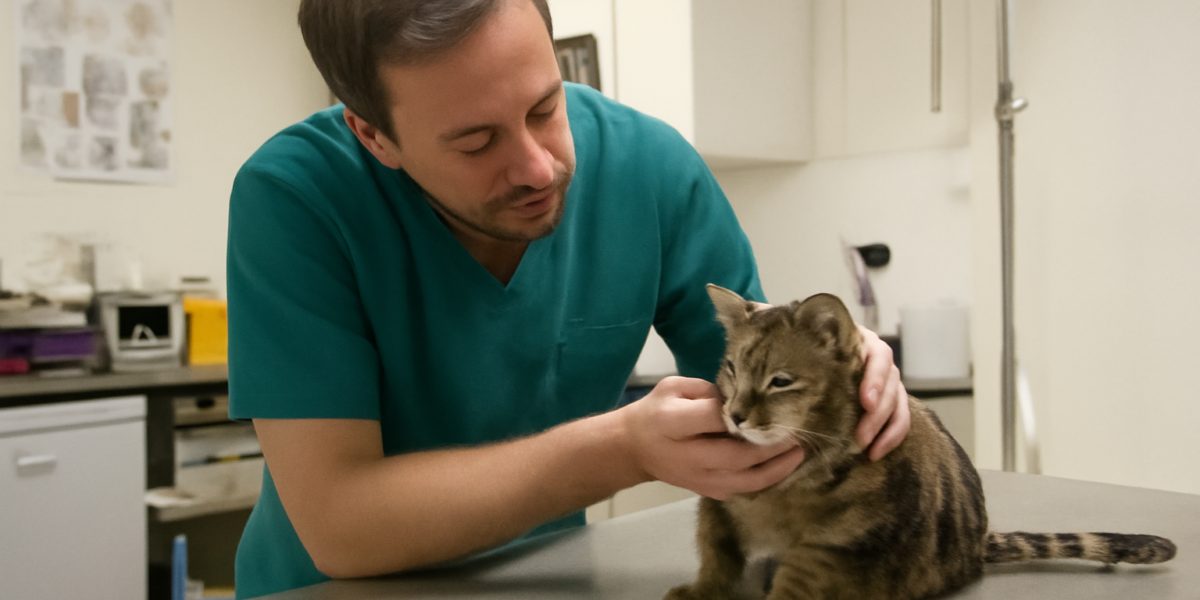
What Mammary Tumors Are
Mammary tumors in cats are growths that develop in the mammary chain, the row of nipples and underlying glandular tissue running along your cat’s belly. Unlike in dogs, the great majority of feline mammary tumors are malignant, which makes any new lump in this area a real cause for concern and a reason to call your veterinarian sooner rather than later.
In this article
- What Mammary Tumors Are
- Why Early Spaying Matters So Much
- Recognizing the Signs
- How Veterinarians Diagnose the Disease
- Surgical Treatment
- Chemotherapy and Adjunct Therapies
- What Influences Prognosis
- Recovery, Pain Management, and Long-Term Follow-Up
- Quality of Life and Comfort Care
- How Mammary Tumors Connect to Other Feline Cancers
- When to Call Your Veterinarian
- Frequently Asked Questions
The disease most often affects middle-aged to senior intact female cats, although spayed females and even male cats can occasionally be diagnosed. Once a tumor is confirmed, time matters. Mammary cancer in cats tends to grow quickly, invade local tissue, and spread to lymph nodes and lungs if not addressed promptly.
The encouraging news is that early spaying offers strong protection, and once a tumor appears, aggressive surgical treatment can give many cats meaningful additional time. Recognizing what to look for and acting fast is the single most useful thing an owner can do.
Why Early Spaying Matters So Much
The relationship between reproductive hormones and mammary cancer in cats has been studied for decades, and the takeaway is consistent: cats spayed before their first heat have a dramatically lower lifetime risk than those spayed later or left intact. Spaying a cat before about six months of age provides the strongest protection, with diminishing benefit the longer surgery is delayed.
Hormonal birth control medications used in some intact cats also raise mammary cancer risk over time and are generally not recommended for long-term use. If you adopted an adult intact cat, talk with your veterinarian about the right time to spay; the benefits still apply, even if not as strongly as with kittens.
For shelters and rescues, this is a meaningful public health message. Spaying not only prevents unwanted litters but also protects against several reproductive cancers and serious uterine infections. It is one of the most impactful preventive interventions in feline medicine.
Recognizing the Signs
Most owners first notice mammary tumors during a casual belly rub or while the cat is grooming. The lumps may be small and pea-sized at first, often felt under the skin near or just beside a nipple. As the disease progresses, lumps can grow rapidly, ulcerate, ooze, or become painful to the touch.
Multiple lumps are common, sometimes scattered along several glands on one or both sides of the chain. Nipple discharge, redness, swelling, or a sore that will not heal are all worth investigating right away. Cats with advanced disease may stop eating well, lose weight, or seem less playful as the cancer takes a toll.
Because cats hide pain so well, you may not see an obvious change in behavior even with a sizable tumor. That is why hands-on petting, monthly belly checks, and routine veterinary exams matter, especially for senior cats and those who were spayed late or never spayed.
How Veterinarians Diagnose the Disease
Diagnosis begins with a physical exam and careful palpation of the entire mammary chain and the nearby lymph nodes. A fine-needle aspirate of a lump can sometimes give a quick clue, but the most reliable answer comes from a biopsy, often taken at the time of surgical removal so the tumor type and grade can be confirmed.
Staging tests help your veterinarian understand whether the disease has spread. Chest X-rays or CT scans look for lung metastasis, abdominal ultrasound checks the lymph nodes, liver, and spleen, and bloodwork evaluates overall health and surgical readiness. Some cats also need a pre-anesthetic cardiac screen, especially older cats and breeds prone to heart disease.
Your veterinarian may also want to test for FeLV and FIV, since these viruses can affect immune function and treatment decisions. A complete picture, including bloodwork, imaging, and tumor pathology, lets your veterinary team and a veterinary oncologist tailor a plan that fits your cat.
Surgical Treatment
Surgery is the cornerstone of treatment for most mammary tumors cats are diagnosed with. The recommended approach is usually aggressive: a complete unilateral or bilateral mastectomy, removing the entire mammary chain on one or both sides along with the associated lymph nodes. This is more extensive than many owners expect, but it offers the best chance to prevent local recurrence.
It sounds drastic, but most cats recover quickly. Pain is well controlled with modern multimodal anesthesia and post-operative medications. Within two to three weeks, most patients are walking, eating, and grooming normally. The skin heals well, and after the fur regrows, the surgical site is often barely noticeable.
Smaller, less aggressive procedures, such as removing only the lump or one gland, are sometimes considered for very small tumors or for cats whose health does not allow longer surgery. Your surgeon will help you weigh thoroughness against anesthesia time. In general, more complete surgery means a lower chance of recurrence.
Chemotherapy and Adjunct Therapies
Because feline mammary cancer is so often malignant and prone to spread, many oncologists recommend chemotherapy after surgery, particularly for tumors that are large, high-grade, or have spread to lymph nodes. Common protocols use medications such as doxorubicin, sometimes combined with other agents, given as a series of intravenous treatments over several weeks.
Cats generally tolerate chemotherapy better than people do. Side effects are usually milder, hair loss is rare, and most patients keep their normal personality and appetite throughout treatment. Your oncologist will monitor bloodwork and adjust dosing to keep your cat comfortable.
Radiation therapy plays a smaller role in feline mammary cancer than in some other tumors but may be considered when surgical margins are incomplete or when the disease is locally advanced. New immunotherapies and targeted treatments are being studied, and clinical trials may be available at some specialty centers.
What Influences Prognosis
Several factors shape outcomes for cats with mammary tumors. Tumor size is one of the strongest predictors: smaller tumors, especially those under a couple of centimeters at diagnosis, tend to have far better outcomes than larger ones. Histologic grade, whether lymph nodes are involved, and whether there is evidence of spread to the lungs all matter, too.
Your veterinary oncologist will translate these findings into honest expectations about how long treatment may help and what side effects to anticipate. Survival times vary widely between cats, from several months to several years, depending on the combination of factors. Aggressive surgery combined with chemotherapy generally provides the best chance of meaningful additional life.
Decisions about how far to go with treatment are deeply personal. Cost, access to specialty care, your cat’s age and other health issues, and your own comfort with the journey all factor in. There is no single right answer, only the right one for your family.
Recovery, Pain Management, and Long-Term Follow-Up
Coming home after a mastectomy is a careful process. Your cat will likely have stitches or staples, possibly a soft recovery suit, and a list of post-op instructions. Quiet, restricted activity for two to three weeks helps the long incision heal. Stairs, jumping, and other cats wrestling with the patient are best limited during this time.
Your veterinarian will prescribe appropriate pain medication. Never give human pain relievers, especially acetaminophen or ibuprofen, to a cat; many over-the-counter drugs are toxic to cats even in small amounts. If you feel your cat seems uncomfortable on the prescribed plan, call your vet rather than adjusting on your own. Litter box adjustments, soft bedding, easy-to-reach food and water, and gentle attention all support healing. Watch the incision daily for redness, swelling, or discharge, and call if anything looks off. Most cats are back to themselves within a few weeks.
After recovery, regular rechecks are an essential part of care. Your veterinarian will examine the chest, palpate the surgical site and remaining mammary glands, and check lymph nodes for any sign of recurrence. Repeat chest X-rays at intervals look for new lung metastasis even in cats that initially seemed clear. If chemotherapy is part of the plan, treatments are usually given every two to three weeks at a specialty clinic, with bloodwork before each dose. Your oncologist will discuss the protocol’s duration, typically a few months, and adjust based on response. Cats often continue to play, eat, and engage with the family throughout.
At home, monthly belly checks become part of life. Run your hand gently along the chest and belly, feeling for any new lumps. Catching recurrence or a new tumor early gives you more options. Bring questions to every recheck; you are part of the care team.
Quality of Life and Comfort Care
For cats whose tumors are not surgical candidates, or whose families choose comfort care, palliative options can keep them comfortable for weeks to months. Pain control, appetite stimulation, careful wound care for ulcerated tumors, and gentle daily routines all help. Your veterinarian can guide a hospice approach.
Quality-of-life scales are useful for tracking how your cat is doing day to day. Look at appetite, hydration, hygiene, mobility, social interest, and the balance of good days versus difficult ones. When the difficult days outnumber the good, a frank conversation with your veterinarian about humane euthanasia is part of compassionate care.
Grief is real, and pet loss is a profound experience. Lean on friends, family, and any pet loss support resources your veterinary team recommends. Caring for a cat through cancer is hard, and your love and attention have made a real difference no matter how the story ends.
How Mammary Tumors Connect to Other Feline Cancers
Mammary cancer is one of several malignancies veterinary oncologists treat in cats. Reading about lymphoma in cats can help you understand the broader principles of feline oncology, including staging, treatment, and quality-of-life decisions. Many of the same concepts, careful diagnosis, multimodal therapy, and ongoing monitoring, apply across cancer types.
Other chronic conditions in older cats, such as chronic kidney disease, sometimes coexist with cancer and influence treatment choices. Your veterinarian will balance the whole picture when designing a plan that fits your cat. Senior wellness checks, twice a year if possible, catch problems earlier across the board.
If you are thinking about adding a cat to your home, the adopt a cat hub has guidance for welcoming new pets, including ensuring kittens are spayed at the appropriate time. Many shelters spay before adoption, which is a strong preventive step.
When to Call Your Veterinarian
Call your veterinarian as soon as you feel any new lump along your cat’s mammary chain or near her nipples, even a small one. Do not wait and see; early detection genuinely changes outcomes. Other reasons to call include a sore that will not heal, nipple discharge, redness, or sudden weight loss in a senior cat.
If you have an intact female cat over six months of age, talk with your veterinarian about spaying timing. The conversation is worth having even if your cat seems perfectly healthy now; preventive surgery offers strong long-term protection.
For cats already diagnosed and in treatment, watch for changes in appetite, energy, breathing effort, or any new lumps. Bring concerns to rechecks, and call sooner if something feels urgent. You know your cat best, and your observations are an essential part of the care plan.
Frequently Asked Questions
Are most mammary tumors in cats malignant?
Yes. Veterinary studies suggest the great majority of feline mammary tumors are malignant, which is why prompt evaluation and aggressive treatment are usually recommended even for small lumps.
Does spaying my adult cat reduce her risk of mammary cancer?
Spaying provides the strongest protection when done before the first heat, but spaying at any age still removes ovarian hormone influence and offers some benefit. Talk with your veterinarian about the right approach for your individual cat.
How extensive is the surgery for mammary cancer?
Most surgeons recommend removing the entire mammary chain on the affected side, sometimes both sides, plus involved lymph nodes. It is a long incision but most cats recover well within a few weeks.
Will chemotherapy make my cat sick?
Cats usually tolerate chemotherapy better than people. Most patients keep their appetite, energy, and normal personality. Mild side effects are possible, and your oncologist will monitor closely and adjust as needed.
Can male cats get mammary tumors?
Yes, but it is uncommon. Any new lump on a male cat’s belly still warrants evaluation. The diagnostic and treatment approach is similar to that for females.
What can I do to detect tumors early?
Get into the habit of monthly hands-on belly checks during cuddle time, watch for new lumps, and keep up with regular veterinary visits. Early detection is the single biggest factor you control.


