
Last updated: April 27, 2026
In this article
Shih Tzu Dog Breed Profile
Few dogs have captured human hearts quite like the shih tzu. With their flowing double coat, soulful dark eyes, and endlessly cheerful disposition, these small but spirited companions have been winning over royalty and everyday families alike for over a thousand years. Whether you are an experienced dog owner or welcoming a pet into your home for the first time, the shih tzu offers an exceptional blend of affection, personality, and adaptability that makes them one of the most beloved toy breeds in the world.
Originally bred as cherished palace companions in Tibet and China, shih tzus were never intended to hunt, herd, or guard. Their one and only job has always been companionship — and they excel at it. Today, they thrive in apartments and family homes alike, asking for little more than love, regular grooming, and a warm lap to curl up on. If you are considering adding a shih tzu to your family, this comprehensive breed profile covers everything you need to know.
Quick Facts
| Breed Group | Toy |
|---|---|
| Size | Small |
| Weight | 9 to 16 pounds |
| Height | 8 to 11 inches at the shoulder |
| Lifespan | 10 to 18 years |
| Coat | Long, luxurious double coat; low-shedding |
| Coat Colors | Gold, black, white, liver, brindle, and combinations |
| Energy Level | Low to moderate |
| Good With Kids | Yes, with gentle children |
| Good With Other Pets | Yes |
| Hypoallergenic | Considered low-shedding; may suit some allergy sufferers |
| Trainability | Moderate; can be stubborn but food-motivated |
| AKC Recognition | Yes (Toy Group, 1969) |
Personality and Temperament
The shih tzu is often described as a big dog in a small body, and nowhere is that more evident than in their personality. These dogs are outgoing, confident, and sociable to their core. They greet strangers with curiosity rather than suspicion, making them decidedly poor guard dogs but wonderful social companions. Their default setting seems to be happiness — a trait that has endeared them to countless families around the world.
At heart, the shih tzu is a lap dog. They crave closeness with their people and will happily spend hours cuddled up beside you on the sofa. However, do not mistake their love of comfort for laziness. Shih tzus have a playful, mischievous streak that emerges regularly, especially when they feel secure and loved. They enjoy interactive toys, short play sessions, and the occasional zoomie around the living room.
They are deeply affectionate with family members of all ages and tend to form strong bonds with their primary caregivers. Separation anxiety can be a concern if they are left alone for extended periods, so they do best in homes where someone is present for most of the day. Their warm, adaptable nature makes them equally suited to quiet single-person households and lively family environments.
Appearance
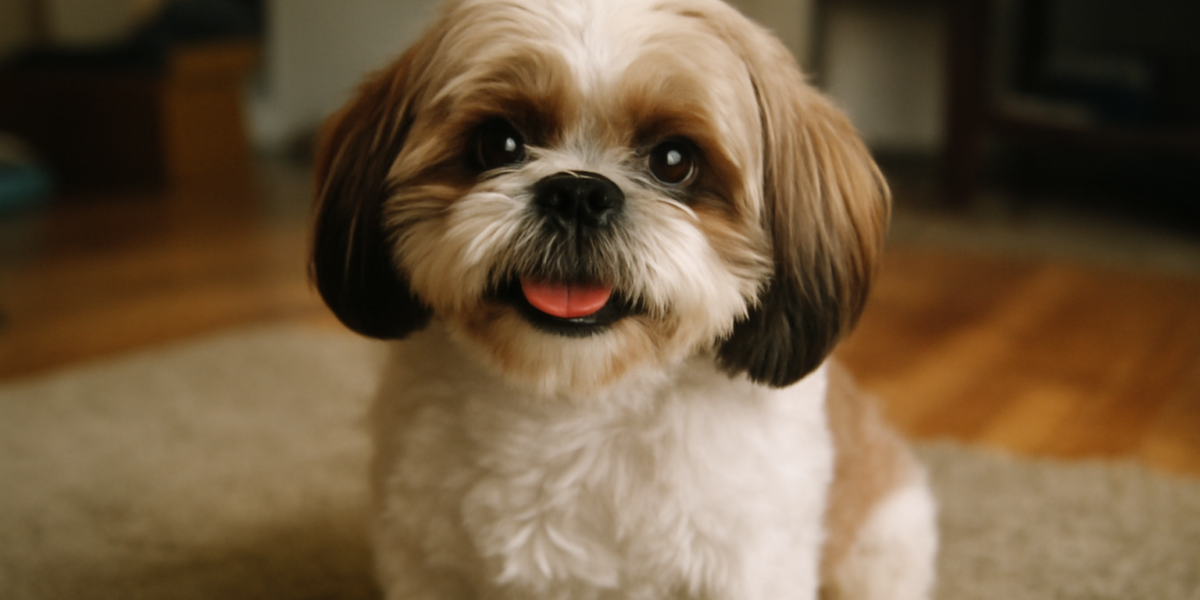
The shih tzu’s appearance is immediately distinctive. Their most celebrated feature is their luxurious double coat, which flows to the ground in a silky, dense curtain of fur when kept long. The coat comes in a wide range of colors and color combinations, including gold and white, black and white, liver, brindle, and solid shades. The hair on top of the head is traditionally gathered into a topknot, both as a style statement and to keep it clear of the eyes.
Their face is famously described as a chrysanthemum face, a reference to the way the hair grows outward in all directions from the center of the muzzle, much like the petals of the flower. The muzzle itself is short and wide, and most shih tzus have a slight underbite, which is considered a breed standard characteristic rather than a fault. Their eyes are large, round, and dark, giving them an endearing, almost perpetually surprised expression. The body is compact and sturdy, sitting low to the ground on short, well-muscled legs.
Exercise Needs
One of the shih tzu’s most appealing qualities for apartment dwellers and less active owners is their modest exercise requirement. These dogs do not need long hikes or vigorous daily runs to stay healthy and content. A pair of short walks each day — typically 15 to 20 minutes each — combined with some indoor playtime is usually sufficient to meet their physical needs.
Because of their flat faces and shortened airways, shih tzus can overheat quickly, especially in warm or humid weather. It is important to walk them during the cooler parts of the day in summer, keep fresh water available at all times, and watch carefully for signs of labored breathing or excessive panting. Air-conditioned environments are strongly recommended during heat waves.
Despite their low exercise demands, mental stimulation is just as important as physical activity. Puzzle feeders, gentle training sessions, and short interactive play sessions can keep a shih tzu’s mind engaged and prevent boredom. For more guidance on keeping small dogs active and healthy, visit the Walkmehome dog care blog.
Grooming Needs
The shih tzu’s glorious coat comes at a price: it requires significant grooming commitment. When kept in a full show-length coat, daily brushing is essential to prevent tangles and mats from forming. The long hair around the face must be kept clear of the eyes, either by tying it into the characteristic topknot or by trimming it regularly.
Many pet owners choose to keep their shih tzu in a shorter “puppy cut” or “teddy bear cut,” which dramatically reduces daily brushing time while keeping the dog looking neat and comfortable. Even with a shorter cut, a thorough brush every two to three days is recommended, and professional grooming appointments every six to eight weeks are typical.
Eye care is a particularly important aspect of shih tzu grooming. Their prominent eyes are prone to discharge and staining, so the area around the eyes should be gently wiped clean each day. Ears should be checked weekly for signs of infection or moisture buildup, and teeth should be brushed several times per week to combat the dental issues common in toy breeds. Regular nail trims complete the routine.
Health and Common Issues
Shih tzus are generally a long-lived breed, with many reaching 15 years or older when well cared for. However, like all purebred dogs, they are predisposed to certain health conditions that prospective owners should be aware of.
Brachycephalic obstructive airway syndrome (BOAS) is one of the most significant concerns. Their flat face and shortened skull can result in narrowed nostrils, an elongated soft palate, and other structural abnormalities that restrict airflow. Symptoms include snoring, snorting, labored breathing, and reduced exercise tolerance. Severe cases may require surgical intervention.
Eye problems are also common, given how prominent and exposed shih tzu eyes are. Conditions including corneal ulcers, dry eye, and progressive retinal atrophy have been documented in the breed. Hip dysplasia, though more commonly associated with larger breeds, can occur in shih tzus. Dental disease is nearly universal in toy breeds due to overcrowded teeth in a small jaw, making consistent dental hygiene critical. Ear infections round out the list of conditions to monitor, particularly in dogs with heavy ear hair that traps moisture.
Are Shih Tzus Good With Kids and Other Pets?
Shih tzus are generally wonderful with children, particularly those who have been taught to interact gently with small dogs. Their patient and affectionate nature means they tolerate the enthusiasm of children well, though supervision is always recommended with very young kids, simply because of the shih tzu’s small size and vulnerability to accidental rough handling.
Older children who understand how to respect a dog’s space will find a devoted and playful companion in a shih tzu. The breed rarely shows aggression and tends to engage happily in gentle play.
When it comes to other pets, shih tzus are typically easygoing and social. They usually get along well with other dogs of all sizes, provided introductions are handled calmly and positively. Many shih tzus also coexist peacefully with cats, especially when raised alongside them. Their non-territorial disposition and friendly curiosity make multi-pet households a realistic option for most shih tzu owners.
Training Tips
Shih tzus are intelligent dogs, but they have an independent streak inherited from centuries of palace life where they answered to no one. This can translate into a reputation for stubbornness, particularly during housetraining, which is often cited as the most challenging aspect of raising a shih tzu.
The key to success with this breed is patience and positive reinforcement. Shih tzus are highly food-motivated, and small, tasty treats used as rewards can work wonders in training sessions. Keep sessions short — five to ten minutes at a time — to hold their attention, and always end on a positive note. Harsh corrections or punishment-based methods are counterproductive and can cause a shih tzu to shut down or become anxious.
Crate training from an early age supports successful housetraining and gives the dog a safe, secure space of their own. Consistency in routine is equally important; shih tzus respond well to predictable schedules. Early socialization with a variety of people, environments, and other animals helps ensure a well-rounded, confident adult dog. Basic obedience classes can also be a fun bonding experience for both dog and owner.
History and Origin
The shih tzu is one of the oldest and most historically significant dog breeds in existence. Their origins trace back to Tibet, where small lion-like dogs were bred by monks and revered as sacred animals. These dogs were eventually gifted to Chinese emperors, where they became treasured companions within the imperial court.
During the Tang Dynasty and later under the Manchu rulers of the Qing Dynasty, the shih tzu flourished as an exclusive imperial breed. The Dowager Empress Cixi, who ruled China in the late nineteenth and early twentieth centuries, was particularly devoted to the breed and oversaw a renowned imperial kennel program. The dogs were so highly valued that for many years, Chinese rulers refused to sell, trade, or export them.
The name shih tzu translates roughly to “lion dog” in Mandarin — a nod to the dog’s resemblance to traditional Chinese depictions of the lion, a symbol of Buddhism and imperial power. The breed did not reach the Western world until the 1930s, when a small number were brought to England. American soldiers returning from Europe after World War II brought shih tzus to the United States, where the American Kennel Club officially recognized the breed in 1969. Today, they consistently rank among the most popular toy breeds worldwide.
Frequently Asked Questions About the Shih Tzu
Do shih tzus shed a lot?
Shih tzus are considered a low-shedding breed. Their hair grows similarly to human hair rather than shedding in seasonal cycles, which means loose fur tends to become caught in the coat rather than falling freely around the home. This makes them a popular choice for people with mild dog allergies, though no dog is truly hypoallergenic. Regular brushing removes the trapped loose hair and keeps the coat healthy.
How long do shih tzus typically live?
Shih tzus are among the longer-lived dog breeds, with an average lifespan of 10 to 18 years. Many individuals reach their mid-teens in good health with proper nutrition, regular veterinary care, appropriate exercise, and attentive grooming. Their longevity makes them a significant long-term commitment, so prospective owners should be prepared to care for a dog that may live well into their mid-to-late teens.
Are shih tzus easy to housetrain?
Housetraining is often the most frequently cited challenge with shih tzus. They can be slow to grasp the concept and may have accidents well past the age at which larger breeds are reliably trained. Consistency, a strict schedule, crate training, and positive reinforcement with treats make the biggest difference. Most owners find that with patience and persistence, their shih tzu becomes reliable indoors by six to twelve months of age.
Can a shih tzu be left alone during the day?
Shih tzus are companion dogs at heart and thrive on human presence. While adult dogs can generally manage a few hours alone, prolonged daily isolation can lead to separation anxiety and accompanying behaviors such as excessive barking or destructive activity. If you work full-time outside the home, consider arrangements such as a dog walker, doggy daycare, or a companion pet to keep your shih tzu comfortable and content during your absence.
Adopt a Shih Tzu
If you have fallen in love with everything the shih tzu has to offer, adoption is a wonderful way to welcome one into your home. Shih tzus of all ages — from puppies to senior dogs — find their way into rescue organizations through no fault of their own, and they deserve a second chance at the loving home they were born to inhabit.
At Walkmehome Rescue, we work to connect shih tzus and other small breeds with caring, committed families. Every dog in our care is assessed for temperament and health before being matched with an appropriate home, so you can adopt with confidence. Visit our dog adoption page to meet dogs currently available, or explore our dog care blog for tips on setting your new companion up for a happy, healthy life.


