Last updated: April 27, 2026
In this article
Siamese vs Burmese at a Glance
Choosing between a Siamese and a Burmese is one of those wonderfully difficult decisions because both breeds are intensely social, people-oriented cats. If you have ever been “owned” by either breed, you know exactly what that means: these are cats that follow you from room to room, demand conversation, and want nothing more than to be at the center of your world.
The Siamese vs Burmese debate often comes down to energy level, vocalization, and body type. Siamese cats are lean, angular, and famously loud. Burmese cats are compact, muscular, and just as affectionate but slightly less vocal. Both breeds thrive in homes where someone is present most of the day, and both can struggle with loneliness if left alone for long stretches.
Below is a quick comparison summary to help you see the key differences before we dig into details.
- Body type: Siamese — sleek and tubular; Burmese — compact and muscular
- Weight: Siamese 6–14 lbs; Burmese 8–12 lbs
- Lifespan: Siamese 12–20 years; Burmese 10–17 years
- Vocalization: Siamese — extremely vocal; Burmese — moderately vocal
- Grooming: Both are low-maintenance short-haired breeds
- Energy: Siamese — high; Burmese — moderate to high
Temperament and Personality
The Siamese is one of the most vocal cat breeds on the planet. If you have never lived with a Siamese, imagine a cat that has an opinion about everything — and is not shy about sharing it. Siamese cats will meow when you wake up, meow when you open the fridge, and meow when you have the audacity to close a bathroom door. Their voice is distinctive: a loud, raspy yowl that some people find endearing and others find startling.
Burmese cats share the Siamese love of human companionship but express it a bit differently. They tend to be lap cats — warm, heavy little bodies that plant themselves on your legs and purr. They are vocal too, but their voice is softer and less insistent. Where a Siamese demands, a Burmese requests.
Both breeds are highly intelligent and can be trained to fetch, come when called, and even walk on a leash. Siamese cats are sometimes described as dog-like because of their loyalty and need for interaction. Burmese cats earn similar comparisons, though they are often more laid-back about it.
If you work from home and want a cat who will sit on your keyboard and supervise every Zoom call, either breed will deliver. If you prefer a slightly calmer companion who is less likely to yell at you during meetings, the Burmese may have the edge. Explore more cat breeds and their temperaments on our cat adoption hub.
Size, Appearance, and Grooming
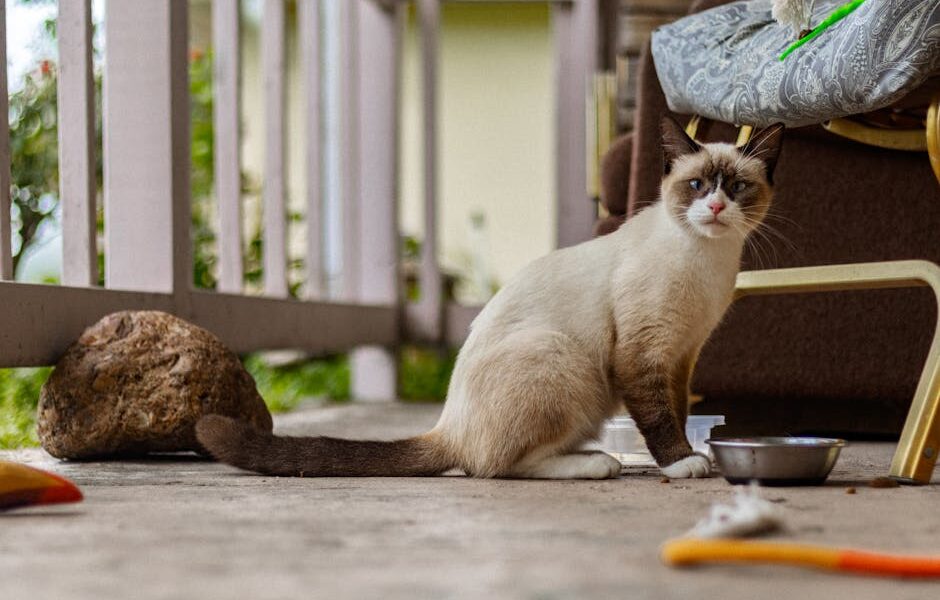
Siamese cats are immediately recognizable. They have a long, lean body, large triangular ears, and striking blue almond-shaped eyes. Their coat features the famous color-point pattern — a pale body with darker coloring on the ears, face, paws, and tail. Common point colors include seal, chocolate, blue, and lilac.
Burmese cats have a very different look. They are more compact and rounded, with a broader chest and surprisingly heavy feel when you pick them up. Their eyes are large and gold to yellow, and their coat is short, fine, and satin-like. Burmese cats come in sable, champagne, blue, and platinum.
Grooming is easy with both breeds. A weekly brush to remove loose hair is usually enough. Neither breed has an undercoat dense enough to cause significant shedding problems, although the Burmese coat tends to feel slightly silkier. If you are looking for a low-maintenance grooming routine, both breeds deliver. For more low-shedding options, check out our guide to cat breeds that don’t shed much.
Bathing is rarely necessary for either breed unless your cat gets into something messy. Regular nail trims, ear checks, and dental care round out the grooming routine for both Siamese and Burmese cats.
Health Concerns and Lifespan
The Siamese is generally a long-lived breed, with many cats reaching their late teens or even early twenties. However, they are predisposed to several health conditions that prospective owners should know about. Amyloidosis, a condition where abnormal protein deposits damage the liver, is more common in Siamese cats than in most other breeds. They are also prone to progressive retinal atrophy, respiratory issues such as asthma, and certain heart conditions.
Burmese cats have their own set of health concerns. Burmese Head Defect is a rare but serious congenital condition that affects skull development. Diabetes mellitus occurs at higher rates in Burmese cats compared to the general cat population, particularly in Australian and European lines. Hypokalemia, a potassium deficiency causing muscle weakness, is another breed-related issue.
Both breeds benefit from regular veterinary checkups at least once a year — twice a year for cats over the age of seven. Ask your veterinarian about breed-specific screening tests when you adopt. Responsible breeders screen for known genetic conditions, but rescue cats may not come with a complete health history, making those vet visits even more important.
In terms of lifespan, the Siamese often edges ahead with an average of 12 to 20 years compared to the Burmese average of 10 to 17 years. Individual results vary widely based on diet, exercise, genetics, and veterinary care.
Activity Level and Living Environment
Siamese cats are high-energy. They need mental stimulation and physical activity to stay happy. Puzzle feeders, interactive toys, cat trees, and regular play sessions are essential. A bored Siamese will find ways to entertain itself, and you may not appreciate the methods — think open cabinets, shredded paper, and impressive acrobatic feats from the top of your bookshelf.
Burmese cats are active but slightly more moderate. They enjoy play sessions and climbing, but they are also content to spend long stretches lounging in a sunny spot or curled up on the couch. They still need enrichment, but they are less likely to go on a destructive rampage if you skip a play session.
Both breeds are indoor cats. Their social, trusting natures make them vulnerable outdoors, and their striking appearances can make them targets for theft. A secure indoor environment with plenty of vertical space, scratching posts, and window perches keeps both breeds content.
If you have other pets, both Siamese and Burmese generally do well with cat-friendly dogs and other cats. They are social animals that often prefer company to solitude. A second cat can be a lifesaver if you are away from home during the day.
Which Breed Is Right for You?
Choose a Siamese if you want a chatty, high-energy companion who will be your shadow and never let you feel alone. Siamese cats are best for owners who spend a lot of time at home, enjoy interactive play, and do not mind a vocal cat. They do well in active households and can adapt to families with older children.
Choose a Burmese if you want the same deep bond but with a slightly calmer delivery. Burmese cats are ideal for people who want an affectionate lap cat that is playful without being hyperactive. They adapt well to apartment living and tend to be slightly more tolerant of short periods alone, though they still prefer company.
Both breeds are poor choices if you travel frequently, work long hours away from home, or prefer an independent cat that keeps to itself. Siamese and Burmese cats need their people, and they will let you know — loudly or softly — if they feel neglected.
Ready to welcome a social, loving cat into your home? Browse adoptable cats on our adoption page and find your perfect match. Whether you lean toward the Siamese or the Burmese, you are signing up for a cat that will be your best friend.
Frequently Asked Questions
Are Siamese cats more vocal than Burmese cats?
Yes. Siamese cats are one of the most vocal breeds and will meow, yowl, and chirp throughout the day. Burmese cats are also talkative but have a softer, less insistent voice. If noise level is a concern, the Burmese may be the better choice.
Can Siamese and Burmese cats live together?
Absolutely. Both breeds are social and generally enjoy the company of other cats. Introducing them gradually with proper scent swapping and supervised meetings usually leads to a successful pairing.
Do Siamese or Burmese cats cause fewer allergies?
Neither breed is hypoallergenic. Both produce the Fel d 1 protein that triggers cat allergies. However, their short coats mean less dander is trapped and spread around the home compared to long-haired breeds. Spending time with both breeds before adopting is the best way to gauge your personal reaction.
Are Burmese cats good with children?
Burmese cats are generally patient and affectionate with children, especially older kids who know how to handle cats gently. Their sturdy, muscular build makes them a bit more tolerant of enthusiastic little hands than the more delicate Siamese.
Which breed has fewer health problems?
Both breeds have breed-specific health concerns. Siamese cats are prone to amyloidosis and respiratory issues, while Burmese cats have higher rates of diabetes and hypokalemia. Neither breed is inherently healthier — regular vet visits and a good diet are the best defense for both. Consult your veterinarian about breed-specific screening when you adopt.
Looking to adopt a Siamese vs Burmese?
Browse Siamese vs Burmese cats and mixes available for adoption from shelters and rescues near you.
Find Siamese vs Burmese Cats for Adoption