Last updated: May 23, 2026
In this article
- Clearing Up the Terminology
- Singapore Special Cat: The Label in Context
- Street Cat: What the Term Implies
- Community Cats and the TNRM System
- Temperament Differences You Might Notice
- Health and Medical Considerations
- Climate Fit and HDB Living
- Adoption Routes in Singapore
- Preparing Your Home
- What to Ask the Foster or Rescue
- First-Month Routine After Adoption
- Climate-Month Considerations in Singapore
- Red Flags and When to Call the Vet
- Frequently Asked Questions
Clearing Up the Terminology
When you start browsing local adoption listings, you will come across terms like “Singapore special cat,” “local cat,” “community cat,” and “street cat” used almost interchangeably. For adopters new to the scene, the vocabulary can be confusing. In practice, these labels all describe the same thing: mixed-ancestry Domestic Shorthair cats born and raised in Singapore, outside any pedigree breeding program.
The phrase “Singapore special” was originally coined for mixed-breed local dogs to honor their uniqueness and shift public perception away from words like “mongrel.” Some rescues and advocates have adopted the term for cats too, though it is less established than “community cat” in the cat world. Meanwhile, “street cat” simply emphasizes where the cat was found, and “community cat” acknowledges the human caregiver networks feeding and managing them.
What matters for adopters is not the label but the cat’s life stage, socialization history, and medical status. This guide unpacks what those differences actually mean.
Singapore Special Cat: The Label in Context
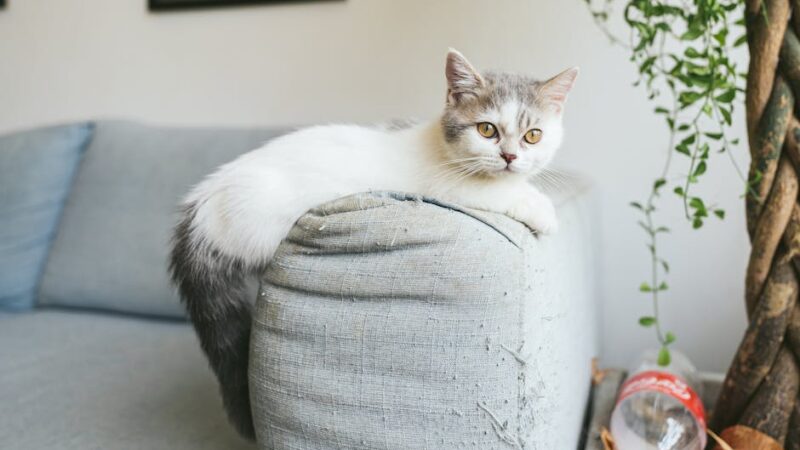
A Singapore special cat generally refers to a local mixed-breed cat — no pedigree papers, no single-breed ancestry. These cats are as diverse as the island itself: tabbies, tuxedos, calicos, tortoiseshells, blacks, gingers, and everything in between. Most are shorthaired, moderately sized (3–5 kg adult), and well-adapted to the tropical climate.
Rescues sometimes use “special” to highlight that these cats are just as loving, trainable, and rewarding as any pedigree — often more so, because they tend to enjoy the hybrid vigor that comes with genetic diversity. If you’re drawn to the idea of giving a home to a uniquely local companion, a Singapore special is a beautiful choice.
Street Cat: What the Term Implies
“Street cat” points to a cat’s origin rather than its breed. It could describe a feral kitten trapped in a carpark, a friendly community cat fed daily by a void deck auntie, or a surrendered pet that ended up wandering. Within this broad umbrella, socialization levels vary enormously — and that is the key factor for adopters.
A cat who grew up handled by humans from kittenhood will likely adapt to indoor life in days. A cat who had limited human contact until adulthood may need weeks or months of patient trust-building before relaxing. Neither is “better” — they just need different adopters.
Community Cats and the TNRM System
Many street cats in Singapore are part of managed community colonies under the Trap-Neuter-Return-Manage (TNRM) program, supported by Cat Welfare Society (CWS) and volunteer caregivers across the island. Cats in this system are sterilized, vaccinated, ear-tipped (left ear clipped), and returned to their territory if they thrive outdoors. Those who struggle — the very young, elderly, sick, or overly friendly — are pulled into foster care and offered for adoption.
The ear tip is important. If you see a free-roaming cat with a clipped ear, it is not abandoned; it is likely under a caregiver’s watch. Adopters often come across these cats at rescue events after they have transitioned to foster care.
Temperament Differences You Might Notice
Generalizing is hard because every cat is an individual. That said, rescue fosterers report some patterns:
- Kitten-age rescues (under 12 weeks): almost always highly adaptable and quickly bond with humans.
- Young cats socialized in a home: confident, playful, often dog-like in affection.
- Adult rescues with foster experience: settled, calm, grateful — sometimes described as “old souls.”
- Semi-feral adults: may prefer observer roles at first, warming up over months.
The best predictor of how a cat will behave in your home is how it currently behaves in the foster’s home, not its past. Always ask the fosterer for a candid personality profile.
Health and Medical Considerations
Mixed-breed local cats generally enjoy better genetic health than many pedigrees. They have not been selectively bred for extreme features — no flat faces, no folded ears, no excessive coat density — so you avoid many inherited conditions. However, cats with outdoor histories may have:
- Healed injuries from fights or traffic
- Dental wear or infections
- Parasite exposure (fleas, ticks, intestinal worms)
- FIV or, more rarely, FeLV
Reputable rescues test for FIV and FeLV before adoption, treat active issues, and provide a clear medical summary. FIV-positive cats can live long healthy indoor lives — don’t let the diagnosis scare you off. Budget for an initial vet visit within the first week to establish a baseline.
Climate Fit and HDB Living
No cat is better suited to Singapore’s heat than a locally born moggy. Their short single coats shed little, dry quickly after any grooming, and don’t trap heat the way dense-coated pedigrees do. Most tolerate indoor temperatures of 28 degrees Celsius comfortably, and they naturally slow down during the hottest part of the day.
Regarding HDB, current rules technically exclude pet cats, though enforcement has traditionally been lenient and a revised responsible-ownership framework has been under review. Condo dwellers have fewer restrictions, but always check your development’s bylaws. Either way, mesh windows are non-negotiable — high-rise falls are a well-documented risk in Singapore.
Adoption Routes in Singapore
You have several paths to adopt a Singapore special or street cat:
- Cat Welfare Society (CWS): connects adopters with independent fosters across the island.
- SPCA Singapore: maintains a rehoming program for surrendered and rescued cats.
- Causes for Animals (CAS): runs adoption events and foster placements.
- Purely Adoptions and Mercylight: volunteer-led networks with rotating cats available.
- Individual fosters: often post directly on social media groups.
The typical process involves an application form, sometimes a home visit or video walkthrough, a meet-and-greet, and an adoption fee that covers sterilization, vaccination, microchipping, and deworming. Start your search through our adopt a cat hub or see all available pets.
Preparing Your Home
Whether you’re adopting a young Singapore special or a semi-feral adult, preparation pays off. Set up a decompression room — a spare bedroom or bathroom with litter, food, water, a hiding spot, and a few toys. Let the cat come out on its own timeline; resist the urge to handle a newly arrived cat for the first 48 hours.
Install full window mesh, secure balcony grilles, and remove toxic plants. Provide vertical space (cat trees, shelves) and hiding spots at multiple heights. For more practical setup advice, see our HDB-friendly cat breeds roundup and our best first cat breed guide.
What to Ask the Foster or Rescue
When approaching a rescue or foster about a specific cat, the right questions save everyone time. Ask about: the cat’s estimated age and how that was determined, how long it has been in foster care, the foster’s observations of daily behaviour, sociability with humans and other animals, litter-box habits and any accidents, appetite and eating patterns, any medical treatments received, FIV and FeLV status, sterilisation and vaccination records, and the cat’s response to household noises, children, and visitors.
Also ask about what might be tricky. Is the cat food-protective? Does it dislike being picked up? Does it hide when doorbells ring? Good fosters answer honestly because an informed match prevents returns. If a rescue is vague or rushed, that is itself useful information about how well they support their adopters.
First-Month Routine After Adoption
Week one is the decompression zone. Keep the new cat in one quiet room with litter, food, water, a hiding spot, and a few low-stimulation toys. Visit quietly, sit on the floor, let the cat approach you rather than the reverse. Do not push interaction or insist on cuddles. Some cats emerge in hours; others take days. Both timelines are normal.
Week two expands territory gradually. Open the rest of the flat one room at a time. Watch the cat’s body language — a tucked tail or a low body carriage suggests more time is needed; a raised tail and curious patrolling suggests readiness. Week three introduces play sessions, establishes feeding and cleaning rhythms, and is usually when the cat’s real personality starts to emerge. Week four settles into the long-term routine, and this is when the first non-urgent vet visit typically happens — a baseline examination, weight, and any follow-up on past issues.
Climate-Month Considerations in Singapore
Month to month, Singapore is remarkably consistent in temperature, but humidity and rain patterns vary. During monsoon months, indoor humidity climbs and skin or coat issues can surface even in short-haired local cats. Ventilation, cleanliness, and dry bedding help. During drier stretches, increased dust indoors can irritate sensitive cats; regular cleaning reduces this. Year-round, hydration matters — multiple water bowls, a pet fountain, and wet food all help maintain urinary tract health, which is the most common chronic concern for indoor Singapore cats regardless of breed.
Red Flags and When to Call the Vet
Whether your adopted cat is a shy ex-community cat or a confident foster-raised kitten, watch for: changes in litter-box habits (especially straining or blood), persistent hiding that lasts beyond the expected decompression window, refusal to eat for more than 24 hours, repeated vomiting, laboured breathing, lethargy that is not explained by a sleepy afternoon, and any limping. Any of these warrants a vet call rather than watchful waiting. For indoor-transitioned former community cats, also watch for scars or old injuries that become tender, which may indicate chronic pain the foster period did not fully reveal.
Frequently Asked Questions
Is “Singapore special” an official term for cats?
It’s informal. The phrase originated for local mixed-breed dogs and has spread to cats among some rescues. “Community cat” or “local moggy” are more commonly used in the cat rescue scene.
Do street cats carry more diseases than pedigrees?
They can have more initial parasite or infection exposure, but reputable rescues treat and test before adoption. Once settled indoors, their long-term health often exceeds that of pedigrees with inherited conditions.
Are former street cats difficult to keep indoors?
Most adapt within weeks, especially if they are young or were already in foster care. Providing enrichment — vertical space, puzzle feeders, window perches — helps enormously.
Can I adopt an ear-tipped community cat I already feed?
Yes, but coordinate with CWS or the local caregiver first. Some cats are happier remaining in their colony; others are candidates to come indoors.
How long does the decompression period last?
Anywhere from a few days for confident young cats to several weeks for shy adults. Patience and a quiet safe space are the best tools.
Are Singapore special cats suitable for HDB flats?
They are the most climate-appropriate option available. The practical HDB consideration is whether pet cats are permitted under current or revised rules — enforcement has historically been light and framework changes have been under discussion.
How do adoption fees for local moggies compare to pedigrees?
Rescue adoption fees typically cover sterilisation, vaccination, microchipping, and deworming at cost-recovery levels. Pedigree kittens from breeders cost significantly more. Ongoing care costs are broadly similar, with local moggies often needing fewer breed-specific medical interventions.
Can I adopt multiple cats at once?
Yes, and many rescues encourage adopting bonded pairs, especially kittens who thrive with a playmate. A bonded pair reduces loneliness during work hours and often produces better-adjusted adults.
Looking to adopt a Singapore Special Cat vs Street Cat?
Browse Singapore Special Cat vs Street Cat cats and mixes available for adoption from shelters and rescues near you.
Find Singapore Special Cat vs Street Cat Cats for Adoption