Last updated: May 6, 2026
In this article
What “HDB-Friendly” Actually Means for Cats
The phrase HDB-friendly cat breeds can be a little misleading. Unlike dogs, where HDB maintains a list of approved small breeds, current HDB rules do not formally list approved cat breeds because pet cats are not explicitly permitted in HDB flats at this time, though enforcement has been light and a new framework is reportedly under review. When adopters use the phrase, they generally mean cats that realistically thrive in a 4-room flat: quiet, tolerant of limited outdoor access, well-adapted to tropical indoor climate, and unlikely to generate neighbor complaints.
This roundup focuses on that practical definition. It prioritizes breeds (and moggies) that stay comfortable indoors, keep noise low, and don’t require the kind of yard-and-garden environment that Singapore apartments can’t offer.
If you are still deciding between adoption routes, pair this with the moggy vs pedigree comparison and the best first cat for Singapore adopters guide.
Singapore Community Cat (The Moggy)
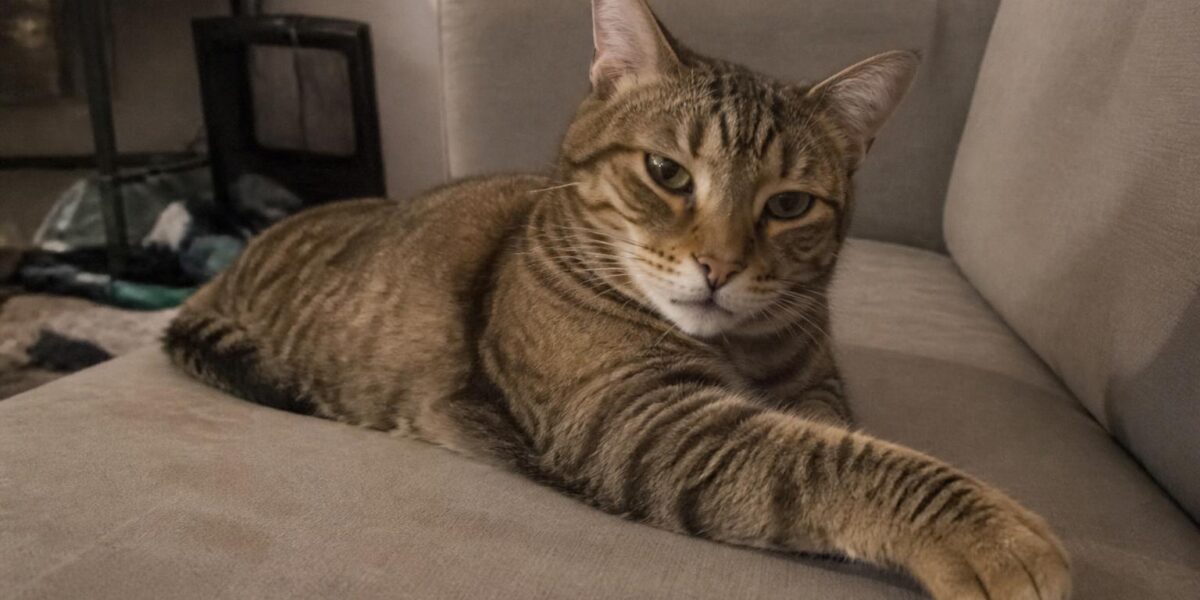
The Domestic Shorthair moggy — the Singapore Community Cat — is the most HDB-appropriate cat in the country. Short single coat, normal muzzle, medium build around 3 to 5 kilograms, and generations of natural selection for tropical life. They handle warm afternoons with a fan and cross-ventilation, shed moderately, and tend to have quiet voices.
Temperament varies enormously, which is a feature, not a bug. Fosters can match you with a lap cat, a playful young adult, or a confident explorer. Health profiles are generally robust, vet costs over a lifetime are lower than most pedigrees, and availability through Cat Welfare Society, SPCA Singapore, and other rescues is excellent.
For most first-time Singapore adopters, the moggy is the default recommendation, and the Walk Me Home Rescue cat adoption hub is a good starting point.
British Shorthair
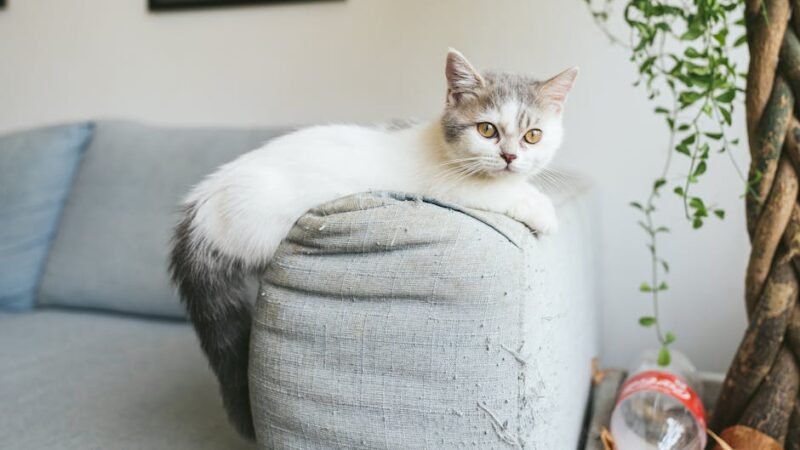
Calm, dignified, and famously undemanding, the British Shorthair is a popular HDB pedigree for good reason. Adults typically weigh 4 to 7 kilograms, with a dense but short double coat that sheds moderately and doesn’t mat. The breed tolerates indoor apartment life very well and is usually quiet, which matters in a block of flats with shared walls.
Climate-wise, the dense coat holds more heat than a moggy’s single coat, so air conditioning during peak afternoon hours is advisable. Brush once a week, more during seasonal shedding. They are affectionate without being needy, patient with children, and generally accepting of other calm pets.
Health: watch for hypertrophic cardiomyopathy (HCM) and polycystic kidney disease in some lines. Surrendered British Shorthairs occasionally appear in local rescues.
Ragdoll
Ragdolls are large, long-haired, and famously laid-back. Adult males can reach 6 to 9 kilograms, females slightly smaller. Their semi-long coat has less undercoat than a Persian’s, so matting is manageable with two to three brushing sessions a week. They are typically docile to the point of going limp when picked up — the trait their name references.
They tend to be social, quiet to moderate in voice, and good with children and dogs. Climate care is similar to other medium-coated pedigrees: air conditioning during the hottest afternoons, combing to prevent mats especially in humid weather. They adore human company and do less well with 12-hour solo workdays — two cats often fits better.
Health: HCM is the main breed-specific concern; responsible breeders screen for it.
Russian Blue
Russian Blues are quiet, reserved, and a good fit for small flats with lighter-sleeping neighbors. Typical adults weigh 3.5 to 5.5 kilograms. The plush short double coat is low-maintenance — a weekly brush is enough — and sheds less heavily than many other breeds.
They tend to be shy with strangers but bond deeply with their household, forming what owners describe as a velcro relationship with one or two people. They are playful in a measured way and generally tolerate solo time better than highly social breeds, though they appreciate predictable routines.
Climate fit is good. The short coat dissipates heat well, and the breed is typically healthy with a 12 to 20 year lifespan. Pedigree availability is moderate; occasional Russian Blue mixes surface in rescues.
Scottish Fold (With Care)
Scottish Folds are sweet-natured, quiet, and adapt well to apartment life, but they come with a serious health caveat: the gene that causes folded ears also affects cartilage throughout the body, and many Scottish Folds develop painful degenerative joint disease. Ethical breeding outside a few registries has become controversial, and some welfare groups advise against supporting the breed at all.
If you adopt a Scottish Fold from a rescue, budget for joint monitoring, anti-inflammatory care as the cat ages, and a vet comfortable with osteochondrodysplasia. Straight-eared siblings (Scottish Straights) carry the same temperament with significantly lower joint risk and are a gentler choice.
Climate-wise, the short coat handles Singapore’s heat well. Temperament is affectionate and quiet, making them good HDB neighbors when healthy.
Burmese and Tonkinese
Burmese cats are compact, muscular, and very people-oriented. Typical weight is 3 to 5.5 kilograms. Short coat, normal muzzle, excellent climate fit for Singapore, and the shortest grooming routine of almost any pedigree. They are playful into adulthood and bond strongly — often a two-cat household works best to avoid loneliness.
Tonkinese are Burmese-Siamese crosses: slightly more vocal than Burmese, equally social, similar short coat, and similar climate tolerance. Both breeds do well with families who are home often and can handle an interactive, chatty roommate.
Both breeds tolerate HDB living well provided you engage them daily. Solo work-from-office days are harder on them than on a moggy or British Shorthair.
Siamese (For the Right Household)
Siamese are intelligent, athletic, and extremely vocal. They form strong bonds, learn routines quickly, and often “talk back” when addressed. Adults are lean and typically 3 to 5 kilograms. The short single coat is very low-maintenance and handles tropical heat excellently.
The HDB caveat is noise. A Siamese in a separation-anxious mood or a hungry morning can be loud enough to carry through shared walls. If you live in a block where neighbors are close, introduce yourself and your cat early. Consider a second cat for company.
Health and lifespan are generally good, with some lines prone to dental issues and respiratory sensitivity. They are not a starter cat for everyone, but the right Siamese in the right home is remarkable.
Breeds and Mixes to Think Twice About
Some popular breeds struggle in Singapore’s climate despite being marketed for apartment life. Maine Coons, Norwegian Forest Cats, and Siberians have dense double coats built for cold climates and rely heavily on air conditioning in Singapore. Persians, Himalayans, and Exotic Shorthairs are brachycephalic and have reduced heat tolerance along with grooming demands that humidity makes harder. Sphynx cats need careful skin care and sun protection.
None of these breeds are impossible to keep well, but they ask more of an owner than a moggy or British Shorthair. If you are drawn to them, plan around climate control, grooming, and higher vet spend.
If you are weighing options specifically around apartment size and noise, the kitten vs adult cat adoption guide is a useful companion piece.
Frequently Asked Questions
Are any cat breeds officially HDB-approved?
No. Current HDB rules do not formally permit pet cats in HDB flats, though enforcement has been light and a new framework is reportedly under review. Adopters should follow current AVS and HDB guidance at the time of adoption.
Which cat breed is quietest for HDB living?
British Shorthair, Russian Blue, and most domestic shorthair moggies are generally the quietest. Siamese, Burmese, and some Oriental breeds are more vocal.
Do HDB-friendly cats need air conditioning?
Most cope well with fans and cross-ventilation for much of the day, but air conditioning during peak afternoon heat is recommended for dense-coated or brachycephalic breeds. Short-coated moggies are the most tolerant of non-aircon conditions.
Can I adopt any of these breeds through rescue?
Yes, occasionally. Pedigree breeds like British Shorthair, Ragdoll, Persian, and Scottish Fold do surface through Cat Welfare Society, SPCA Singapore, and Purely Adoptions as surrenders, though availability is unpredictable.
What is the best starting cat for a first-time HDB adopter?
A domestic shorthair moggy or a Singapore Community Cat from a local rescue is typically the best match — low grooming, tropical-ready, and broadly available. See the first-cat guide for more detail.
Looking to adopt a HDB?
Browse HDB cats and mixes available for adoption from shelters and rescues near you.
Find HDB Cats for Adoption