Last updated: May 4, 2026
In this article
Siberian Cat Breed Profile: The Majestic Russian Forest Cat
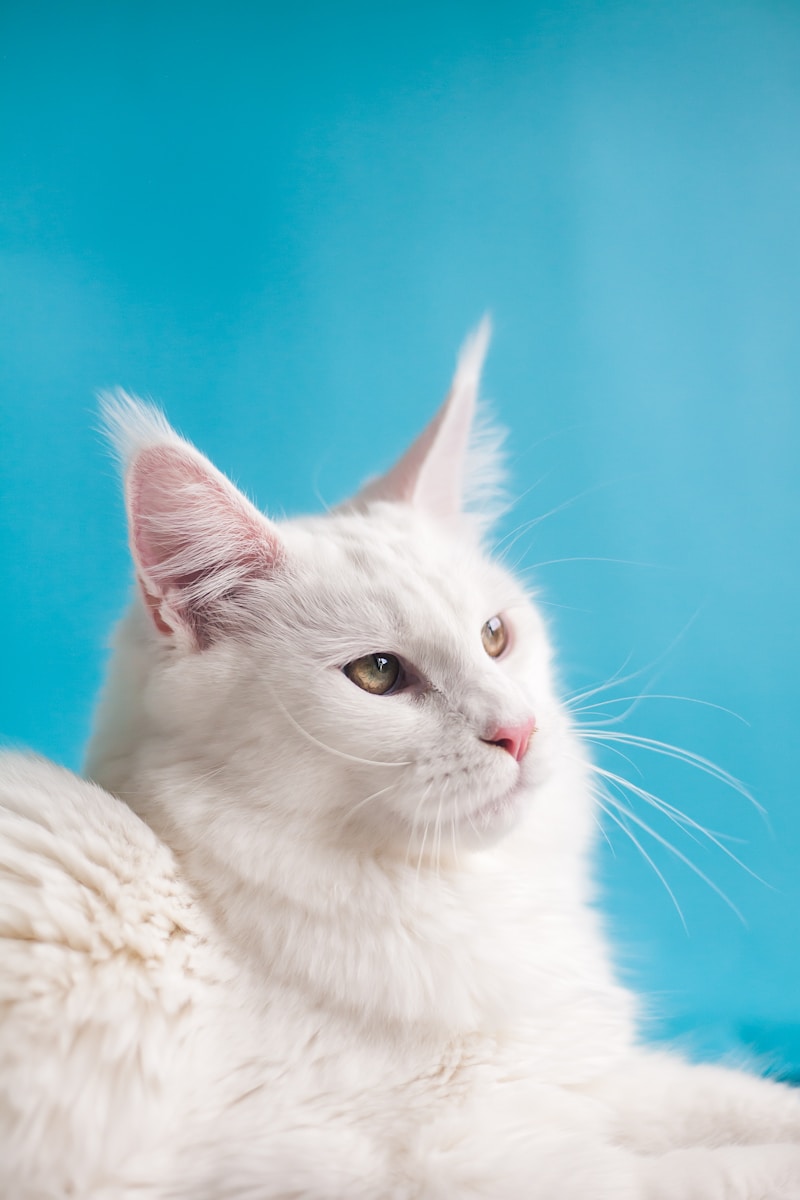
The Siberian cat breed is a living piece of Russian heritage, a powerful and magnificently coated cat that has roamed the forests and farms of Siberia for over a thousand years. With a luxurious triple-layered coat built to withstand some of the harshest winters on Earth, a muscular body designed for climbing and hunting, and a personality that is as warm and generous as the Russian hospitality it grew up alongside, the Siberian is one of the most impressive natural cat breeds in the world.
What makes the Siberian particularly exciting for cat lovers is its reputation as one of the most tolerable cats for allergy sufferers. While no cat is truly hypoallergenic, Siberians produce significantly lower levels of the Fel d 1 allergen protein than most breeds, allowing many people who thought they could never own a cat to experience the joy of feline companionship. Combined with their affectionate nature, athletic prowess, and breathtaking beauty, it is no wonder the Siberian has experienced a surge in popularity around the world. This guide covers everything you need to know about this extraordinary breed.
A Thousand Years of History
The Siberian cat’s origins are lost in the mists of Russian history. These cats appear in Russian fairy tales and folktales dating back centuries, and they have been documented in Russian literature and art for hundreds of years. They are believed to have developed naturally in the forests of Siberia, where natural selection favored cats with thick, waterproof coats, powerful bodies, and strong hunting instincts.
For most of their history, Siberians were working cats that earned their keep on Russian farms and in Russian homes by hunting rodents and other pests. They were treasured for their prowess as mousers and their ability to thrive in the extreme cold of the Russian winter. The thick triple coat, tufted ears, and large snowshoe-like paws are all adaptations to life in one of the coldest inhabited regions on Earth.
Despite being well known in Russia, the Siberian was virtually unknown in the West until the end of the Cold War. The first Siberians were imported to the United States in 1990 by Elizabeth Terrell, a Louisiana breeder who arranged an exchange of cats with a Russian breeder named Nelli Sachuk. Terrell sent Himalayan cats to Russia and received three Siberians in return, launching the breed’s establishment in North America.
The International Cat Association granted the Siberian championship status in 1996, and the Cat Fanciers’ Association followed in 2006. Today, the Siberian is one of the fastest-growing breeds in popularity, driven by its magnificent appearance, wonderful personality, and the promise of lower allergen levels for sensitive owners.
The Siberian shares many characteristics with other large, natural forest cat breeds such as the Norwegian Forest Cat. For a detailed comparison of these similar but distinct breeds, our Maine Coon vs. Siberian guide explores the differences and similarities. You may also enjoy reading about the Norwegian Forest Cat, another magnificent natural breed with a similar build and coat.
Physical Characteristics: Built for the Wilderness
The Siberian is a large, powerful cat that exudes strength and athleticism. Males are notably larger than females, typically weighing between fifteen and twenty pounds, while females range from ten to fifteen pounds. Despite their substantial size, Siberians are surprisingly agile and athletic, capable of impressive jumps and quick, nimble movements that belie their bulk.
The body is moderately long with a broad chest, strong back, and well-muscled legs. The hind legs are slightly longer than the front legs, giving the Siberian a characteristic slight arch to its back and contributing to its powerful jumping ability. The paws are large and round, with tufts of fur between the toes that act as natural snowshoes, providing insulation and traction on snowy surfaces.
The head is a modified wedge shape, broader than it is long, with rounded contours and full cheeks. The eyes are large, nearly round, and set wide apart, giving the face an open, expressive quality. Eye color varies widely and includes green, gold, copper, and blue (in color-point varieties). The ears are medium-large with rounded tips and often feature lynx-like tufts at the tips and furnishings inside the ear.
The coat is the Siberian’s crowning glory. It consists of three layers: a dense, soft undercoat; a slightly coarser middle layer called the awn hair; and longer, water-resistant guard hairs that form the outermost layer. This triple coat provides extraordinary insulation and water resistance. Around the neck, the fur forms an impressive ruff that frames the face. The britches on the hind legs are full and feathered, and the tail is wide and bushy, often carried with a graceful curve.
Like many natural breeds, the Siberian’s coat changes dramatically with the seasons. The winter coat is full, dense, and magnificent, while the summer coat sheds down to a much lighter, shorter version that shows off the cat’s muscular build. The transition between seasons involves significant shedding, which requires additional grooming attention.
Siberians come in virtually every color and pattern, including solid, tabby, tortoiseshell, bicolor, and color-point (known as “Neva Masquerade” in some registries). The brown tabby pattern is perhaps the most traditional and recognizable, but the breed’s color diversity is one of its many appealing features.
Temperament: Powerful Yet Gentle
Beneath the Siberian’s wild appearance lies one of the most affectionate and people-oriented personalities in the cat world. These cats form deep, loyal bonds with their families and are known for their dog-like devotion. They follow their owners from room to room, greet them at the door, and want to be involved in every household activity. Many Siberians learn to play fetch, and some can even be trained to walk on a leash.
Intelligence is a hallmark of the breed. Siberians are quick learners who enjoy puzzle toys, interactive games, and training challenges. They are problem solvers who can figure out how to open doors, access sealed containers, and navigate obstacles to reach their goals. This intelligence makes them entertaining companions but also means they need adequate mental stimulation to prevent boredom.
Despite their size and power, Siberians are remarkably gentle and patient. They are excellent with children, tolerating the enthusiastic attention of young kids with calm composure. They also tend to get along well with other cats and cat-friendly dogs, though their confidence means they will not be bullied by pushy housemates.
The Siberian has a moderate activity level that falls between the high-energy antics of breeds like the Abyssinian and the sedentary lifestyle of breeds like the Persian. They enjoy active play sessions and are capable of impressive athletic feats, but they are also content to curl up beside their owners for extended cuddle sessions. This balance of activity and relaxation makes them adaptable to various household environments.
Vocally, Siberians are moderately talkative. They communicate through a range of sounds including soft trills, chirps, and meows, but they are not as insistently vocal as Siamese-type breeds. Their vocalizations tend to be sweet and conversational rather than demanding, and many owners find their cat’s voice to be one of its most endearing characteristics.
One particularly charming Siberian trait is their love of perching in high places. These natural climbers will seek out the tallest cat tree, the top of the refrigerator, or the highest shelf in the room. Providing adequate vertical space and sturdy climbing structures is important for satisfying this instinct.
The Hypoallergenic Question
The Siberian’s reputation as a hypoallergenic breed is one of its most discussed characteristics, and it deserves careful, honest examination. The primary allergen that affects people who are allergic to cats is a protein called Fel d 1, which is produced in cat saliva, skin secretions, and urine. When cats groom themselves, this protein is deposited on the fur and then becomes airborne as the fur sheds and dander flakes off.
Research has shown that Siberian cats, on average, produce lower levels of Fel d 1 than many other breeds. Some individual Siberians produce dramatically lower levels, while others produce amounts closer to the average cat. The variation between individuals means that there is no guarantee a specific Siberian will be tolerable for a specific allergy sufferer.
Many allergy sufferers report that they can live comfortably with a Siberian cat when other breeds triggered significant symptoms. However, the experience varies greatly from person to person, and anyone with cat allergies should spend extended time with the specific cat they are considering before committing to adoption. Some breeders offer allergen testing of their cats or trial visit periods to help prospective owners assess their individual tolerance.
It is important to note that no cat is completely hypoallergenic. Even low-Fel d 1 cats still produce some allergen, and people with severe allergies may still react to a Siberian. For a broader look at breeds that tend to be better tolerated by allergy sufferers, our guide to the best hypoallergenic cats provides additional options and information.
Health and Lifespan
The Siberian is a naturally developed breed with a broad genetic base, contributing to its overall health and vitality. These cats typically live between twelve and eighteen years, with many individuals reaching their mid-to-late teens in good health. The breed’s natural development means it has not been subjected to the extreme selective breeding that can concentrate genetic health problems in some breeds.
Hypertrophic cardiomyopathy (HCM) is the most significant health concern in the Siberian breed. This condition, which causes the heart muscle to thicken, is the most common form of heart disease in cats. Some Siberian lines have a higher incidence of HCM, and responsible breeders screen their breeding cats with echocardiograms. When considering a Siberian kitten, ask the breeder about HCM testing in their lines and request documentation.
Pyruvate kinase deficiency (PKDef) is a genetic condition that can cause hemolytic anemia. A DNA test is available, and responsible breeders screen for this condition. Affected cats lack an enzyme needed for red blood cell metabolism, leading to the premature destruction of red blood cells. Carrier cats show no symptoms but can pass the gene to offspring.
Kidney disease can occur in Siberians, as it can in any cat breed. Regular veterinary checkups with blood work and urinalysis help detect kidney issues early, when intervention is most effective. Adequate hydration through wet food and fresh water access supports kidney health throughout life.
Obesity is a practical concern for Siberians, particularly neutered or spayed individuals. These are large cats with hearty appetites, and without proper portion control and regular exercise, they can gain excess weight. Obesity increases the risk of diabetes, joint problems, and heart disease, so maintaining a healthy weight through diet and exercise is one of the most important things you can do for your Siberian’s long-term health.
Grooming: Managing the Magnificent Coat
The Siberian’s triple-layered coat requires regular grooming to stay healthy and beautiful, but it is surprisingly manageable for such a long-haired breed. The coat’s texture, while dense, resists matting better than many other long-haired breeds. Two to three brushing sessions per week with a stainless steel comb or slicker brush are usually sufficient to keep the coat in good condition and minimize shedding around the house.
During the spring and fall coat transitions, shedding increases dramatically, and daily brushing may be necessary for several weeks. The spring shed, when the heavy winter coat is released in favor of the lighter summer coat, is particularly intense. Having a good lint roller, vacuum cleaner, and a patient disposition are helpful during these periods.
Pay special attention to areas that are prone to matting, including behind the ears, under the front legs, and around the britches. If a mat does form, use a mat splitter or wide-toothed comb to gently work it apart rather than cutting it out with scissors, which risks cutting the skin.
Bathing a Siberian is an adventure, as the water-resistant outer coat can be challenging to wet thoroughly. When bathing is necessary, use warm water and work the shampoo through the coat in sections, ensuring it penetrates to the skin. Rinse thoroughly, as residual shampoo can irritate the skin and dull the coat. Most Siberians tolerate bathing well, and some even enjoy it, particularly if introduced to the process as kittens.
Standard grooming tasks include nail trimming every two to three weeks, weekly ear checks and cleaning as needed, and regular dental care. The tufted ears can trap debris and wax, so ear hygiene is particularly important. Dental care, including professional cleanings and at-home tooth brushing, helps prevent periodontal disease.
The Siberian’s coat responds well to a high-quality diet rich in omega-3 and omega-6 fatty acids, which support skin health and give the coat a rich, lustrous sheen. Fish-based cat foods or omega fatty acid supplements can enhance coat quality when approved by your veterinarian.
Frequently Asked Questions About the Siberian Cat
Are Siberian cats really hypoallergenic?
Siberian cats produce lower levels of the Fel d 1 allergen protein on average compared to most other breeds, which means many allergy sufferers tolerate them better. However, no cat is completely hypoallergenic, and individual variation among both cats and humans means results vary significantly. If you have cat allergies, the best approach is to spend extended time with a specific Siberian before committing to adoption. Some breeders can test their cats’ allergen levels to help match lower-producing cats with sensitive owners.
How big do Siberian cats get?
Siberians are a large breed, with males typically weighing fifteen to twenty pounds and females weighing ten to fifteen pounds. Some males can exceed twenty pounds without being overweight. Siberians are slow to mature, often not reaching their full size until they are three to five years old. Their substantial bone structure, powerful muscles, and full coat make them appear even larger than their actual weight suggests.
Do Siberian cats get along with dogs?
Yes, Siberian cats generally get along very well with cat-friendly dogs. Their confident, laid-back nature means they are not easily intimidated, and their size gives them the presence to hold their own with canine housemates. Proper introductions are always important, and supervision during initial interactions helps ensure a positive relationship develops. Many Siberians and dogs become close companions, engaging in play and even cuddling together.
How much grooming does a Siberian cat need?
Siberians need brushing two to three times per week during most of the year, increasing to daily brushing during seasonal coat changes in spring and fall. Despite having a long, dense triple coat, the fur resists matting better than many long-haired breeds. Regular brushing keeps the coat healthy, reduces shedding around the house, and provides bonding time between cat and owner. Additional grooming tasks include nail trimming, ear cleaning, and dental care on a regular schedule.
Looking to adopt a Siberian Cat Breed Profile?
Browse Siberian Cat Breed Profile cats and mixes available for adoption from shelters and rescues near you.
Find Siberian Cat Breed Profile Cats for Adoption