Last updated: April 27, 2026
In this article
- Framing the Choice: Moggy or Pedigree
- Defining Terms: What Counts as a Moggy vs a Pedigree
- Up-Front Cost: Adoption vs Purchase
- Lifetime Vet Costs and Health Risk
- Climate Suitability in Tropical Singapore
- HDB Realities and Indoor Living
- Grooming, Noise, and Daily Care
- Adoption Routes in Singapore: Rescue, Rehome, or Breeder
- Choosing Between the Two
- Frequently Asked Questions
Framing the Choice: Moggy or Pedigree
The moggy vs pedigree decision in Singapore comes up in almost every first-cat conversation, and the answer depends less on breed trends and more on your household. A moggy — a Domestic Shorthair of mixed ancestry, often a Singapore Community Cat — and a pedigree cat such as a British Shorthair, Ragdoll, or Persian ask very different things of their owners. Both can be wonderful companions; neither is automatically the “right” choice.
This guide compares the two paths on the dimensions that actually matter in Singapore: purchase or adoption cost, lifetime vet spend, climate suitability, HDB-friendliness, grooming load, and availability through local rescues. The goal is to help you match a cat to your flat, not to argue that one is superior.
If you are still exploring whether a cat is right for you at all, start with the best first cat breed for Singapore adopters overview, then come back to this comparison.
Defining Terms: What Counts as a Moggy vs a Pedigree
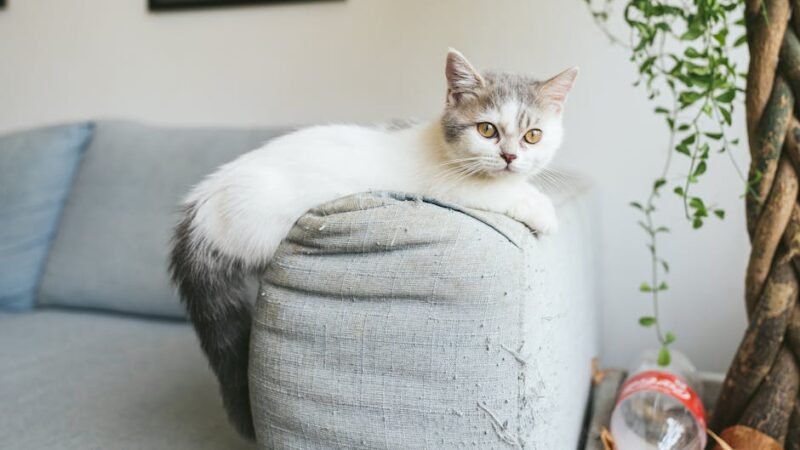
A pedigree cat comes from documented breed lines, with a registered parentage through a recognized registry such as TICA or CFA. The cat reliably shows the breed’s physical traits and, to a reasonable degree, temperament. Common pedigrees seen in Singapore include British Shorthair, Ragdoll, Persian, Scottish Fold, Maine Coon, Bengal, Siamese, and Russian Blue.
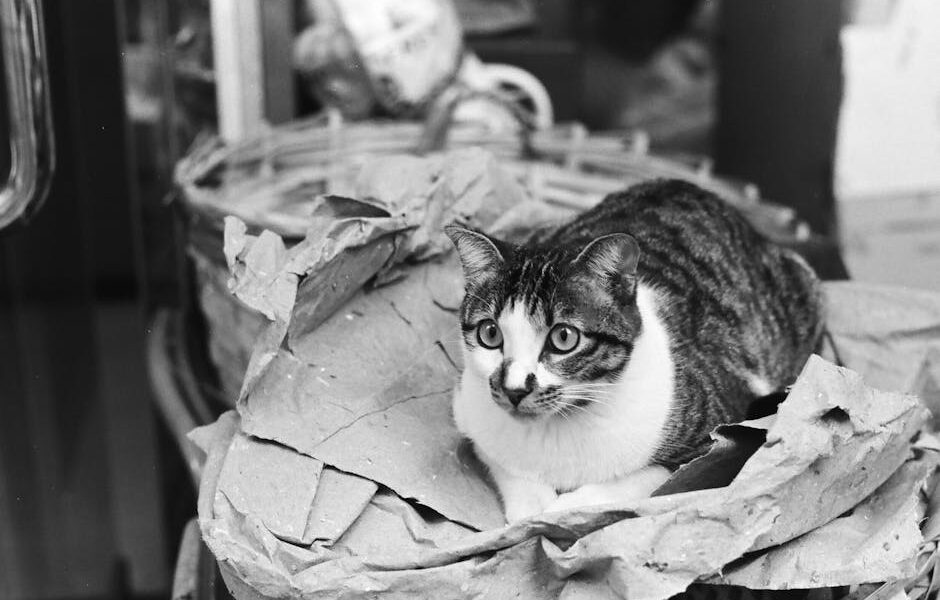
A moggy is everything else — a domestic shorthair or longhair with mixed ancestry and no registered pedigree. The Singapore Community Cat, the typical “streetie” or shelter cat you encounter through Cat Welfare Society or SPCA Singapore, is a moggy. So are mixed-breed cats with partial pedigree ancestry, for example a Persian mix from a surrender.
Both groups include short- and long-haired cats, any color or pattern, and the full range of personalities. The label tells you about ancestry, not about how loving or playful a particular cat will be.
Up-Front Cost: Adoption vs Purchase
Moggies are almost always adopted, and rescue fees in Singapore are typically a modest contribution toward the cat’s prior medical costs: sterilization, vaccinations, microchipping, deworming, and FIV/FeLV testing. Exact figures vary by rescue and foster, and are best confirmed at the time of adoption.
Pedigree kittens from licensed Singapore breeders are significantly more expensive, usually running into the low thousands, with higher prices for rare colors or imported lines. Those figures can shift, and licensing requirements through AVS have changed over time, so always confirm current practice directly with AVS and the breeder. Rescue pedigrees — surrendered Persians, older Ragdolls, returned breeder cats — sometimes come through CWS, Purely Adoptions, or Mercylight at standard rescue contributions, a path worth watching if you want a pedigree cat without the kitten markup.
Put simply, the entry cost for a moggy is a fraction of the entry cost for a pedigree kitten, and the gap is often one of the biggest factors for first-time owners.
Lifetime Vet Costs and Health Risk
Over 15 years, vet care usually outweighs purchase price. This is where the pedigree premium can grow. Concentrated breed lines concentrate genetic risk: polycystic kidney disease in Persians and Exotics, hypertrophic cardiomyopathy in Ragdolls and Maine Coons, brachycephalic airway problems in Persians, Himalayans, and Exotics, bone and joint issues in Scottish Folds, and so on. Ethical breeders screen and mitigate these, but risk is never zero.
Moggies benefit from hybrid vigor — the statistical advantage of a wider gene pool — and generally show fewer concentrated hereditary diseases. They are still vulnerable to the common feline conditions (dental disease, kidney disease in older age, diabetes, urinary issues), but the probability of breed-specific surgery or specialist care is lower.
Routine care is similar across both groups: annual wellness checks, vaccinations, dental monitoring, parasite prevention. Pet insurance premiums in Singapore tend to price pedigree cats higher because of these risk factors; that trend is well worth factoring into long-term budgeting.
Climate Suitability in Tropical Singapore
Singapore’s year-round heat and humidity favor the moggy. Short single coats, normal muzzles, and lean builds are all climate-friendly traits that the Singapore Community Cat has honed over generations. These cats typically cope well with 28 to 33 degree Celsius days even with only fans and cross-ventilation, though air conditioning is still beneficial during peak afternoon hours.
Pedigrees vary widely. Short-coated, normal-muzzled breeds like British Shorthair, Russian Blue, Siamese, and Burmese generally adapt well with reasonable climate management. Dense double-coated breeds like Maine Coon, Norwegian Forest Cat, Siberian, and Persian struggle more in tropical conditions and lean heavily on air conditioning. Brachycephalic breeds — Persian, Himalayan, Exotic Shorthair — are most at risk because heat dissipation through panting is compromised.
For a hotter-weather roundup, see HDB-friendly cat breeds which filters for Singapore-compatible breeds specifically.
HDB Realities and Indoor Living
Current HDB rules do not formally allow pet cats in HDB flats, although enforcement has historically been light and a new framework is reportedly under review. This applies equally to moggies and pedigrees — neither is “approved” in a formal sense. Adopters make the call within that context, and any cat should be kept strictly indoors with meshed windows and balconies to prevent high-rise falls, which are a real and recurring tragedy in Singapore.
Landlord approval and household consent matter more than breed. Many landlords have blanket no-pet clauses; others allow cats with a small deposit and pet references. A moggy tends to raise fewer eyebrows in private rental because it does not look conspicuously expensive or unusual, but that is social, not regulatory.
Within the flat, moggies and pedigrees both need vertical space, scratchers, play, and a quiet litter setup. Space footprint is essentially equal.
Grooming, Noise, and Daily Care
Moggies — especially short-haired community cats — are typically the lowest-maintenance cats in Singapore. A brush every week or two, nails trimmed monthly, dental care, and litter scooping covers most of the routine. Long-haired moggies (less common) need a bit more, but rarely the daily work of a Persian.
Pedigree grooming varies dramatically. A Persian or Himalayan needs daily combing. A Ragdoll needs two to three brushes a week. A British Shorthair only a once-a-week brush. A Sphynx needs weekly baths. Research the specific breed before you commit. Humidity compounds any long-coat routine.
Noise varies too. Moggies are generally moderate-voiced. Siamese, Oriental, and some Bengal lines can be noticeably vocal, which matters in an HDB block where walls are shared.
Adoption Routes in Singapore: Rescue, Rehome, or Breeder
Most moggies come through rescues and fosters. Cat Welfare Society, SPCA Singapore, Purely Adoptions, Mercylight, and independent fosterer networks are the main routes. Listings are usually on their websites and social media, and the process typically involves an application, chat with the foster, and a home visit or detailed photo check. Browse current listings via the Walk Me Home Rescue cat adoption hub.
Pedigrees come through three routes: licensed breeders, rescue surrenders, and the secondary rehoming market (owners rehoming a cat directly). Breeders in Singapore require AVS licensing; verify licensing status before engaging. Rescue surrenders are the most ethical way to bring a pedigree home — you save a life, bypass the kitten mill risk, and usually pay a standard rescue contribution.
Owner rehoming platforms like our rehome a pet form occasionally feature pedigrees whose owners cannot keep them due to relocation or circumstance, and this is a meaningful path worth monitoring.
Choosing Between the Two
Choose a moggy if you value climate suitability, lower up-front cost, broader availability, fewer breed-specific health risks, and the satisfaction of adopting a cat who might otherwise remain homeless. For most first-time Singapore owners, this is the pragmatic choice.
Choose a pedigree if you have a specific temperament or appearance that matters to your household, you have the budget for potentially higher vet costs, and you are willing to plan around climate and grooming demands. Do so through rescue where possible; if buying, verify AVS licensing and health testing carefully.
Either way, the best predictor of a good match is not breed but temperament fit and household readiness.
Frequently Asked Questions
Are moggies healthier than pedigree cats?
On average, they show fewer concentrated genetic diseases because of a wider gene pool, but any individual cat’s health depends on care, diet, and environment. Pedigree cats from ethical, screened lines can also be very healthy.
Can I find a pedigree cat at a Singapore rescue?
Yes, occasionally. Persians, Ragdolls, British Shorthairs, and Scottish Folds do appear through CWS, Purely Adoptions, and Mercylight from surrenders. They are adopted quickly, so follow rescues’ channels actively.
Is a moggy better for HDB living than a pedigree?
In climate terms, yes — short coats and normal muzzles cope better with tropical heat. In regulatory terms, cats are not formally listed as HDB-approved pets regardless of breed, and any cat should be kept strictly indoors with meshed windows.
What is the true lifetime cost difference?
It depends on the specific cat, but the main drivers are purchase price, potentially higher pedigree vet costs, and breed-specific care (e.g. daily grooming supplies for long-haired breeds). Budget for unexpected vet events regardless of breed.
Can a moggy and a pedigree live together?
Yes. Compatibility is about individual temperament and a careful introduction, not breed. Many households happily combine a moggy and a pedigree, or a moggy and a Singapore Special cat.
Looking to adopt a Moggy vs Pedigree Cat in Singapore?
Browse Moggy vs Pedigree Cat in Singapore cats and mixes available for adoption from shelters and rescues near you.
Find Moggy vs Pedigree Cat in Singapore Cats for Adoption