Last updated: April 27, 2026
In this article
Smooth Fox Terrier Breed Profile: The Original Gentleman’s Terrier
Before there were Jack Russells, before there were Rat Terriers, there was the Smooth Fox Terrier: the original fox-bolting terrier that set the template for an entire family of breeds. With its sleek white coat, chiseled head, and unshakeable confidence, the Smooth Fox Terrier was the terrier of choice for English country gentlemen during the golden age of foxhunting. Today, this spirited breed remains one of the most charismatic and entertaining dogs you can own, offering a blend of athleticism, intelligence, and personality that few breeds can match. If you have a taste for history, an appreciation for bold character, and the energy to keep up with a terrier, this guide will show you why the Smooth Fox Terrier has captivated dog lovers for over two centuries.
History and Origins
The Smooth Fox Terrier’s history is intertwined with the English foxhunting tradition that dominated rural British life from the eighteenth century onward. While mounted hunters and their Foxhound packs pursued the fox across open country, a smaller, faster terrier was needed for the moment the fox went to ground. The fox terrier’s job was to follow the fox into its den and either bolt it back out for the chase to continue or hold it at bay until the huntsmen could dig it out.
This demanding work required a specific set of qualities: the courage to face a cornered fox underground, the small size to fit into a den, the stamina to keep up with horses and hounds for miles, and the predominantly white coat that would distinguish it from the fox when it emerged from the earth. Breeders achieved this combination by crossing various terrier types, likely including the now-extinct Old English White Terrier, the Black and Tan Terrier, and the Bull Terrier.
The Smooth Fox Terrier was among the first breeds to be shown in the modern dog show ring, appearing at English shows as early as the 1860s. It became one of the most popular breeds in England by the late nineteenth century and quickly gained a following in the United States as well. The breed was one of the earliest recognized by the American Kennel Club and has been a fixture in the Terrier Group ever since. Its close relative, the Wire Fox Terrier, was initially shown as the same breed before being separated into two distinct breeds in the mid-twentieth century. For a comparison, visit our Wire Fox Terrier breed profile.
The Smooth Fox Terrier’s influence on other breeds is substantial. It played a role in the development of the Jack Russell Terrier, the Parson Russell Terrier, the Toy Fox Terrier, and several other terrier breeds. For a closer look at one of its most popular descendants, check out our Jack Russell Terrier breed profile.
Appearance and Size
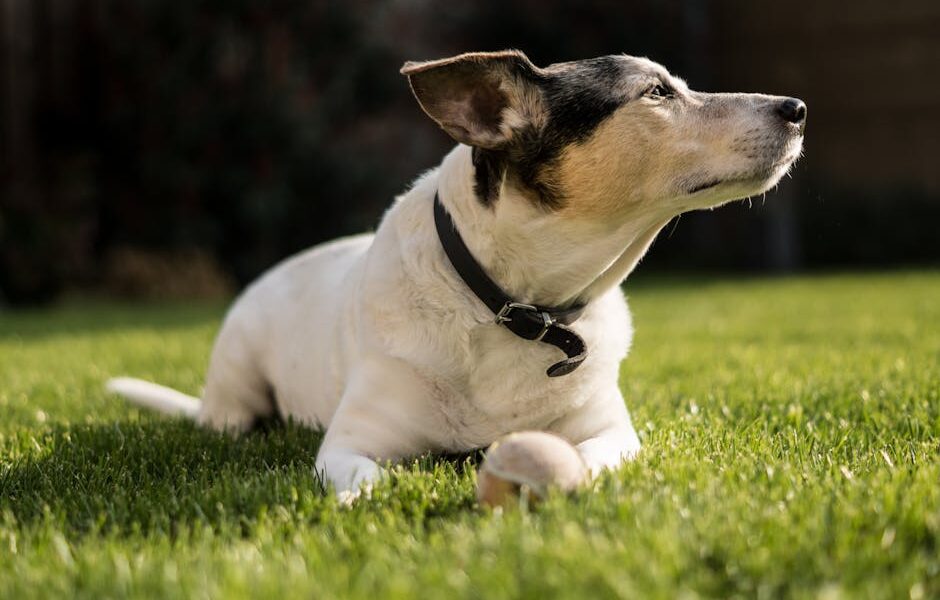
The Smooth Fox Terrier is a small to medium-sized dog with a clean, elegant outline that suggests speed and agility. Males and females stand approximately 14 to 15.5 inches at the shoulder. Males typically weigh 17 to 19 pounds, while females are slightly lighter at 15 to 17 pounds. The breed standard emphasizes balance and proportion, with a dog that should be “short-backed, but covering a lot of ground.”
The head is one of the breed’s most distinctive features. It is long, lean, and gradually narrows from the moderately flat skull to the nose, creating a wedge shape that is refined but not delicate. The eyes are small, dark, and round, conveying an expression of keen intelligence and barely contained energy. The ears are small, V-shaped, and fold forward close to the cheeks, adding to the breed’s alert, ready-for-action appearance.
The body is compact and athletic, with a short back, a deep chest that extends to the elbows, and strong, straight legs. The tail is traditionally docked and carried high, signaling the confident, upbeat temperament that defines the breed. In countries where docking is prohibited, the natural tail is moderately long and carried gaily.
The coat is smooth, flat, hard, and dense, lying close to the body and providing a sleek, polished appearance. The predominant color is white, with markings in black, tan, or a combination of both. The white base coat was historically essential for visibility in the field, and it remains a hallmark of the breed’s appearance. The coat’s short length and hard texture make the Smooth Fox Terrier one of the easier terrier breeds to maintain in terms of grooming.
Temperament and Personality
The Smooth Fox Terrier is, in a word, bold. This is a breed that approaches life with absolute confidence and enthusiasm, unencumbered by self-doubt or hesitation. Smooth Fox Terriers are energetic, curious, playful, and always ready for action. They have a terrier’s characteristic alertness and a seemingly inexhaustible supply of energy that can be both delightful and exhausting, depending on your perspective and your own energy level.
Intelligence is a defining trait of the breed. Smooth Fox Terriers are quick learners who can figure out problems, open latches, and devise escape routes with impressive creativity. This intelligence, combined with their independent nature, means they need an owner who can stay one step ahead. A bored or understimulated Smooth Fox Terrier will find its own entertainment, and the results rarely align with its owner’s preferences.
With their families, Smooth Fox Terriers are affectionate, loyal, and often hilarious. They have a playful, clownish side that can emerge at unexpected moments, and their enthusiasm for life is genuinely infectious. They tend to bond closely with their families and can be protective of their home and people, making them alert and vocal watchdogs.
The breed’s prey drive is strong, a direct inheritance from its fox-bolting ancestors. Smooth Fox Terriers will chase squirrels, cats, rabbits, and anything else that runs with single-minded determination. This prey drive, combined with a confident temperament that can tip toward same-sex aggression with other dogs, means that the Smooth Fox Terrier requires careful management around other animals. Early socialization helps, but the breed’s instincts are deeply ingrained and should be respected. For a roundup of smaller breeds with big personalities, visit our guide to the best small dog breeds.
Exercise and Training
The Smooth Fox Terrier is a high-energy breed that needs substantial daily exercise to stay happy and well-behaved. Plan on at least 60 minutes of vigorous activity per day, which should include brisk walks, running, interactive play sessions, and mentally stimulating activities. The breed excels in a variety of dog sports, including agility, barn hunt, earthdog trials, flyball, and rally obedience. These activities provide both the physical exercise and the mental engagement that the Smooth Fox Terrier craves.
A securely fenced yard is highly recommended for this breed. The Smooth Fox Terrier’s prey drive and adventurous nature make it a flight risk in unfenced areas, and its digging ability means that fences should extend below ground level to prevent escapes. Even in a fenced yard, supervision is wise, as the breed’s creativity in finding escape routes should not be underestimated.
Training a Smooth Fox Terrier is a rewarding challenge. The breed is intelligent enough to learn quickly but independent enough to question why it should comply. Positive reinforcement methods work best, with food, toys, and play serving as effective motivators. Training sessions should be short, varied, and engaging to hold the terrier’s attention. Repetitive drills will bore the Smooth Fox Terrier and lead to creative noncompliance.
Consistency is essential in training this breed. Rules must be clear and enforced reliably, as the Smooth Fox Terrier will exploit any inconsistency with impressive speed. Establishing boundaries early and maintaining them throughout the dog’s life prevents the development of bad habits that become increasingly difficult to correct as the dog matures.
Early socialization is critical, particularly with other dogs. The Smooth Fox Terrier’s confidence can manifest as assertiveness or aggression toward other dogs, especially those of the same sex. Positive, controlled exposure to a variety of dogs during puppyhood helps develop appropriate social skills. Even with thorough socialization, some Smooth Fox Terriers may remain selective about their canine companions throughout their lives.
Health and Lifespan
The Smooth Fox Terrier is a generally healthy breed with an impressive lifespan of 12 to 15 years. Some individuals live well beyond this range, making the breed one of the longer-lived terrier types. However, like all breeds, the Smooth Fox Terrier is susceptible to certain health conditions.
Patellar luxation, where the kneecap slips out of its normal position, is one of the more common orthopedic concerns in the breed. Mild cases may require no treatment, while severe cases may need surgical correction. Legg-Calve-Perthes disease, which involves the deterioration of the head of the femur, has also been documented in the breed and typically requires surgical intervention.
Eye conditions, including lens luxation and cataracts, are concerns in the Smooth Fox Terrier. Primary lens luxation is a particularly serious condition that can lead to glaucoma and blindness if not treated promptly. A DNA test is available for primary lens luxation, and responsible breeders should test their stock before breeding. Deafness, which can be associated with the breed’s white coat pigmentation, occurs in some individuals and can be screened for using BAER testing.
Cardiac issues, including pulmonic stenosis and mitral valve disease, have been reported in the breed. Regular veterinary checkups with cardiac auscultation can help detect these conditions early. Skin allergies are also relatively common and may require dietary management, medication, or both.
Grooming the Smooth Fox Terrier
One of the Smooth Fox Terrier’s most appealing practical qualities is its relatively low grooming requirements compared to many other terrier breeds. The short, dense coat needs only weekly brushing with a firm bristle brush or grooming mitt to remove loose hair, distribute natural oils, and keep the coat looking sleek and healthy.
Despite the coat’s short length, the Smooth Fox Terrier does shed, and shedding can be moderate, particularly during seasonal coat changes. Regular brushing helps manage shedding and reduces the amount of hair that ends up on your furniture and clothing. A rubber curry brush or grooming glove can be particularly effective at removing loose undercoat during heavier shedding periods.
Bathing every four to six weeks, or as needed after dirty outdoor adventures, keeps the coat clean and fresh. The white portions of the coat may show dirt more readily than darker coats, so more frequent bathing may be necessary if your Smooth Fox Terrier enjoys digging or rolling in interesting substances. Use a mild dog shampoo to preserve the coat’s natural oils and hard texture.
The breed does not require professional grooming in the same way that wire-coated terriers do, which can represent a significant savings in time and money over the dog’s lifetime. Basic maintenance, including nail trimming every two to three weeks, weekly ear cleaning, and regular dental care, rounds out the grooming routine. Dental health is particularly important, as small breeds are prone to dental disease, and consistent at-home dental care can help prevent costly professional cleanings and extractions.
Who Is the Smooth Fox Terrier Best For?
The Smooth Fox Terrier is best suited for active, experienced dog owners who enjoy a dog with personality, energy, and a mind of its own. This is not a breed for passive owners or those looking for a quiet, low-key companion. The Smooth Fox Terrier demands engagement, exercise, and mental stimulation, and it rewards owners who provide these things with unwavering loyalty, endless entertainment, and a bond that is difficult to replicate with any other breed.
Active individuals, couples, and families with older children are the best matches for the breed. The Smooth Fox Terrier’s small size and relatively easy-care coat make it adaptable to various living situations, including apartments, provided its exercise needs are met. However, its vocal nature and high energy level mean that apartment living requires a commitment to daily outdoor activity and training to manage barking.
Homes with cats, rabbits, or other small animals should carefully consider whether the Smooth Fox Terrier’s prey drive is compatible with their existing pets. While some individuals can learn to coexist with cats if raised with them from puppyhood, the breed’s instinct to chase is strong and should be respected.
First-time dog owners can succeed with a Smooth Fox Terrier if they are prepared for the breed’s energy, independence, and training challenges. Enrolling in a training class, connecting with breed-specific communities, and reading extensively about terrier temperament will provide a foundation for a successful relationship. If you are ready for a dog that will challenge you, entertain you, and love you with characteristic terrier devotion, the Smooth Fox Terrier is a magnificent choice. Check breed-specific rescues, as these wonderful dogs sometimes find themselves in need of new homes.
Frequently Asked Questions
What is the difference between a Smooth Fox Terrier and a Wire Fox Terrier?
The primary difference is the coat. The Smooth Fox Terrier has a short, flat, dense coat, while the Wire Fox Terrier has a rough, wiry, broken coat that requires regular hand-stripping or clipping. The two breeds also have slightly different head shapes, with the Wire Fox Terrier having a more rectangular, furnished appearance due to its facial hair. Temperamentally, the two breeds are very similar, sharing the same high energy, intelligence, and bold personality. They were historically considered the same breed and were separated into distinct breeds by the AKC in 1985.
Are Smooth Fox Terriers good with children?
Smooth Fox Terriers can be excellent companions for older children who are active and enjoy playing with a lively, energetic dog. The breed’s playful nature and seemingly endless energy make it a natural playmate for kids who can keep up. However, the Smooth Fox Terrier may be too intense for very young children, and its tendency to nip during play should be addressed through training. Teaching children how to interact respectfully with the dog and supervising interactions is important for a safe and positive relationship.
Do Smooth Fox Terriers bark a lot?
Yes, the Smooth Fox Terrier can be a vocal breed. Its alert watchdog nature means it will bark at unfamiliar sounds, visitors, and anything it finds interesting or suspicious. The breed’s bark is sharp and can be persistent. Training can help manage excessive barking, but expecting a completely silent Smooth Fox Terrier is unrealistic. Providing adequate exercise and mental stimulation reduces boredom-related barking, and teaching a “quiet” command gives you a tool for managing alert barking.
How long do Smooth Fox Terriers live?
Smooth Fox Terriers are a long-lived breed with an average lifespan of 12 to 15 years. Some individuals live well beyond 15 years with proper care, nutrition, and regular veterinary attention. Choosing a puppy from health-tested parents, maintaining a healthy weight, providing regular exercise, and staying current with veterinary care are the best strategies for maximizing your Smooth Fox Terrier’s lifespan and quality of life.
Looking to adopt a Smooth Fox Terrier Breed Profile?
Browse Smooth Fox Terrier Breed Profile dogs and mixes available for adoption from shelters and rescues near you.
Find Smooth Fox Terrier Breed Profile Dogs for Adoption