Last updated: May 4, 2026
In this article
Quick Comparison
The Toybob vs Singapura comparison brings together two of the smallest domestic cats in the world. Both reach adult weights well below the average house cat: Toybobs typically range from about three to seven pounds at maturity, while Singapuras typically range from about four to eight pounds. Beyond size, the two breeds differ substantially in origin, conformation, registry status, and coat genetics.
The Toybob is a Russian-origin breed that emerged in the 1980s from a naturally occurring tiny Bobtail mutation. The Singapura was formalized by Hal and Tommy Meadow in the 1970s, with origins traced (depending on the source) to Singapore street cats or to Burmese–Abyssinian crosses developed in the United States. Toybobs hold TICA preliminary new breed status. Singapuras are CFA and TICA championship recognized, with established breed clubs.
If you want a tiny adult cat with championship recognition, plentiful breeder options, and a distinctive ticked sepia agouti coat, the Singapura is the more practical pick. If you want an even smaller, full-spectrum-color tiny bobtail and you are willing to navigate a much rarer breed with import or waitlist logistics, the Toybob is the more interesting choice.
Origin and History
The Toybob originated in Russia, where breeders working with naturally occurring tiny bobtailed cats began formalizing the type in the 1980s. The Toybob is genetically distinct from other bobtail breeds, with its own short tail mutation and a strong tendency toward small adult size. TICA accepted the breed for preliminary new breed status, and breeders in Russia, Western Europe, and a small number in North America continue to refine the population.
The Singapura was formalized in the 1970s by Hal and Tommy Meadow, who brought cats to the United States and registered them as a new breed. The originating story holds that the cats came from Singapore street populations, where small ticked sepia agouti cats had lived for generations. Genetic and historical research has since suggested the foundation stock may have been crosses of Burmese and Abyssinian-type cats developed within the United States. The “Singapore street cat” origin remains debated and is best treated honestly without strong claim either way.
Both breeds reached their modern form within the last several decades. The Singapura has had longer to establish breeder networks and championship status, while the Toybob is still building its international footprint. The “world’s smallest cat breed” title is sometimes claimed by both, with the truth being that adult sizes overlap significantly and individual cats matter more than breed averages.
Appearance and Build
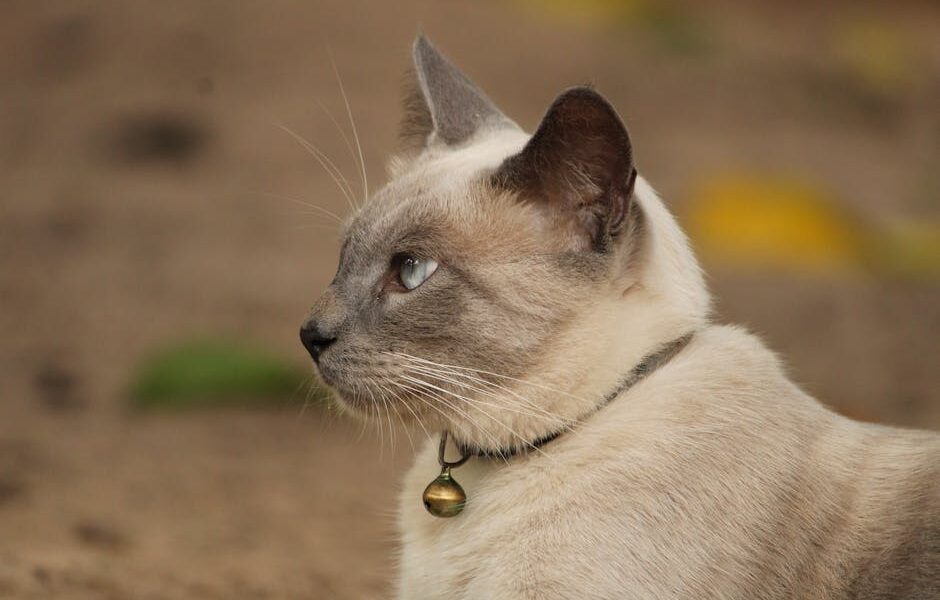
The Singapura is a small, muscular, compact cat with a rounded head, large almond-shaped eyes, and disproportionately large ears. Its defining feature is the ticked sepia agouti coat: each hair has multiple bands of color that produce a warm, glowing appearance. The single recognized color in the breed standard is sepia agouti, with green, hazel, or yellow eyes. The body is smaller and lighter than most domestic cats but proportionally muscular.
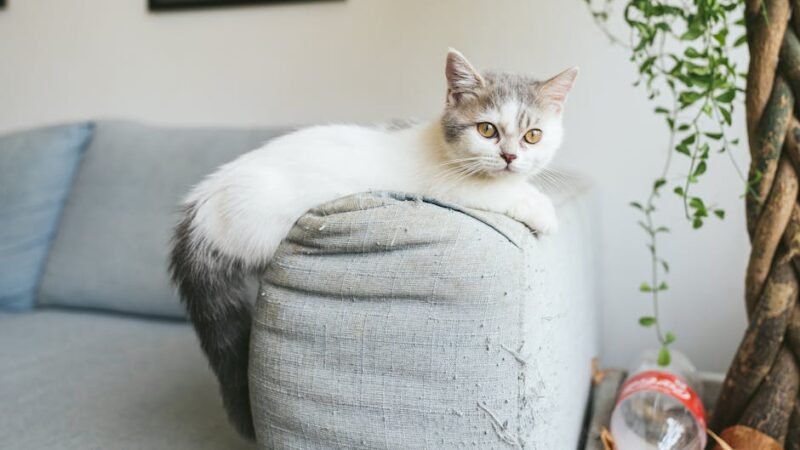
The Toybob is also small and compact, with a rounded head, medium-sized ears, and oval eyes that come in various colors including green, gold, and blue. The defining feature is the short bobtail, typically two to four inches with kinks or curls. The body is sturdier than the Singapura’s, with a slightly cobbier build that retains kitten-like proportions into adulthood. The coat appears in shorthair and semi-longhair varieties and ranges across the full spectrum of pointed, tabby, solid, and bicolor patterns.
Side by side, the Singapura looks more refined and consistent in color, while the Toybob looks more variable and rustic. Both project a perpetually youthful appearance because of their small size and proportional features.
Temperament and Personality
Singapuras are highly social, playful, and curious. They are known for being people-oriented to the point of “shoulder cat” tendencies, often climbing onto laps and shoulders for interaction. They retain kitten-like energy well into adulthood, enjoy interactive play, and are vocal in a soft, chirping register rather than a loud Siamese-style voice. Singapuras typically do well in multi-cat households and with respectful dogs.
Toybobs are also social and affectionate, with reports of strong bonding and dog-like behavior including following owners from room to room and greeting visitors. They are typically described as friendly, confident, and curious, with moderate vocalization. The energy level is high but not as constantly intense as a Singapura, with more variation between individuals.
Both breeds suit households where they will get attention. They thrive on interaction, play sessions, and access to vertical space. Neither does well with twelve-hour absences and no companion animal. For breed-matching ideas, see our most affectionate cat breeds and most playful cat breeds roundups.
Care, Grooming, and Activity Needs
Grooming is straightforward for both breeds. The Singapura’s short ticked coat needs only weekly combing to manage shedding. The Toybob’s shorthair variety has the same requirement, while the semi-longhair Toybob benefits from twice-weekly combing. Both shed modestly with seasonal increases in spring and fall.
Activity needs are high in proportion to size. Both breeds are agile climbers and excellent jumpers despite their small frames. Vertical space, cat trees, window perches, and interactive toys are essential. Puzzle feeders work well with both breeds, given their high intelligence and food motivation. Read more in our puzzle feeders for cats guide.
Because of their small size, both breeds appreciate living spaces calibrated to their dimensions. Cat shelves at heights they can reach in single jumps, cat trees that are not too oversized, and small-cat-appropriate carriers all matter. Cold drafts can affect smaller cats more than larger cats, so a warm bed and indoor temperature stability help.
Health and Lifespan
Singapuras have a small gene pool relative to most championship breeds, which means responsible breeders pay close attention to diversity. The breed has been associated with pyruvate kinase deficiency, which can be screened for genetically. HCM screening with cardiac ultrasound is also valuable. Most Singapuras live well into their teens with attentive care.
Toybobs are still building their breed health profile because the population is younger as a formalized breed. The bobtail mutation in Toybobs has not been linked to the spinal issues seen in Manx homozygotes, but ethical breeders pursue careful pairings to safeguard the population. Ask breeders about screening and pedigree diversity.
For both breeds, routine wellness care drives lifetime quality more than breed-specific concerns. Our adult cat wellness checklist and HCM in cats overview cover the relevant baseline expectations.
Living Situation Fit
Both breeds thrive in apartments and small homes thanks to their compact size and adaptable temperaments. Singapuras in particular are often singled out as among the best small-space cats. Both breeds also do well in larger homes provided the vertical space is set up to their proportions.
Multi-pet households work well with both breeds. Singapuras are highly social with other cats, and Toybobs typically tolerate or enjoy other pets. Children who can handle a small cat gently are usually a good fit, though very young children may handle these breeds too roughly given their size.
Climate considerations are minor for both. Indoor cats with warm beds and stable temperatures do well in any region. For more on small-cat lifestyle fit, see our cat breeds that stay small and smallest cat breeds roundups.
Cost and Availability
Singapuras are available through CFA and TICA breeders in North America, Europe, and parts of Asia. Pet-quality Singapura kittens typically fall in the mid to high four figures, with waitlists common for top breeders. The breed has an active club presence and a network of long-term breeders.
Toybobs are rare outside Russia and Eastern Europe. A small number of breeders work with the breed in Western Europe and a handful in North America. Pet-quality Toybob kittens typically start in the high four figures, with import logistics adding to the total for North American buyers. Waitlists are often a year or longer.
For direct context, see the Toybob cat breed profile and the Singapura cat breed profile. Compare with our Singapura vs Burmese article and our cat breeds from Russia roundup. The wider category is covered in our Asian cat breeds overview.
Decision Framework: When to Choose Each
Choose the Singapura if you want a championship-recognized small cat with established breeder networks, a distinctive ticked sepia agouti coat, and a highly social shoulder-cat personality. Singapuras are ideal for apartment dwellers, multi-cat households, and people who enjoy a cat that wants to be involved in everything.
Choose the Toybob if you specifically want a tiny bobtailed cat in a wider color range, you are drawn to its rustic Russian heritage, and you can wait or travel for an ethical breeder. Toybobs suit households comfortable with a rare breed’s longer waitlists and fewer support resources.
Skip both if you have very young children who may handle a small cat roughly, or if you prefer a cat with quieter, more independent energy. A British Shorthair or Russian Blue from our calmest cat breeds list would be a better match.
Frequently Asked Questions
Which is smaller, the Toybob or the Singapura?
Adult sizes overlap significantly. Toybobs commonly range from three to seven pounds and Singapuras from four to eight pounds. Individual variation matters more than breed averages, and the “world’s smallest cat breed” title is contested between the two.
Are Singapuras really from Singapore?
The originating story claims Singapore street cats as the foundation. Some genetic and historical research suggests the foundation stock may have been Burmese and Abyssinian crosses developed in the United States. Reputable sources treat both possibilities honestly without picking sides.
Do Toybobs have health problems from their small size?
The Toybob’s small size and bobtail mutation have not been linked to specific health conditions in the way some structural mutations have. Ethical breeders still pursue careful pairings. As with any small population, ask about pedigree diversity and routine cardiac screening.
Are these cats good with children?
Both can be good with respectful older children. Their small size means very young children may handle them too roughly, so direct supervision is essential. Singapuras’ social nature in particular often makes them welcoming to family activity.
Where can I find a small cat for adoption?
Pure Toybobs and Singapuras in rescue are uncommon, but small adult cats appear in shelters regularly. Browse the adopt cats hub or local cat-only rescues. Smaller adult mixed-breed cats can offer similar lifestyle fit at a lower commitment than purchasing a rare pedigreed kitten.
Looking to adopt a Toybob vs Singapura?
Browse Toybob vs Singapura cats and mixes available for adoption from shelters and rescues near you.
Find Toybob vs Singapura Cats for Adoption