Last updated: May 4, 2026
In this article
Overview of the Traditional (Doll Face) Persian
The Traditional Persian, often called the Doll Face Persian, is the moderate-faced original type of the Persian breed. It predates the extreme flat-faced Persian that emerged from selective show-line breeding in the second half of the twentieth century. While the show-line peke-faced Persian has its devoted following, many adopters and ethical breeders have returned to or stayed with the doll-faced Persian because its facial structure carries fewer of the breathing, eye drainage, and dental crowding issues that come with extreme brachycephalic features.
Some registries do not recognize the Doll Face or Traditional Persian as a separate breed because, technically, it is the same breed as the modern show Persian, just bred to an older facial standard. Other registries and many breeders treat it as a distinct line. Either way, when you adopt a doll-faced Persian, you are getting a Persian cat with the breed’s classic luxurious coat and gentle temperament, in a body that breathes easier and has fewer ocular issues than its peke-faced cousin.
For comparison reading, our Persian cat breed profile covers the breed broadly, and the Persian vs Himalayan cat piece walks through how Persian-derived breeds compare.
History and Origins
The Persian breed traces its origins to the longhaired cats of the Middle East, with the modern Persian developed primarily in the United Kingdom and the United States in the nineteenth and twentieth centuries. For most of that history, Persians had a moderate face, a clearly visible nose, and a relatively conventional skull structure.
In the second half of the twentieth century, North American show breeders began selecting for an increasingly flattened face, eventually producing the extreme peke-faced Persian seen in many show rings today. Some breeders never followed that trend, instead continuing to breed Persians with the older moderate facial structure. These cats came to be called Traditional or Doll Face Persians as a way of distinguishing them from the show-line type.
Today, doll-faced Persian breeders see themselves as preserving a healthier, more traditional version of the breed. Welfare-focused organizations have raised concerns about the show-line type for years, and the Doll Face Persian is one response from within the breed community.
Appearance
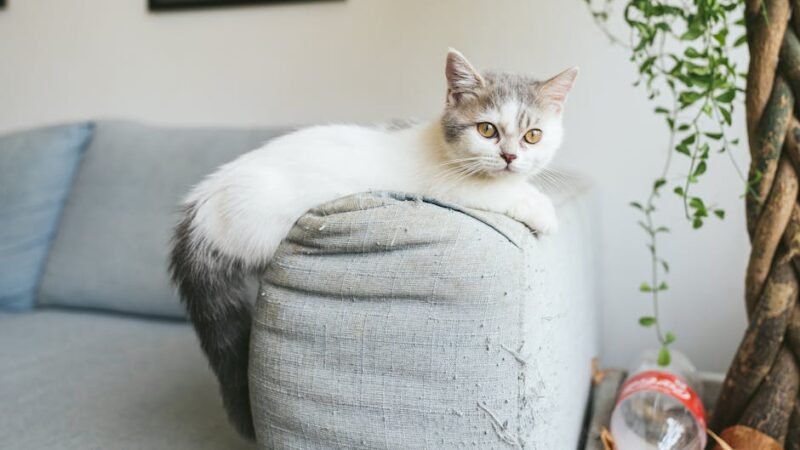
The Doll Face Persian has the long flowing coat, sturdy body, and short legs of any Persian, but with a moderate skull. The nose is clearly visible and protrudes from the face rather than sitting flush. The eyes are large and round but set in a way that allows tear drainage to function more normally than in extreme peke-faced cats. The ears are small and rounded, and the head is large with a strong jaw.
The coat is the breed’s signature. It is long, soft, fine, and full, with a thick ruff around the neck and feathering on the legs and tail. Coat colors and patterns are wide-ranging, including solid, tabby, bicolor, Calico, smoke, and shaded varieties.
Coat Care
Daily brushing is essential. The fine, long coat mats quickly without consistent grooming, especially under the arms, behind the ears, and on the belly. Many doll-faced Persian owners include short brush sessions in the daily routine and full grooming sessions weekly. Some opt for a lion cut from a professional groomer in summer to make daily care easier.
Temperament and Personality
Persians, including the doll-faced type, are calm, gentle, and affectionate. They are generally happy to lounge in soft spots, accept attention from their humans, and observe household activity without joining in too vigorously. They are not the most playful breed in adulthood, though kittens have plenty of energy and play instincts.
The breed often forms strong bonds with one or two people in the household and tolerates other pets when introductions are gradual. They prefer calm households and steady routines, and they are generally not enthusiastic about loud or chaotic environments.
For comparison, the Exotic Shorthair shares the Persian’s body type and temperament with a shorter coat, and the Himalayan is the colorpoint Persian relative. Reading those profiles alongside this one helps if you are weighing breeds within the Persian family.
Care and Daily Living
Beyond grooming, doll-faced Persians need indoor living, calm environments, and steady routines. Their long coat is not suited to outdoor life, and their gentle temperament does not equip them well for confrontation or rough play.
Watch eye drainage. Even doll-faced Persians can have some tearing, and a daily wipe with a soft damp cloth around the eyes prevents staining and skin irritation. Their nose, while not as flat as the show-line type, may still benefit from occasional cleaning if discharge accumulates.
Diet and Hydration
Feed a complete and balanced food matched to life stage, in measured portions. Persians can be prone to weight gain, and the long coat hides changes in body condition. Regular hands-on body checks are useful. Our adult cat wellness checklist outlines simple daily and weekly habits.
Encourage hydration. Some Persians drink more readily from fountains than from bowls. Good hydration supports kidney health and helps reduce the risk of urinary issues.
Health Considerations
Even with the moderate face, Persian-derived cats including the Doll Face type carry the breed’s underlying health considerations. Polycystic kidney disease, often called PKD, has historically affected the breed, and reputable Persian breeders test breeding cats for the condition. Hypertrophic cardiomyopathy, the most common feline heart disease, is another condition for which Persian breeding cats are often screened. Our resource on hypertrophic cardiomyopathy in cats explains HCM in any cat.
Dental crowding can occur because of the breed’s relatively short jaw, and starting a tooth-brushing routine in kittenhood pays dividends. Eye drainage is reduced compared to peke-faced Persians but not always eliminated, and a daily wipe routine helps prevent staining.
Ask any breeder about health testing in the parents. Reputable Doll Face Persian breeders test for known breed conditions and are transparent about results. The reputable rescue red flags resource outlines what to watch for in any organization that breeds or rehomes purebred cats.
Adopting a Doll Face Persian
Persians of all types appear in shelters more often than people expect. Surrenders happen for many reasons, from owners underestimating the grooming workload to changes in life circumstances. Some surrenders are doll-faced traditional Persians, while others are peke-faced show-line cats. If pedigree paperwork is not your priority, simply looking for a Persian in rescue is a strong starting point.
Our adopting a rescue Persian cat guide covers the practical aspects of bringing a rescued Persian home. Pair it with our cat-only rescues overview and the guide to finding a reputable rescue in your state to find rescues most likely to receive Persians.
If you go the breeder route, look specifically for breeders who advertise traditional or doll-faced Persians and who can show health testing for PKD and HCM in their breeding cats. Avoid breeders who minimize the difference between doll-faced and extreme types or who cannot answer specific health screening questions.
Living with a Doll Face Persian
Daily life with a Doll Face Persian centers on calm rhythms. They appreciate predictable routines, soft resting spots, and humans who move through the day at a measured pace. Loud, chaotic households are not their happy place, while quieter homes with thoughtful routines bring out the best in the breed.
The grooming habit is the single biggest commitment. A few minutes of brushing daily, ideally at the same time each day, prevents the mats that can otherwise develop quickly in a Persian coat. Treat the daily brush as both grooming and bonding time. Most Persians come to enjoy it when it is consistent and gentle, and the same session lets you check skin, eyes, ears, and overall body condition.
Litter habits are usually clean and reliable, but the long coat can sometimes pick up litter or waste material around the back end. Some owners give their Doll Face Persian a sanitary trim, keeping the fur shorter on the rear and back legs to prevent issues. A groomer can do this every few months, or you can learn to manage it at home with proper clippers.
Multi-pet homes can work, but they suit the Persian best when the other pets are also calm. Two Persians often live well together, as do Persians paired with quieter cats or gentle older dogs. High-energy puppies or rowdy juvenile cats can stress a Persian, so household composition matters.
Is a Doll Face Persian Right for You?
The Doll Face Persian suits adopters who want the classic Persian look and temperament without the extreme facial features that complicate breathing, eye drainage, and dental health. They are calm, affectionate companions who do well in steady homes and who reward consistent grooming with a stunning coat.
If you cannot commit to daily grooming or to monitoring eye drainage, the Persian breed family may not be the best fit. For everyone else, the Doll Face Persian is a beautiful, gentle middle path that honors the breed’s older, healthier original type.
Frequently Asked Questions
What is the difference between a Doll Face and a peke-faced Persian?
Doll Face Persians have a moderate facial structure with a clearly visible nose, while peke-faced Persians have an extremely flattened face with the nose set high and flush with the eyes. Doll Face cats generally breathe easier and have less severe tear drainage issues than peke-faced cats.
Is the Doll Face Persian its own breed?
It depends on the registry. Most registries treat it as the original moderate type within the Persian breed rather than a separate breed. Some breeders and informal communities use Doll Face or Traditional as a clear distinction from extreme show-line Persians.
Do Doll Face Persians still have Persian health issues?
Yes, in part. They carry the same underlying genetic considerations as any Persian, including risk for polycystic kidney disease and hypertrophic cardiomyopathy, both of which require breeder testing. Reduced facial extremity does help with breathing and tear drainage, but other Persian health concerns are unchanged.
How often do they need grooming?
Daily. The long fine coat mats quickly without consistent brushing. Plan on a short daily session and a thorough weekly grooming, with extra attention during seasonal sheds.
Are Doll Face Persians good with children?
They tend to be gentle and tolerant of respectful children, but they prefer calm interactions to rough play. Older kids who understand quiet handling are usually a better match than active toddlers.
Looking to adopt a Traditional (Doll Face) Persian Cat Breed Profile?
Browse Traditional (Doll Face) Persian Cat Breed Profile cats and mixes available for adoption from shelters and rescues near you.
Find Traditional (Doll Face) Persian Cat Breed Profile Cats for Adoption