Last updated: May 4, 2026
In this article
The treeing walker coonhound is one of those breeds that wins people over quickly — friendly, enthusiastic, and built for adventure in equal measure. Descended from English Foxhounds and refined over generations in the American South, this is a dog that lives for the chase, the trail, and the thrill of a scent carried on the wind. Whether you encounter one baying at the base of a tree deep in the woods or curled up at the foot of a couch with a satisfied sigh, the treeing walker Coonhound makes a lasting impression. Athletic, affectionate, and relentlessly energetic, this breed brings an enormous amount of personality into whatever home it joins. Understanding what makes the treeing walker coonhound tick — the stamina, the vocal nature, the independence — is the key to building a life with one that works for both dog and owner.
| Origin | United States (Virginia) |
|---|---|
| Size | Medium to Large |
| Weight | 50–70 lbs |
| Height | 20–27 inches at the shoulder |
| Lifespan | 12–13 years |
| Coat | Short, dense, glossy; classic tricolor (white, black, and tan) |
| Temperament | Friendly, energetic, vocal, independent, determined |
| Good With | Active families, older children, other dogs; needs careful management with small animals |
Personality & Temperament
Spend an afternoon with a treeing walker coonhound and you will come away with a clear sense of what this breed is about: warmth, enthusiasm, and an absolute refusal to slow down. These dogs are deeply friendly — with their families, with strangers, and typically with other dogs. They have none of the suspicion or aloofness associated with some working breeds. A treeing walker coonhound greets the world with its tail going and its nose already scanning the horizon.
That friendliness, however, does not translate into easy-going. The treeing walker coonhound is a high-energy dog with a powerful drive that was bred into it over generations of selective hunting work. This breed was designed to run for miles through rough terrain, track a scent with extraordinary precision, and then bay loudly at the base of a tree until its hunter arrived. All of that drive is still very much present in the modern dog, even in a household that has never set foot in the woods.
Vocality is one of the most defining traits of the treeing walker coonhound. This is a dog with a distinctive, carrying bay — not a bark but a deep, resonant sound that can travel a remarkable distance. Apartment living is generally not a good fit for this reason. Beyond the noise, owners should also be prepared for the Hound’s characteristic independence. Like most scent hounds, the treeing walker coonhound is capable of making its own decisions when a compelling scent is involved, which affects how it responds to commands in uncontrolled environments.
Appearance
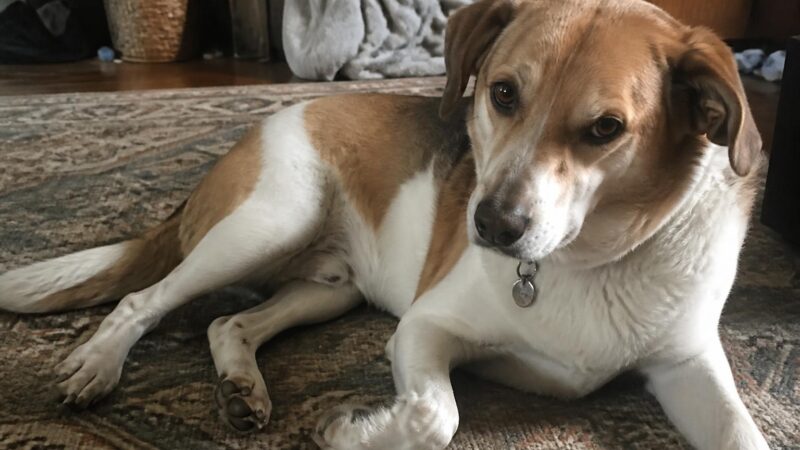
The treeing walker coonhound has a clean, athletic build that reflects its function completely. At first glance, the breed can resemble a larger, leggier Beagle — the same tricolor coat of white, black, and tan, the same long, velvety ears, and a similarly expressive face with soft, dark eyes. The comparison is understandable given their shared English Foxhound ancestry, but the treeing walker coonhound is a noticeably bigger dog, standing up to 27 inches at the shoulder and carrying significantly more muscle through the chest and hindquarters.
The body is built for endurance: a deep chest for lung capacity, strong and well-angled rear legs for propulsion over varied terrain, and a straight back that allows efficient ground-covering movement. The tail is carried upright and slightly curved — alert and confident. The coat is short, dense, and glossy, lying close to the body. The tricolor pattern is the hallmark of the breed, with the distribution of white, black, and tan varying from dog to dog but always producing a striking, clean-cut appearance. The long, pendulous ears serve a functional purpose, helping to funnel scent upward toward the nose as the dog works a trail.
Exercise Needs
There is no softening this: the treeing walker coonhound has very high exercise requirements, and those needs must be taken seriously before committing to the breed. This is a dog that was bred to run for hours at a stretch across rough country, driven by a scent and fueled by extraordinary stamina. A short walk around the block will not come close to satisfying it. A treeing walker coonhound that is under-exercised will become restless, vocal, and destructive — not out of spite, but out of genuine unmet need.
Plan for a minimum of 60 to 90 minutes of vigorous physical activity each day, and more when possible. Running, hiking on trails, off-leash time in a securely fenced area, and activities that engage the dog’s nose — such as tracking, nose work, or scent sports — are all excellent outlets. The scent drive in this breed is particularly important to understand. Given any opportunity, a treeing walker coonhound on an interesting trail will follow its nose with complete focus, making off-leash exercise in unfenced areas genuinely dangerous. A secure fence is not optional; it is essential. Mental stimulation through scent-based games and puzzle feeders rounds out the breed’s needs alongside physical exercise.
Grooming Needs
One of the practical advantages of the treeing walker coonhound is how little grooming it requires relative to how much dog you are getting. The short, dense, close-lying coat is low-maintenance by almost any standard. It does shed, but moderately — weekly brushing with a rubber grooming mitt or a bristle brush is sufficient to remove loose hair and keep the coat looking clean and healthy throughout most of the year. The coat does not mat, does not collect debris the way longer coats do, and dries quickly after wet weather or a bath.
Bathing is needed only occasionally — every six to eight weeks as a baseline, or after a particularly muddy outing. Beyond coat care, the most important grooming task for this breed is ear care. The long, floppy ears that help the treeing walker coonhound work a scent trail also trap warmth and moisture, creating conditions where yeast and bacteria thrive if not monitored. Check and clean the ears weekly with a veterinarian-recommended ear cleaner and keep the ear canal dry after baths or swimming. Nail trimming every three to four weeks and regular dental care — ideally daily tooth brushing — round out the grooming routine. For more general guidance, visit our dog care blog.
Health & Common Issues
The treeing walker coonhound is generally a hardy breed with a reasonably long lifespan for its size, but there are several health conditions that owners and prospective adopters should be aware of going in.
Hip dysplasia is a concern in medium and large breeds, and the treeing walker coonhound is no exception. The condition, in which the hip joint does not develop properly, can lead to arthritis and reduced mobility over time. Maintaining a healthy weight, providing appropriate exercise during puppyhood, and scheduling regular veterinary screenings all help manage the risk.
Ear infections are among the most common health issues in this breed, directly linked to the anatomy of those long, pendulous ears. Consistent ear hygiene dramatically reduces the frequency and severity of infections, but owners should know the signs — head shaking, odor, discharge, and scratching at the ear — and seek veterinary attention promptly when they appear.
Hypothyroidism, a condition in which the thyroid gland does not produce sufficient hormone, has been noted in coonhound breeds and can cause weight gain, lethargy, and coat changes. It is manageable with daily medication once diagnosed.
Polyradiculoneuritis, sometimes called coonhound paralysis, is a rare but notable immune-mediated condition that can cause progressive hind limb weakness, typically following exposure to raccoon saliva. Most affected dogs recover with supportive care, but awareness is important for any owner whose dog has contact with raccoons in the field.
Are Treeing Walkers Good With Kids and Other Pets?
The treeing walker coonhound’s friendly, sociable nature makes it a genuinely good candidate for family life with children, particularly those who are old enough to engage actively with a large, energetic dog. This breed is not aggressive and tends to be patient and affectionate with kids in its household. Its enthusiasm and size do mean that younger or smaller children can be knocked over unintentionally during play, so supervision during interactions is always a sensible practice.
With other dogs, the treeing walker coonhound typically does very well. It was traditionally hunted in packs and has strong instincts toward social behavior with other canines. Multi-dog households are often a good fit, providing companionship and an outlet for the breed’s social energy.
Small animals are a different matter. The treeing walker coonhound has a powerful prey drive that was specifically cultivated to pursue small animals — squirrels, rabbits, raccoons, and similar creatures. Cats, small dogs, and other small household pets need to be introduced carefully and managed with realistic expectations. Some treeing walker coonhounds can learn to coexist peacefully with cats they are raised alongside, while others never fully suppress the chase instinct. Honest assessment on a dog-by-dog basis is essential before assuming compatibility.
Training Tips
Training a treeing walker coonhound is a rewarding undertaking, but it requires patience and a clear-eyed understanding of what you are working with. This is not a breed that was developed to look to humans for every decision. The treeing walker coonhound was bred to work independently — to follow a scent, make choices on the trail, and pursue quarry without constant handler direction. That independence is a feature in a hunting dog. In a household setting, it means this breed can be selectively responsive, particularly when competing smells or stimuli are involved.
Positive reinforcement is the most effective approach. This breed responds well to food rewards, praise, and play, and does not respond well to harsh corrections. Keep training sessions short and varied to hold the dog’s interest, and build habits through consistency rather than force.
Recall is the most important — and most challenging — skill to establish with the treeing walker coonhound. A dog that has locked onto a scent trail may be effectively unreachable until the trail ends or the drive passes. Building a strong recall from puppyhood, always working on a long line in open areas, and using high-value rewards specifically for recall practice give you the best chance of a reliable response. Leash manners, crate training, and early socialization are equally important foundations. Enrolling in a basic obedience class early provides both structure and an opportunity to expose the dog to new environments and distractions in a controlled setting.
History & Origin
The treeing walker coonhound’s story begins in Virginia in the mid-1800s, rooted in the working traditions of the American South and the ambitions of a family with a clear idea of what a great hunting hound should look like. Thomas Walker, a Virginia explorer and frontiersman, is credited with importing English Foxhounds into the United States in the early 1700s, and those dogs became the foundation stock from which several American hound breeds would eventually develop.
The breed as it is specifically known today took shape when a dog named Tennessee Lead — a dog of uncertain but exceptional hunting ability acquired in Tennessee around the 1850s — was crossed into the Walker strain. Tennessee Lead’s influence on the line was transformative, producing dogs with superior speed, cold-nose ability, and the distinctive treeing instinct that defines the breed: the capacity to track quarry, tree it, and then bay continuously to alert the hunter.
For decades the treeing walker coonhound was registered under the umbrella of the English Coonhound. Breeders seeking formal recognition for the distinct type they had developed petitioned for separation, and in 1945 the United Kennel Club recognized the treeing walker coonhound as its own breed. The American Kennel Club followed much later, granting full recognition in 2012. Today the treeing walker coonhound remains one of the most popular coonhound breeds in the United States among both active hunters and pet owners who value its exceptional personality and working spirit.
Frequently Asked Questions
Is the treeing walker coonhound a good family dog?
Yes, for the right family. The treeing walker coonhound is friendly, affectionate, and genuinely loves people. It does well with children and gets along with other dogs. However, this breed is a poor match for families who want a calm, quiet, or low-energy dog. Its vocal nature, high exercise needs, and strong prey drive require an active household that can meet those demands consistently. Families who enjoy hiking, running, or outdoor activity will find the treeing walker coonhound an excellent companion. Those who prefer a more relaxed lifestyle may find the breed’s energy overwhelming.
How loud is a treeing walker coonhound?
Very loud. The treeing walker coonhound was specifically developed to produce a carrying, distinctive bay that hunters could hear from a significant distance. This vocality is deeply ingrained and not something training can fully suppress. The breed will bay at passing animals, exciting smells, and sometimes apparently at nothing in particular. Neighbors in close proximity will notice. For this reason, apartment or condo living is generally not a good fit, and even suburban homes should be considered carefully depending on yard size and proximity to neighbors.
Can a treeing walker coonhound be an off-leash dog?
In unfenced, uncontrolled environments, off-leash time with a treeing walker coonhound carries real risk. Once this dog’s nose locks onto a scent, recall becomes very difficult regardless of how well trained the dog is. A compelling trail can override even a reliably trained recall response. Off-leash exercise is best reserved for fully enclosed areas — a fenced yard, a dog park with secure perimeter fencing, or designated off-leash trails in low-distraction environments. Investing significant time in recall training is worthwhile, but should not be treated as a substitute for physical containment when safety matters.
What is coonhound paralysis?
Coonhound paralysis, more formally known as polyradiculoneuritis, is an immune-mediated condition that causes progressive weakness and sometimes full paralysis, typically beginning in the hind limbs. It has been associated with exposure to raccoon saliva — hence the name — though it can occasionally occur without any known raccoon contact. The condition is serious but not typically fatal. Most affected dogs recover with attentive supportive care, including assistance with movement, bladder management, and nutritional support, over a period of weeks to months. Any treeing walker coonhound showing sudden hindlimb weakness should be seen by a veterinarian promptly.
Adopt a Treeing Walker Coonhound
If the treeing walker coonhound has caught your attention — the athleticism, the affectionate nature, the deep hound voice, and the extraordinary drive — we encourage you to begin your search with adoption. Treeing walker coonhounds do find their way into shelters and rescues, often surrendered by owners who did not anticipate the breed’s energy level, exercise requirements, or vocal tendencies. Giving one of those dogs a prepared, active home is a genuinely meaningful thing to do.
Browse our current listings on the Walk Me Home dog adoption page to see dogs available near you, including hounds and working breeds looking for their next chapter. You can also explore our dog care blog for guidance on welcoming a high-energy breed into your home, building a solid training foundation, and setting yourself and your new dog up for a long and active life together. The right treeing walker coonhound is out there — and they are ready to meet you.
Looking to adopt a Treeing Walker Coonhound?
Browse Treeing Walker Coonhound dogs and mixes available for adoption from shelters and rescues near you.
Find Treeing Walker Coonhound Dogs for Adoption