
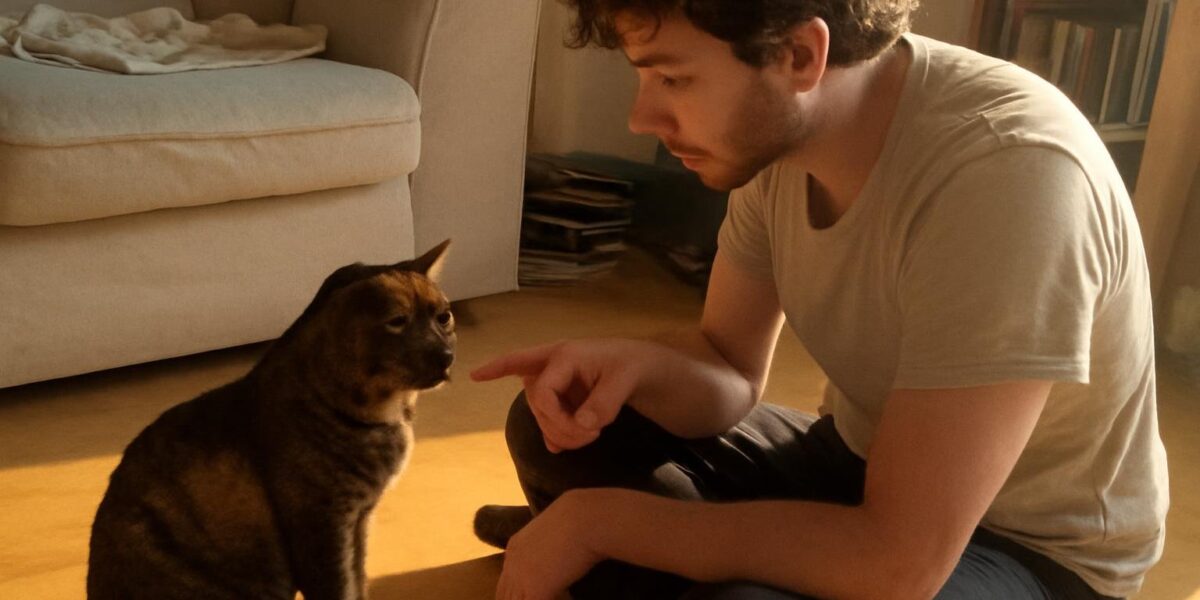
If your cat leans in for a quick lick on the tip of your nose and you wonder, “Why does my cat lick my nose?”, the answer is delightfully sweet: it is almost always affection, scent bonding, and grooming instinct. When a cat licks your nose, they are treating you like a trusted member of their family, mingling scents to strengthen your bond, and tending to you the way they would groom a feline companion. Your nose is warm, prominent, and rich with your personal scent, which makes it an irresistible spot for a loving lick. The vast majority of nose licking is a heartfelt compliment, though it is worth knowing that excessive drooling or licking can occasionally be a vet flag.
In this article
Let us dig into the reasons cats lick noses, what is perfectly normal, and the rare situations where licking warrants a closer look.
Affection and Social Bonding
Cats show love through grooming, and licking your nose is one of the most intimate forms of that affection. In feline social life, cats groom the companions they trust most, a behavior called allogrooming. By licking your face, your cat is folding you into their inner circle and treating you as one of their own.
This behavior often comes with other signs of contentment, such as purring, kneading, slow blinks, or settling in close for a cuddle. A cat that licks your nose feels safe, relaxed, and bonded to you. To better understand the full range of affectionate signals your cat sends, our cat body language guide is a wonderful companion read.
Scent Exchange and “You Are My Family”
Cats experience the world largely through scent, and grooming is a key way they create a shared group smell. When your cat licks your nose, they pick up your scent and leave a bit of their own behind, blending your smells into a “family scent” that marks you as part of their group.
Your nose is a particularly scent-rich spot, sitting at the center of your face and carrying your personal smell plus traces of your day. This makes it a natural target for a cat looking to reinforce the scent bond between you. This same scent-driven affection shows up when cats rub their faces on you; our article on why cats rub against you explores that side of feline bonding.
There is also a practical reason your face draws so much attention. When your cat licks your nose, they are often greeting you and re-establishing the family scent after time apart, which is why so many cats deliver a nose lick the moment you wake up or come home. To a cat, you may smell slightly “off” after being away among other scents, and a quick grooming session helps restore you to the group smell they recognize. Far from being odd, it is a tender little ritual of reconnection.
Grooming Instinct and Taste
Beyond emotion, there are practical grooming and sensory reasons your cat targets your nose.
Mothering and Grooming
Mother cats groom their kittens from birth, so licking is deeply tied to care and nurturing. An adult cat licking your nose may be channeling that caregiving instinct, essentially grooming and “mothering” you as a sign of devotion.
Interesting Tastes and Smells
Your skin can carry tastes and scents a cat finds appealing, from the natural saltiness of sweat to lingering food smells or lotions. A cat may lick your nose simply because it tastes or smells interesting. If licking spikes after you eat or apply a product, this is likely part of the draw, so be mindful of keeping anything not pet-safe away from where your cat licks.
Comfort and Routine
For many cats, grooming is self-soothing, and licking you can be part of a calming ritual during cuddle time or before settling down to rest. If the nose licks happen most during quiet, cozy moments, they are part of how your cat relaxes and feels secure with you. Pairing affectionate time with daily enrichment activities keeps your cat balanced and content.
One thing many owners notice is that a cat’s tongue feels surprisingly rough, like wet sandpaper. That texture comes from tiny backward-facing barbs called papillae, which cats use to comb through fur and lift away dirt and loose hair. When that same tongue meets your nose, the rasp can be a little startling, but it confirms your cat is treating you to genuine grooming rather than a simple taste. The roughness is doing exactly what it would on another cat’s coat, just on a much smaller and softer canvas.
Normal vs. When to See the Vet
Occasional, gentle nose licking is completely normal and a lovely sign of your bond. The behavior is only worth a closer look when licking becomes excessive or compulsive, or when it is paired with drooling or other changes, whether your cat is licking you, themselves, or objects.
Consider consulting your veterinarian if you notice:
- Excessive drooling accompanying the licking
- Licking that has become frantic, constant, or hard to interrupt
- Over-grooming of themselves to the point of bald spots or irritated skin
- A sudden change in licking behavior alongside appetite shifts, hiding, or lethargy
- Signs of dental pain, such as bad breath, pawing at the mouth, or trouble eating
While nose licking itself is sweet and harmless, excessive drooling can sometimes signal dental disease, nausea, or another medical issue, and compulsive licking can reflect stress. A notable change in pattern is the main thing to watch for. Our overview of cat stress signs can help you tell relaxed affection from anxious behavior.
How to Respond to Nose Licking
Nose licking is generally harmless, so managing it is mostly about your own comfort and gently shaping the habit if it gets to be too much.
- Enjoy the affection. If you do not mind a damp nose, simply relax and accept the love. It is a high feline compliment.
- Redirect gently. If the licking is too much, calmly turn your face away or offer a chin scratch or toy instead. Never scold or push your cat, which can erode trust.
- Mind what is on your skin. Keep products, lotions, or foods that are not safe for cats away from areas your cat tends to lick.
- Offer other outlets. Plenty of play and indoor enrichment give your cat other ways to spend affection and energy.
- Monitor intensity. Watch for any shift toward compulsive licking or new drooling, and involve your vet if either appears.
For most households, a nose lick is simply one of the tender, quirky ways a cat says “you are mine and I love you.” With a little awareness, you can savor the affection while keeping everyone happy and healthy.
What Nose Licking Says About Your Bond
It is worth pausing to appreciate just how meaningful this small gesture is. Cats are selective about who they groom. In a multi-cat home, you will notice that grooming happens between cats who genuinely get along, not between rivals or strangers. So when your cat extends that grooming to you, they are placing you firmly in the category of trusted family, the inner circle they choose to care for.
This is part of why nose licking so often comes bundled with other affectionate behaviors. Your cat may knead with their paws, purr, slow-blink at you, or curl up against you before or after a lick. Each of these is a thread in the same tapestry of trust and contentment, and together they paint a clear picture of a cat who feels deeply safe and bonded with you.
Understanding this can change how you experience those slightly ticklish, sandpapery licks. Rather than a quirky habit to tolerate, it becomes a small daily reminder that your cat, an animal famous for its independence, has chosen to treat you as one of its own. For many owners, that realization makes the wake-up nose lick a lot easier to love.
Frequently Asked Questions
Why does my cat lick my nose specifically?
Your nose is warm, prominent, and rich with your personal scent, making it a natural target. Licking it is a sign of affection, scent bonding, and grooming, as your cat treats you like a trusted member of their family.
Is it safe to let my cat lick my nose?
It is generally harmless, though a cat’s mouth carries bacteria, so avoid it if you have open skin or a weakened immune system. Also keep any products or foods that are not pet-safe off the areas your cat tends to lick.
Does nose licking mean my cat loves me?
Yes. Grooming is reserved for companions a cat trusts, so licking your nose is a strong sign of affection and bonding. It is one of the most intimate ways cats show they consider you family.
Why does my cat lick my nose and then bite it?
That lick-then-nibble pattern is classic grooming behavior, just as cats lick and gently nibble one another. Light nibbling is normal. If the biting becomes hard, watch for overstimulation cues and redirect your cat to a toy.
When should I worry about my cat’s licking?
Be concerned if licking becomes excessive or compulsive, if your cat over-grooms into bald spots, or if it comes with excessive drooling, dental signs, or other symptoms like appetite loss or lethargy. A notable change in pattern warrants a vet visit.


