
The Short Answer
If you are losing sleep and wondering “why does my cat meow at night,” the reasons range from completely normal to worth a vet visit. Many cats are naturally more active at dawn and dusk, and nighttime meowing is often just attention-seeking, hunger, boredom, or leftover energy. In those cases it is normal behavior you can manage with routine and enrichment. But in older cats, new or excessive nighttime vocalizing can also signal a medical issue and deserves a careful look.
In this article
The key is to consider your cat’s age, whether the behavior is new, and what else is going on. Let’s walk through the common, harmless reasons first, then the important red flags, especially for senior cats, so you know when a checkup is in order.
Cats Are Naturally Active at Night
Cats are crepuscular, meaning they are most active around dawn and dusk. This is hardwired from their wild ancestors, who hunted during those low-light hours. So a burst of energy and vocalizing in the early morning or late evening is often just your cat following their natural rhythm.
If your cat sleeps much of the day while you are out, they may have plenty of energy left over at night. With no one to play with and nothing to do, that energy can come out as meowing, zooming around, or pawing at your door. This is normal feline behavior, though it can be exhausting for owners.
It is worth remembering that the meow itself is largely a behavior cats developed to communicate with humans rather than with each other. Adult cats rarely meow at other cats, but they quickly learn that vocalizing gets a response from us. At night, when the house is quiet and you are the only audience, a cat looking for interaction has every reason to turn up the volume.
The good news is that you can shift your cat’s schedule with a consistent routine of daytime play and an evening wind-down. Understanding how your cat communicates through sound and body language, covered in the cat body language guide, helps you figure out what each nighttime meow is really asking for.
Attention, Hunger, and Boredom
Some of the most common reasons for nighttime meowing are simple needs. Your cat may be:
- Seeking attention. If meowing at night has ever resulted in you getting up, petting, or talking to them, your cat learns that vocalizing works. Even negative attention can reinforce the habit.
- Hungry. A cat expecting a meal may meow to wake you, especially if they are used to early breakfasts or free-feeding has been changed.
- Bored or under-stimulated. A cat without enough daytime activity has energy to burn and may vocalize for entertainment.
- Lonely. Social cats may simply want company during the quiet hours.
For these everyday causes, the fix is routine and enrichment rather than responding to every meow. Providing more daytime stimulation makes a big difference. The cat enrichment activities guide is full of ways to keep your cat engaged during the day so they sleep better at night.
Stress, Anxiety, and Changes
Cats are sensitive to change, and a new environment, a new pet or person, a move, or a shift in routine can trigger nighttime vocalizing driven by stress or anxiety. A cat that feels unsettled may call out at night seeking reassurance or expressing unease.
Separation-related anxiety can also play a role, particularly in closely bonded cats. If your cat seems anxious when alone and vocalizes during the night, addressing the underlying stress is important. Recognizing the signs of stress in cats helps you identify whether anxiety is behind the meowing, and the cat separation anxiety guide offers strategies if that is part of the picture.
Even small disruptions can trigger nighttime vocalizing in a sensitive cat. A change in your work schedule, a houseguest, rearranged furniture, or a new outdoor cat visible through the window can all unsettle a cat enough to start them calling out at night. Identifying and easing the trigger often resolves the meowing more effectively than trying to address the noise itself.
Breed and Individual Differences
Some cats are simply more vocal than others, and that is part of their normal personality. Certain breeds, such as Siamese and other Oriental types, are famously talkative and will chatter, trill, and meow far more than a quiet breed. If your chatty cat has always been vocal, including at night, that baseline noisiness is likely just who they are.
Individual temperament matters too. A bold, social, demanding cat may use meowing freely to get what they want, while a more reserved cat stays quiet. Knowing your cat’s normal vocal habits is what lets you spot a meaningful change, which is the real signal that something might be wrong rather than the volume on any given night.
The Senior Cat Red Flags
This is the most important section to read if your cat is older. In senior cats, new or excessive nighttime meowing can be a sign of a medical or cognitive problem rather than simple behavior. Do not dismiss it. Conditions to be aware of include:
- Hyperthyroidism. An overactive thyroid is common in older cats and can cause restlessness, increased vocalization, weight loss despite a good appetite, and increased thirst.
- High blood pressure (hypertension). Often linked to thyroid or kidney disease, hypertension can cause disorientation and nighttime vocalizing.
- Pain. Arthritis or other sources of discomfort can make a cat restless and vocal, especially at night when the house is quiet.
- Cognitive dysfunction. Similar to dementia in people, feline cognitive decline can cause confusion, disorientation, altered sleep cycles, and loud nighttime crying, often in a distinctive, mournful tone.
- Vision or hearing loss. Sensory decline can leave a cat disoriented in the dark and prone to calling out.
If your senior cat has started meowing at night, is meowing much more than usual, or shows any other changes, schedule a veterinary exam. Bloodwork, a blood pressure check, and a thorough physical can identify treatable conditions, and catching them early makes a real difference to your cat’s comfort and quality of life.
Normal vs. When to See a Vet
To summarize when to relax and when to act, here is a simple guide.
Likely normal: a young or middle-aged cat with a long-standing habit of dawn or evening activity, meowing for food or attention, or burning off energy. These respond well to routine and enrichment.
See your veterinarian if:
- Your cat is a senior and the meowing is new or has increased.
- The vocalizing is excessive, loud, or sounds distressed.
- It comes with weight loss, increased thirst or urination, appetite changes, disorientation, or restlessness.
- Your cat seems to be in pain or is meowing while using the litter box.
When in doubt, a checkup is always the safe choice. For sudden distressed vocalizing alongside other worrying signs, it is worth knowing the basics of when an issue is an emergency, which you can review in the home pet first aid guide.
What You Can Do About It
Once medical causes are ruled out, these strategies help curb nighttime meowing in a healthy, kind way.
Tire your cat out before bed. Schedule an interactive play session in the evening that ends with a small meal. This mimics the natural hunt-eat-sleep cycle and encourages your cat to settle.
Keep a consistent routine. Feed, play, and wind down at the same times each day. Predictability reduces anxiety and nighttime restlessness.
Avoid rewarding the meows. As hard as it is, getting up to feed or pet a meowing cat teaches them it works. Once you have ruled out medical issues and met their needs, try not to respond to demand meowing.
Provide overnight enrichment. Leave out puzzle feeders, safe toys, or a window view so your cat has something to do if they wake. The indoor enrichment ideas guide has plenty of low-effort options.
Consider a late-night feeding station. An automatic feeder that dispenses a small meal in the early morning can satisfy a hungry cat without you having to get up.
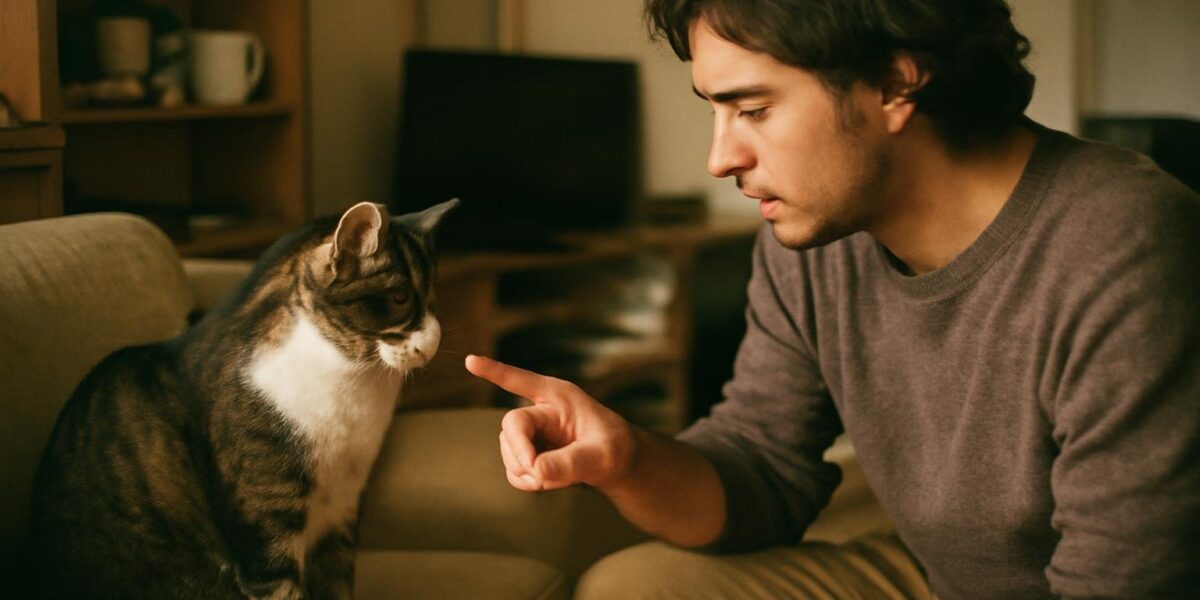
Never punish the meowing. Yelling or spraying only adds stress and can worsen the behavior. Stay calm and address the root cause instead.
Frequently Asked Questions
Is it normal for my cat to meow at night?
Often yes, especially in younger cats following their natural dawn-and-dusk rhythm or seeking food and attention. However, new or excessive nighttime meowing in older cats can be medical and should be checked by a vet.
Why does my senior cat suddenly meow at night?
In older cats this can signal hyperthyroidism, high blood pressure, pain, cognitive dysfunction, or sensory loss. Because these are treatable, a veterinary exam with bloodwork is strongly recommended.
How do I stop my cat from meowing at night?
Once medical causes are ruled out, tire your cat with evening play, keep a consistent routine, avoid rewarding the meows, and provide overnight enrichment or an automatic feeder.
Should I feed my cat when they meow at night?
Try not to, as it teaches your cat that meowing brings food. Instead, feed a meal right before bed or use a timed automatic feeder for the early morning so hunger does not wake them.
Could nighttime meowing mean my cat is in pain?
It can, particularly in older cats with arthritis or other discomfort. If the meowing sounds distressed, is new, or comes with other changes, contact your veterinarian to check for pain or illness.


