Last updated: April 27, 2026
In this article
American Staffordshire Terrier Breed Profile: Loyal, Strong, and Full of Heart
The American Staffordshire Terrier, commonly known as the AmStaff, is a breed defined by contrasts. They possess the muscular power of an athlete and the gentle soul of a devoted companion. Their history includes chapters of both adversity and triumph, and today they stand as one of the most loyal, courageous, and misunderstood breeds in the canine world.
For those considering adoption or simply wanting to learn more about the American Staffordshire Terrier, this comprehensive profile explores the breed’s fascinating history, their remarkable temperament, their care requirements, and why they make such extraordinary family companions when given the chance they deserve.
History and Origins of the American Staffordshire Terrier
The American Staffordshire Terrier shares its early ancestry with the Staffordshire Bull Terrier, both descending from the bull-and-terrier crosses developed in 19th-century England. When these dogs crossed the Atlantic to the United States in the late 1800s, American breeders began developing a larger, heavier version suited to the demands of farm work, guarding, and companionship on the American frontier.
In America, these dogs became beloved all-purpose working dogs. They guarded homesteads, hunted wild game, herded livestock, and served as loyal family companions. Their versatility, intelligence, and devotion earned them the nickname “America’s Dog.” The breed was so highly regarded that an AmStaff named Petey became one of the most beloved characters on the Our Gang (Little Rascals) show, and Sergeant Stubby — considered the most decorated war dog in American history — was a dog of this type who served heroically in World War I.
The American Kennel Club recognized the breed in 1936 under the name Staffordshire Terrier, later changing it to American Staffordshire Terrier in 1972 to distinguish it from the smaller English Staffordshire Bull Terrier. The breed standard emphasizes a strong, muscular dog that is also gentle, trustworthy, and good-natured with people.
In recent decades, the AmStaff — along with other bull breeds — has faced significant prejudice due to breed-specific legislation and negative media coverage. Dedicated breed advocates, rescue organizations, and responsible owners continue to champion the breed’s true nature: a loyal, affectionate dog that thrives in a loving home environment. For more context on related breeds, see our Pit Bull breed profile.
Appearance and Size
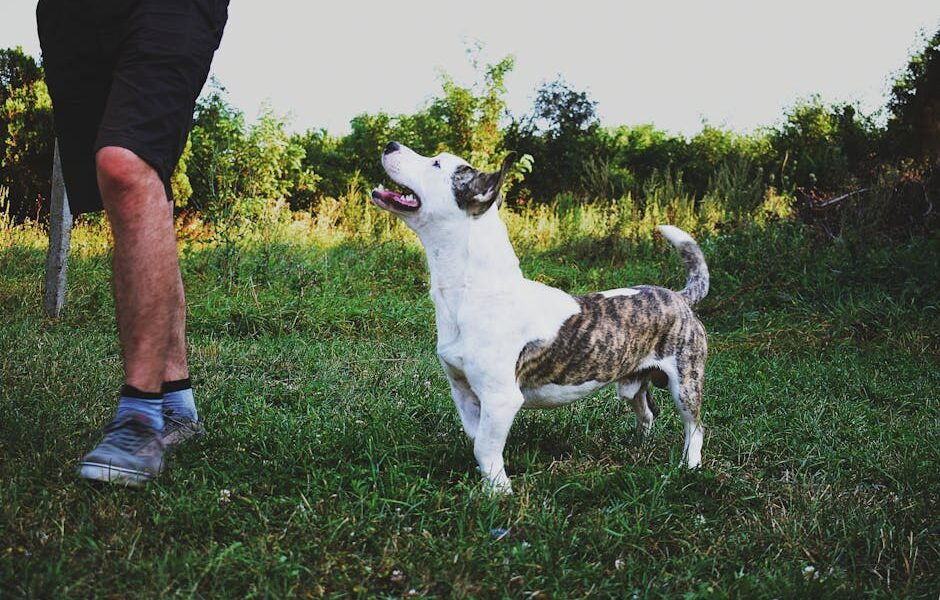
The American Staffordshire Terrier is a medium-to-large dog that radiates strength, confidence, and athleticism. Males stand 18 to 19 inches tall at the shoulder, while females are slightly smaller at 17 to 18 inches. Weight typically ranges from 40 to 70 pounds, though well-built individuals can be heavier. Every aspect of their build speaks to power and agility — broad chest, strong shoulders, well-defined musculature, and a solid, balanced frame.
The head is broad and powerful, with well-defined cheek muscles, a moderate-length muzzle, and strong jaws. The eyes are round, dark, and set wide apart, giving an expression that is at once alert and warm. Ears may be natural (rose or half-pricked) or cropped, though the trend is increasingly toward leaving ears natural. The natural ear gives a softer, more approachable expression that many owners and advocates prefer.
The coat is short, stiff, and glossy, lying close to the body. Colors are remarkably varied and include blue, fawn, red, black, brindle, and white, as well as various combinations and patterns. The AKC standard penalizes dogs that are more than 80 percent white, all white, black and tan, or liver-colored, but these colors still appear in the breed and are perfectly acceptable for companion dogs.
In motion, the AmStaff displays a springy, ground-covering gait that reflects their athletic build. They move with confidence and purpose, carrying themselves with a dignified bearing that belies the softness within.
Temperament and Personality
The American Staffordshire Terrier is, at their core, a people dog. Their devotion to their human family is absolute and unconditional. The AKC breed standard describes them as having a “keenly alive” temperament with a particular fondness for people, and this characterization is remarkably accurate. An AmStaff’s greatest desire is to be with their family, participating in whatever activity is at hand.
Their loyalty is legendary. AmStaffs will follow their owners from room to room, curl up beside them on the couch, and greet them at the door with full-body enthusiasm after even brief absences. They are sensitive dogs that are deeply attuned to their owners’ emotions — many AmStaff owners report that their dog seems to sense when they are sad, stressed, or unwell and will offer comfort without being asked.
With children, AmStaffs are often remarkably gentle and patient. Their sturdy build means they can handle the rough-and-tumble play that comes with active kids, and their tolerant nature means they rarely lose patience with childish antics. However, as with any strong breed, supervision with young children is always recommended, and children should be taught how to interact respectfully with dogs.
Confidence and courage define the AmStaff’s approach to the world. They are not easily frightened or rattled, approaching new situations with steady assurance. This confidence makes them excellent candidates for therapy work, search and rescue, and various canine sports where a calm, focused demeanor is essential.
Regarding other animals, AmStaffs can vary in their tolerance. Many live peacefully with other dogs and even cats, especially when properly socialized from a young age. However, dog-selectivity is not uncommon in the breed, and responsible owners maintain awareness and manage interactions accordingly. The Staffordshire Bull Terrier breed profile offers additional perspective on managing bull breed temperament in multi-pet households.
Exercise and Training Needs
American Staffordshire Terriers are athletic dogs that require substantial daily exercise. At least 60 to 90 minutes of physical activity per day is recommended, including brisk walks, jogging, play sessions, and structured activities. They excel at a wide range of canine sports, including weight pulling, agility, dock diving, rally obedience, and nose work. Their versatility and eagerness to work with their handler make them competitive in virtually any dog sport they attempt.
Mental stimulation is equally vital. AmStaffs are intelligent dogs that need challenges to keep their minds engaged. Puzzle feeders, training sessions, interactive toys, and even simple games of hide-and-seek provide the mental workout they need. A bored AmStaff with excess energy is a recipe for destructive behavior — channeling that energy into positive activities prevents problems before they start.
Training is one of the areas where the AmStaff truly shines. Their intelligence, desire to please, and food motivation make them highly responsive to positive reinforcement training. They learn quickly, retain information well, and often seem to genuinely enjoy the training process. Many experienced trainers consider AmStaffs among the most trainable of the bull breeds.
Socialization deserves particular emphasis. Early, ongoing, positive exposure to diverse people, dogs, environments, and experiences builds the confident, well-adjusted temperament that the breed is capable of. Puppy socialization classes, controlled interactions with other dogs, and regular outings to various environments all contribute to raising a stable, friendly adult dog.
Leash manners should be a training priority given the breed’s strength. Teaching loose-leash walking, using appropriate equipment such as front-clip harnesses, and practicing focus exercises will make walks enjoyable for both handler and dog. AmStaffs that are also trained in a range of guard dog skills channel their natural protectiveness in positive directions.
Health Issues and Lifespan
The American Staffordshire Terrier is a generally healthy breed with a lifespan of 12 to 16 years. Their robust constitution reflects their working heritage, and many AmStaffs enjoy active, healthy lives well into their senior years. However, several health conditions are worth understanding and monitoring.
Hip dysplasia is one of the more common orthopedic concerns in the breed. This condition, where the hip joint develops abnormally, can lead to arthritis, pain, and reduced mobility over time. Maintaining a healthy weight, providing appropriate exercise, and considering joint supplements as your AmStaff ages can help manage and potentially delay the onset of symptoms. Hip evaluations through OFA or PennHIP are recommended.
Heart disease, particularly congenital heart defects, can occur in the breed. Regular cardiac screening, including auscultation and potentially echocardiography, helps detect issues early. Cerebellar ataxia, a neurological condition that affects coordination and balance, is another breed-specific concern for which DNA testing is available.
Skin allergies are relatively common in AmStaffs. Environmental allergens, food sensitivities, and contact irritants can all trigger allergic reactions that manifest as itching, redness, and skin infections. Working with a veterinarian to identify specific allergens and develop a management plan is important for affected dogs. A high-quality diet with appropriate protein sources can help manage food-related sensitivities.
Other conditions to be aware of include thyroid disorders, elbow dysplasia, and patellar luxation. Regular veterinary checkups, a balanced diet, appropriate exercise, and maintaining a healthy weight are the cornerstones of keeping your AmStaff in optimal health.
Grooming Requirements
The American Staffordshire Terrier’s short, smooth coat is delightfully low-maintenance. A weekly brushing with a rubber curry brush or soft bristle brush removes loose hair, stimulates the skin, and distributes natural oils for a healthy shine. This minimal grooming routine also provides an opportunity to check for skin issues, lumps, or parasites.
Bathing is needed only every four to eight weeks, unless your AmStaff has gotten particularly dirty during outdoor adventures. Use a gentle, hypoallergenic shampoo, especially if your dog has sensitive skin. Over-bathing can strip natural oils and worsen skin conditions.
AmStaffs shed moderately year-round, with slightly heavier shedding during seasonal transitions. The short hairs are easy to manage with regular brushing and occasional vacuuming. The low grooming demands are one of the breed’s appealing qualities for owners who prefer a wash-and-go dog.
Nail trimming should be performed every two to three weeks. AmStaffs’ strong, fast-growing nails need regular attention to prevent discomfort and maintain proper foot structure. Ear cleaning should be done weekly, checking for signs of infection. Dental care — including regular brushing and dental chews — helps prevent periodontal disease, which can affect overall health if left unaddressed.
Who Is the American Staffordshire Terrier Best For?
The AmStaff is best suited for active, committed owners who can provide ample exercise, consistent training, and abundant companionship. They thrive in homes where they are treated as full members of the family, included in daily activities, and given the physical and mental stimulation they need to flourish.
Active individuals, couples, and families with children of all ages can be excellent matches, provided they are willing to invest in training and socialization. The AmStaff’s loyalty, trainability, and gentle nature make them wonderful family dogs for those who are prepared for a strong, energetic companion.
Experience with bull breeds is helpful but not strictly necessary for a first-time AmStaff owner. What matters most is a commitment to positive training, responsible management, and understanding the breed’s needs. New owners who seek guidance from breed-experienced mentors, trainers, and veterinarians set themselves and their dogs up for success.
If you are considering adopting an American Staffordshire Terrier from a rescue, you are making a profoundly meaningful choice. AmStaffs are among the most common breeds in shelters, often waiting longer for adoption than other dogs due to unfair stigma. An adopted AmStaff, given patience, love, and structure, will reward your faith with a devotion that is truly extraordinary. These dogs do not just need homes — they need champions who will see past prejudice and recognize the remarkable companion within.
Frequently Asked Questions
What is the difference between an American Staffordshire Terrier and a Pit Bull?
The term “Pit Bull” is not a specific breed but rather an umbrella term that includes the American Staffordshire Terrier, American Pit Bull Terrier, Staffordshire Bull Terrier, and often any mixed-breed dog with a blocky head and muscular build. The American Staffordshire Terrier is an AKC-recognized breed with a specific standard, while the American Pit Bull Terrier is recognized by the UKC. The two breeds share common ancestry and can be very similar in appearance, but they have been bred to separate standards for decades.
Are American Staffordshire Terriers good with children?
Yes, AmStaffs are widely regarded as excellent family dogs with a natural affinity for children. Their sturdy build, patient temperament, and playful nature make them well-suited to family life. As with any breed, supervision between dogs and young children is always recommended. Teaching children how to interact respectfully with dogs and providing the dog with a quiet retreat space ensures positive interactions for everyone.
Do American Staffordshire Terriers need a lot of exercise?
AmStaffs are moderately high-energy dogs that benefit from 60 to 90 minutes of daily exercise. This can include walks, play sessions, training, and canine sports. They are adaptable enough to enjoy both vigorous activity and relaxed downtime with their family. Without adequate exercise, they can become restless and may develop destructive habits. Regular physical and mental activity keeps them happy, healthy, and well-behaved.
Are there breed-specific laws that affect American Staffordshire Terriers?
Unfortunately, yes. Some municipalities and countries have breed-specific legislation that restricts or bans ownership of AmStaffs and similar breeds. Before adopting, research your local laws and any restrictions in your area. Insurance companies may also have breed restrictions on homeowner or renter policies. While many communities are moving away from breed-specific legislation in favor of breed-neutral responsible ownership laws, it is important to be aware of the legal landscape in your jurisdiction.
Looking to adopt a American Staffordshire Terrier Breed Profile?
Browse American Staffordshire Terrier Breed Profile dogs and mixes available for adoption from shelters and rescues near you.
Find American Staffordshire Terrier Breed Profile Dogs for Adoption