
Last updated: April 10, 2026
In this article
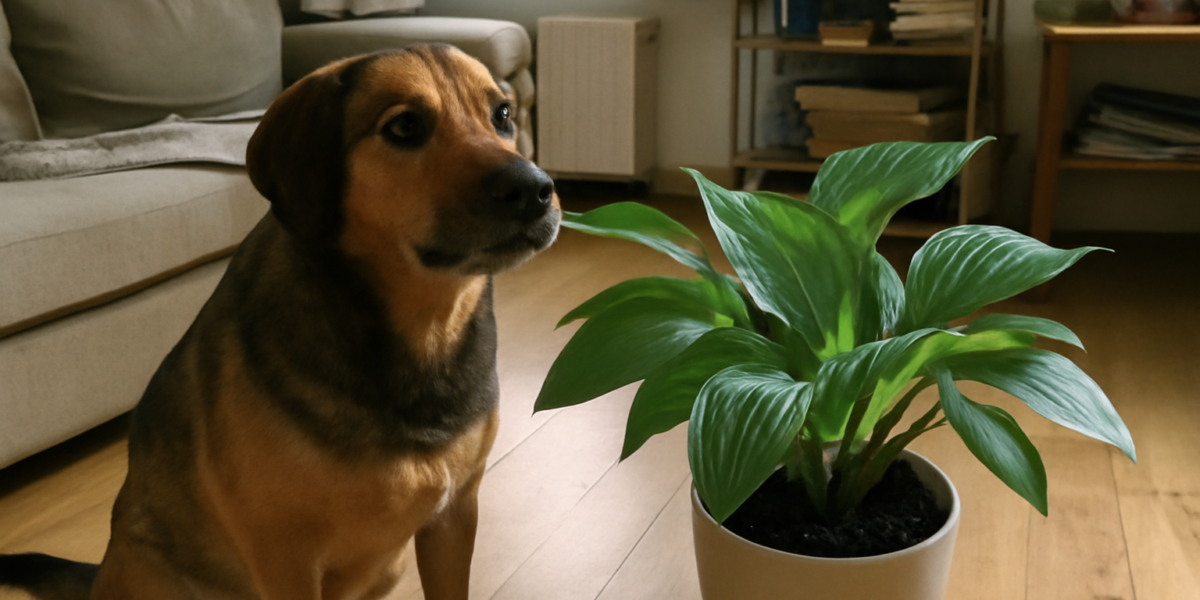
Are Hostas Toxic to Dogs?
Why Are Hostas Toxic to Dogs?
Hostas (genus Hosta) are among the most popular shade-garden perennials in North America, prized for their broad, decorative leaves and low maintenance. They are also a consistent entry on the ASPCA’s list of plants toxic to dogs and cats. So what exactly makes them dangerous?
The culprit is a class of naturally occurring glycosides called saponins. Plants produce saponins as a chemical defense against insects, fungi, and grazing animals. In dogs, saponins disrupt normal cell membrane function in the gastrointestinal tract, causing irritation and inflammation. The concentration of saponins is highest in the roots, but the leaves and flowers carry enough to cause problems if a curious or bored dog decides to chew on them. All hosta varieties — from miniature cultivars to giant Empress Wu types — contain these compounds, so no variety is considered safe for dogs.
Symptoms of Hosta Poisoning in Dogs
If your dog has eaten a hosta plant, symptoms typically appear within one to two hours of ingestion. The severity depends on the size of the dog, the amount consumed, and which part of the plant was eaten. Roots tend to cause more intense reactions than leaves.
Common signs to watch for include:
- Vomiting — often the first and most obvious symptom
- Diarrhea — may be watery or contain traces of plant material
- Excessive drooling — caused by oral irritation
- Loss of appetite — dogs may refuse food for several hours
- Lethargy — your dog may seem unusually tired or depressed
- Abdominal discomfort — whining, restlessness, or a hunched posture
Symptoms are usually self-limiting, meaning they resolve on their own within 24 hours for small ingestions. However, large amounts — particularly root consumption — can lead to prolonged vomiting and dehydration that requires professional treatment. Because hostas are toxic to dogs regardless of the quantity eaten, it is always better to call your vet than to wait and see.
What to Do If Your Dog Eats a Hosta
Acting quickly can make a real difference in how your dog recovers. Follow these steps as soon as you realize your dog has eaten or chewed on any part of a hosta plant.
- Stay calm. Hosta poisoning is rarely fatal, but it does need prompt attention.
- Remove your dog from the plant. Prevent any further ingestion immediately.
- Note what was eaten. Try to estimate how much of the plant — and which part — your dog consumed. Take a photo of the plant if you are unsure of the variety.
- Do not induce vomiting unless explicitly instructed to do so by a veterinarian. Inducing vomiting incorrectly can cause additional harm.
- Call your vet or a poison hotline. Contact your veterinarian, the ASPCA Animal Poison Control Center (888-426-4435), or the Pet Poison Helpline (855-764-7661) right away. Have the plant information and your dog’s weight on hand.
- Monitor symptoms closely. If your dog begins vomiting repeatedly, appears very weak, or shows signs of severe distress, go to an emergency veterinary clinic immediately.
How Vets Treat Hosta Poisoning
Treatment depends on how much was ingested and how quickly you seek help. For mild cases, your vet may recommend supportive care at home — bland food, small amounts of water, and rest. For more significant ingestions, a veterinarian may:
- Administer activated charcoal to slow the absorption of saponins in the digestive tract
- Provide IV fluids to prevent or treat dehydration caused by vomiting and diarrhea
- Prescribe anti-nausea medications or gastrointestinal protectants
- Monitor your dog’s vitals and bloodwork if a large amount was consumed
Most dogs recover fully within 24 to 48 hours with appropriate care. The prognosis for hosta poisoning in dogs is generally very good when treated promptly.
How to Keep Dogs Safe Around Hostas
The safest solution is to remove hostas from any area your dog can access. If you love hostas and are not willing to part with them, there are practical ways to reduce the risk.
- Install physical barriers. Low garden fencing, decorative edging, or raised planters can keep dogs out of garden beds.
- Train a “leave it” command. A reliable leave-it response is one of the most valuable safety tools for curious dogs in the garden.
- Supervise outdoor time. Never leave a dog unattended in a yard where toxic plants grow, especially puppies and dogs that are known chewers.
- Use deterrent sprays. Bitter-tasting pet-safe sprays applied to plant leaves can discourage chewing, though they require reapplication after rain.
- Relocate plants. Move hostas to containers on a porch or deck that is physically off-limits to your dog.
Dog-Safe Garden Alternatives to Hostas
If you decide to replace your hostas, there are many beautiful, dog-safe plants that offer similar visual appeal without the toxicity risk. The following are confirmed non-toxic to dogs by the ASPCA:
- Coral Bells (Heuchera) — colorful foliage, thrives in partial shade, similar growth habit to hostas
- Camellia — glossy evergreen leaves and showy blooms, great for shaded spots
- Snapdragons (Antirrhinum) — vibrant flowers, easy to grow, non-toxic to pets
- Spider Plant (Chlorophytum comosum) — excellent as a ground cover or in containers
- Sunflowers (Helianthus annuus) — cheerful, bold, and completely safe for dogs
- Blue Oat Grass (Helictotrichon sempervirens) — ornamental grass that provides texture and movement without toxicity
For more dog-care tips and guidance on creating a pet-safe home and garden, visit our dog care blog.
Frequently Asked Questions
Are all types of hostas toxic to dogs?
Yes. All hosta varieties and cultivars contain saponins and are considered toxic to dogs. There is no hosta breed or species that is safe for dogs to eat. If you have hostas in your garden and a dog that likes to chew plants, the safest course of action is to relocate or remove the plants entirely.
How much hosta does a dog have to eat for it to be dangerous?
Even a small amount of hosta can cause gastrointestinal upset, particularly in small dogs or puppies. A large dog that nibbles one leaf may only experience mild drooling or a brief bout of vomiting, while a small dog that eats several leaves or part of a root could become seriously ill. Because the safe threshold varies by size and individual sensitivity, any known ingestion should be reported to your vet.
Are hostas toxic to dogs if they just sniff or brush against the plant?
Simply sniffing or brushing against a hosta plant is not harmful to dogs. The toxicity comes from ingesting the plant material — leaves, stems, flowers, or roots. However, if a dog rubs its face against a freshly cut or damaged hosta and then licks its face, it could ingest a small amount of plant sap. Ingestion is the primary concern, not skin or nose contact.
Are hostas also toxic to cats?
Yes. The ASPCA lists hostas as toxic to cats as well as dogs and horses. Cats that ingest hosta plant material can experience the same saponin-related symptoms: vomiting, diarrhea, and lethargy. If you have cats that go outdoors or a curious indoor cat with access to a patio, apply the same precautions you would for a dog.


