
Last updated: April 10, 2026
In this article
Are Hosta Toxic to Cats? A Complete Guide for Cat Owners
Hostas are among the most popular shade-loving perennials in gardens across North America, beloved for their lush foliage and low-maintenance nature. But if you share your home with a curious feline, you need to know that these attractive plants pose a real threat to your cat’s health. Hostas are indeed toxic to cats, and understanding the risks can help you protect your pet.
In this thorough guide, we will explore exactly why hostas are dangerous to cats, what symptoms to look for, how to respond if your cat takes a bite, and what you can plant instead to keep your garden beautiful and your cat safe.
Why Hostas Are Toxic to Cats: The Role of Saponins
The primary toxic compounds in hosta plants are saponins — naturally occurring glycosides that are found throughout the entire plant. Saponins serve as a natural defense mechanism for the plant, deterring insects and other herbivores from feeding on it. Unfortunately, these same compounds cause significant irritation when ingested by cats.
Saponins work by disrupting cell membranes in the gastrointestinal tract. When a cat chews on or swallows hosta leaves, stems, or flowers, the saponins come into contact with the delicate lining of the mouth, esophagus, stomach, and intestines, causing inflammation and irritation. This leads to the characteristic gastrointestinal symptoms associated with hosta poisoning.
All parts of the hosta plant contain saponins, including the leaves, stems, flowers, and roots. The concentration can vary somewhat between plant parts and between different hosta varieties, but no part of the plant should be considered safe for feline consumption. With over 2,500 registered cultivars of hosta available, from miniature varieties to giant specimens with leaves over a foot wide, all share this toxic characteristic.
It is worth noting that hostas are also toxic to dogs. If you have a multi-pet household, you can learn more about the risks in our guide on hostas and dogs. The toxic compounds and symptoms are similar across species, though individual sensitivity can vary.
Recognizing Symptoms of Hosta Poisoning in Cats
If your cat has nibbled on a hosta plant, symptoms typically develop within a few hours of ingestion. The severity of the reaction depends on how much plant material was consumed and your cat’s individual sensitivity. Here is what to watch for:
Gastrointestinal symptoms are the most common and usually the first to appear. Vomiting is often the earliest sign, as the saponins irritate the stomach lining and trigger the body’s natural defense response to expel the irritant. Diarrhea frequently follows as the toxins move through the digestive tract. Your cat may also experience a noticeable decrease in appetite or refuse food entirely for a period after ingestion.
Oral irritation may be evident if your cat chewed on the hosta leaves before swallowing. You might notice your cat pawing at their mouth, drooling excessively, or showing reluctance to eat or drink. The saponins can cause a burning or tingling sensation in the mouth and throat, which is uncomfortable but typically temporary.
Lethargy and depression often accompany the gastrointestinal symptoms. Your normally active and playful cat may become withdrawn, sleep more than usual, or show little interest in their surroundings. This is the body’s natural response to feeling unwell and is usually a temporary state that resolves as the toxins are cleared from the system.
Abdominal discomfort may be present, though cats can be subtle about showing pain. Signs may include a hunched posture, reluctance to be picked up or touched around the belly, restlessness, or vocalizing more than usual. Some cats may seek out unusual hiding spots when they are not feeling well.
Dehydration can develop as a secondary concern if vomiting and diarrhea are persistent. Signs of dehydration in cats include dry gums, decreased skin elasticity (the skin tents when gently pinched and is slow to return to normal), sunken eyes, and decreased urination. Dehydration is a serious concern, especially in kittens and older cats, and warrants prompt veterinary attention.
While hosta poisoning is generally classified as mild to moderate in severity, it should never be dismissed. Cats are smaller than most dogs, which means the same amount of plant material represents a proportionally larger toxic dose. Kittens, senior cats, and cats with existing health conditions may experience more severe reactions.
What to Do If Your Cat Eats a Hosta Plant
Discovering that your cat has been munching on a hosta can be alarming, but taking the right steps promptly can make a significant difference in your cat’s outcome. Here is your action plan:
Separate your cat from the plant immediately. Remove your cat from the area where the hosta is located and prevent any further access to the plant. If there are pieces of the plant still in your cat’s mouth, gently remove them if you can do so without stressing your cat further.
Assess the situation. Try to determine how much of the plant your cat consumed. Look for bite marks on the plant, scattered leaf pieces, or any chewed stems. Note the time of the suspected ingestion, as this information will be helpful for your veterinarian. Take a photo of the plant if possible for identification purposes.
Contact your veterinarian. Call your vet’s office or an emergency animal hospital right away. If it is after hours, contact an emergency veterinary clinic or the ASPCA Animal Poison Control Center at (888) 426-4435. Our pet poisoning emergency resource page has additional contact information and guidance. Provide details about your cat’s weight, age, breed, the amount consumed, and any symptoms you are observing.
Do not attempt home remedies without professional guidance. Resist the urge to induce vomiting or administer any medications without specific instructions from a veterinary professional. Inducing vomiting in cats can be risky and should only be done under veterinary supervision. Similarly, do not give your cat milk, hydrogen peroxide, or other substances without being directed to do so.
Provide fresh water. Make sure your cat has access to clean, fresh water. Small sips can help dilute the saponins in the stomach, but do not force your cat to drink. If your cat is vomiting actively, wait until the episode passes before offering water.
Monitor your cat closely. Even if symptoms seem mild initially, keep a watchful eye on your cat for the next 24 hours. Note any changes in behavior, appetite, litter box habits, or energy level. If symptoms worsen or new symptoms develop, contact your veterinarian again.
Veterinary Treatment and Recovery
When you bring your cat to the veterinarian following hosta ingestion, the treatment approach will be tailored to the specific situation. Here is what you can generally expect:
Initial assessment. Your veterinarian will perform a thorough physical examination, checking your cat’s vital signs, hydration status, and abdominal comfort. They will ask about the timeline of events, the estimated amount consumed, and any symptoms you have observed at home.
Decontamination. If the ingestion was very recent (typically within the last hour or two), your veterinarian may consider inducing vomiting to remove any remaining plant material from the stomach. Activated charcoal may be administered in some cases to help bind any remaining saponins in the digestive tract and limit further absorption.
Fluid therapy. Intravenous or subcutaneous fluids are commonly administered to combat dehydration and support kidney function. This is especially important for cats that have been vomiting or experiencing diarrhea, as fluid loss can become significant quickly in smaller animals.
Symptomatic medications. Anti-nausea medications may be given to control vomiting and improve your cat’s comfort. Gastrointestinal protectants can help soothe the irritated lining of the stomach and intestines. If your cat is in pain, appropriate pain management will be provided.
Monitoring. Depending on the severity of the case, your cat may need to stay at the veterinary clinic for observation for several hours or overnight. Blood work may be performed to ensure that organ function remains normal, particularly in cases involving significant ingestion.
The good news is that the prognosis for hosta poisoning in cats is generally very favorable. Most cats recover fully within 24 to 72 hours with appropriate supportive care. The key is seeking veterinary attention early rather than waiting to see if symptoms resolve on their own. Early intervention leads to faster recovery and a more comfortable experience for your cat.
Preventing Hosta Exposure: Strategies for Cat Owners
Prevention is always preferable to treatment, and there are several practical strategies you can employ to keep your cat safe from hosta plants:
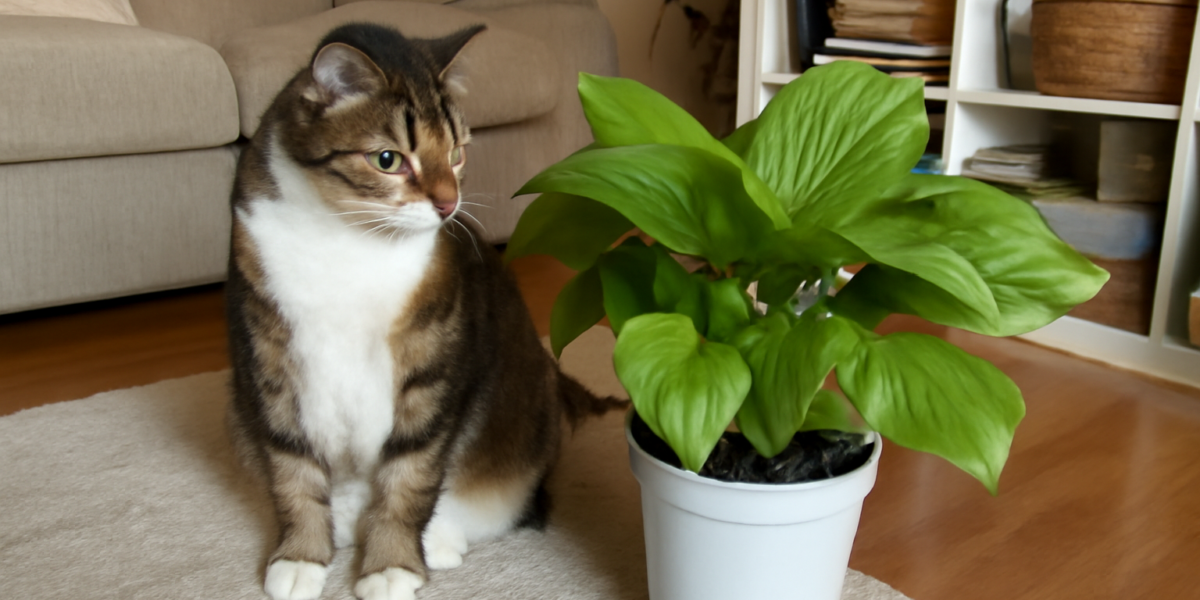
Indoor cats and hosta houseplants. Some people bring hosta divisions indoors as houseplants. If you have indoor cats, avoid keeping hostas inside your home entirely. Even the most well-behaved cat may decide to investigate or chew on an accessible plant. For safe indoor greenery, explore our guide to cat-safe houseplants, which offers many beautiful alternatives.
Outdoor and garden management. If you have outdoor cats or cats that spend time in an enclosed outdoor space (catio), survey the area for hosta plants. Consider removing hostas from any areas your cat can access and replacing them with non-toxic shade-loving alternatives. If removal is not practical, physical barriers such as fencing or netting can help keep cats away from the plants.
Enrichment and distraction. Cats often chew on plants out of boredom or because they crave greens in their diet. Providing cat grass (wheatgrass or oat grass) gives your cat a safe outlet for their plant-chewing instinct. Interactive toys, puzzle feeders, and regular playtime can also reduce the likelihood of your cat seeking entertainment from garden plants.
Training and deterrents. While cats can be more challenging to train than dogs, you can use safe deterrent methods to discourage plant-chewing behavior. Citrus peels placed around plants may deter some cats, as many felines dislike citrus scents. Commercial pet-safe plant deterrent sprays are also available.
Safe shade garden alternatives. If you love the lush, leafy look of hostas, several non-toxic plants can fill a similar role in shady garden areas. Consider planting cast iron plants (Aspidistra elatior), Boston ferns, spider plants, or certain varieties of coral bells (Heuchera). These plants thrive in similar conditions to hostas and are safe for cats.
Cat-Safe Plants That Offer Similar Appeal
One of the biggest concerns for cat owners who garden is finding attractive replacements that will not put their feline friends at risk. Here are some wonderful alternatives that offer visual appeal similar to hostas without the toxicity concerns:
Boston fern (Nephrolepis exaltata) is a lush, non-toxic plant that thrives in shaded areas and provides beautiful cascading fronds. It works well in hanging baskets, porch containers, or shaded garden beds.
Cast iron plant (Aspidistra elatior) earns its name from its virtually indestructible nature. It tolerates low light, neglect, and a range of temperatures while producing attractive, broad dark green leaves that can evoke the same lush feeling as hostas.
Spider plant (Chlorophytum comosum) is another cat-safe option that is extremely easy to grow. Its arching, variegated leaves add texture and interest to any space. Some cats are attracted to spider plants and may nibble on them, but they are non-toxic and will not cause harm.
Polka dot plant (Hypoestes phyllostachya) offers colorful, patterned foliage in shades of pink, red, and white that can brighten up a shaded area. It is non-toxic to cats and provides an eye-catching alternative to solid green hosta leaves.
With a little research and planning, you can create a garden or indoor plant collection that is both visually stunning and completely safe for your beloved cat.
Frequently Asked Questions
How toxic are hostas to cats compared to other common plants?
Hosta toxicity in cats is generally classified as mild to moderate. While certainly unpleasant and deserving of veterinary attention, hosta poisoning is typically less severe than poisoning from highly toxic plants like lilies (which can cause fatal kidney failure in cats), oleander, or sago palm. That said, any plant poisoning should be taken seriously, as individual cats may react more severely than expected. The saponins in hostas primarily cause gastrointestinal upset rather than organ damage, which contributes to the generally good prognosis.
Can a cat die from eating a hosta plant?
Fatal outcomes from hosta ingestion in cats are extremely rare. The primary risk is gastrointestinal distress, which, while uncomfortable, is usually self-limiting with proper supportive care. However, severe dehydration from prolonged vomiting and diarrhea could potentially become dangerous, particularly in very young kittens, elderly cats, or cats with compromised health. This is why prompt veterinary care is always recommended — not because hosta poisoning is typically fatal, but because early treatment prevents complications and ensures a faster, more comfortable recovery.
My cat licked a hosta leaf but did not eat it. Should I be worried?
A brief lick of a hosta leaf is unlikely to cause significant illness, as the amount of saponin transferred would be minimal. However, you should still monitor your cat for any signs of oral irritation (drooling, pawing at the mouth) or mild gastrointestinal upset over the following 12 to 24 hours. If your cat shows any symptoms or you are concerned, it never hurts to call your veterinarian for guidance. It is always better to err on the side of caution when it comes to potential plant poisoning.
Are miniature hosta varieties less toxic than large ones?
The size of the hosta variety does not determine its toxicity. Miniature, small, medium, and giant hosta cultivars all contain saponins in similar concentrations. The risk difference lies in how much plant material is available for a cat to consume — a large hosta provides more accessible foliage, potentially allowing a cat to ingest a larger amount. However, all hosta varieties should be treated as equally toxic regardless of their size classification.
Keeping your cat safe from toxic plants like hostas is an important part of responsible pet ownership. By understanding the risks, knowing the symptoms, and taking preventive steps, you can ensure your feline companion stays healthy and happy while you enjoy a beautiful garden. When in doubt, always consult your veterinarian — they are your best resource for keeping your cat safe from plant-related dangers.


