Are Borage Plants Toxic to Pets? Borago Pyrrolizidine Garden Herb Guide
Borage plants are toxic to pets via pyrrolizidine alkaloids — the same hepatotoxic chemistry as comfrey. Learn ASPCA-aligned symptoms and emergency vet steps.
Which plants and foods are toxic to cats and dogs. Quick safety guides.
Borage plants are toxic to pets via pyrrolizidine alkaloids — the same hepatotoxic chemistry as comfrey. Learn ASPCA-aligned symptoms and emergency vet steps.
Comfrey plants are toxic to pets via pyrrolizidine alkaloids — hepatotoxic and easy to underestimate. Learn ASPCA-aligned symptoms and emergency vet steps.
Coriander plants are generally safe for pets per ASPCA — the same plant as cilantro. Learn the leaf-vs-seed picture and ASPCA-aligned vet guidance here.
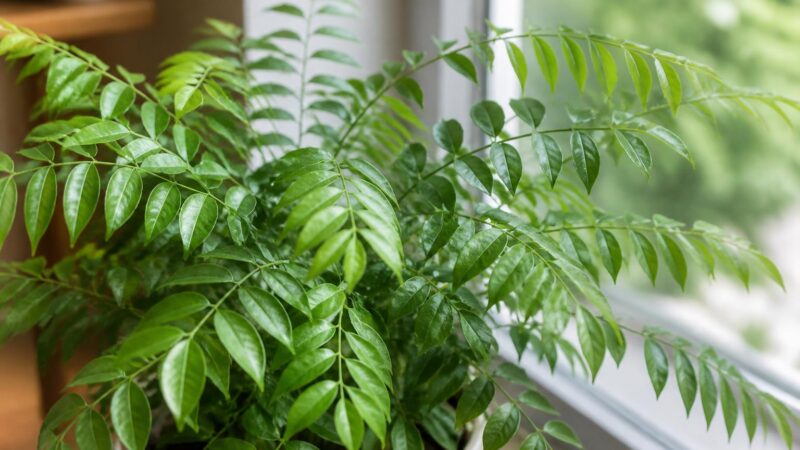
Curry leaf plants are generally safe for pets per ASPCA framing — and they are not the same as curry powder. Learn the plant-vs-spice distinction here.
Stevia plants are generally safe for pets per ASPCA — and the real risk is confusing stevia with xylitol. Learn the safe-sweetener distinction here.
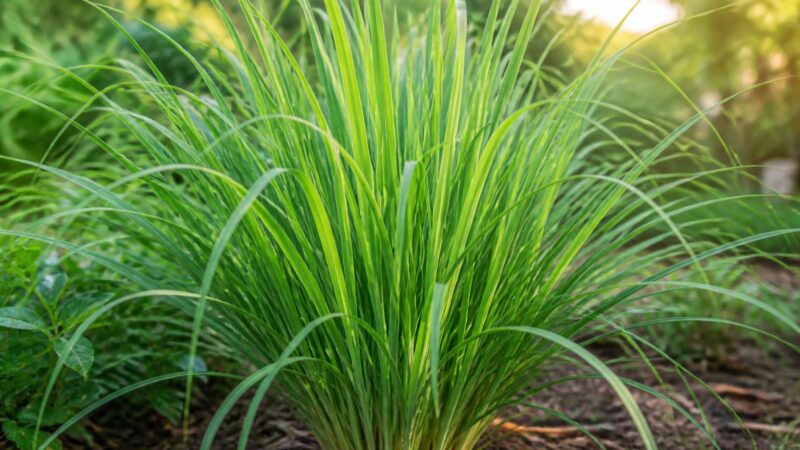
Lemongrass plants are generally safe for pets per ASPCA — but lemongrass essential oil is a different story. Learn the plant-versus-oil distinction here.
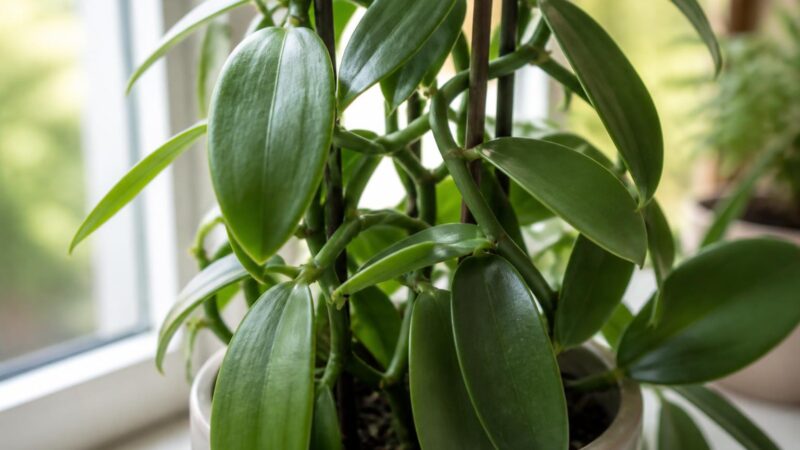
Vanilla plants are generally safe for pets per ASPCA framing — but vanilla extract is a different question. Learn the plant-versus-extract distinction here.
Saffron crocus toxic to pets — and easy to confuse with deadly autumn crocus. Learn the differences, symptoms, and ASPCA emergency vet steps to take now.
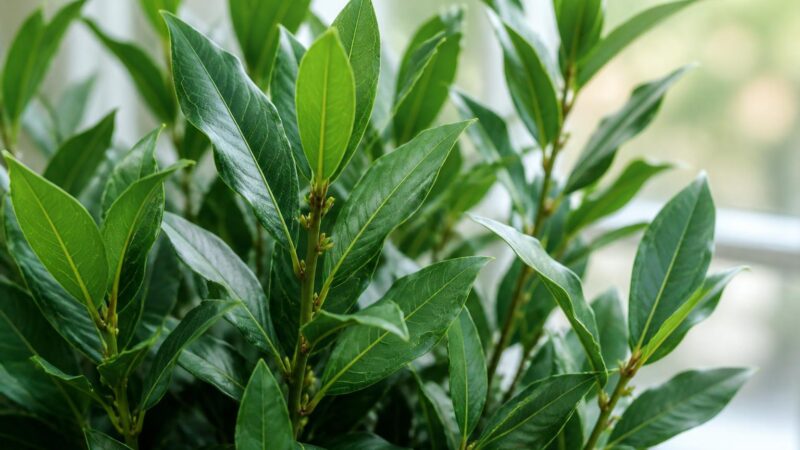
Bay laurel plants toxic to pets via essential oils — and easy to confuse with cherry or mountain laurel. Learn ASPCA-aligned symptoms and emergency vet steps.
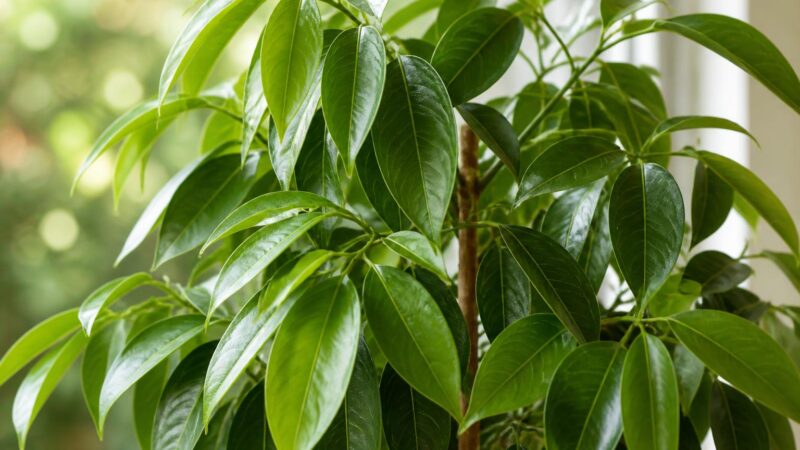
Cinnamon trees toxic to pets, especially cats — essential oil drives the risk. Learn ASPCA-aligned guidance, symptoms, and emergency vet steps to take now.