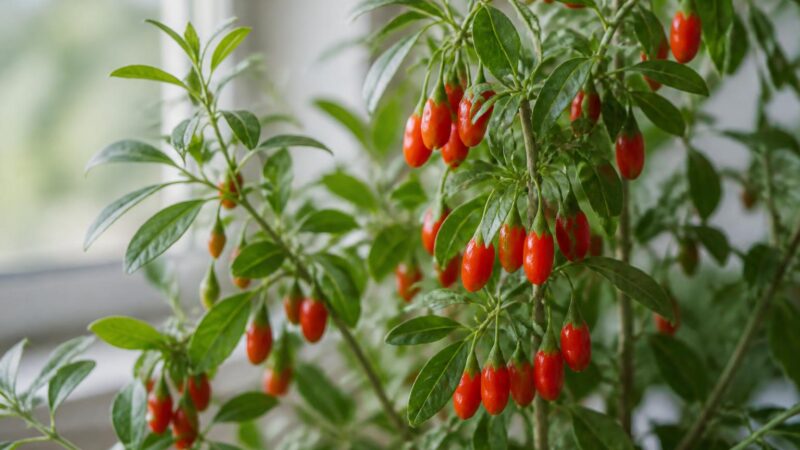
Are Goji Berry Plants Toxic to Pets? Lycium Solanaceae Family Guide
Goji berry plants (Lycium) are nightshade family — fruit moderate-OK per ASPCA, plant has theoretical caution. Learn the honest framing and when to call the vet.
Which plants and foods are toxic to cats and dogs. Quick safety guides.
Goji berry plants (Lycium) are nightshade family — fruit moderate-OK per ASPCA, plant has theoretical caution. Learn the honest framing and when to call the vet.
Chokeberry (Aronia) is safe per ASPCA — NOT the same as toxic chokecherry. Learn the critical naming difference and when to call the vet for cats and dogs.
Kiwi plants (Actinidia) are safe per ASPCA but contain actinidine — a catnip-like attractant for cats. Learn realistic risks and when to call the vet.
Lingonberry plants (Vaccinium vitis-idaea) are safe per ASPCA. Learn realistic risks, Vaccinium genus kinship, and when to call the vet for cats and dogs.
Rubus bramble plants (raspberry, blackberry, dewberry, more) are safe per ASPCA. Learn thorn risks, look-alikes, and when to call the vet for cats and dogs.
Mulberry bushes (Morus) are safe per ASPCA when fruit is ripe. Learn unripe-berry caution, fallen-fruit risks, and when to call the vet for cats and dogs.
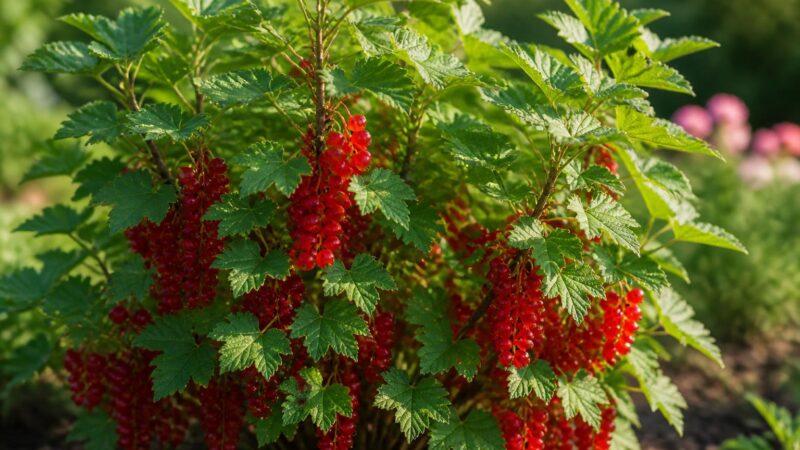
Currant bushes (Ribes) are safe per ASPCA. Learn realistic risks, gooseberry kinship, and when to call the vet for cats and dogs.
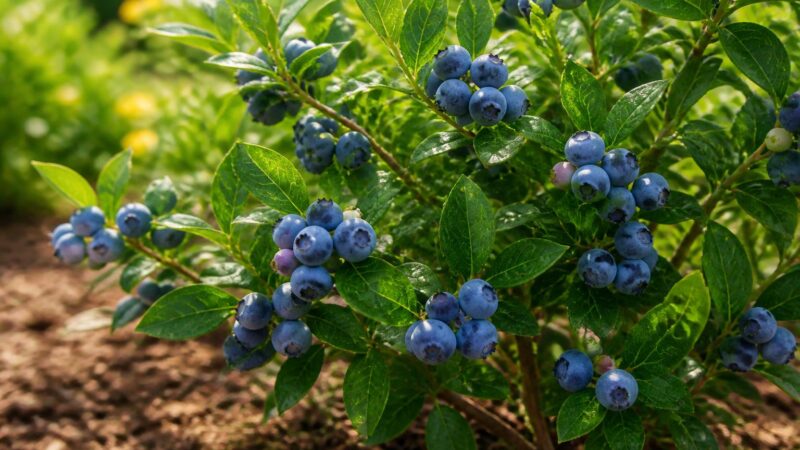
Blueberry bushes (Vaccinium corymbosum) are safe per ASPCA. Learn realistic risks, fruit serving notes, and when to call your vet for cats and dogs.
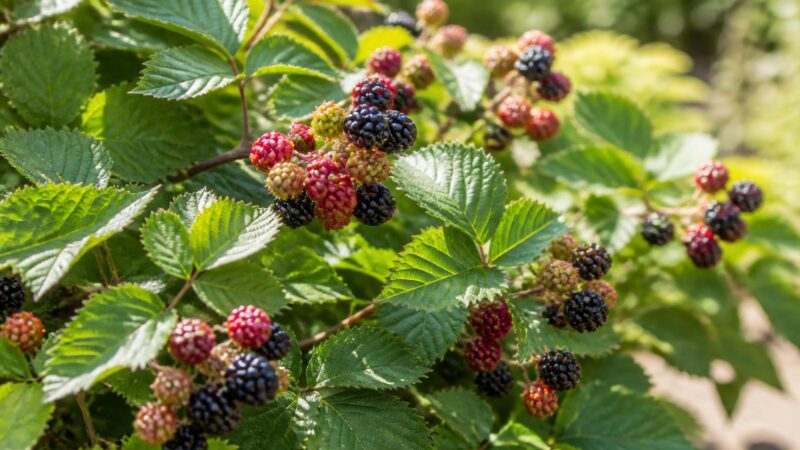
Blackberry canes (Rubus fruticosus) are safe per ASPCA. Learn thorn risks, suckering issues, and when to call your vet for cats and dogs.
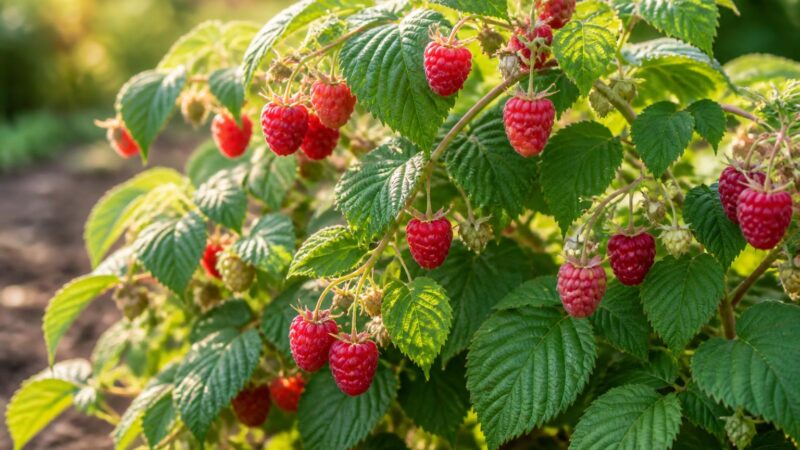
Raspberry canes (Rubus idaeus) are safe per ASPCA. Learn thorn risks, what cats and dogs do with brambles, and when to call your vet for caution.