Are Sweet Potato Plants Safe for Pets? Ipomoea Batatas Tuber Crop Guide
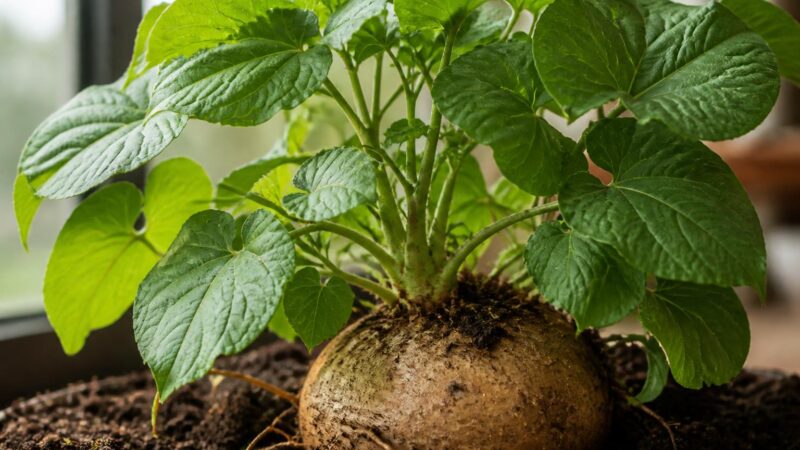
Sweet potato food crop (Ipomoea batatas) is non-toxic per ASPCA. Learn the food-vs-ornamental-vine distinction, tuber safety, and emergency vet routing.
Which plants and foods are toxic to cats and dogs. Quick safety guides.
Sweet potato food crop (Ipomoea batatas) is non-toxic per ASPCA. Learn the food-vs-ornamental-vine distinction, tuber safety, and emergency vet routing.
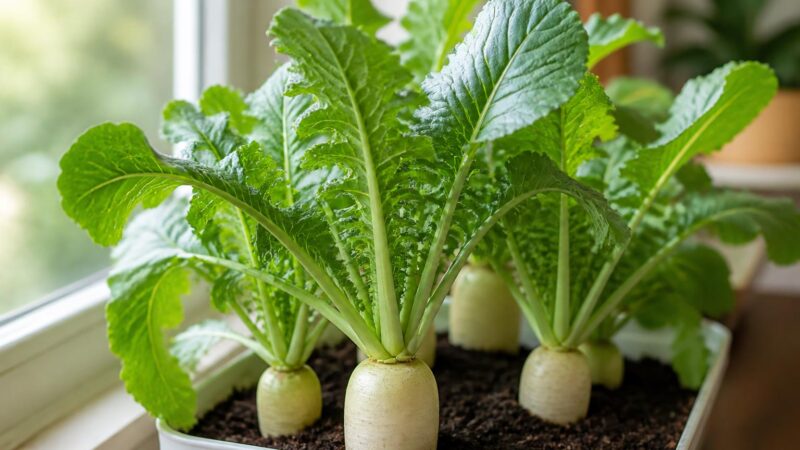
Daikon radish (Raphanus sativus) is non-toxic per ASPCA. Learn why daikon roots and tops are safe for pets, plus cruciferous caveats and vet routing.
Jicama tuber is edible but the vine, leaves, and seeds contain toxic rotenone. Learn the plant-vs-food distinction, severity, and emergency vet routing.
Horseradish (Armoracia rusticana) contains pungent allyl isothiocyanate causing oral and GI burning in pets. Learn symptoms, severity, and emergency vet routing.
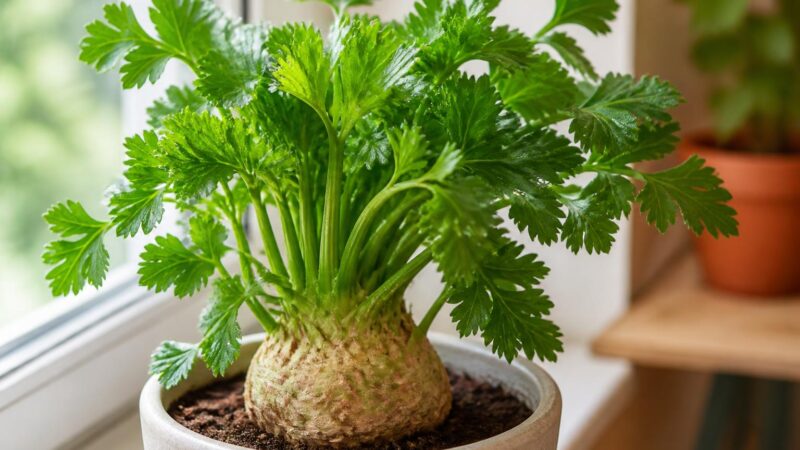
Celeriac (Apium graveolens var. rapaceum) is non-toxic per ASPCA. Learn the celery-root pet-safety profile, psoralen caveat, and vet routing.
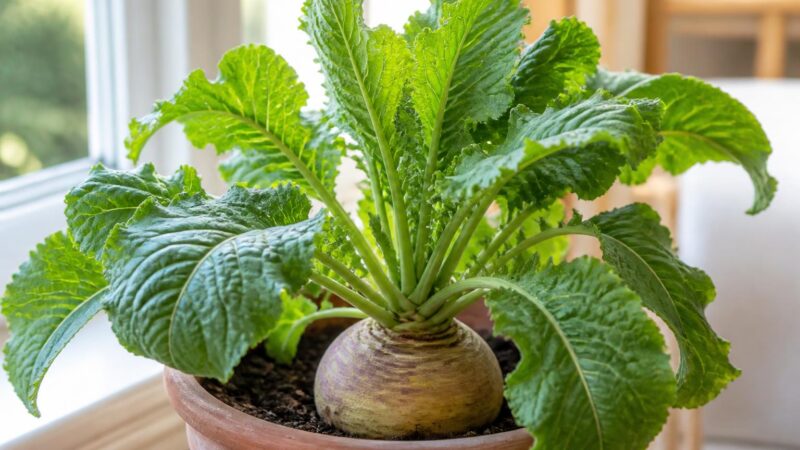
Rutabaga plants (Brassica napus) are non-toxic per ASPCA. Learn why rutabaga roots and tops are safe for pets, plus cruciferous caveats and vet routing.
Parsnip plants (Pastinaca sativa) contain phototoxic furanocoumarins. Learn the leaf-vs-root risk, sun-burn skin reaction, and emergency vet routing.
Turnip plants (Brassica rapa) are non-toxic per ASPCA. Learn why turnip roots and greens are safe for pets, with cruciferous caveats and vet routing.
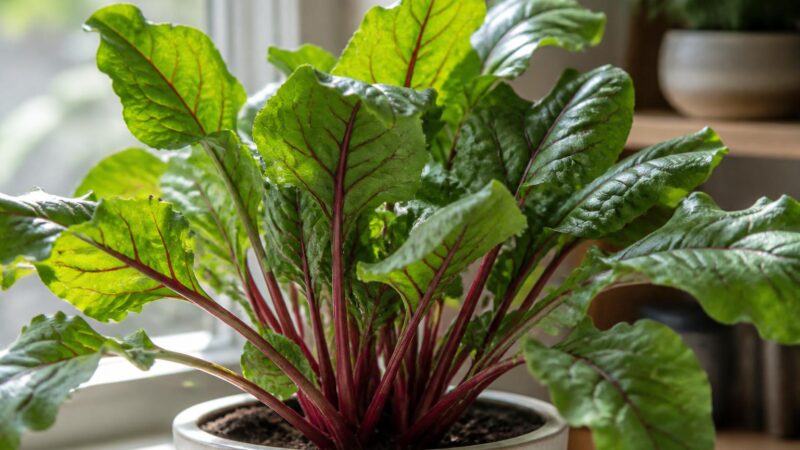
Beet plants (Beta vulgaris) are non-toxic per ASPCA. Learn why beet roots and greens are safe for pets, the oxalate caveat, and vet routing.
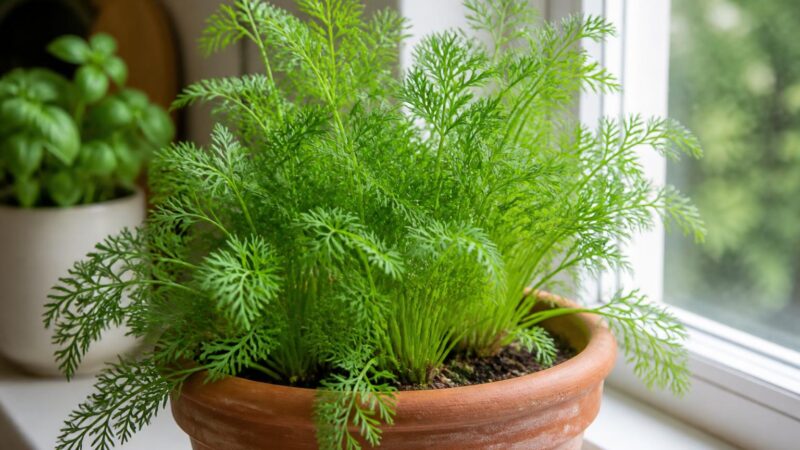
Carrot plants (Daucus carota) are listed non-toxic by ASPCA. Learn why both root and tops are safe for pets, with garden tips and vet routing.