
Last updated: April 6, 2026
In this article
- Toxicity Level: How Dangerous Are Hydrangeas to Dogs?
- Which Parts of a Hydrangea Are Dangerous?
- Cyanide Compounds: Why Hydrangeas Are Toxic
- Symptoms of Hydrangea Poisoning in Dogs
- First Aid: What to Do If Your Dog Ate Hydrangea
- Veterinary Treatment for Hydrangea Poisoning
- Preventing Access: How to Keep Your Dog Safe
- Safe Garden Alternatives to Hydrangeas
- Frequently Asked Questions
Quick Answer: Yes — hydrangeas are mildly to moderately toxic to dogs. Every part of the hydrangea plant contains cyanogenic glycosides, which can release hydrogen cyanide during digestion. If your dog has chewed or swallowed any part of a hydrangea, contact your veterinarian or an emergency animal poison hotline immediately.
Hydrangeas are one of the most popular flowering shrubs in home gardens across the country. Their massive, showy bloom clusters make them a landscaping favorite — but they also make them a target for curious dogs who like to chew, dig, and explore. Because hydrangeas are toxic to dogs, any household with a dog should understand the risks these plants carry, recognize the warning signs of poisoning, and know how to respond quickly if exposure occurs.
This comprehensive guide walks you through everything dog owners need to know about hydrangea toxicity: the specific compounds that make the plant dangerous, which parts of the shrub pose the greatest risk, what symptoms to watch for, and the exact steps to take if your dog eats a hydrangea. We also cover veterinary treatment options, practical prevention strategies, and safe garden alternatives so you can enjoy a beautiful yard without putting your dog in danger.
Toxicity Level: How Dangerous Are Hydrangeas to Dogs?
Hydrangeas are classified as mildly to moderately toxic to dogs by both the ASPCA and the Pet Poison Helpline. This means they are not in the same category as acutely lethal substances like xylitol or antifreeze, but they are far from harmless. The severity of a reaction depends on several factors: the size and weight of the dog, the amount of plant material consumed, which part of the plant was eaten, and the individual dog’s sensitivity.
A large-breed dog that nibbles a single petal may experience only mild stomach upset. A small-breed dog — such as a Chihuahua or Yorkshire Terrier — that chews through a handful of leaves could develop more serious symptoms. Puppies are at elevated risk because of their lower body weight, immature organ function, and natural tendency to mouth everything in their environment. Regardless of how minor the exposure may seem, veterinary guidance should always be sought when a dog has ingested any amount of hydrangea.
Which Parts of a Hydrangea Are Dangerous?
Every part of the hydrangea plant is toxic to dogs. There is no safe portion. The flowers, leaves, stems, bark, and even the buds all contain the cyanogenic glycosides responsible for the plant’s toxicity. Understanding which parts dogs are most likely to encounter helps owners anticipate and prevent exposure.
- Flowers — The large bloom clusters are visually striking and accessible, making them one of the most commonly ingested parts. Dogs may pull flower heads from the plant or chew on fallen blooms.
- Leaves — Hydrangea leaves are broad, plentiful, and often within easy reach, especially on younger or unpruned shrubs. Chewing leaves delivers a concentrated dose of cyanogenic glycosides.
- Stems and bark — Dogs that chew sticks or woody material may gnaw on hydrangea stems. Even dried stems retain their toxic compounds.
- Buds and new growth — Young, emerging plant tissue is particularly concentrated in defensive chemical compounds, including cyanogenic glycosides.
- Dried or wilted plant material — Dead hydrangea cuttings, prunings left in garden waste piles, and dried flower arrangements remain toxic. Toxicity does not diminish significantly as the plant dries.
If you are unsure which plant your dog has been chewing, save a sample or take a clear photograph. Accurate identification allows your veterinarian to assess the risk much more quickly.
Cyanide Compounds: Why Hydrangeas Are Toxic
The toxicity of hydrangeas comes from a class of naturally occurring chemicals called cyanogenic glycosides. The primary compound found in hydrangeas is hydrangin, though amygdalin and other related glycosides may also be present depending on the species. Common hydrangea varieties — including Hydrangea macrophylla (bigleaf or mophead), Hydrangea paniculata (panicle), Hydrangea quercifolia (oakleaf), and Hydrangea arborescens (smooth) — all contain these compounds.
When a dog chews and swallows hydrangea plant material, the cyanogenic glycosides begin to break down during digestion. Enzymes in the plant tissue and in the dog’s gut convert these glycosides into hydrogen cyanide (HCN), a potent cellular toxin. Cyanide interferes with the ability of cells to use oxygen, which is why severe poisoning can affect the cardiovascular and nervous systems.
At the amounts a dog is likely to consume from incidental chewing, the cyanide release is usually low enough to cause gastrointestinal distress rather than acute cyanide poisoning. However, the dose-response relationship is real: a dog that eats a large quantity of plant material — particularly leaves and buds — is at risk of more serious, systemic effects. This is especially true for smaller breeds where the same amount of plant material represents a proportionally larger dose relative to body weight.
Symptoms of Hydrangea Poisoning in Dogs
Symptoms of hydrangea poisoning in dogs typically appear within two to four hours of ingestion, though they can begin as soon as 30 minutes after exposure. The most common symptoms are gastrointestinal, but more serious signs can develop with larger ingestions. Recognizing these symptoms early gives you the best chance of getting your dog effective treatment before the situation worsens.
Mild to moderate symptoms:
- Vomiting — often the earliest and most obvious sign; may include visible plant material
- Diarrhea — can be watery or contain mucus; contributes to dehydration
- Excessive drooling — caused by irritation of the mouth, tongue, and throat
- Loss of appetite — the dog refuses food or treats after exposure
- Abdominal pain — your dog may whimper, guard the belly, assume a hunched posture, or resist being touched around the midsection
- Lethargy and depression — a normally active dog becomes unusually quiet, withdrawn, or reluctant to move
Severe symptoms (large ingestions or delayed treatment):
- Rapid or labored breathing — a sign that cellular oxygen use may be compromised
- Elevated heart rate — the cardiovascular system compensates for impaired oxygen delivery
- Pale or bluish gums — indicates poor oxygenation and demands immediate emergency care
- Weakness and incoordination — the dog may stumble, sway, or have difficulty standing
- Tremors or seizures — rare but possible with significant cyanide exposure
- Collapse — a medical emergency requiring immediate veterinary intervention
If your dog shows any of the severe symptoms listed above, do not wait — this is an emergency. Even mild vomiting after known or suspected hydrangea contact warrants a call to your veterinarian. Hydrangea poisoning in dogs should never be managed with a wait-and-see approach.
First Aid: What to Do If Your Dog Ate Hydrangea
Knowing the correct first aid steps before an emergency happens allows you to act calmly and quickly when it matters most. If you suspect your dog has eaten any part of a hydrangea, follow these steps immediately.
- Remove your dog from the plant. Move your dog away from the hydrangea and prevent any further chewing or ingestion. If there is plant material visible in your dog’s mouth, carefully remove what you can without risking a bite.
- Do not induce vomiting unless instructed. Inducing vomiting at home without professional guidance can cause aspiration, esophageal damage, or other complications. Only induce vomiting if your veterinarian or a poison control hotline specifically tells you to do so.
- Identify the plant and estimate the amount consumed. Note whether your dog ate flowers, leaves, stems, or a combination. Try to estimate the quantity — was it a single leaf, a handful of petals, or an extended chewing session? This information directly affects the veterinary assessment.
- Offer a small amount of water. Allowing your dog to drink water can help dilute irritants in the mouth and stomach, but do not force fluids.
- Call your veterinarian or a poison hotline immediately. If your regular veterinarian is unavailable, contact an emergency animal hospital. The ASPCA Animal Poison Control Center can be reached at (888) 426-4435 and the Pet Poison Helpline at (855) 764-7661 — both operate 24 hours a day (consultation fees may apply).
- Bring a sample or photo of the plant to the clinic. Positive identification of the plant species lets the veterinary team move directly to the appropriate treatment plan without delays.
Early action consistently produces better outcomes. Do not wait for symptoms to escalate before seeking professional advice.
Veterinary Treatment for Hydrangea Poisoning
There is no specific antidote for hydrangea poisoning in dogs. Treatment is supportive and symptomatic, meaning the veterinary team focuses on managing the dog’s symptoms, preventing further absorption of the toxin, and supporting the body’s natural recovery processes.
Decontamination: If the dog is brought in soon after ingestion and is not yet showing neurological symptoms, the veterinarian may induce vomiting to remove undigested plant material from the stomach. Activated charcoal may then be administered to bind remaining toxins in the gastrointestinal tract and reduce further absorption. These steps are most effective within the first one to two hours after ingestion.
Fluid therapy: Intravenous (IV) fluids are commonly administered to combat dehydration caused by vomiting and diarrhea, support kidney and liver function, and help the body clear the toxin more efficiently. Fluid therapy is one of the most important interventions in moderate to severe cases.
Symptom management: Anti-nausea medications (such as maropitant or ondansetron) help control vomiting. Gastrointestinal protectants may be used to soothe irritated stomach and intestinal lining. Pain management is provided as needed based on the dog’s level of discomfort.
Monitoring: The veterinary team will monitor your dog’s vital signs — heart rate, respiratory rate, blood pressure, and oxygen saturation — and may run blood work to check organ function. Dogs that have consumed large amounts of hydrangea may be hospitalized for observation for 12 to 24 hours.
The prognosis for dogs that receive timely veterinary care is excellent. Most dogs recover fully within 24 to 48 hours with appropriate supportive treatment. Delayed treatment or very large ingestions may require a longer recovery period, but fatal outcomes from hydrangea poisoning alone are uncommon when veterinary care is provided.
Preventing Access: How to Keep Your Dog Safe
Because hydrangeas are so commonly planted in home gardens, front yards, and public spaces, prevention requires deliberate effort. The following strategies will help you reduce or eliminate the risk of hydrangea poisoning for your dog.
- Remove hydrangeas from your dog’s accessible areas. The most reliable strategy is to remove hydrangea plants entirely from any space your dog can reach. If removing them is not an option, relocate the shrubs behind secure fencing your dog cannot jump, dig under, or push through.
- Install physical barriers. Decorative garden fencing, raised beds with wire enclosures, or dedicated dog-free garden zones can separate your dog from toxic plants. Ensure barriers are tall and sturdy enough for your dog’s breed — a determined Labrador Retriever will clear a low fence easily.
- Train a reliable “leave it” command. While training alone is not sufficient protection, a strong “leave it” cue can interrupt your dog in the moment and buy you time to redirect. Combine training with physical barriers for the most effective prevention.
- Supervise outdoor time. Dogs that are left unsupervised in gardens are at the highest risk. If hydrangeas are present in your yard, supervise your dog’s outdoor sessions until the plants have been removed or adequately secured.
- Secure garden waste and prunings. Hydrangea clippings, fallen blooms, and pruned branches are still toxic. Dispose of all hydrangea waste in a covered bin or area your dog cannot access. Do not leave garden debris in open compost piles.
- Watch for hydrangeas on walks. Hydrangeas are popular in front-yard landscaping and public gardens. Keep your dog on leash in areas with unfamiliar plants, and redirect any interest in roadside shrubs.
- Avoid indoor hydrangea arrangements. Cut hydrangeas in vases are a common source of exposure, especially the water in the vase, which can leach toxic compounds. If hydrangeas are displayed in your home, keep them in a room your dog cannot enter.
If you are adopting a new dog, audit your home and yard for toxic plants before your new companion arrives. A few hours of preparation can prevent a costly and stressful emergency later.
Safe Garden Alternatives to Hydrangeas
Giving up hydrangeas does not mean giving up a beautiful, lush garden. Many flowering shrubs and perennials provide similar visual impact without posing a risk to your dog. The following plants are considered non-toxic to dogs and can serve as practical replacements for hydrangeas in garden beds, borders, and containers.
- Roses (Rosa spp.) — Classic, widely available, and non-toxic to dogs. Choose thornless varieties for areas where your dog plays to prevent scratches.
- Sunflowers (Helianthus annuus) — Tall, bold, and completely safe for dogs. Excellent for borders, cutting gardens, and adding height to planting schemes.
- Snapdragons (Antirrhinum majus) — Colorful, long-blooming, and non-toxic. Available in a wide range of heights and colors to suit any garden design.
- Zinnias (Zinnia elegans) — Vibrant, easy to grow, and safe for dogs. They attract pollinators and produce abundant blooms throughout the summer.
- Crepe myrtles (Lagerstroemia spp.) — A flowering shrub or small tree that provides the same large-scale garden presence as hydrangeas, with showy bloom clusters and no toxicity risk to dogs.
- Camellias (Camellia spp.) — Elegant evergreen shrubs with lush blooms; non-toxic to dogs and well-suited to the same partially shaded conditions hydrangeas prefer.
- Petunias (Petunia spp.) — Prolific bloomers that are safe for dogs and available in nearly every color. Ideal for containers, hanging baskets, and garden borders.
- Coral bells (Heuchera spp.) — Valued for their colorful foliage and delicate flower spikes; non-toxic and excellent as a ground cover or border plant.
When planning a dog-friendly garden, cross-reference every new plant against the ASPCA’s toxic plant database before purchasing. If you are unsure about any plant already growing in your yard, ask your local nursery or veterinarian for identification assistance. Explore our dog breeds directory for breed-specific care advice that can help you tailor your home and garden to your dog’s unique needs.
Frequently Asked Questions
Are hydrangeas toxic to dogs if they only sniff the flowers?
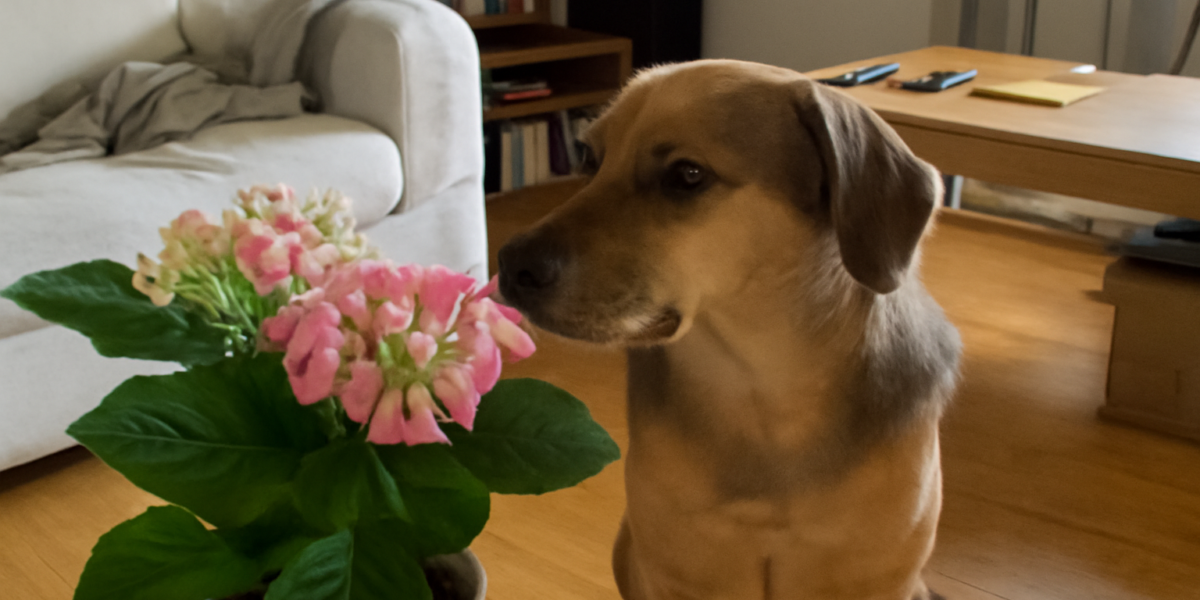
Sniffing alone is not dangerous. Hydrangea toxicity requires ingestion — the dog must actually chew and swallow plant material for the cyanogenic glycosides to cause harm. However, a dog that sniffs a hydrangea intently may quickly progress to licking or chewing, so it is best to redirect your dog away from the plant if you notice investigative interest.
Can dried hydrangeas still poison a dog?
Yes. Drying does not eliminate the cyanogenic glycosides in hydrangea plant tissue. Dried flowers, pressed hydrangea arrangements, and dead plant material from pruning all retain their toxic potential. Treat dried hydrangeas with the same caution as fresh plants and keep them out of your dog’s reach.
Are all hydrangea species equally toxic to dogs?
All commonly grown hydrangea species — including bigleaf (H. macrophylla), panicle (H. paniculata), oakleaf (H. quercifolia), smooth (H. arborescens), and climbing (H. petiolaris) — contain cyanogenic glycosides and are considered toxic to dogs. There is no “safe” hydrangea variety for dogs. The concentration of toxic compounds may vary slightly between species and growing conditions, but no hydrangea species should be considered non-toxic.
My dog ate a hydrangea petal but seems fine — should I still call the vet?
Yes. Symptoms of hydrangea poisoning may not appear for two to four hours after ingestion. A dog that seems fine immediately after eating a petal may develop vomiting, diarrhea, or lethargy later. Calling your veterinarian allows them to advise you on what to watch for based on your dog’s weight, age, and the amount consumed. There is no downside to making the call, and early advice can prevent a minor incident from escalating.
Is the water in a vase of cut hydrangeas dangerous for dogs?
It can be. Water in a vase containing cut hydrangeas may absorb small amounts of the plant’s toxic compounds over time. Dogs are often attracted to flower vase water and may drink from it if given the opportunity. To be safe, keep all hydrangea arrangements — including the vase water — in areas completely inaccessible to your dog.
What is the difference between hydrangea toxicity in dogs and cats?
The toxic compound and mechanism are the same — cyanogenic glycosides affect both species similarly. However, dogs are more likely to consume larger quantities of plant material due to their size, chewing habits, and outdoor access, which can lead to more significant exposures. Cats tend to be more selective but are at risk at lower doses due to their smaller body weight. If you have both dogs and cats, hydrangeas should be removed from all accessible areas of your home and garden.
If you are considering adopting a dog and want to make sure your home is safe and welcoming, browse our available pets and start preparing a pet-friendly space today.


