
Last updated: April 10, 2026
In this article
Jade Plants Are Toxic to Dogs
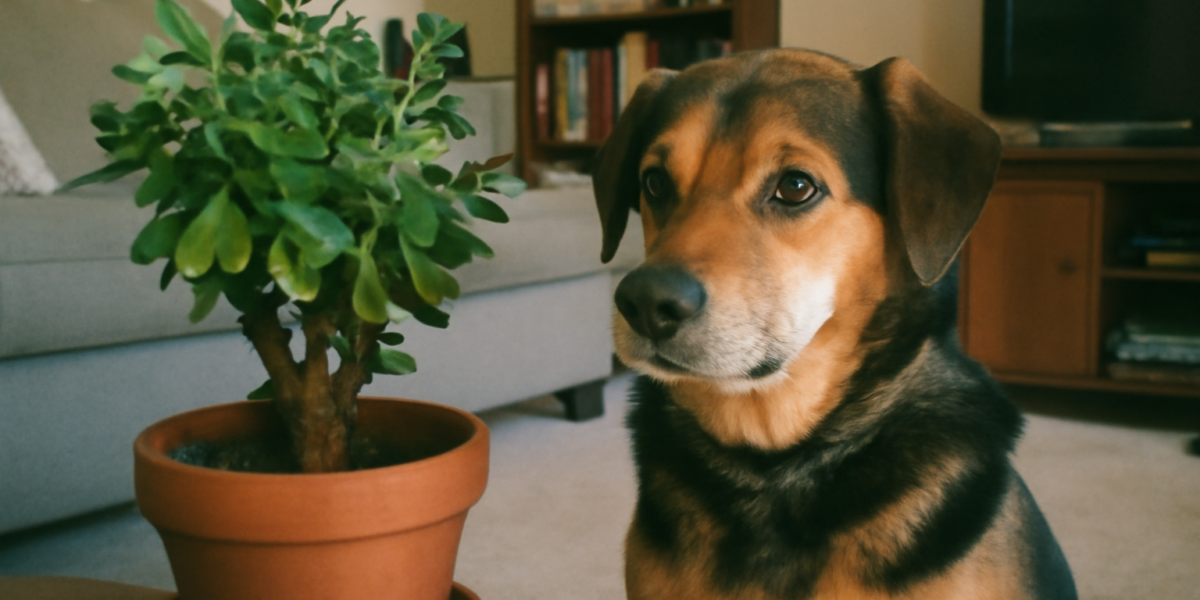
Yes, jade plants (Crassula ovata) are toxic to dogs. Also known as the money plant, lucky plant, or rubber plant, the jade plant is a popular succulent found in homes and offices worldwide. Despite its low-maintenance appeal, every part of the jade plant — leaves, stems, and roots — contains compounds that are harmful to dogs if ingested. The toxicity is classified as mild to moderate, but prompt attention is still important.
The exact toxic compound in jade plants has not been definitively identified by researchers, which is unusual among known toxic plants. What veterinarians do know is that ingestion consistently produces a recognizable set of symptoms including vomiting, depression, and loss of coordination. The ASPCA lists the jade plant as toxic to both dogs and cats.
Symptoms of Jade Plant Poisoning in Dogs
Symptoms typically appear within a few hours of ingestion and can range from mild to moderately severe depending on the amount consumed and your dog’s size. Watch for the following signs:
- Vomiting (often the first and most common symptom)
- Lethargy or depression
- Loss of coordination or stumbling (ataxia)
- Loss of appetite
- Retching or dry heaving
- Slow heart rate (bradycardia) in more severe cases
The neurological symptoms, particularly the incoordination and depression, distinguish jade plant toxicity from simple stomach upset. If your dog seems wobbly or unusually subdued after potential plant exposure, jade plant poisoning should be considered.
Small dogs and puppies are at greater risk because even a small amount of plant material represents a higher dose relative to their body weight. Puppies are also more likely to chew on houseplants out of curiosity, making prevention especially important in homes with young dogs.
What Makes Jade Plants Dangerous
The precise toxic mechanism of jade plants remains a subject of ongoing research. Unlike many toxic houseplants that contain well-documented compounds like calcium oxalate crystals or cardiac glycosides, jade plants produce their toxic effects through an as-yet-unidentified substance.
Some researchers suspect the toxicity involves compounds that affect the central nervous system, which would explain the characteristic depression and incoordination seen in poisoned animals. Others have proposed that irritant sap compounds may be responsible for the gastrointestinal symptoms.
What is clear from clinical reports is that all parts of the plant are equally dangerous. There is no safe portion of a jade plant for a dog to chew on. Even dried or fallen leaves retain their toxic properties, so cleaning up dropped foliage is important in homes with pets.
First Aid for Jade Plant Ingestion
If you suspect or witness your dog eating any part of a jade plant, take these steps immediately:
- Remove access: Move the plant out of reach and clear any fallen leaves or soil from the area
- Check the mouth: Gently look inside your dog’s mouth for plant fragments and remove any you can see
- Collect evidence: Save a piece of the plant or take a photo for identification, which helps your vet assess the situation
- Call your veterinarian: Contact your vet clinic or the ASPCA Animal Poison Control Center (888-426-4435) right away
- Do not induce vomiting: Unless specifically directed by a veterinarian, do not try to make your dog vomit at home
Offer your dog small sips of water but do not force fluids. Keep your dog in a quiet, safe space where you can monitor them for developing symptoms. Note the approximate time of ingestion and how much plant material was consumed, as this information helps your vet determine the best course of action.
Veterinary Treatment for Jade Plant Poisoning
Your veterinarian will tailor treatment to the severity of symptoms and the amount of plant ingested. In many cases, treatment focuses on supportive care rather than a specific antidote, since no antidote exists for jade plant toxicity.
If the ingestion was very recent (within one to two hours), your vet may induce vomiting in a controlled setting to remove plant material from the stomach. Activated charcoal may be administered to reduce further absorption of toxins from the gastrointestinal tract.
For dogs showing dehydration or persistent vomiting, intravenous fluids help restore hydration and support kidney function. Anti-nausea medications can control vomiting, and monitoring for cardiac abnormalities may be warranted in more severe cases where bradycardia has been noted.
Most dogs recover fully within 24 to 48 hours with appropriate veterinary support. Severe cases or delayed treatment can lead to more prolonged recovery, so early intervention is always recommended.
Keeping Your Dog Safe Around Houseplants
The easiest way to prevent jade plant poisoning is to remove jade plants from your home entirely or place them in rooms your dog cannot access. High shelves and hanging planters may work for small jade plants, but larger specimens on the floor are easily accessible to curious dogs.
If you love succulents but have dogs, several non-toxic alternatives make beautiful houseplants. Haworthia, Echeveria, and Christmas cactus are all considered non-toxic to dogs by the ASPCA. These plants offer a similar aesthetic without the risk.
Train your dog to avoid houseplants using a “leave it” command reinforced with treats. Bitter apple spray applied to plant pots can deter some dogs, though determined chewers may not be discouraged. Keeping plants behind baby gates or in a dedicated plant room is a more reliable solution.
Check our guides on other common houseplant hazards, including pothos toxicity and philodendron risks for dogs, to make your home safer for all your pets.
Jade Plant Toxicity Compared to Other Succulents
Not all succulents are created equal when it comes to pet safety. While jade plants are toxic, many popular succulents are perfectly safe. Understanding which plants pose risks helps you make informed choices when decorating your home.
Among the toxic succulents to avoid with dogs are kalanchoe (which contains cardiac glycosides), euphorbia species (which produce irritant milky sap), and aloe vera (which contains saponins). Among safe options, hens-and-chicks (Sempervivum), burro’s tail (Sedum morganianum), and air plants (Tillandsia) are all non-toxic choices.
When shopping for new plants, always cross-reference with the ASPCA’s toxic plant database before bringing anything home. The plant’s common name can sometimes be misleading, so checking the botanical name ensures accuracy. If you are adopting a new dog, pet-proofing your home should include an audit of every plant in your household.
Frequently Asked Questions
How much jade plant does a dog need to eat to get sick?
There is no established minimum toxic dose for jade plants in dogs. Even a few chewed leaves have caused symptoms in small dogs, while larger dogs may tolerate a small amount with only mild stomach upset. Because the toxic compound is unidentified and individual sensitivity varies, treat any ingestion as potentially harmful.
Can jade plant toxicity be fatal to dogs?
Fatal outcomes from jade plant ingestion are extremely rare. Most cases resolve with supportive veterinary care within one to two days. However, untreated severe cases, particularly in very small dogs, could theoretically lead to dangerous dehydration or cardiac complications. Prompt veterinary attention virtually eliminates this risk.
Is the jade plant toxic to cats as well?
Yes, the ASPCA lists jade plants as toxic to both dogs and cats. Cats may show similar symptoms including vomiting, lethargy, and incoordination. If you have a multi-pet household, consider removing jade plants entirely or placing them where neither dogs nor cats can access them.
Are miniature jade plants (Portulacaria afra) also toxic?
The elephant bush (Portulacaria afra), commonly sold as miniature jade or dwarf jade, is actually a different genus from true jade (Crassula). Portulacaria afra is generally considered non-toxic to dogs. However, the two plants look similar, so correct identification is important. If uncertain, treat the plant as potentially toxic and consult your vet.


