Last updated: May 4, 2026
In this article
- Basset Hound vs Bloodhound at a Glance
- History and Origin
- Size and Appearance
- Temperament and Personality
- Trainability and Recall
- Exercise Needs
- Grooming and Slobber
- Health and Lifespan
- Rescue Availability and Cost
- Living Day-to-Day with a Scent Hound
- Comparison with Other Hounds
- Which Is Right for You
- Adoption Process and Preparation
- Frequently Asked Questions
Basset Hound vs Bloodhound at a Glance
The Basset Hound vs bloodhound comparison comes up often because both are droopy-faced, long-eared, deep-voiced scent hounds and they look like cousins in a lineup. They are related — both descend from the medieval St. Hubert’s hound — but they suit very different homes. Picking between them is mostly a question of how much dog you can physically handle and how big a slobber wipe you keep on the kitchen counter.
In short: the Basset Hound is a 40-to-65-pound short-legged scent hound bred for slow tracking on foot, with a famously laid-back temperament that suits family pet life. The Bloodhound is a 80-to-110-pound large scent specialist, recognized as the gold-standard human-tracking dog and used in law enforcement worldwide. Both are stubborn, vocal, and follow their nose past every cue you have taught.
Below we compare them across origin, build, temperament, training, exercise, health, and rescue realities so you can pick the right scent hound for your space and energy level.
History and Origin
Both breeds descend from the St. Hubert’s hound, a medieval Belgian scent hound bred at the Saint-Hubert monastery in the Ardennes. From the same root stock, French breeders selected for shorter legs and the modern Basset emerged by the 1500s — the name comes from the French “bas,” meaning low. The Basset was bred to track rabbits and small game on foot, slow enough that hunters could follow.
The Bloodhound retained the larger size and the legendary scenting ability of the original St. Hubert’s hound. The breed was refined in England by the 1300s and became the prototype for human-tracking work. Modern Bloodhound trail evidence has been admitted in many US courts, the result of decades of documented success in tracking suspects and missing persons across miles of varied terrain.
Size and Appearance
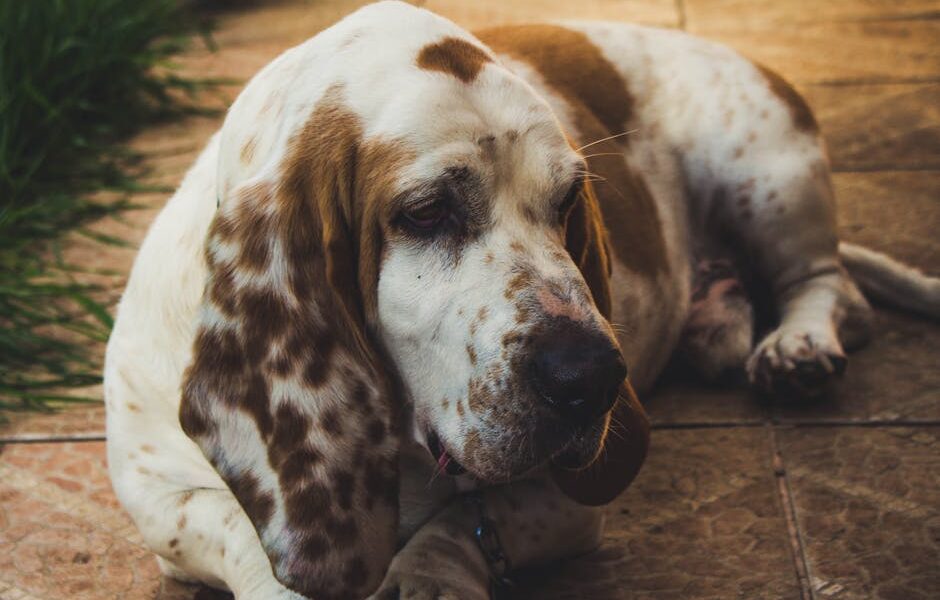
Basset Hounds stand 13 to 15 inches at the shoulder but weigh a surprising 40 to 65 pounds — the breed is essentially a heavy dog on short legs. The coat is short, smooth, and most often tricolor (black, tan, white) or red and white. Long droopy ears (the longest of any breed by some standards), heavy facial folds, and a low-slung body with a slightly arched topline are breed signatures.
Bloodhounds are giants — 23 to 27 inches tall and 80 to 110 pounds. The short coat is black-and-tan, liver-and-tan, or red. Loose skin around the head and neck, deep ear leather, and heavy facial wrinkles funnel scent toward the nose during tracking. The build is athletic and surprisingly fast over short distances.
Read the basset hound breed profile and bloodhound breed profile for full standards.
Temperament and Personality
Basset Hounds are easy-going, friendly with strangers and other dogs, and famously laid-back at home. They bond closely with family but tolerate change and visitors well. The flip side is the scent-hound stubbornness — once a Basset locks onto a smell on a walk, your training cues are background noise.
Bloodhounds share the friendly disposition but are physically more intense. They are gentle giants in the home but can drag a 200-pound handler through brush when on a real scent trail. They are vocal — both bay and whine — and they slobber prolifically, more than any other common breed.
Both breeds do well with children if size and slobber are accepted. Both are poorly suited to off-leash recall work; once the nose engages, the dog goes deaf to handlers.
Trainability and Recall
Basset Hounds are intelligent but stubborn. They learn cues fine but choose whether to comply based on their own scent-driven priorities. House-training is generally straightforward; off-leash recall is generally not. Force-free, high-value-reward methods work but plateau on some advanced behaviors.
Bloodhounds are equally stubborn and physically much more difficult to manage when motivated. They can be trained to a high standard for tracking work, but pet-home recall on open ground is a poor bet — most experienced handlers manage Bloodhounds on long lines or in fenced spaces, period.
For both breeds, leash management is the daily reality. A six-foot leash and a well-fitted harness or wide collar will be your most-used training tools.
Exercise Needs
Basset Hounds need 30 to 60 minutes of daily moderate exercise — a long sniff-walk plus light play. They are prone to weight gain and joint issues, so steady daily movement matters more than intense effort. Avoid stairs and high jumping (long-back biomechanics).
Bloodhounds need 60 to 90 minutes of daily exercise, ideally including scent work or long sniff-walks. They are larger and more athletic than they look and need real outlet beyond a yard wander. Avoid hard exercise during the first 18 months while joints develop.
Both breeds love sniff-walks and tracking games — give them appropriate scent outlets and they settle beautifully indoors.
Grooming and Slobber
Basset Hounds need a weekly rubber-mitt brush and weekly ear cleaning — the long ears trap moisture and predispose to chronic ear infections. Facial folds need wipe-downs to prevent skin fold dermatitis. Drool is moderate.
Bloodhounds need similar coat care but ear and facial-fold maintenance is more demanding given the size and depth of those structures. Drool is significant — most owners keep slobber towels in every room. Both breeds have a strong “houndy” odor due to skin oils that protect the coat in field work.
Health and Lifespan
Health concerns differ meaningfully between the two breeds. Bassets typically live 10 to 12 years; Bloodhounds 8 to 10. Common issues include:
- Hip and elbow dysplasia in both breeds — see elbow dysplasia in dogs.
- Bloat (GDV) — particularly Bloodhounds, the highest-risk breed by some studies.
- Ear infections from heavy ear leather in both breeds.
- Intervertebral disc disease in Bassets — long-back biomechanics, see our IVDD in dogs guide.
- Skin fold dermatitis in both breeds.
Bloodhounds also face higher rates of eye conditions like ectropion and entropion (eyelid abnormalities). A baseline vet exam plus breed-specific monitoring are essential for any adopted dog.
Rescue Availability and Cost
Both breeds turn up in rescue regularly, often as adult surrenders. Bassets are more common — they are popular family adoptions that occasionally exceed an owner’s tolerance for stubbornness or shedding. Bloodhound rescue is more specialized; many come from law-enforcement program retirements or from owners who under-estimated the size and slobber. Adoption fees run $250 to $500 through breed-specific or all-breed rescues.
Read the hound rescues finding one guide and browse current listings at adopt a dog.
Foster-based rescues commonly handle scent hounds because foster homes can evaluate the dog’s behavior with cats, kids, alone time, and household management — information no shelter kennel can produce reliably. Read our foster-based rescue explained walkthrough and the adopting from a foster guide for what to expect.
Living Day-to-Day with a Scent Hound
The honest reality is that scent-hound life revolves around the nose. Both breeds will track interesting smells across the yard, the neighborhood, or, if given the chance, miles into rough country. Pet-home owners commit to leash discipline, secure-fenced yards (six feet minimum, dig-proof), and the patience to let the dog sniff its way through walks rather than march briskly.
Both breeds bay — a deep, melodic vocalizing that traveled across hunting country to communicate with handlers. Apartment neighbors will hear it. Suburban neighbors will sometimes hear it. Training a quiet cue helps, but baying is a breed trait, not a behavior problem. Acceptance is the realistic standard.
Both breeds shed lightly to moderately year-round. Both are also famously food-motivated and prone to weight gain — daily measured feeding and treat moderation are essential. Bassets in particular gain weight easily and obesity dramatically worsens IVDD risk in their long-back biomechanics.
Comparison with Other Hounds
Both breeds get cross-shopped against other scent and sighthounds. Compare the Beagle (the smaller, higher-energy scent hound) in our Beagle breed profile and our adopting a rescue beagle guide. Sighthounds (Greyhounds, Whippets, Salukis) are entirely different in temperament — quiet, low-bark, sprint specialists — and are covered in our Saluki vs Greyhound and Greyhound vs Whippet comparisons.
For families wanting a scent hound at a more moderate scale than the Bloodhound, the Basset is the realistic choice. For families wanting an apartment-friendly scent hound with manageable size, the Beagle is often the better answer than either covered here. Use the 3-3-3 rule framework when settling in any rescue and the dog body language guide to read your hound’s stress and comfort signals.
Which Is Right for You
Choose a Basset Hound if you want a friendly, low-key family scent hound with manageable size, moderate exercise needs, and the stubbornness you can laugh at. The Basset is one of the most pet-friendly hounds in the group.
Choose a Bloodhound if you have the space, the strength, and the slobber tolerance for a true giant scent hound — ideally with a tracking outlet, scent-work program, or rural property. Bloodhounds need experienced owners who can manage size and drag-strength.
For most family adopters, the Basset is the more realistic scent-hound option. Use the decompression period framework whenever you bring a rescue home.
Adoption Process and Preparation
Adopting either breed is a multi-step process that typically takes two to six weeks. Reputable scent-hound rescues require an application, references (including a vet reference for any other animals), a phone screening, and sometimes a home check. Bloodhound rescues in particular often require evidence that the home can manage a giant breed — fenced yard, vehicle suitable for transporting a 100-pound dog, willingness to budget for size-appropriate veterinary care.
Preparation before bringing the dog home includes: securing the yard (six-foot fencing minimum, scent-hounds will follow noses through gaps), stocking slobber towels for Bloodhounds, ear-cleaning supplies for both breeds, and planning for size-appropriate grooming and feeding budgets. Read our rescue adoption application walkthrough for the application side of the process.
Frequently Asked Questions
Are Basset Hounds and Bloodhounds related?
Yes — both descend from the medieval St. Hubert’s hound. The Basset was selectively bred for shorter legs and slower tracking; the Bloodhound retained the larger size and elite human-tracking ability.
Which is better with kids?
Both are typically good with children. Bassets are smaller and easier to manage around toddlers; Bloodhounds are gentle but their size requires supervision around small kids.
Can they live in apartments?
Bassets can adapt to apartment life with daily walks and minimal stairs (back issues). Bloodhounds are not realistic apartment dogs given size, drool, and exercise needs.
How much do they bay?
Both are vocal — baying is a breed trait, not a behavior problem. Apartment neighbors will hear both. Bloodhounds bay louder; Bassets bay more often during play and excitement.
Do they get along with other pets?
Both are typically dog-friendly. Bassets often live with cats successfully; Bloodhounds vary individually. Slow introductions and rescue-side honesty about each dog matter most.
Looking to adopt a Basset Hound vs Bloodhound Comparison?
Browse Basset Hound vs Bloodhound Comparison dogs and mixes available for adoption from shelters and rescues near you.
Find Basset Hound vs Bloodhound Comparison Dogs for Adoption