Last updated: May 4, 2026
In this article
- Bernese vs Saint Bernard at a Glance
- History and Origin
- Size and Appearance
- Temperament and Personality
- Trainability and Intelligence
- Exercise and Activity Needs
- Grooming and Care
- Health and Lifespan
- Cost and Availability in Rescue
- Living Situation and Real-World Costs
- Which Is Right for You?
- First Weeks at Home
- Building a Long-Term Plan
- Frequently Asked Questions
Bernese vs Saint Bernard at a Glance
The bernese vs saint bernard comparison brings two beloved Swiss working giants face to face. Both are heavy-coated, family-oriented, and built for cold-weather work. The Bernese Mountain Dog (Berner) is a tri-color farm dog from the canton of Bern, originally used for cart-pulling, droving, and general farm work. The Saint Bernard is the iconic alpine rescue dog from the Saint Bernard Hospice, used for finding travelers lost in mountain snow. Both are wonderful family dogs, both shed dramatically, and both have heart-breakingly short lifespans even by giant-breed standards.
In broad strokes, the Bernese is smaller and more athletic, with a tri-color coat (black, white, and rust) and a slightly more energetic baseline. The Saint Bernard is heavier and slower-moving, with the iconic red-and-white coloring, and drools significantly more. Both are heat-sensitive, both are family-oriented, and both deserve experienced owners (or thoroughly-prepared first-time owners) who understand giant-breed realities.
History and Origin
The Bernese Mountain Dog is one of four Swiss Sennenhund breeds — large tri-color farm dogs developed in Switzerland for general agricultural work. The Berner specifically comes from the canton of Bern, where it pulled small carts of milk and produce, drove cattle, and guarded the homestead. The breed nearly went extinct in the early 20th century as Swiss agriculture mechanized, but a recovery effort in the 1900s rebuilt the population. AKC recognition came in 1937. Today’s Berner is firmly a companion breed but retains the calm, working farm-dog temperament.
The Saint Bernard descends from large alpine working dogs kept by monks at the Saint Bernard Hospice in the Swiss Alps, used to find travelers lost in mountain snow on the dangerous Saint Bernard Pass. The breed split into shorthair and longhair varieties in the 19th century, and AKC recognition came in 1885. Both breeds are Swiss in origin, both worked in cold mountain conditions, and both reflect their heritage in modern temperament.
Size and Appearance
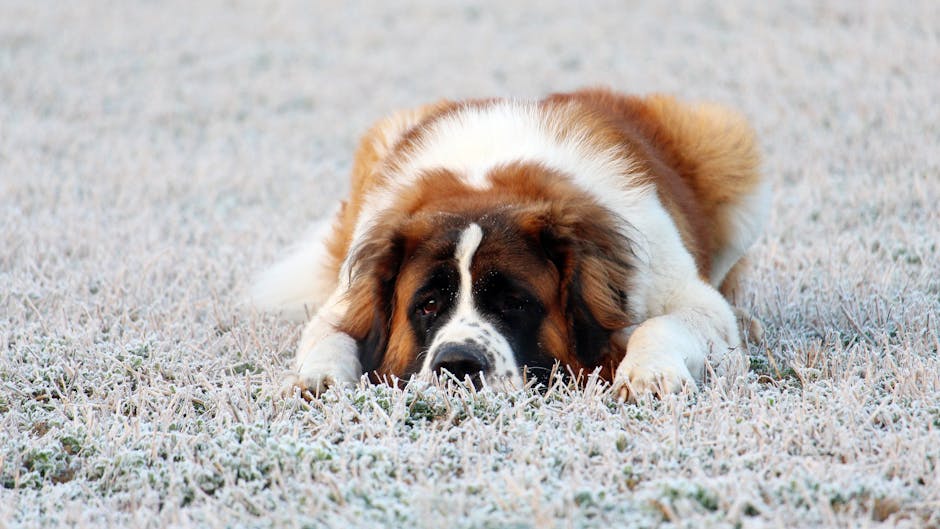
The Saint Bernard is the larger breed. Adults stand 26 to 30 inches and most weigh 120 to 180 pounds, with males larger. The Saint comes in shorthair (smooth) and longhair (rough) varieties, in red and white with various markings. The head is huge, with hanging lip flews and a soulful expression.
The Bernese stands 23 to 28 inches and most adults weigh 70 to 115 pounds. The build is more athletic and proportional. Coat is always tri-color — black with rust and white markings — and is long, slightly wavy, and weather-resistant. The Berner reads as a “calm farm dog with a mountain coat”; the Saint reads as a “huge soulful rescuer.” Furniture, vehicles, and crate sizes scale dramatically between the two — a Berner fits in a normal SUV; a Saint needs a large vehicle.
Temperament and Personality
Both breeds are calm, gentle, and family-oriented. Both bond intensely with their families and tend toward “velcro” attachment styles. Both can be wonderful with children when raised with them and supervised.
The Bernese is famously sensitive — emotionally attuned, sometimes shy with strangers, and reactive to harsh treatment. Berners do not thrive when shouted at or left alone for long stretches. The Saint Bernard is steadier and slightly more guardian-leaning, but still gentle. Saints are typically more reserved with strangers in a watchful way; Berners are typically more reserved in a quiet, sometimes-anxious way. Both breeds tolerate other dogs well when socialized. Read canine body language to spot subtle stress in stoic breeds.
Trainability and Intelligence
Both breeds are intelligent and respond beautifully to force-free training. Neither tolerates harsh correction — both are sensitive working breeds whose temperament suffers when training becomes adversarial.
The Bernese is highly food-motivated and slightly easier to shape with reward-based training. The Saint Bernard is steadier but slower to learn — the breed thinks before responding, and the pause is part of the breed pattern, not stubbornness. Both breeds need extensive socialization from puppyhood, especially the Berner. Group puppy class through adolescence is essential. Both physically mature slowly — these are puppies mentally at two and not fully mature until three. Both need consistent leash training before adult size makes any pulling problem unmanageable.
Exercise and Activity Needs
The Bernese needs slightly more exercise than the Saint Bernard. Plan on 60 minutes of daily activity for the Berner — walks, easy hikes, cart pulling, structured play — and 45 to 60 minutes for the Saint. Both should avoid hard exercise on growing joints until skeletal maturity at 18 to 24 months, and both overheat fast.
The Bernese has more athletic capability and benefits from a job — many Berners enjoy carting, drafting, and structured hikes. The Saint Bernard prefers cool weather and snow, with easy yard time as the default. Both breeds love cold weather and struggle in summer; mid-day summer exercise is genuinely dangerous for either. Mental enrichment — chew toys, food puzzles, training sessions — matters as much as physical activity.
Grooming and Care
Both breeds shed dramatically. The Bernese has a long, slightly wavy double coat that needs three to four weekly brushings most of the year and daily brushing during seasonal coat blow. The tri-color pattern shows shed hair clearly on the floor.
The Saint Bernard sheds similarly — both varieties — with longhairs needing the same intensive brushing schedule. The Saint also drools dramatically thanks to loose lip flews. Drool ropes appear after eating, drinking, exercise, and excitement, and end up on walls, ceilings, and clothing. The Bernese drools significantly less. Both need monthly ear cleaning, weekly tooth brushing, and three-to-four-week nail trims. Heat management is critical for both.
Health and Lifespan
Both breeds carry shorter giant-breed lifespans, but the Bernese is among the shortest-lived breeds in the world. Bernese Mountain Dogs typically live 7 to 9 years; Saint Bernards typically live 8 to 10. Both are predisposed to elbow dysplasia and hip dysplasia, and both are at significant risk for bloat (GDV).
The Bernese is famously cancer-prone — the breed has documented elevated rates of histiocytic sarcoma, lymphoma, mast cell tumors, and osteosarcoma. Cancer is the leading cause of death in the breed by a significant margin. The Saint Bernard sees osteosarcoma at meaningful rates and dilated cardiomyopathy in some lines, plus cherry eye and ectropion. Reputable breeders screen for hips, elbows, eyes, hearts, and known cancer markers in the Bernese. Pet insurance signed up early is essential with both breeds. Be emotionally prepared for the lifespan reality.
Cost and Availability in Rescue
Both breeds appear in rescue, though Bernese are rarer in shelter intake than Saints because the breed is less popular overall. Adoption fees typically run $300 to $700 with full vetting. Breed-specific rescues exist for both — see our Bernese rescue adoption guide and Saint Bernard rescue adoption guide.
Many foster-based rescues screen giant-breed adopters carefully and require a fenced yard, large-breed experience, and an honest plan for veterinary costs. Adopting an adult dog is especially worth considering — many wonderful Berner and Saint seniors enter rescue with love left to give. The Adopt a Dog hub shows current listings.
Living Situation and Real-World Costs
Both breeds need substantial living space and budgets. A Saint Bernard at 150 pounds needs a large bed, a vehicle built around the dog, and an emergency veterinary plan with a clinic able to handle giant breeds. The Bernese is meaningfully smaller but still needs giant-breed-aware care, and food and medication costs still scale with size.
Climate matters dramatically for both breeds. Both struggle in hot weather thanks to dense coats, and both need air conditioning during summer in most US climates. Mid-day summer exercise is genuinely dangerous for either breed. Both need a securely fenced yard for safe daily outdoor time, and many rescues require fenced yards as a baseline. Honest research about housing, climate compatibility, food, and vet costs before adopting prevents painful surrenders later.
Which Is Right for You?
Pick a Bernese Mountain Dog if you want a tri-color heavy-coated giant in a slightly more manageable size, you want a more athletic dog who can carry a job, and you can emotionally cope with the breed’s well-documented cancer rates. The Berner is famously sensitive and rewards a calm, kind home with extraordinary devotion.
Pick a Saint Bernard if you want the iconic alpine rescue dog, you have the space and budget for a 150-plus-pound dog, you can manage significantly more drool, and you appreciate a slightly steadier temperament. Both breeds shed mountains of hair, both are heat-sensitive, and both have shorter lifespans than smaller dogs. Both are extraordinary in the right experienced home. Be honest about your tolerance for grooming, drool, and giant-breed heartbreak.
First Weeks at Home
Whether you bring home a Bernese or Saint Bernard puppy, adolescent, or adult rescue, the first weeks set the tone for the relationship. Both breeds physically mature slowly — they are still puppies mentally at two and fully mature only around three. Use the 3-3-3 rule as your settling-in guide and avoid pushing the dog into overwhelming situations during the early adjustment.
Set up a quiet recovery zone with a giant-breed bed, controlled introductions to family members, and short daily training sessions. Both breeds bond intensely during the first weeks, and the early bond shapes every later interaction. Sensitive breeds like the Bernese particularly benefit from a calm, predictable home in those first weeks. Read the first week with a rescue dog guide and the decompression period guide for practical structure.
Building a Long-Term Plan
Both breeds reward owners who plan beyond the puppy stage. Pet insurance signed up early pays for itself with both, and a relationship with a vet who knows giant-breed care prevents diagnostic delays. Budget for senior care — both breeds will need increasing veterinary support in the second half of life, and giant-breed seniors can need expensive interventions. Consider a written health plan, a regular weight-and-body-condition check, and a quality of life conversation with your vet as your dog ages.
Frequently Asked Questions
Which is bigger, a Bernese or a Saint Bernard?
The Saint Bernard is significantly heavier and slightly taller. Berners typically weigh 70 to 115 pounds; Saints typically weigh 120 to 180 pounds.
Which breed sheds more?
Both shed dramatically. The Saint Bernard’s longhair variety sheds in larger pieces; the Bernese sheds at a similar overall volume in slightly shorter pieces. Both need real grooming time.
Which breed drools more?
The Saint Bernard drools far more thanks to looser lip flews. The Bernese drools modestly.
Which breed lives longer?
Saint Bernards typically live slightly longer on average. The Bernese is among the shortest-lived dog breeds in the world due to elevated cancer rates.
Are these breeds good with kids?
Both can be wonderful with their family’s children when raised with them and supervised. Both still need supervision because of size — a casual bump can knock over a small child.
Looking to adopt a Bernese Mountain Dog vs Saint Bernard?
Browse Bernese Mountain Dog vs Saint Bernard dogs and mixes available for adoption from shelters and rescues near you.
Find Bernese Mountain Dog vs Saint Bernard Dogs for Adoption