Last updated: May 6, 2026
In this article
Best Cats for Small Apartments: Indoor Breeds That Love Compact Spaces
Cats are natural apartment dwellers, but some breeds adapt to small spaces better than others. The best cats for small apartments are those that stay calm indoors, entertain themselves without destroying your furniture, and bond with their people without needing a sprawling estate to roam.
Unlike dogs, cats do not need daily outdoor walks or a yard. They are vertical creatures — a tall cat tree matters more than square footage. Still, energy level, noise, and temperament vary significantly across breeds, and choosing the right one prevents frustration for both you and your cat.
These ten breeds are proven apartment companions. Whether you live in a studio or a one-bedroom, one of these cats will fit right in.
1. British Shorthair
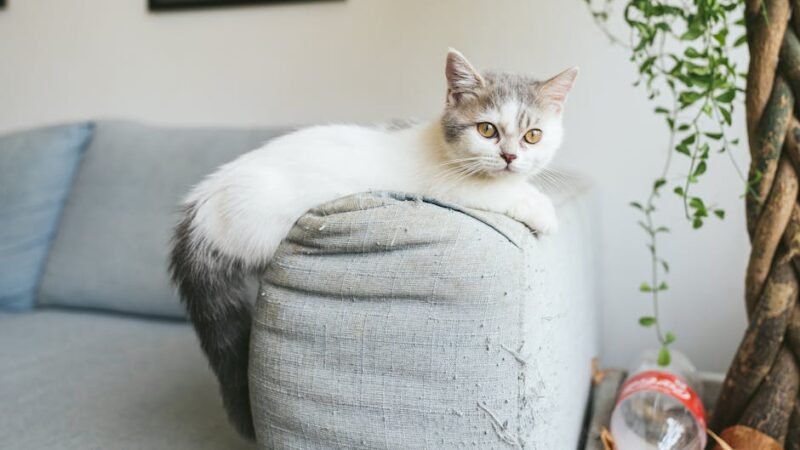
The British Shorthair is the calm, dignified cat that seems perfectly content to sit on a windowsill and observe the world. They are not clingy or demanding — they enjoy companionship but do not need constant attention. This independent streak makes them ideal for small spaces where a needy cat can feel overwhelming.
British Shorthairs are quiet, rarely vocal, and not prone to destructive behavior. They weigh 9 to 17 pounds and have a sturdy, round build with a plush coat that needs only weekly brushing. Their low energy level means they will not be bouncing off your apartment walls.
This breed is an excellent choice for working professionals who want a cat that is happy to greet them at the door but does not sulk or act out during the workday.
2. Ragdoll
Ragdolls earned their name because they tend to go limp and relaxed when picked up. They are gentle, easygoing, and famously docile — the definition of a laid-back apartment cat. Despite their larger size (10 to 20 pounds), they are not particularly active and are happy to lounge on your bed or sofa.
Ragdolls are affectionate and social. They often follow their owners from room to room and enjoy being involved in whatever you are doing, even if “involved” just means sitting nearby. Their long, silky coat needs regular brushing to prevent mats, but it is less tangle-prone than many long-haired breeds.
One consideration: Ragdolls can struggle with loneliness if left alone for very long periods. If you work long hours, consider adopting a pair or providing plenty of interactive toys.
3. Russian Blue
The Russian Blue is a quiet, elegant breed that thrives in predictable environments — which makes apartment life a perfect fit. They are gentle with their owners but can be shy around strangers, preferring a calm household to one filled with constant visitors and chaos.
At 7 to 12 pounds, the Russian Blue has a lean, athletic build and a stunning blue-gray coat with a silvery sheen. Their coat is dense but short, requiring only minimal grooming. They are naturally clean cats and fastidious about their litter box.
Russian Blues are intelligent and enjoy puzzle feeders and interactive toys. They are not destructive, but they do need mental stimulation to stay content. A well-placed cat tree and a few rotating toys go a long way. For a more detailed breed breakdown, see our Russian Blue vs Chartreux comparison.
4. Scottish Fold
Scottish Folds are known for their distinctive folded ears and owl-like expression. They are calm, sweet-natured cats that adapt well to small living spaces. They are not high-energy or demanding and tend to pick a favorite spot — usually near their owner — and camp there contentedly.
These cats weigh 6 to 13 pounds and come in both short and long coat varieties. Grooming is straightforward for the short-haired version, while the long-haired variety needs more frequent brushing.
A note on health: the gene that causes the ear fold is linked to osteochondrodysplasia, a cartilage condition that can cause joint issues. Work with a responsible breeder who tests for this, or better yet, adopt a Scottish Fold from a rescue.
5. Persian
Persians are the ultimate lap cats. They are quiet, gentle, and about as low-energy as a cat can get. They prefer lounging on soft surfaces to climbing and exploring, which makes them natural apartment cats that do not need vertical space as much as other breeds.
At 7 to 12 pounds, Persians have flat faces, large eyes, and a luxurious long coat that requires daily grooming to prevent mats. If the grooming commitment sounds like too much, our Persian vs Exotic Shorthair comparison covers a similar breed with much easier coat care.
Persians can be prone to breathing difficulties and eye issues due to their brachycephalic (flat-faced) structure. Regular veterinary care helps manage these concerns.
6. Exotic Shorthair
The Exotic Shorthair is essentially a short-coated Persian — same gentle, placid temperament with a fraction of the grooming. They are quiet, calm, and happy to spend their days napping in a sunbeam. Their plush, teddy-bear-like appearance and easy care make them one of the most popular apartment cat breeds.
They weigh 7 to 14 pounds and need only weekly brushing. Like Persians, they have flat faces and can experience similar breathing and eye issues, so regular vet visits are important.
7. American Shorthair
The American Shorthair is the dependable, all-around companion cat. They are adaptable, healthy, and easygoing — the kind of cat that settles into any living situation without fuss. They are moderately active, enjoying play sessions but equally happy to relax.
At 8 to 15 pounds, they have a muscular build and a short, dense coat that requires minimal grooming. They are good with other pets, children, and guests, making them versatile for apartments with a social household. American Shorthairs are also one of the healthiest purebred cat breeds, with a lifespan of 15 to 20 years.
8. Remaining Top Picks for Apartment Life
Three more breeds round out our top ten best cats for small apartments:
- Birman. Gentle, quiet, and affectionate, the Birman has the beauty of a long-coated breed without the extreme grooming needs of a Persian. They weigh 6 to 12 pounds and bond closely with their owners.
- Devon Rex. Playful and social with a short, wavy coat that barely sheds. The Devon Rex is perfect for allergy-conscious apartment dwellers who want an active, entertaining companion. They weigh just 5 to 10 pounds.
- Burmese. Sleek, affectionate, and people-oriented, the Burmese is a compact cat (8 to 12 pounds) that loves being near its owner. They are moderately active and adapt well to indoor life.
Each of these breeds brings something unique to apartment living, from the Birman’s serene calm to the Devon Rex’s playful antics.
Making a Small Apartment Cat-Friendly
Even the most apartment-suited cat needs an enriched environment. Here are practical tips for maximizing a small space:
- Go vertical. Cat trees, wall-mounted shelves, and window perches give your cat territory without eating up floor space.
- Rotate toys. Keep a selection of toys and swap them out weekly to maintain your cat’s interest.
- Provide scratching surfaces. A tall scratching post or horizontal scratcher protects your furniture and gives your cat an outlet for natural behavior.
- Create a window seat. Cats are visual creatures, and a comfortable perch by a window provides hours of entertainment from bird-watching alone.
- Keep the litter box clean. In a small apartment, odor management is critical. Scoop daily and do a full litter change weekly.
If you are ready to welcome an apartment cat into your home, browse adoptable cats on our cat adoption hub. Many calm, apartment-friendly cats are waiting in shelters and foster homes for someone just like you.
Frequently Asked Questions
Can cats be happy in a studio apartment?
Yes. Cats care more about vertical space, hiding spots, and environmental enrichment than square footage. A studio with a cat tree, window perch, and interactive toys can be a perfectly happy home for the right breed.
Do apartment cats need a companion cat?
It depends on the breed and the individual. Social breeds like Ragdolls and Burmese may benefit from a feline companion, especially if you work long hours. More independent breeds like the British Shorthair and Russian Blue are often content as solo cats.
What is the quietest cat breed for apartments?
The Russian Blue, British Shorthair, and Persian are among the quietest cat breeds. They rarely vocalize and are unlikely to disturb neighbors. Avoid Siamese and Oriental Shorthairs if noise is a concern, as these breeds are famously vocal.
How do I prevent my apartment cat from becoming bored?
Puzzle feeders, interactive toys, daily play sessions, and environmental enrichment like cat shelves and window perches keep indoor cats mentally stimulated. Rotating toys regularly prevents habituation. Even ten to fifteen minutes of active play per day makes a significant difference.
Should I let my apartment cat on the balcony?
Only if the balcony is fully enclosed with cat-safe netting or screening. Cats can fall from balconies — a phenomenon so common it has its own veterinary term, “high-rise syndrome.” Never leave a cat unsupervised on an open balcony.
Looking to adopt a 10 Best Cat Breeds for Small Apartment Living?
Browse 10 Best Cat Breeds for Small Apartment Living cats and mixes available for adoption from shelters and rescues near you.
Find 10 Best Cat Breeds for Small Apartment Living Cats for Adoption