Last updated: April 9, 2026
In this article
Persian vs Exotic Shorthair: The Same Cat in a Different Coat?
The Persian vs Exotic Shorthair comparison is one of the simplest in the cat world — and one of the most important. The Exotic Shorthair was literally developed to be a short-coated Persian, so the two breeds share temperament, body type, and health profile. The critical difference is the coat, and that single difference changes the daily ownership experience dramatically.
If you love the Persian’s gentle, laid-back personality but dread the idea of daily brushing sessions, the Exotic Shorthair might be your perfect match. If you enjoy grooming as a bonding ritual and love the look of flowing fur, the Persian delivers in spades.
This comparison walks through every aspect of living with these two breeds so you can make a confident decision.
Origin and History
The Persian is one of the oldest and most recognizable cat breeds, with origins tracing back to the 1600s in Persia (modern-day Iran). They were prized by European aristocracy and have been refined through centuries of selective breeding into the flat-faced, long-coated cats we know today.
The Exotic Shorthair was created in the 1960s when American Shorthair breeders crossed their cats with Persians to improve coat density and body type. The resulting kittens had the Persian’s sweet face and stocky build but with a plush, manageable short coat. The Cat Fanciers’ Association recognized the Exotic Shorthair as its own breed in 1967.
Today, the Exotic Shorthair consistently ranks among the most popular cat breeds in the United States, thanks to its combination of Persian charm and low-maintenance grooming.
Temperament and Personality
Both breeds are gentle, quiet, and affectionate. They prefer calm environments and are not fond of chaos, loud noises, or being handled roughly. They bond closely with their families and enjoy being near their people, though they are not as demanding of attention as some breeds.
Persians are often described as “furniture with fur” because of their tendency to choose a comfortable spot and stay there for hours. They are not climbers or athletes — they prefer ground-level lounging.
Exotic Shorthairs share this placid nature but tend to be slightly more playful and curious than Persians. They will bat at a feather toy or chase a ball more readily, though they are still far calmer than most breeds. Think of the Exotic as a Persian with a bit more spark.
Both breeds are excellent with children who treat them gently and get along well with other calm pets. They are not ideal for high-energy households with boisterous kids or rowdy dogs.
Grooming and Coat Care
This is where the comparison becomes decisive for most people. The Persian’s long, flowing coat requires daily grooming — without exception. Mats form quickly, especially under the arms, behind the ears, and along the belly. A thorough brushing with a wide-toothed comb followed by a slicker brush takes 15 to 20 minutes daily.
Persians also need regular baths every four to six weeks to keep their coat clean and free of oil buildup. Professional grooming appointments add to the time and cost commitment.
The Exotic Shorthair’s dense, plush coat needs only weekly brushing. It does not mat easily and stays neat with minimal intervention. A quick session with a rubber brush or grooming mitt is usually all it takes. Baths are needed far less frequently.
Both breeds require daily facial cleaning. Their flat faces cause tear ducts to overflow, leading to tear staining around the eyes. A soft cloth dampened with warm water or a veterinary eye wipe should be part of your daily routine for either breed.
Size and Appearance
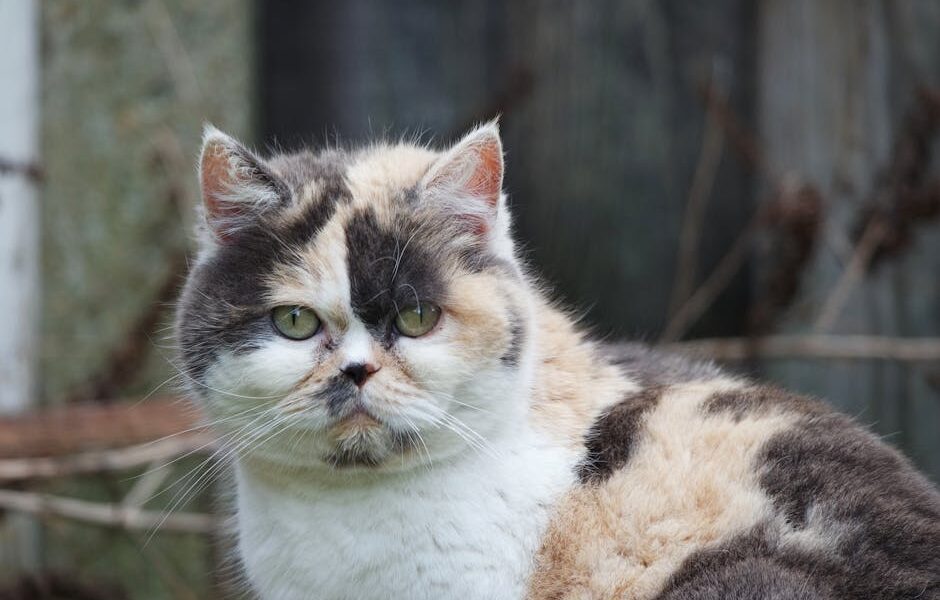
Both breeds are medium-sized with a cobby (stocky, compact) body type. Persians weigh 7 to 12 pounds, and Exotic Shorthairs weigh 7 to 14 pounds. They share the same round head, flat face, short nose, and large round eyes.
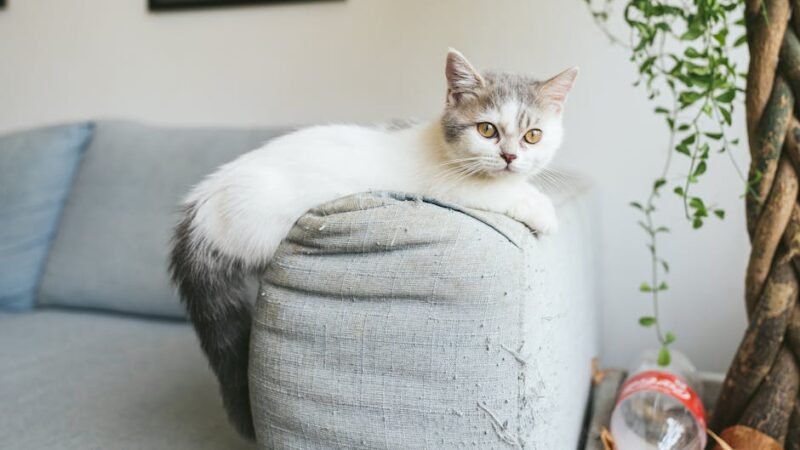
The only visual difference is the coat. A Persian’s coat can reach several inches in length and creates a dramatic halo effect around the body. An Exotic Shorthair’s coat is dense and plush — standing out from the body slightly — but is considerably shorter and more uniform.
Color options are identical for both breeds. You will find them in white, black, blue, red, cream, chocolate, lilac, and a multitude of patterns including tabby, bicolor, Calico, and pointed.
Health and Lifespan
Both breeds share the same health profile, which is a direct consequence of their shared genetics. Typical lifespans range from 12 to 15 years for both Persians and Exotic Shorthairs.
The flat face (brachycephalic structure) is the primary health concern. It can cause:
- Breathing difficulties, especially in hot or humid weather
- Chronic tearing and eye infections due to shallow eye sockets
- Dental crowding and related dental disease
- Difficulty eating in severe cases
Polycystic kidney disease (PKD) is another significant concern in both breeds. Responsible breeders screen for this genetic condition with DNA testing and ultrasound. Always ask for PKD test results before purchasing a kitten from a breeder.
Both breeds can also develop hypertrophic cardiomyopathy (HCM), a form of heart disease. Regular veterinary checkups that include listening for heart murmurs help catch this early.
Exercise and Activity Level
Neither breed needs much exercise. Both are content with a couple of short play sessions per day and plenty of lounging time. A feather wand, a catnip mouse, or a puzzle feeder provides enough stimulation for most Persians and Exotics.
The Exotic Shorthair is slightly more inclined to play than the Persian, but the difference is subtle. Neither breed will be doing acrobatic leaps or climbing to the top of your bookshelf. A low-to-medium-height cat tree and a window perch are usually all the “gym equipment” they need.
Both breeds are excellent choices for apartment living. Their calm nature, low noise level, and minimal space requirements make them among the best cats for small apartments.
Is the Persian or Exotic Shorthair Right for You?
Choose the Persian if you love grooming as part of your daily routine and want the visual drama of a long, flowing coat. Persians reward dedicated grooming with a stunning appearance and a bond that deepens through daily care rituals.
Choose the Exotic Shorthair if you want the Persian personality without the grooming commitment. The Exotic gives you the sweet face, the calm temperament, and the cuddly nature with a fraction of the coat care.
Both breeds are available through rescue organizations and breed-specific rescues. Persians are sometimes surrendered when owners realize the grooming demands, and Exotics end up in rescue for various reasons. Check our cat adoption hub to find flat-faced cats looking for loving homes.
If you are exploring other cat breed options, our Siamese vs Oriental Shorthair comparison covers two very different personalities, and our guide to low-maintenance cat breeds highlights more easy-care options.
Frequently Asked Questions
Are Exotic Shorthairs hypoallergenic?
No. Exotic Shorthairs produce the same allergens (primarily the Fel d 1 protein in saliva and skin secretions) as other cats. Their dense coat may trap more dander close to the body, but they are not a good choice for people with cat allergies.
Do Persians and Exotic Shorthairs get along with dogs?
Both breeds can coexist with calm, gentle dogs. They do best with dogs that are not overly rambunctious or prey-driven. Gradual introductions and supervised interactions set the stage for a peaceful multi-pet household.
How often do Exotic Shorthairs need to see the vet?
All cats should have annual wellness exams. Exotic Shorthairs may need more frequent visits to monitor for PKD, HCM, and eye or dental issues related to their flat facial structure. Your vet can recommend an appropriate schedule based on your individual cat’s health.
Can Persians be indoor-only cats?
Absolutely, and most breeders and rescues recommend it. Persians are not street-smart, their long coats pick up debris easily, and their flat faces can make breathing harder in heat. Indoor life suits them perfectly.
Is one breed more expensive than the other?
Purchase prices are similar, typically ranging from $1,500 to $3,000 for a kitten from a reputable breeder. The Persian’s ongoing grooming costs are higher — professional grooming sessions can add $500 to $1,000 or more per year. The Exotic Shorthair is the more budget-friendly choice in the long run.
Looking to adopt a Persian vs Exotic Shorthair?
Browse Persian vs Exotic Shorthair cats and mixes available for adoption from shelters and rescues near you.
Find Persian vs Exotic Shorthair Cats for Adoption