Last updated: May 6, 2026
In this article
Low-Maintenance Cat Breeds for Owners With Packed Schedules
Not everyone has hours to devote to daily grooming, elaborate enrichment routines, and round-the-clock companionship demands. If your life is busy but you still want feline company at the end of the day, low-maintenance cat breeds offer the perfect balance. These cats are independent enough to handle your absence, easy to groom, and healthy enough to avoid frequent vet visits.
Low-maintenance does not mean no maintenance. Every cat needs daily food and fresh water, a clean litter box, regular veterinary checkups, and some form of interaction and affection. But the breeds below require significantly less time and effort than high-maintenance breeds like Persians, Siamese, or Bengals.
Whether you work long hours, travel regularly, or simply prefer a relaxed pet ownership experience, one of these seven breeds will fit your lifestyle.
1. British Shorthair
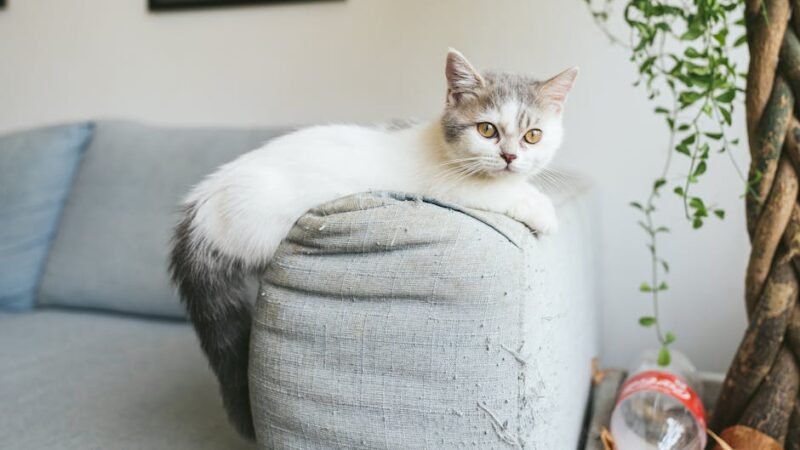
The British Shorthair is the quintessential easy-care cat. They have a dense, short coat that needs only weekly brushing, they are not prone to excessive shedding, and their calm temperament means they do not demand constant attention or stimulation.
These cats are affectionate on their own terms. They enjoy sitting near you — on the couch, on the bed, across the room — but they are not lap cats that insist on being held. This independence makes them ideal for owners who want companionship without clinginess.
British Shorthairs are quiet, rarely destructive, and adapt well to being alone during the workday. They are also one of the healthier purebred cat breeds, with a lifespan of 12 to 20 years and relatively few genetic health issues. Their round, plush appearance and easygoing personality make them consistently popular.
2. American Shorthair
The American Shorthair is the all-American companion cat — hardy, adaptable, and low-drama. They are natural mousers with a practical, no-fuss approach to life. Their short, dense coat requires only weekly brushing and sheds moderately.
These cats get along with everyone: other cats, dogs, children, and guests. They are not demanding or vocal and are happy to entertain themselves with a window perch and a few toys when you are not home.
American Shorthairs are among the healthiest cat breeds, with lifespans reaching 15 to 20 years. They are not prone to many breed-specific conditions, which keeps veterinary costs manageable. For busy owners who want a reliable, uncomplicated companion, the American Shorthair is hard to beat.
3. Russian Blue
The Russian Blue is a quiet, gentle breed that combines elegance with easy care. Their short, plush coat barely sheds and needs only a weekly once-over with a soft brush. They are fastidious self-groomers that keep themselves immaculately clean.
Russian Blues are reserved and independent. They bond deeply with their owners but do not suffer as much from separation anxiety as more social breeds. They are content to spend the workday napping in a sunbeam and greet you calmly when you return.
This breed thrives on routine, which suits a busy owner with a predictable schedule. They do not handle frequent changes well, so they are best for stable households. For more on this breed, see our Russian Blue vs Chartreux comparison.
4. Exotic Shorthair
The Exotic Shorthair delivers the Persian’s sweet, gentle personality with dramatically less grooming. Their dense, plush coat needs only weekly brushing — a fraction of the daily sessions a Persian requires. They are calm, quiet, and undemanding.
The one extra task with an Exotic is daily face wiping. Their flat facial structure causes tear drainage that needs to be cleaned with a soft cloth. This adds just a minute or two to your routine and prevents staining and irritation.
Exotic Shorthairs are happy to lounge while you work and are not prone to destructive behavior when left alone. They are one of the best choices for busy owners who want a cuddly, low-energy cat without the high-maintenance coat of a Persian. Our Persian vs Exotic Shorthair comparison breaks down the differences in detail.
5. Scottish Fold
Scottish Folds are calm, sweet-natured cats that do not demand much from their owners beyond basic care and affection. The short-haired variety needs only weekly brushing, and their laid-back personality means they are not climbing curtains or shredding furniture when you step out.
These cats are adaptable and quiet. They handle changes in routine better than many breeds and are content in apartments, houses, and multi-pet homes. They enjoy gentle play but are not hyperactive.
The health caveat with Scottish Folds involves their cartilage — the gene that creates the folded ears can also affect joints. Choose a cat from a responsible breeder who practices outcrossing to minimize joint issues, or adopt a Fold from a rescue where the cat’s health history is documented.
6. Burmese
The Burmese is a sleek, short-coated cat that is social and affectionate but surprisingly low-maintenance in terms of grooming. A weekly rubdown with a chamois cloth or rubber brush keeps their satin-like coat gleaming. They barely shed.
Burmese cats are more social than some others on this list, so they do best in households where they get attention in the mornings and evenings. They can handle time alone but prefer company — a second cat is a good idea if you work long hours.
They are healthy, sturdy cats with lifespans of 10 to 17 years. Their compact build and short coat make them physically easy to care for, and their playful personality keeps things interesting without being exhausting.
7. Bombay
The Bombay is a striking all-black cat with copper eyes and a panther-like appearance. Their short, close-lying coat is one of the easiest to maintain in the cat world — it needs little more than an occasional brushing and rarely mats or sheds excessively.
Bombays are moderate in everything: energy, vocalization, and independence. They enjoy playing and being near their owners but do not panic when left alone. They are adaptable to different household types and get along well with other pets and children.
This breed is relatively healthy with a lifespan of 12 to 16 years. They can be prone to heart disease, so regular veterinary checkups are important, but day-to-day care is minimal.
Tips for Busy Cat Owners
Even with a low-maintenance breed, a few strategies make cat ownership smoother for busy people:
- Invest in an automatic feeder. Timed feeders ensure your cat eats on schedule even when you are running late or away for the day.
- Use a self-cleaning litter box. These reduce the daily scooping workload and help manage odor in your absence.
- Rotate toys weekly. Rather than buying new toys constantly, keep a stash and rotate them to maintain novelty and prevent boredom.
- Schedule a dedicated play session. Even ten minutes of interactive play in the evening strengthens your bond and provides needed stimulation.
- Keep up with annual vet visits. Preventive care catches problems early and saves you time, money, and stress in the long run.
If you are ready to find a laid-back feline companion, browse adoptable cats on our cat adoption hub. Many calm, independent cats are waiting in shelters and foster homes for an owner who appreciates a low-key lifestyle.
Frequently Asked Questions
Can cats really be left alone for a full workday?
Most adult cats handle 8 to 10 hours alone without issue, provided they have food, water, a clean litter box, and some environmental enrichment. The breeds on this list are especially well-suited to independent stretches. Kittens and highly social breeds may need shorter alone times or a companion.
What is the lowest-grooming cat breed?
The Bombay and Burmese have among the easiest coats to maintain — a quick weekly brush is all they need. The American Shorthair and British Shorthair are close runners-up. Avoid Persians, Himalayans, and other long-coated breeds if grooming time is a concern.
Are low-maintenance cats less affectionate?
Not at all. Low-maintenance refers to grooming and care demands, not personality. Many breeds on this list — like the Burmese and Exotic Shorthair — are deeply affectionate. They simply do not require as much hands-on upkeep as high-maintenance breeds.
Should busy owners get one cat or two?
Two cats often work better for busy owners because they keep each other company during the day. Bonded pairs from shelters are an excellent option — they are already comfortable together and transition to a new home more smoothly. The extra food and litter costs are modest compared to the enrichment benefit.
Do low-maintenance cats still need regular vet visits?
Yes. Every cat needs annual wellness exams, vaccinations, and dental assessments regardless of breed. Senior cats (age 7 and older) benefit from twice-yearly checkups. Preventive care is the best way to avoid costly emergency visits and keep your cat healthy long-term.
Looking to adopt a 7 Low?
Browse 7 Low cats and mixes available for adoption from shelters and rescues near you.
Find 7 Low Cats for Adoption