Last updated: May 4, 2026
In this article
Quick Comparison
Burmilla vs Bombay is a tale of two very different paint jobs on a similar Burmese chassis. Both breeds were created by deliberately crossing the Burmese with another breed, both inherit the social, vocal, lap-loving Burmese personality, and both produce striking-looking cats. The dividing line is almost entirely visual: silver shimmer on the Burmilla, jet-black panther on the Bombay.
The Burmilla emerged in the United Kingdom in 1981 from an accidental mating between a Chinchilla Persian male and a Lilac Burmese female. The kittens’ silver-tipped coats were so striking that the cross was deliberately repeated and a new breed was developed. The Bombay was created in the United States from the late 1950s by Nikki Horner of Kentucky, who set out to produce a sleek, copper-eyed, jet-black “miniature panther” by crossing sable Burmese with black American Shorthair cats.
If you love subtle, almost iridescent silver coats and a slightly more refined personality, the Burmilla calls. If you want a single-tone showstopper that doubles as a velcro lap cat, the Bombay delivers. The rest of this Burmilla vs Bombay comparison digs into the details so you can match temperament, care, and budget to your home.
Origin and History
The Burmilla’s foundation pairing in the early 1980s produced four silver-shaded female kittens, and the resulting program was carried forward by UK breeders working with both registries and a clear written standard. The breed was recognized progressively through the late 20th and early 21st centuries by major UK and international registries, with championship status reached in CFA in the 2010s. Today the Burmilla remains uncommon but established.
The Bombay’s history is more centralized: a single breeder with a clear vision over many years of selective work. Horner’s goal was a cat that visually resembled a black leopard but kept the rounded face and warm temperament of the Burmese rather than the angular look of the American Shorthair. The breed was recognized by major North American registries by the late 1970s.
Both breeds today carry Burmese genetics close to the surface. That matters not just for personality but for health screening, since several Burmese-line conditions can show up in either breed. Our Burmese cat breed profile gives the parent-breed background that informs both descendants.
Appearance and Build
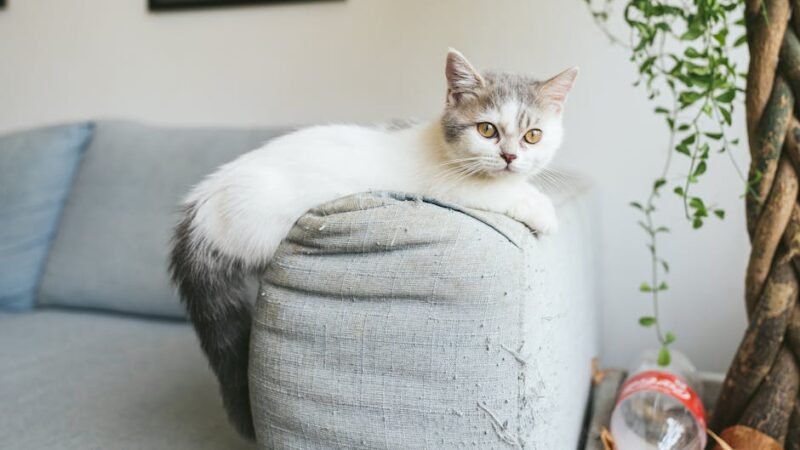
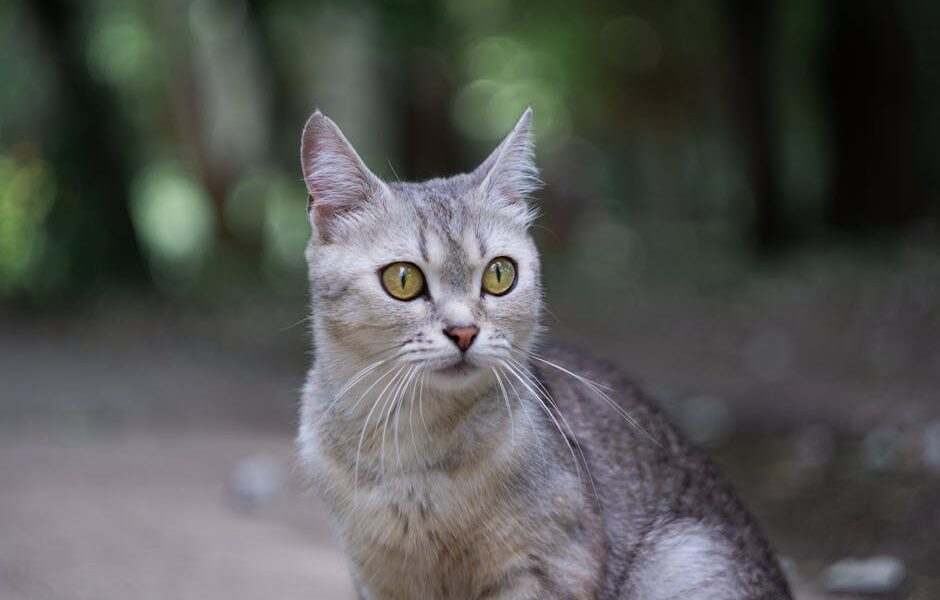
This is where the two breeds diverge sharply. The Burmilla wears a short or semi-long coat that looks white or silver from a distance and reveals its character on close inspection: each hair is tipped or shaded with a darker color (black, blue, brown, or lilac), creating a sparkling, almost frosted finish. Standard Burmillas show heavy eye-liner, a green or green-gold eye, and a sweet, slightly surprised facial expression.
The Bombay’s coat is the opposite philosophy — short, close-lying, and uniformly jet black from root to tip, including the nose leather and paw pads. The finish is often described as “patent leather.” Eyes are deep copper to gold and round, set in a fully rounded head. The body is medium, muscular, and surprisingly heavy for its size — a hallmark Burmese-line trait sometimes called “a brick wrapped in silk.”
Both breeds are medium-sized adults. Both have similar silhouettes and substantial weight per inch. The visual contrast is the entire point: side by side, they look like night and starlight.
Temperament and Personality
Temperamentally, the breeds are close cousins. Both are highly social, both bond closely with their humans, both like to be involved in household activities, and both will protest if left alone for long stretches. Lap time is non-negotiable for either breed.
The Bombay leans slightly more outgoing and “dog-like.” Many Bombays greet visitors at the door, follow their humans from room to room, and learn to come when called. They are confident, curious, and often tolerate children and other pets well. The breed has a strong reputation as a velcro cat.
The Burmilla is similarly affectionate but typically a touch more refined and observational. Burmillas often retain Burmese sociability with a slightly cooler edge — happy to play, demanding of attention, but a little less bouncy than a Bombay. Both breeds belong on any list of most affectionate cat breeds, and both should be considered demonstrative rather than aloof.
Care, Grooming and Activity Needs
Both breeds are low-effort to groom and moderate-to-high in social and play needs.
Daily activity
Both breeds want play sessions and human interaction every day. They are intelligent and adapt well to harness training, fetch, and clicker-trained tricks. A bored Bombay or Burmilla often becomes a vocal Bombay or Burmilla — both will tell you, repeatedly, that they would like more of your attention.
Grooming
The Bombay’s short close coat needs almost nothing — a weekly hand-grooming pass keeps the coat glossy. The Burmilla’s slightly longer or shaded coat benefits from a weekly comb-through to prevent any matting around the ruff and to spread skin oils. Neither breed requires professional grooming or regular bathing.
Kittens and seniors
Burmese-line kittens are athletic and curious; expect counter-surfing and adventurous climbing. Both breeds reach social maturity earlier than slower-developing breeds like the Maine Coon, so you can typically begin gentle harness or clicker work in the first few months. Seniors of both breeds tend to slow gracefully and often become even more dedicated lap cats. Discuss senior cat care with your vet as your cat ages, particularly around dental health and weight.
Diet is worth careful planning for both breeds. Burmese-line cats are notoriously food-motivated and slide into obesity if free-fed; portioned meals, slow feeders, and weight checks at every vet visit help. Puzzle feeders turn meals into mental work and pace eating naturally.
Health and Lifespan
Both breeds inherit health considerations from their Burmese ancestry. Hypertrophic cardiomyopathy (HCM) is the headline concern for Burmese-line cats. Reputable breeders of either breed should be willing to discuss cardiac screening of breeding stock, and you can read more in our overview of HCM in cats.
The Burmese line also carries a hereditary risk of hypokalemia (low blood potassium), particularly in some bloodlines. Genetic testing is available and responsible breeders use it. Our reference on Burmese cat health issues covers the parent-breed picture and applies in adapted form to both Burmilla and Bombay.
Bombays specifically have been associated with occasional cranial conformation issues from the rounded head, although most cats are unaffected. Burmillas are generally robust beyond the shared HCM and hypokalemia concerns. Both breeds tend to live well into their teens with good preventive care, indoor living, and an annual wellness check.
Living Situation Fit
Both breeds suit apartments and houses equally well, provided someone is home for at least part of most days. Neither breed copes well with long, repeated absences. A second cat (or a cat-friendly dog) often helps, especially if you work outside the home.
Children: both breeds are typically tolerant and gentle with respectful kids. Other pets: both integrate well with calm cats and dogs. Bombays in particular often choose a dog as a best friend.
Climate: Bombays’ single-layer black coat heats quickly in direct sun — provide cool retreats in hot regions. Burmillas tolerate both warm and cool conditions well, although neither breed should be allowed to roam outdoors. Their value, sociability, and trust of strangers make them poor candidates for outdoor freedom.
Both breeds also tolerate moving and household changes reasonably well, provided primary humans remain present and routines reassemble within a few days. Sudden absences trigger more distress than relocations. If you travel frequently, consider a sitter who can spend real time in the home rather than a quick drop-in feed-and-leave visit.
Cost and Availability
Both breeds are uncommon compared with mainstream Burmese, Persian, or Maine Coon lines. Burmillas are more established in the UK, Europe, and Australia than in North America. Bombays are most easily found in the United States but appear in select international programs.
Pricing varies widely by region and pedigree, with show-quality kittens running considerably higher than pet-quality. Always ask what is included — vaccinations, microchip, neuter, registration documents, and health-testing certificates from breeding parents are standard with reputable programs. Avoid breeders who skip contracts or refuse to share testing records.
Adoption is occasionally possible. A surrendered Burmese-line cat sometimes appears in breed-aware rescues, and our cat adoption hub can connect you to local options. Beyond purchase, budget for cardiac-aware vet care, quality food, and emergency reserves; our pet emergency fund guide outlines reasonable targets.
Decision Framework: When to Choose Each
Choose the Burmilla if you love the silver-shaded or silver-tipped aesthetic, you want a Burmese-influenced personality with a slightly more refined edge, and you can find a reputable breeder in your region. Burmillas are an excellent fit for adults and families who appreciate beauty and sociability without quite the velcro intensity of a Bombay.
The Burmilla is also the better pick if you value distinctive, unusual coats and you want a cat that turns heads at every vet visit without being obvious about it.
Choose the Bombay if you want a single-color “miniature panther” and a cat that will glue itself to your lap, follow you between rooms, and greet visitors at the door. Bombays suit families with children and households that want a confident, dog-like feline companion.
Choose the Bombay also if you live in a region where they are easier to find than Burmillas, or if you simply love the dramatic visual impact of a true jet-black short-coated cat. Both breeds reward owners who give them attention, play, and companionship rather than benign neglect.
Frequently Asked Questions
Are Burmillas and Bombays hypoallergenic?
Neither breed is hypoallergenic. Both produce the Fel d 1 protein that triggers most cat allergies, and the Bombay’s short black coat sheds less visibly but is not lower in allergens. Test exposure before committing.
Are Bombays just black Burmese?
No — the Bombay was bred specifically to combine Burmese type with black American Shorthair color. The result is a distinct breed with its own standard, slightly broader head, and uniform jet-black coat extending to nose and pads.
Do Burmillas come in colors other than silver?
Yes. Burmillas can be silver-shaded or silver-tipped over Burmese-line color expressions, and registries also accept various shaded and tipped variations. Silver remains the breed’s signature look.
Which breed is more vocal?
Both are moderately vocal in a Burmese-influenced way — chirpy, conversational, and quick to respond. Bombays tend to be slightly more demanding talkers; Burmillas are typically more measured.
Are they good with children?
Both breeds usually do well with respectful children. They are tolerant, affectionate, and patient, although as always, children should be coached to handle cats gently and to recognize when a cat wants quiet time.
Do Bombays really look like miniature panthers?
Yes — that was Nikki Horner’s specific design goal. The combination of solid jet-black coat (including nose leather and paw pads), copper-orange eyes, and rounded muscular silhouette deliberately evokes a small wild cat while maintaining the gentle Burmese-derived temperament.
Can a Burmilla be born without silver tipping?
Yes — Burmilla litters can include shaded, tipped, and occasionally non-silver expressions depending on the parents’ genetics. Show standards specify the silver-shaded look as the breed signature, but pet-quality kittens may show variation.
Looking to adopt a Burmilla vs Bombay?
Browse Burmilla vs Bombay cats and mixes available for adoption from shelters and rescues near you.
Find Burmilla vs Bombay Cats for Adoption