
Last updated: April 9, 2026
In this article
Can Cats Eat Ghee? Safety Guide for Cat Owners
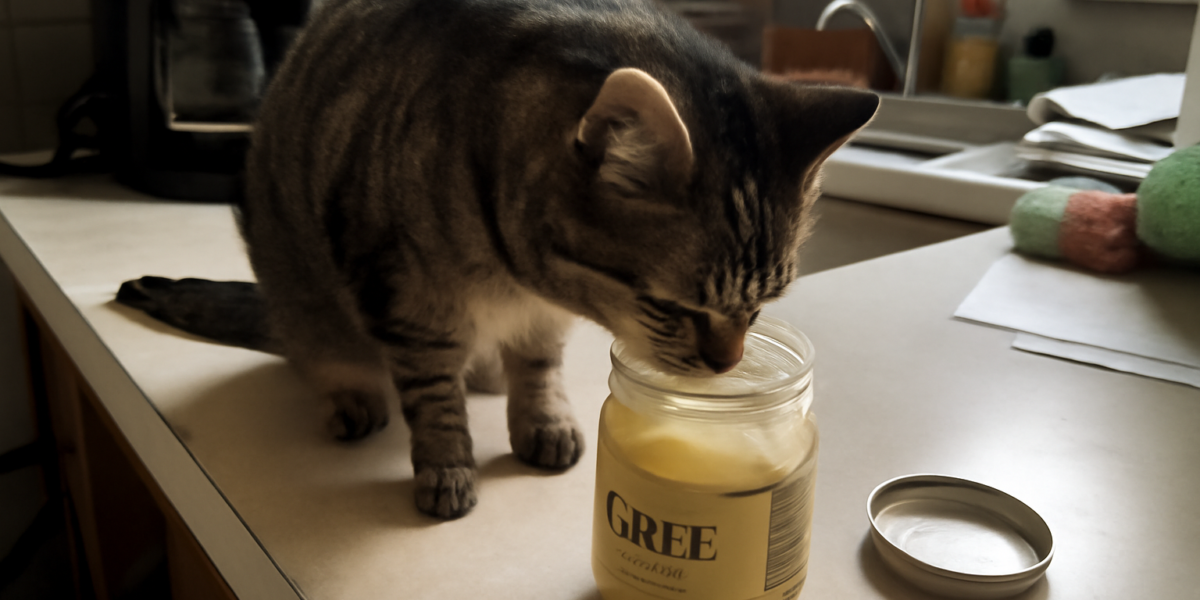
Ghee is a form of clarified butter that has been used for centuries in South Asian cooking and traditional medicine. Made by simmering butter until the water evaporates and the milk solids separate and are removed, ghee has a rich, nutty flavor and a high smoke point that makes it versatile in the kitchen. If your cat has shown interest in ghee while you are cooking, you may wonder whether this golden fat is safe for felines. The good news is that ghee is not toxic to cats, but its extremely high fat content means it should only be given in very small amounts and only on rare occasions.
Quick Answer: Can Cats Eat Ghee?
Yes, cats can consume tiny amounts of ghee without immediate danger. Ghee is not toxic or poisonous to cats, and because the clarification process removes most of the lactose and casein found in regular butter, it is generally better tolerated by lactose-intolerant cats than regular dairy products. However, ghee is almost entirely composed of saturated fat, containing approximately 14 grams of fat per tablespoon with virtually no protein or other nutrients that cats need. As obligate carnivores, cats require diets built around animal protein and specific amino acids like taurine, not concentrated fats. A small dab of ghee — roughly a quarter teaspoon — given occasionally is unlikely to cause harm, but regular or generous servings can lead to obesity, pancreatitis, and digestive problems.
Nutritional Considerations for Cats
To understand whether ghee has a place in your cat’s diet, it helps to examine what ghee actually provides nutritionally and compare that with what cats need.
Ghee is composed of approximately 99.5 percent fat, with the remainder being trace amounts of vitamins A, D, E, and K. It contains no protein, no carbohydrates, no fiber, and virtually no minerals. While the fat-soluble vitamins in ghee do play roles in feline health — vitamin A supports vision and immune function, while vitamin D helps regulate calcium metabolism — these vitamins are already present in appropriate amounts in quality commercial cat food. Supplementing with ghee would provide excess fat without meaningfully contributing to your cat’s vitamin intake.
Cats do require dietary fat as an energy source and for the absorption of fat-soluble vitamins. In the wild, cats obtain their fats from the tissues of prey animals, which provide a balanced mix of fatty acids alongside protein and other nutrients. The fats in ghee are predominantly saturated, with smaller amounts of monounsaturated fat. Cats can process saturated fats, but they benefit more from the omega-3 and omega-6 fatty acids found in animal-based sources like fish oil. For a better source of beneficial fats, consider options like sardine oil, which provides omega-3 fatty acids that support coat health, joint function, and overall wellness.
One advantage ghee has over regular butter and most dairy products is its very low lactose content. The clarification process removes the milk solids that contain lactose and casein, the two components of dairy that most commonly cause digestive problems in cats. Most adult cats are lactose intolerant to some degree, so ghee is less likely to trigger the stomach upset, gas, and diarrhea that regular butter or milk might cause.
Benefits and Risks of Ghee for Cats
Potential Benefits
When used very sparingly, ghee may offer a few limited benefits for cats:
- Hairball remedy: A tiny amount of ghee (about a quarter teaspoon) can act as a lubricant in the digestive tract, helping hairballs pass more easily. Some cat owners use this as an occasional alternative to commercial hairball remedies.
- Medication delivery: The appealing taste and smooth texture of ghee can make it useful for hiding pills or mixing with medications that your cat refuses to take otherwise.
- Low lactose: For cats that enjoy the taste of dairy, ghee offers a low-lactose option that is less likely to cause digestive distress than milk, cream, or regular butter.
- Appetite stimulation: The rich aroma and flavor of ghee can sometimes encourage a picky eater to consume their regular food when a small amount is mixed in.
Risks to Be Aware Of
Despite these limited benefits, there are significant risks associated with feeding ghee to cats:
- Obesity: Ghee is one of the most calorie-dense foods available, packing about 120 calories per tablespoon. Even small amounts add significant calories to a cat’s diet, and regular consumption can quickly lead to weight gain.
- Pancreatitis: High-fat foods are a known trigger for pancreatitis in cats, a painful and potentially life-threatening inflammation of the pancreas. Cats with a history of pancreatitis should never be given ghee.
- Digestive upset: Even though ghee is low in lactose, its high fat content can cause diarrhea, vomiting, or greasy stools, especially in cats that are not accustomed to fatty foods.
- Nutritional imbalance: Replacing even a small portion of a balanced cat diet with ghee dilutes the nutritional quality of the overall diet by adding empty calories without essential nutrients.
How to Serve Ghee Safely to Cats
If you choose to offer your cat a small amount of ghee, follow these guidelines to minimize risk:
- Keep portions tiny: No more than a quarter teaspoon at a time, and no more than once or twice per week at most.
- Use plain ghee only: Ensure the ghee contains no added salt, garlic, herbs, or other seasonings. Many flavored ghee products contain ingredients that are toxic to cats.
- Serve at room temperature: Melted or hot ghee can burn your cat’s mouth. Let it cool to room temperature or serve it in its solid state.
- Mix with regular food: Rather than offering ghee on its own, mix a tiny amount into your cat’s regular food to prevent overconsumption and to help with medication delivery or appetite stimulation.
- Monitor afterward: Watch for any signs of digestive upset, including vomiting, diarrhea, or loss of appetite, for 24 hours after giving ghee.
- Avoid giving to overweight cats: If your cat is already overweight or obese, skip the ghee entirely. The extra calories are counterproductive to weight management.
Always consult with your veterinarian before introducing any new food into your cat’s diet, especially if your cat has existing health conditions. If you are thinking about adopting a new cat, discussing dietary guidelines with a vet beforehand can help you establish healthy feeding habits from the start.
Signs of Problems After Eating Ghee
Most cats that consume a small amount of ghee will not experience any adverse effects. However, if your cat has eaten a larger quantity or has a sensitive digestive system, you may notice the following symptoms:
- Vomiting, which may occur within a few hours of consumption
- Diarrhea or unusually soft, greasy stools
- Decreased appetite or refusal to eat regular food
- Lethargy or decreased activity levels
- Abdominal pain, evidenced by hunching, reluctance to be touched on the belly, or vocalizing when the abdomen is pressed
If symptoms are mild and resolve within 24 hours, your cat is likely fine and simply experienced temporary digestive upset from the high fat content. However, if vomiting or diarrhea persists beyond 24 hours, or if your cat shows signs of severe abdominal pain, fever, or complete refusal to eat, seek veterinary attention promptly. These could be signs of pancreatitis, which requires professional treatment and can become serious if left unaddressed.
Healthy Alternatives to Ghee for Cats
Rather than reaching for ghee, consider these cat-appropriate options that provide better nutritional value with fewer risks:
- Fish oil or sardine oil: These provide omega-3 fatty acids (EPA and DHA) that actively benefit your cat’s skin, coat, joints, and brain health, unlike the saturated fats in ghee. Read more about the benefits in our sardine oil guide.
- Commercial hairball remedies: If you are using ghee for hairball prevention, petroleum-based hairball pastes or fiber-enriched cat treats are specifically formulated for this purpose and are safer for regular use.
- Cooked egg yolk: A small amount of cooked egg yolk provides healthy fats along with protein and other nutrients that cats can actually use.
- Plain cooked chicken skin: In tiny amounts, a small piece of cooked chicken skin provides animal-based fat that is more natural to a cat’s diet than dairy-derived ghee.
- Cat-specific supplements: For coat health or nutritional supplementation, look for products specifically designed for cats that contain appropriate ratios of fatty acids and vitamins.
Frequently Asked Questions
Is ghee better for cats than regular butter?
Yes, ghee is generally a better choice than regular butter for cats because the clarification process removes most of the lactose and casein that cause digestive problems in lactose-intolerant cats. However, ghee is still very high in fat and should only be given in very small amounts. Neither ghee nor regular butter should be a regular part of your cat’s diet.
Can ghee help with my cat’s dry skin or dull coat?
While fat supplementation can help improve coat quality in cats with essential fatty acid deficiencies, ghee is not the ideal source. The saturated fats in ghee do not provide the omega-3 and omega-6 fatty acids that are most beneficial for feline skin and coat health. Fish oil or a veterinarian-recommended fatty acid supplement would be much more effective for this purpose.
How much ghee is too much for a cat?
Any amount beyond a quarter teaspoon per serving is considered excessive for a cat. Even this small amount should only be offered once or twice per week at most. A tablespoon of ghee, which might seem like a small amount to a human, contains enough fat and calories to constitute a significant portion of a cat’s daily caloric needs and could trigger pancreatitis or severe digestive upset.
Can I cook my cat’s food in ghee?
It is not recommended to cook your cat’s food in ghee. Cooking with ghee would add unnecessary fat and calories to your cat’s meal without providing meaningful nutritional benefit. If you prepare homemade food for your cat, cook proteins using minimal fat and consult with a veterinary nutritionist to ensure the diet meets all of your cat’s nutritional needs.
Is ghee safe for kittens?
Ghee should not be given to kittens. Kittens have very specific nutritional requirements for proper growth and development, and their sensitive digestive systems are more prone to upset from high-fat foods. Kittens should be fed only kitten-formulated food that provides the correct balance of protein, fat, vitamins, and minerals they need during this critical developmental stage.


