
Last updated: April 9, 2026
In this article
Can Cats Eat Goat Cheese? Safety Guide and Tips
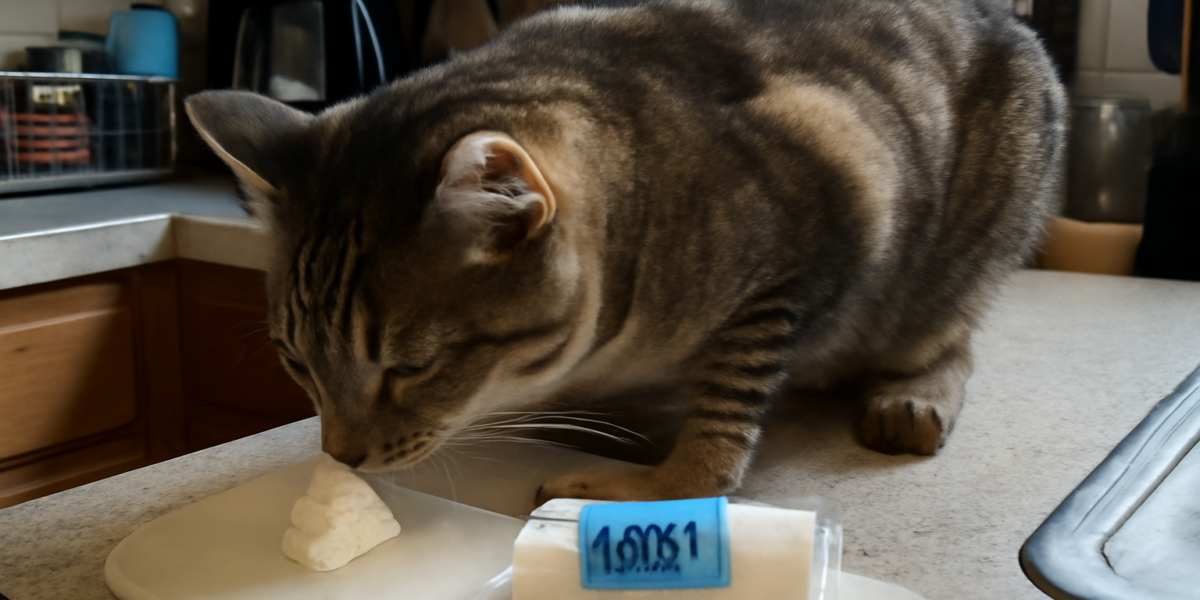
Goat cheese has become a staple on charcuterie boards and in salads across the world, loved for its creamy tang and distinctive flavor. If you are a goat cheese enthusiast, your cat has undoubtedly caught a whiff of that unmistakable aroma and come investigating. Cats are famously drawn to dairy products, and the rich, pungent scent of goat cheese can be particularly magnetic to feline noses.
The good news is that goat cheese represents one of the more cat-tolerable dairy options available, though it is important to understand why this is the case and what limitations still apply. As obligate carnivores, cats do not need dairy in their diet, but the composition of goat’s milk gives goat cheese some advantages over cow-based cheeses when it comes to feline digestion.
Quick Answer: Can Cats Eat Goat Cheese?
In very small amounts, plain goat cheese is generally tolerated better than cow’s milk cheese by most cats. Goat’s milk contains less lactose than cow’s milk and has smaller fat globules that are easier to digest. This does not mean goat cheese is a health food for cats — it is still a high-fat, high-sodium dairy product — but it is less likely to cause the severe digestive upset that cow’s milk cheese can trigger.
A pea-sized amount of plain, soft goat cheese is the maximum recommended portion for a cat. This should be an occasional treat — no more than once or twice a week — and should not replace any portion of your cat’s balanced, meat-based diet. Many cat owners find goat cheese useful for disguising medication tablets, as its soft texture and strong flavor can mask the taste and texture of pills effectively.
Cats with known dairy sensitivities, kidney disease, or weight management concerns should avoid goat cheese entirely. If your cat has never had dairy before, introduce the tiniest amount and observe for any digestive changes over the next 24 hours before considering offering more.
Nutritional Profile of Goat Cheese
A one-ounce serving (approximately 28 grams) of soft goat cheese (chevre) contains:
- Calories: 75 kcal — significant for a cat’s daily budget, though a pea-sized portion delivers only a fraction of this
- Protein: 5.3 grams — animal-based and relatively complete
- Fat: 5.9 grams, with 4.1 grams of saturated fat
- Lactose: Approximately 0.9 grams per ounce — lower than most cow cheeses (about 12 percent less lactose than comparable cow cheese)
- Sodium: 104 milligrams per ounce
- Calcium: 40 milligrams
- Phosphorus: 73 milligrams
- Vitamin A: As retinol, which cats can directly utilize
- Vitamin B2 (Riboflavin): 0.06 milligrams
The key difference between goat cheese and cow cheese for cats lies in the milk fat structure. Goat’s milk fat globules are naturally smaller than those in cow’s milk, which means they have more surface area relative to volume. This allows digestive enzymes to break them down more efficiently, resulting in better fat digestion. For cats, whose digestive systems can struggle with dense dairy fats, this structural difference is meaningful.
The lower lactose content is another advantage. While the difference (approximately 12 percent less lactose) may seem modest, for a lactose-intolerant cat operating near the threshold of tolerance, this reduction can make the difference between comfort and digestive distress. Additionally, the aging process in cheese further reduces lactose, so aged goat cheeses contain even less lactose than fresh chevre.
Benefits and Risks of Goat Cheese for Cats
Benefits
- Better digestibility: Smaller fat globules and lower lactose make goat cheese gentler on feline digestion compared to cow cheese
- Animal-based protein: The protein in goat cheese is animal-derived and contains essential amino acids cats need
- Medication vehicle: The soft, moldable texture and strong flavor make goat cheese an effective pill-hiding medium
- Preformed vitamin A: Contains retinol, the form of vitamin A that cats require
- Calcium and phosphorus: These minerals support bone health, though cats receive adequate amounts from balanced cat food
- Palatability: Most cats find the rich, tangy flavor appealing, which can be useful for encouraging eating in convalescent cats
Risks
- Still contains lactose: While lower than cow cheese, the lactose content can still cause problems for highly lactose-intolerant cats
- High fat content: The saturated fat can contribute to weight gain and may trigger pancreatitis in susceptible cats
- Sodium content: At over 100 milligrams per ounce, the sodium in goat cheese exceeds safe levels for cats in anything more than tiny amounts
- Caloric density: The high calorie count relative to portion size can contribute to obesity if offered frequently
- Herb and flavored varieties: Many goat cheeses are flavored with garlic, onion, peppercorns, or herbs that may not be safe for cats
- Mold-ripened varieties: Goat cheese with bloomy rinds or blue mold may contain mold species that produce compounds potentially harmful to cats
How to Serve Goat Cheese Safely to Your Cat
If you want to share a tiny taste of goat cheese with your cat, or if you need it as a medication vehicle, follow these preparation guidelines:
Choose plain, soft goat cheese (chevre) without any herbs, garlic, onion, peppercorns, or other flavorings. The ingredient list should ideally contain only goat’s milk, salt, and cultures. Avoid goat cheese with added cream, which increases the fat and calorie content.
Offer a piece no larger than a pea — about the size of your pinky fingertip. This small amount limits sodium, fat, and lactose exposure while still giving your cat a taste. If using goat cheese to hide a pill, use just enough to coat the medication and make it palatable.
Serve goat cheese at room temperature for the best texture and flavor. Cold cheese straight from the refrigerator may be harder for your cat to eat and less aromatic. Let it sit out for a few minutes before offering.
Monitor your cat after their first exposure to goat cheese. Even though goat cheese is better tolerated than cow cheese, some cats are sensitive to any dairy product. Watch for soft stools, gas, or digestive discomfort over the next 12 to 24 hours. If your cat tolerates it well, you know it is a viable option for occasional treats or medication delivery.
Limit goat cheese treats to once or twice a week at most. Do not allow goat cheese to become a daily habit, as the cumulative sodium and fat intake could affect your cat’s health over time. Always prioritize nutritionally complete cat food as the foundation of their diet.
Signs of Problems After Eating Goat Cheese
Even with goat cheese’s relative digestibility advantage, some cats may still experience issues:
Lactose intolerance symptoms (30 minutes to several hours): Gas, bloating, stomach rumbling, loose stools, or diarrhea. These symptoms indicate that your cat’s lactase levels are insufficient to handle even the reduced lactose in goat cheese. If these symptoms occur, goat cheese should not be offered again.
Fat-related symptoms: Vomiting, diarrhea, and abdominal discomfort from the high fat content. Cats that are not accustomed to rich foods may react to the concentrated fat in cheese. In more sensitive cats or with larger portions, this could progress to pancreatitis symptoms including severe pain, hunched posture, and persistent vomiting.
Sodium symptoms: Increased thirst, more frequent urination, and mild lethargy from sodium excess. These are more likely if the cheese was a saltier variety or if a larger-than-recommended portion was consumed. Ensure fresh water is available.
Allergic reaction (rare): Some cats may be allergic to proteins in goat’s milk (casein, whey). Symptoms can include itchy skin, hives, facial swelling, or persistent gastrointestinal upset. Dairy allergies in cats, while uncommon, do occur and require veterinary attention if suspected.
Healthy Alternatives to Goat Cheese
If your cat loves the creamy, rich quality of goat cheese, consider these alternatives that may offer similar appeal with fewer concerns:
- Plain cooked chicken: Shredded chicken breast provides protein without any dairy concerns and is the safest rich treat for cats
- Commercial pill pockets: Purpose-made treat products designed for hiding medication are a better option than cheese for pill delivery
- Cat-safe cheese treats: Some pet food companies make cheese-flavored treats formulated specifically for cats with controlled sodium and lactose
- Cooked egg: A small amount of plain scrambled egg provides a creamy, protein-rich treat without dairy
- Cooked fish: A small piece of salmon or whitefish provides the rich, strong flavor many cheese-loving cats enjoy
- Cat-formulated goat milk: Some pet stores carry pasteurized goat’s milk specifically processed for cats, with reduced lactose and added taurine
Searching for a cheese-loving companion to share your evenings with? Visit our adoption page to meet rescue cats who would love a spot on your couch.
Frequently Asked Questions
Is goat cheese better for cats than cow cheese?
Generally, yes. Goat cheese contains less lactose than most cow cheeses and has smaller fat globules that are easier for cats to digest. This means it is less likely to cause gastrointestinal upset. However, “better” is relative — goat cheese is still high in fat and sodium and should only be offered in tiny amounts. It is the lesser of two imperfect options, not a health food for cats.
Can I use goat cheese to give my cat pills?
Yes, goat cheese is one of the more effective and relatively safe foods for hiding medication. Its soft, moldable texture allows you to wrap it around a pill, and its strong flavor helps mask the taste of medication. Use the smallest amount necessary — just enough to coat the pill. If your cat needs daily medication, discuss with your vet whether the daily dairy exposure is acceptable or whether a purpose-made pill pocket would be better.
How much goat cheese can I give my cat?
A pea-sized piece (approximately 3 to 4 grams) is the maximum recommended portion per serving. This delivers roughly 10 calories, 2 grams of fat, and 15 milligrams of sodium — amounts that are manageable for a healthy adult cat. Never offer more than this at one time, and limit treats to once or twice per week to keep cumulative exposure in check.
Can lactose-intolerant cats eat goat cheese?
It depends on the severity of the intolerance. Mildly lactose-intolerant cats may tolerate the lower lactose content of goat cheese without symptoms, while severely intolerant cats may react to any dairy product. The only way to know is to offer the tiniest possible taste and observe. If your cat has had severe reactions to cow dairy in the past, it may be best to avoid goat cheese as well, or at least proceed with extreme caution.
Is aged goat cheese safer than fresh for cats?
Aged goat cheese has lower lactose content than fresh chevre because the aging process allows bacteria to consume more of the lactose over time. From a lactose perspective, aged varieties are slightly better. However, aged cheeses tend to have higher sodium content due to the curing process, and hard aged goat cheese can be difficult for cats to chew. Fresh, plain chevre in a tiny amount remains the most practical option for cats.
Can kittens eat goat cheese?
While kittens produce more lactase than adult cats (since they need to digest their mother’s milk), goat cheese is not an appropriate food for kittens. Kittens need precisely balanced nutrition for growth and development that goat cheese cannot provide. The sodium and fat content is also disproportionately high for their small bodies. If a kitten needs supplemental milk, use kitten milk replacer, not goat cheese or goat’s milk intended for human consumption.
Every cat deserves a home filled with love, good food, and responsible care. If you are looking to adopt a feline companion, visit our adoption page to find rescue cats who are eager to become part of your family.


