
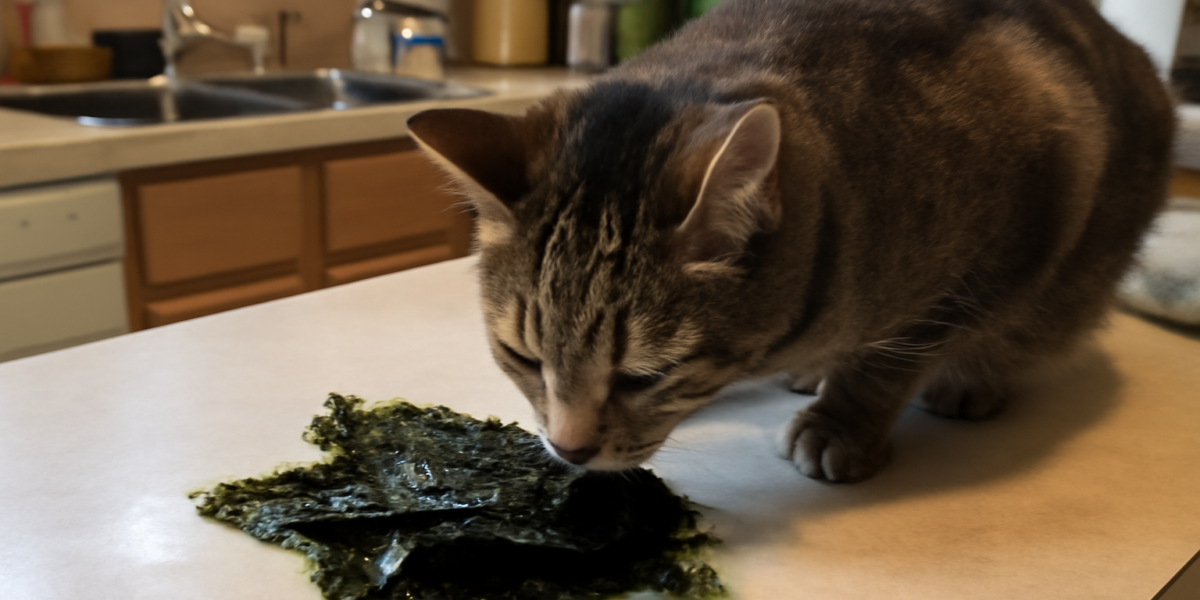
Can Cats Eat Seaweed? Nutrition & Safety
Yes, cats can eat seaweed in moderation. While seaweed is generally safe for cats, it’s important to consider the type and amount you offer to ensure it complements their diet without causing any adverse effects.
In this article
Is Seaweed Safe for Cats?
Seaweed is considered safe for cats when given in small amounts. It is a natural source of vitamins and minerals that can be a beneficial addition to your feline’s diet. However, it’s crucial to ensure the seaweed is free from added salts, spices, or preservatives, which can be harmful to cats.
Nutritional Benefits of Seaweed for Cats
Seaweed is packed with nutrients that can support your cat’s health. It contains iodine, which supports thyroid function, and is rich in essential vitamins such as A, B, C, and E. The fiber found in seaweed can aid in digestion, and its antioxidant properties can help boost your cat’s immune system.
Risks and Side Effects
While seaweed is beneficial, there are potential risks. Overconsumption can lead to iodine toxicity, which may affect your cat’s thyroid health. Some cats might also experience digestive upset, including diarrhea or vomiting, if they consume too much seaweed. Always introduce new foods gradually and monitor your cat for any changes in behavior or health.
How to Serve Seaweed to Your Cat
When serving seaweed, choose plain, unseasoned varieties. You can offer it dried or rehydrated, but ensure it’s chopped into small, manageable pieces to prevent choking. Start with a tiny amount to see how your cat reacts, and consider mixing it with their regular food for an added nutritional boost.
For more guidance on introducing new foods, check our article on can cats eat spinach.
How Much Seaweed Can Cats Eat?
Moderation is key when feeding seaweed to cats. A small pinch, given occasionally, is adequate. It’s essential not to make seaweed a staple in their diet but rather an occasional treat. Ensuring a balanced diet will help maintain your cat’s overall health.
Signs of an Adverse Reaction
If your cat shows signs of an adverse reaction after eating seaweed, such as vomiting, diarrhea, or changes in appetite, stop feeding it immediately and consult your veterinarian. Watch for any signs of lethargy or unusual behavior as these may indicate a more serious issue.
Explore more about safe food options in our guide on can cats eat broccoli.
Frequently Asked Questions
Can seaweed improve my cat’s skin and coat health?
Yes, the vitamins and antioxidants in seaweed can support skin and coat health, promoting a shiny and healthy appearance.
Is seaweed a good source of protein for cats?
Seaweed contains some protein, but it should not be relied upon as a primary protein source for cats, who require high levels of animal protein.
Can kittens eat seaweed?
Kittens can have seaweed in very small amounts. However, their diet should primarily consist of nutritionally complete kitten food to support their growth and development.
What types of seaweed are best for cats?
Nori and kelp are popular choices for cats. Ensure that any seaweed you offer is plain and free of additives. For further advice, read our article on can cats eat kale.


