
Last updated: March 31, 2026
In this article
Can Dogs Eat Beet Greens? A Comprehensive Safety Guide
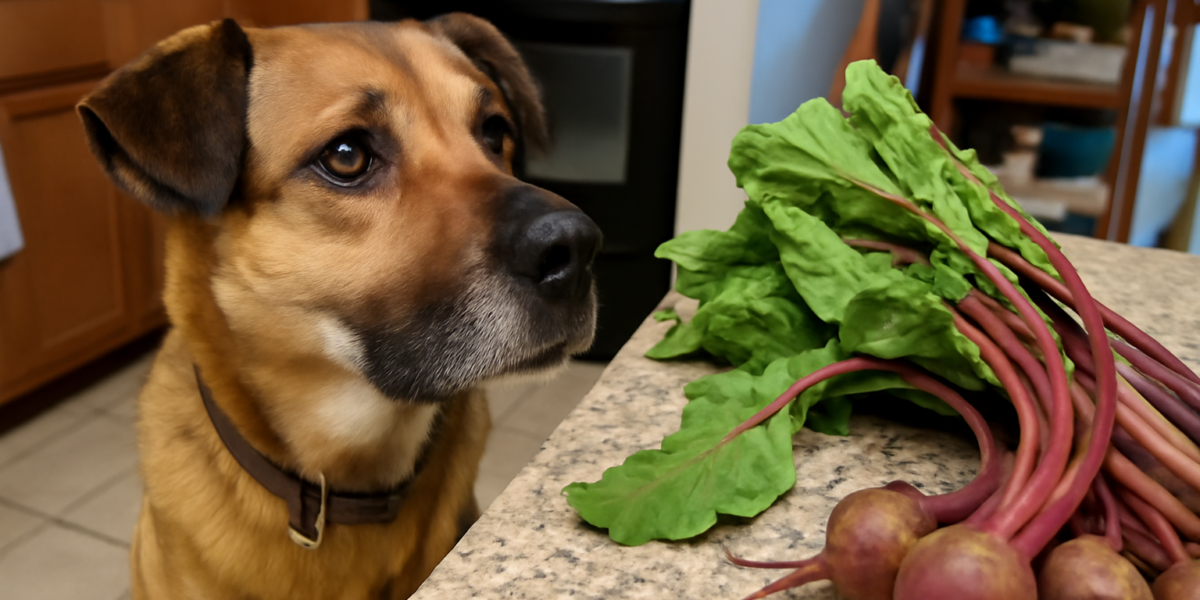
If you have ever bought fresh beets from the farmers market or grocery store, you have probably noticed the large, vibrant leaves attached to the top. These beet greens are often discarded by home cooks who do not realize they are edible and nutritious. But if you are a dog owner who likes to minimize food waste, you might be wondering: can dogs eat beet greens? The short answer is yes, dogs can eat beet greens in moderation. However, there are some important considerations regarding oxalates and preparation that every pet parent should understand.
Beet greens, also known as beet tops or beet leaves, are the leafy green portions that grow above the beetroot itself. They belong to the same family as spinach and Swiss chard, and they share many of the same nutritional benefits along with similar precautions. Understanding how to safely incorporate beet greens into your dog’s diet can help you provide variety and additional nutrients without putting your pet’s health at risk.
Nutritional Profile of Beet Greens
Beet greens are genuinely impressive when it comes to their nutritional content. These leafy tops are packed with vitamins and minerals that can benefit your dog’s health when offered as part of a balanced diet. A cup of raw beet greens contains only about 8 calories, making them a low-calorie treat option for dogs watching their weight.
One of the standout nutrients in beet greens is vitamin A, which is present in abundance. Vitamin A is essential for maintaining healthy vision, supporting immune function, and promoting proper cell growth in dogs. Beet greens also contain significant amounts of vitamin K, which plays a crucial role in blood clotting and bone metabolism.
The vitamin C content in beet greens provides antioxidant protection, helping to neutralize harmful free radicals in your dog’s body. While dogs can produce vitamin C on their own, supplemental sources from food can provide additional support, especially during times of stress or illness.
Beet greens are also rich in minerals, including iron, calcium, magnesium, and potassium. Iron supports healthy red blood cell production, while calcium and magnesium contribute to bone health and proper muscle function. Potassium is essential for nerve signaling and maintaining fluid balance. The combination of these minerals makes beet greens one of the more nutrient-dense leafy greens available.
Additionally, beet greens contain dietary fiber, which supports digestive health and can help regulate bowel movements. The fiber content is moderate compared to some other vegetables, making beet greens unlikely to cause digestive upset when fed in appropriate amounts.
The Oxalate Concern: What You Need to Know
The most important consideration when feeding beet greens to dogs is their oxalate content. Oxalates, also known as oxalic acid, are naturally occurring compounds found in many leafy green vegetables, including beet greens, spinach, and kale. When consumed in large quantities, oxalates can bind with calcium in the body to form calcium oxalate crystals, which can contribute to the development of kidney stones and urinary issues.
Beet greens have one of the highest oxalate concentrations among common leafy greens, even higher than spinach. This means that while they are not toxic, they should be fed more sparingly than lower-oxalate greens. Dogs with a history of kidney stones, bladder stones, or urinary crystal formation should avoid beet greens entirely, as the oxalates can exacerbate these conditions.
Oxalates can also interfere with calcium absorption. When oxalic acid binds with calcium in the digestive tract, it prevents the calcium from being absorbed into the body. For growing puppies or dogs that require optimal calcium absorption, excessive consumption of high-oxalate foods could theoretically impact bone development and health, though this is primarily a concern with large or frequent servings.
The good news is that cooking beet greens can reduce their oxalate content by approximately 30 to 50 percent. Boiling is the most effective cooking method for oxalate reduction, as the oxalates leach into the cooking water, which should then be discarded rather than used in your dog’s food. Steaming is less effective at reducing oxalates but still offers some benefit over feeding raw beet greens.
For healthy dogs with no kidney or urinary tract issues, occasional small servings of beet greens are perfectly safe. The key is moderation and ensuring that beet greens are not the primary leafy green in your dog’s diet. Rotating between different greens with varying oxalate levels helps minimize any potential risks.
How to Prepare Beet Greens for Your Dog
Proper preparation of beet greens is essential for both safety and palatability. Start by thoroughly washing the greens under running water to remove any dirt, pesticides, or other contaminants. Beet greens can harbor soil and debris in their crevices, so take your time with this step. If possible, choose organic beet greens to minimize pesticide exposure.
The stems of beet greens are edible but can be tough and fibrous, which may be difficult for some dogs to chew and digest. For smaller dogs or those with dental issues, remove the stems and use only the leafy portions. For larger dogs with healthy teeth, the stems can be included if chopped into small pieces.
As mentioned earlier, cooking beet greens is the recommended preparation method for dogs, both to reduce oxalate content and to improve digestibility. To boil beet greens, bring a pot of water to a rolling boil, add the greens, and cook for five to eight minutes until they are wilted and tender. Drain the water completely and allow the greens to cool before serving. Do not add salt, butter, oil, garlic, onion, or any other seasonings.
Steaming is another good option. Place the washed greens in a steamer basket over boiling water and steam for four to six minutes until tender. While steaming retains more nutrients than boiling, it is slightly less effective at reducing oxalates. Either method is acceptable for occasional feeding.
Once cooked and cooled, chop the beet greens into small pieces appropriate for your dog’s size. You can mix them into your dog’s regular food, offer them as a standalone treat, or blend them into a puree that can be drizzled over kibble. Some dog owners freeze pureed beet greens in ice cube trays for convenient portioning and as a refreshing warm-weather treat.
Portion sizes should be modest given the oxalate content. Small dogs can have one to two teaspoons of cooked, chopped beet greens. Medium dogs can enjoy one to two tablespoons, and large dogs can have up to three tablespoons. Offer beet greens no more than once or twice a week, and alternate with lower-oxalate greens like romaine lettuce or green beans on other days.
Beet Greens Versus Other Leafy Greens for Dogs
When choosing leafy greens for your dog, it helps to understand how beet greens compare to other popular options. Each type of green offers its own unique combination of nutrients and considerations.
Compared to beets themselves, beet greens are actually more nutrient-dense in several categories, including vitamin A, vitamin C, and iron. However, the beetroot is lower in oxalates and can be a safer option for dogs prone to urinary issues. Both parts of the beet plant can be included in a dog’s diet for variety.
Spinach is nutritionally similar to beet greens and also contains high levels of oxalates. If you are already feeding your dog spinach regularly, it would be wise not to add beet greens on the same days, as the combined oxalate load could be too high. Instead, alternate between the two to spread out the oxalate exposure.
Lower-oxalate alternatives like lettuce, green beans, and zucchini can be fed more freely and are excellent options for dogs that need to avoid oxalates altogether. These vegetables may not be as nutrient-dense as beet greens per serving, but they can be offered in larger quantities without the same concerns.
Broccoli is another popular green vegetable for dogs that offers a different nutritional profile. It is lower in oxalates than beet greens and provides beneficial compounds like sulforaphane. However, broccoli can cause gas in some dogs, so it also needs to be fed in moderation.
The ideal approach is to rotate various dog-safe vegetables throughout the week, providing nutritional diversity while minimizing the risks associated with any single food. This variety also keeps mealtimes interesting for your dog and prevents them from developing an aversion to any one vegetable.
When to Avoid Beet Greens and When to Call Your Vet
There are specific situations where beet greens should be completely excluded from your dog’s diet. Dogs with a history of calcium oxalate stones, struvite stones, or any form of urinary crystals should not eat beet greens. The oxalates in beet greens can contribute to stone formation and worsen existing urinary conditions.
Dogs with chronic kidney disease should also avoid beet greens, as their kidneys may not efficiently process oxalates, increasing the risk of crystal formation and further kidney damage. If your dog has been diagnosed with any kidney condition, consult your veterinarian before introducing any high-oxalate foods.
Puppies under four months of age and very senior dogs with compromised kidney function should avoid beet greens as a precaution. Puppies’ developing kidneys and older dogs’ declining kidney function make them more susceptible to the effects of oxalates.
Contact your veterinarian if your dog shows any of the following symptoms after eating beet greens: difficulty urinating, blood in the urine, frequent attempts to urinate with little output, vomiting, diarrhea lasting more than 24 hours, or signs of abdominal pain. While these symptoms are unlikely from a small serving of beet greens, they could indicate an underlying urinary or digestive issue that needs attention.
If your dog accidentally consumes a large quantity of raw beet greens, monitor them closely and provide plenty of fresh water to help flush the oxalates from their system. Contact your vet if you notice any changes in urination patterns or signs of digestive distress.
Frequently Asked Questions
Can dogs eat raw beet greens?
While raw beet greens are not toxic to dogs, cooked beet greens are the preferred option. Cooking reduces the oxalate content by 30 to 50 percent, making them safer for your dog’s kidneys and urinary system. Raw beet greens are also tougher and harder to digest, potentially causing more gastrointestinal discomfort. If you do offer raw beet greens, keep the portion very small, chop them finely, and ensure your dog has no history of kidney or urinary issues.
Are beet greens better than spinach for dogs?
Beet greens and spinach are nutritionally similar, and both contain high levels of oxalates. Neither is definitively better or worse than the other for dogs. Beet greens have slightly more iron and vitamin A, while spinach has more folate and slightly more protein per serving. The best approach is to alternate between the two rather than relying heavily on either one, and to include lower-oxalate greens like lettuce and green beans in the rotation as well.
Can beet greens change the color of my dog’s urine or stool?
Yes, beet greens can sometimes cause a reddish or pinkish tint to your dog’s urine or stool, similar to what happens with beetroot itself. This discoloration is caused by natural pigments called betalains and is completely harmless. However, if you notice red or pink urine and your dog has not recently eaten beets or beet greens, this could indicate blood in the urine and warrants an immediate veterinary visit. When in doubt, contact your veterinarian to rule out any underlying health concerns.
How do beet greens interact with dog medications?
Beet greens are high in vitamin K, which can interfere with blood-thinning medications. If your dog is taking any anticoagulant drugs, consult your veterinarian before feeding beet greens. The oxalate content may also be a concern for dogs on certain kidney medications. Additionally, the calcium in beet greens could theoretically interact with some antibiotics, reducing their effectiveness. Always discuss dietary changes with your vet if your dog is on any prescription medications.


