
Last updated: April 6, 2026
In this article
Can Dogs Eat Cornbread? Safety Guide and Tips
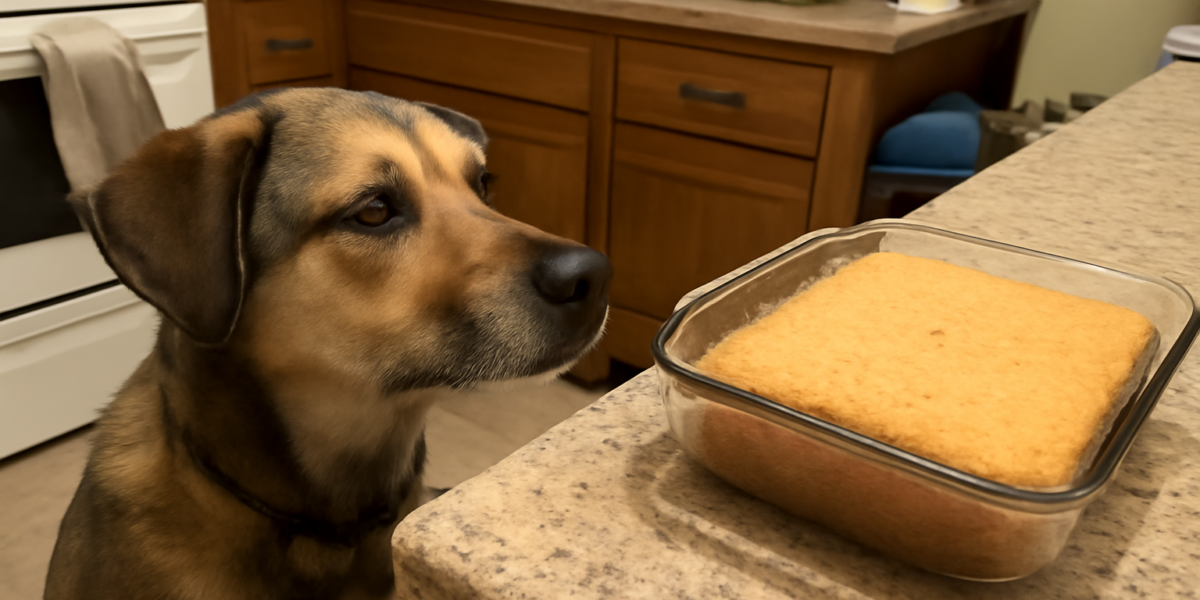
Cornbread is a beloved comfort food across many cultures, particularly in the Southern United States where it is a staple alongside chili, barbecue, and hearty soups. Made from cornmeal, flour, eggs, milk, and oil or butter, cornbread has a distinctive golden color and slightly sweet, crumbly texture. When baking a fresh batch, it is only natural to wonder if your dog can enjoy a taste.
Plain cornbread without harmful additives is not toxic to dogs, but it is far from an ideal treat. Like most baked goods, cornbread is calorie-dense, high in fat and carbohydrates, and offers little nutritional benefit to your canine companion. Understanding the nuances of different cornbread recipes will help you make safe decisions for your pet.
Quick Answer: Can Dogs Eat Cornbread?
In small amounts, plain cornbread is not toxic to dogs and can be shared as a very occasional treat. The basic ingredients — cornmeal, flour, eggs, milk, and a small amount of fat — are not harmful to most dogs in small quantities.
However, many cornbread recipes include ingredients that can be dangerous for dogs. Jalapeno cornbread, cornbread with onion or garlic, and recipes sweetened with xylitol are all potentially harmful. Even plain cornbread is high in calories, fat, and sugar, making it a poor nutritional choice for regular feeding.
If you want to share a tiny piece of plain, homemade cornbread with your dog, it is unlikely to cause any problems. Just make sure you know exactly what went into the recipe, keep portions very small, and treat it as an extremely rare indulgence rather than a regular snack.
Nutritional Profile of Cornbread
A typical piece of cornbread (about 60 grams or one standard serving) contains:
- Calories: 170-200 calories
- Fat: 5-8 grams
- Carbohydrates: 25-30 grams
- Sugar: 5-10 grams (varies by recipe)
- Protein: 3-5 grams
- Fiber: 1-2 grams
- Sodium: 300-450 milligrams
- Iron: 1-1.5 milligrams
- Calcium: 40-80 milligrams (from milk and eggs)
Cornbread is essentially a calorie-dense baked good with modest nutritional value. The cornmeal provides some iron and trace minerals, but the overall nutritional profile is dominated by refined carbohydrates, fat, and added sugar — none of which your dog needs supplemental amounts of.
Benefits and Risks of Cornbread for Dogs
Benefits
- Non-Toxic (Plain): Plain cornbread without harmful additives is not poisonous to dogs, making it safe in tiny quantities as a rare treat.
- Palatability: Most dogs find the slightly sweet, buttery flavor of cornbread appealing, which could make it useful for hiding medication in an emergency.
- Egg and Milk Nutrients: The eggs and milk in cornbread provide small amounts of protein and calcium, though not in quantities significant enough to be nutritionally meaningful.
- Quick Energy: The carbohydrates in cornbread provide quick energy, though this is rarely a benefit for most pet dogs.
Risks
- Dangerous Add-Ins: Many cornbread recipes include onion, garlic, jalapenos, chives, or cheese that can be harmful or toxic to dogs. Always verify the ingredients before sharing.
- High Calorie and Fat Content: A single piece of cornbread can contain 200 calories and 8 grams of fat — a significant amount for a dog, especially a small breed. Regular consumption contributes to obesity.
- Sugar Content: Many cornbread recipes include added sugar or honey, which contributes empty calories and can worsen dental health and weight management issues.
- Sodium Levels: Cornbread typically contains significant sodium from baking powder, baking soda, and added salt, which can be excessive for dogs.
- Corn Allergies: Some dogs are allergic or sensitive to corn, which can cause itching, ear infections, skin irritation, and digestive problems.
- Xylitol Risk: Some sugar-free or reduced-calorie cornbread recipes may use xylitol, an artificial sweetener that is extremely toxic to dogs even in small amounts.
How to Serve Cornbread Safely to Your Dog
If you choose to give your dog a taste of cornbread, follow these safety guidelines:
Only share cornbread that you have made yourself or where you are completely certain of the ingredients. Avoid cornbread that contains onion, garlic, jalapenos, chives, excessive butter, or any artificial sweeteners. Plain, basic cornbread with just cornmeal, flour, egg, milk, a small amount of oil, and baking powder is the safest option.
Break the cornbread into small, manageable pieces. The crumbly texture can be a mild choking concern for dogs that gulp their food, so smaller pieces are safer.
Maximum portions for very occasional treats (no more than once or twice a month):
- Small dogs (under 20 lbs): A thumbnail-sized piece at most
- Medium dogs (20-50 lbs): A piece no larger than a golf ball
- Large dogs (over 50 lbs): Up to a small square (about 2 inches)
Never give cornbread to dogs with known corn allergies, diabetes, pancreatitis, or weight problems. The caloric and fat content makes it unsuitable for dogs with any of these conditions.
Signs of Problems After Eating Cornbread
A small piece of plain cornbread is unlikely to cause issues in most dogs, but watch for these symptoms:
- Vomiting
- Diarrhea or loose stools
- Gas or bloating
- Loss of appetite
- Excessive thirst (from sodium content)
- Lethargy
- Itching or skin irritation (corn allergy)
If your dog consumed cornbread containing onion, garlic, or xylitol, the situation is more serious. Symptoms of onion and garlic toxicity include pale gums, weakness, and dark urine. Xylitol poisoning causes rapid blood sugar drop, vomiting, loss of coordination, and seizures. Contact your veterinarian or emergency animal poison control immediately if your dog ate cornbread with any of these ingredients.
For mild digestive upset from plain cornbread, withhold food for a few hours and offer plenty of water. A bland diet of boiled chicken and white rice can help settle the stomach. If symptoms persist beyond 24 hours, consult your veterinarian.
Healthy Alternatives to Cornbread
Instead of sharing cornbread, consider these healthier options that your dog will enjoy just as much:
- Plain Cooked Sweet Potato: Naturally sweet and rich in vitamins, plain baked or boiled sweet potato satisfies the craving for something warm and comforting without the added fat and sugar.
- Plain Pumpkin Puree: Low in calories and gentle on the digestive system, pumpkin is a nutritious alternative that most dogs love.
- Carrot Sticks: Crunchy, naturally sweet, and very low in calories, carrots are one of the best snacks you can give your dog.
- Plain Cooked Oatmeal: A small amount of plain cooked oatmeal provides fiber and warmth without excessive fat, sugar, or sodium.
- Apple Slices: Sweet, crunchy, and full of vitamins, apple slices (without seeds or core) are a satisfying treat with far fewer calories than cornbread.
Want to share home-cooked meals and love with a dog? Visit the Walk Me Home Rescue adoption page to find your new best friend.
Frequently Asked Questions
Can dogs eat corn muffins?
Corn muffins are similar to cornbread in composition and carry the same concerns — high calories, fat, sugar, and potential harmful ingredients. Plain corn muffins in very small amounts are not toxic, but they are not a healthy treat option. Many commercial corn muffins contain more sugar than homemade cornbread, making them an even poorer choice for dogs.
Is cornmeal safe for dogs?
Plain cornmeal itself is not toxic to dogs and is actually used as an ingredient in some commercial dog foods. It provides carbohydrates and small amounts of iron and fiber. However, dogs with corn allergies should avoid cornmeal entirely. On its own, cornmeal is a neutral ingredient — it is the other components in cornbread (fat, sugar, sodium, and potential toxic additives) that create the concerns.
Can dogs eat cornbread stuffing?
No, cornbread stuffing is not safe for dogs. Stuffing typically contains onion, garlic, celery, herbs, butter, and broth that may include onion or garlic. The combination of these ingredients makes stuffing potentially toxic to dogs. Keep holiday cornbread stuffing well out of your dog’s reach.
What if my dog ate a whole piece of cornbread?
If your dog ate a single piece of plain cornbread, they will most likely be fine, though you may see some digestive upset. The primary concern is the caloric load and fat content. For a small dog, a whole piece of cornbread is a significant caloric event. Monitor for vomiting, diarrhea, and discomfort. If the cornbread contained harmful ingredients like onion or garlic, contact your veterinarian.
Can diabetic dogs eat cornbread?
No, cornbread is not appropriate for diabetic dogs. The high carbohydrate and sugar content can cause blood sugar spikes that are dangerous for dogs with diabetes. Stick to your veterinarian’s recommended diet plan and avoid sharing carbohydrate-heavy human foods with diabetic dogs.
Is homemade or store-bought cornbread safer for dogs?
Homemade cornbread is generally the safer option because you can control exactly what goes into it. Store-bought cornbread and cornbread mixes often contain additional preservatives, higher sodium levels, and potentially problematic ingredients. If you want to share cornbread with your dog, make a simple plain recipe at home with minimal ingredients.
While cornbread is a delicious human comfort food, your dog is better served with treats designed for their nutritional needs. For more food safety guides, explore our Can Dogs Eat series. And if you are ready to welcome a new furry family member, discover the lovable dogs available for adoption at Walk Me Home Rescue.


