
Last updated: March 31, 2026
In this article
Can Dogs Eat Couscous? A Complete Guide for Dog Owners
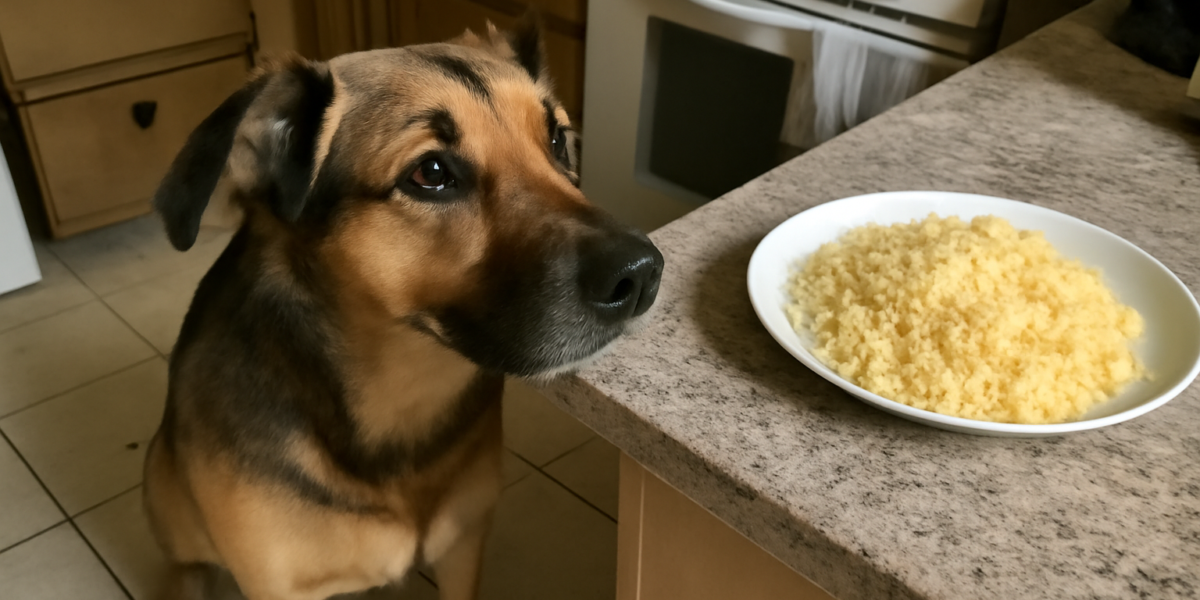
Couscous is a staple food in many households around the world, valued for its quick cooking time, mild flavor, and versatility. If you are a dog owner who regularly prepares couscous for your family, you have likely wondered whether your four-legged friend can safely enjoy some too. The good news is that plain, cooked couscous is generally safe for dogs to eat in moderation, but there are some important details you need to know before adding it to your pup’s bowl.
This guide covers everything you need to know about feeding couscous to your dog, from its nutritional value and potential benefits to the risks involved, proper preparation methods, and appropriate serving sizes. By the end, you will have a clear understanding of how couscous fits into your dog’s overall diet.
What Is Couscous and What Does It Contain?
Couscous is a traditional North African dish made from small granules of semolina wheat that have been moistened and rolled into tiny balls. Despite its grain-like appearance, couscous is technically a type of pasta rather than a whole grain. It is important to understand this distinction because it affects how we evaluate its nutritional value for dogs.
A one-cup serving of cooked couscous contains approximately 176 calories, 36 grams of carbohydrates, 6 grams of protein, and less than 1 gram of fat. It provides modest amounts of selenium, which supports thyroid function and acts as an antioxidant, as well as some B vitamins, manganese, and phosphorus. Couscous is relatively low in fiber compared to whole grains, with only about 2 grams per cup of cooked couscous.
There are several types of couscous available in most grocery stores. Regular or Moroccan couscous consists of very small granules and cooks in about five minutes. Israeli or pearl couscous features larger, rounder pellets with a chewier texture. Lebanese couscous is the largest variety. For dogs, the type of couscous matters less than how it is prepared, but the smaller Moroccan variety tends to be easiest for dogs to digest because of its finer texture.
It is also worth noting that whole wheat couscous is available and offers more fiber and nutrients than its refined counterpart. While the additional fiber can be beneficial for some dogs, others may find it harder to digest, so it is best to start with regular couscous and see how your dog tolerates it before trying the whole wheat version.
Is Couscous Safe for Dogs to Eat?
Plain, cooked couscous without any added seasonings, oils, butter, or sauces is safe for most dogs to eat in small to moderate amounts. It does not contain any ingredients that are inherently toxic to dogs, and many commercial dog foods already include wheat-based ingredients as part of their formulation.
However, there are some important exceptions and caveats to keep in mind. The most significant concern is that couscous is made from wheat, which means it contains gluten. While true gluten allergies are relatively uncommon in dogs compared to humans, some dogs do have wheat sensitivities or allergies that can cause symptoms ranging from skin irritation and itching to gastrointestinal problems like vomiting and diarrhea. If your dog has been diagnosed with a wheat allergy or grain sensitivity, couscous should be avoided entirely.
Dogs with celiac-like conditions, though extremely rare, should also avoid couscous. If you are looking for grain-based alternatives that your dog might enjoy, rice is often a better choice because it is naturally gluten-free and tends to be gentler on the digestive system. Similarly, quinoa offers a higher protein content and is also gluten-free, making it a nutritious option for dogs with wheat sensitivities.
Another consideration is that couscous is relatively high in carbohydrates and low in the proteins and fats that dogs need as obligate omnivores with carnivorous tendencies. While carbohydrates are not harmful to dogs and can provide useful energy, they should not make up a disproportionate amount of your dog’s diet. Couscous should be viewed as an occasional supplement or treat rather than a dietary staple.
Nutritional Benefits of Couscous for Dogs
While couscous is not a nutritional powerhouse for dogs, it does offer some benefits when incorporated into their diet thoughtfully. Understanding these benefits can help you decide whether couscous is a worthwhile addition to your dog’s treat rotation.
The selenium content in couscous is one of its most notable nutritional attributes. Selenium is an essential trace mineral that plays a crucial role in thyroid hormone metabolism, immune function, and antioxidant defense. A single cup of cooked couscous provides about 60 percent of the recommended daily selenium intake for humans, and even a small serving can contribute meaningfully to a dog’s selenium intake.
Couscous also provides a gentle source of easily digestible carbohydrates that can be beneficial for dogs recovering from illness or digestive upset. Veterinarians sometimes recommend bland diets consisting of simple carbohydrates and lean proteins for dogs with temporary stomach issues, and plain couscous can serve this purpose similarly to how plain pasta is sometimes used in bland diet protocols.
The B vitamins found in couscous, including thiamine, niacin, and folate, support various metabolic processes in dogs, including energy production, nervous system function, and cell growth. While dogs typically get adequate B vitamins from their regular commercial diet, the small amounts contributed by couscous can complement their existing intake.
For underweight dogs or those needing to gain weight under veterinary supervision, couscous can serve as a calorie-dense carbohydrate source that is easy to prepare and generally well-tolerated. Mixed with lean proteins and appropriate fats, it can help increase caloric intake without causing digestive distress in most dogs.
Some pet owners also find that couscous serves as an excellent vehicle for mixing in supplements or medications. Its mild flavor and soft texture can help mask the taste of pills or powdered supplements that dogs might otherwise refuse, making it a practical tool in your pet care toolkit.
How to Prepare and Serve Couscous for Your Dog
Proper preparation is key to ensuring that couscous is safe and beneficial for your dog. The way you cook and serve couscous for yourself likely involves ingredients and seasonings that are not appropriate for your canine companion, so it is important to prepare a separate, dog-friendly portion.
To prepare couscous for your dog, start by cooking it in plain water only. Do not add salt, butter, oil, broth, garlic, onion, or any other seasonings. While these additions make couscous delicious for humans, many of them are harmful or even toxic to dogs. Garlic and onion, in particular, are dangerous for dogs and should never be included in any food you share with your pet.
Bring water to a boil, remove it from the heat, add the couscous, cover, and let it sit for about five minutes until the water is absorbed. Fluff the cooked couscous with a fork and allow it to cool completely before serving it to your dog. Serving hot food can burn your dog’s mouth, tongue, and esophagus, so patience during the cooling process is essential.
When it comes to portion sizes, moderation is the guiding principle. For small dogs weighing under 20 pounds, a tablespoon or two of cooked couscous is an appropriate serving. Medium dogs between 20 and 50 pounds can have two to four tablespoons. Large dogs over 50 pounds can enjoy up to a quarter cup. These portions should be offered no more than two or three times per week and should replace an equivalent amount of their regular food to avoid excess calorie intake.
You can serve couscous on its own as a treat, mix it into your dog’s regular food to add variety, or combine it with dog-safe vegetables like carrots, green beans, or peas for a more nutritious meal topper. Some dog owners create simple homemade meals by mixing couscous with cooked, unseasoned chicken or turkey and a small amount of steamed vegetables, though these should complement rather than replace a balanced commercial diet.
Risks and Precautions When Feeding Couscous to Dogs
While couscous is generally safe for dogs, there are several risks and precautions that responsible pet owners should be aware of. Being informed about these potential issues will help you avoid problems and ensure your dog’s safety.
Wheat allergies and sensitivities are the most significant risk associated with feeding couscous to dogs. Signs of a food allergy in dogs can include itchy skin, particularly around the ears, paws, and rear end, chronic ear infections, gastrointestinal symptoms like vomiting and diarrhea, excessive gas, and red or inflamed skin. If you notice any of these symptoms after introducing couscous to your dog’s diet, discontinue it immediately and consult your veterinarian.
Overfeeding couscous can contribute to weight gain and obesity due to its relatively high carbohydrate and calorie content. Obesity is one of the most common health problems in domestic dogs and is associated with a host of serious conditions, including diabetes, joint disease, respiratory problems, and reduced lifespan. Always account for the calories in couscous when calculating your dog’s total daily food intake.
The low fiber and low protein content of couscous means it should not be used as a significant portion of your dog’s diet. Dogs require diets that are rich in animal-based proteins and balanced with appropriate levels of fats, vitamins, and minerals. Relying too heavily on carbohydrate-rich foods like couscous at the expense of protein-rich foods can lead to nutritional deficiencies over time.
Be especially cautious with flavored or pre-seasoned couscous mixes, which are increasingly common in grocery stores. These products often contain garlic powder, onion powder, artificial flavors, excessive sodium, and other additives that can be harmful or toxic to dogs. Always use plain, unflavored couscous when preparing it for your pet.
Finally, if your dog has diabetes or other metabolic conditions, consult your veterinarian before introducing couscous or any other high-carbohydrate food into their diet. The carbohydrates in couscous can affect blood sugar levels, which may require adjustments to your dog’s medication or insulin dosing.
Frequently Asked Questions
Can dogs eat couscous every day?
While couscous is not harmful in small amounts, it is not recommended as a daily addition to your dog’s diet. Feeding couscous every day can lead to excessive carbohydrate intake, potential weight gain, and an imbalanced diet. Limit couscous to two or three times per week at most, and always keep portions small relative to your dog’s size and total caloric needs. Your dog’s primary nutrition should come from a complete and balanced commercial dog food or a veterinarian-approved homemade diet.
Is couscous better than rice for dogs?
Rice is generally considered a better option for dogs than couscous for several reasons. Rice, particularly white rice, is easier to digest, is naturally gluten-free, and has a longer track record as a component of veterinary-recommended bland diets for dogs with digestive issues. Brown rice offers more fiber and nutrients than couscous. However, couscous is not a bad choice and can provide some variety in your dog’s treat rotation. The best option depends on your individual dog’s tolerance and dietary needs.
What should I do if my dog has an allergic reaction to couscous?
If you suspect your dog is having an allergic reaction to couscous, stop feeding it to them immediately and monitor their symptoms. Mild symptoms like slight itching or a single episode of loose stool may resolve on their own. However, if your dog experiences severe symptoms such as facial swelling, difficulty breathing, persistent vomiting, hives, or significant skin irritation, contact your veterinarian or an emergency animal hospital right away. Keep a record of when the symptoms started and what your dog ate, as this information will help your veterinarian make an accurate diagnosis.
Can puppies eat couscous?
Puppies can eat small amounts of plain, cooked couscous, but it is generally not recommended as a regular part of their diet. Puppies have specific nutritional requirements for growth and development that are best met through high-quality puppy food. If you want to offer your puppy a taste of couscous as an occasional treat, keep the portion very small, no more than a teaspoon, and watch for any signs of digestive upset. Wait until your puppy is at least four months old and fully weaned before introducing any human foods.
When to Consult Your Veterinarian
While couscous is a relatively low-risk food for most dogs, there are circumstances where you should seek veterinary guidance before offering it. If your dog has a known wheat allergy, grain sensitivity, diabetes, pancreatitis, kidney disease, or any other chronic health condition, always check with your veterinarian before introducing new foods into their diet.
You should also contact your veterinarian if your dog experiences any adverse symptoms after eating couscous, including prolonged vomiting or diarrhea lasting more than 24 hours, signs of abdominal pain or discomfort, lethargy or unusual behavior changes, skin reactions such as itching, redness, or hives, or any signs of an allergic reaction including facial swelling or difficulty breathing.
In conclusion, plain cooked couscous is a safe occasional treat for most dogs when served without seasonings or additives and in appropriate portion sizes. While it does not offer exceptional nutritional benefits for canines, it can add variety to your dog’s treat options and serve practical purposes like hiding medications. As with any human food shared with dogs, moderation is key, and your dog’s regular balanced diet should always remain the foundation of their nutrition. When in doubt, consult your veterinarian for personalized guidance based on your dog’s specific health needs and dietary requirements.


