
Last updated: March 27, 2026
In this article
Can Dogs Eat Goat Cheese? What Every Dog Owner Should Know
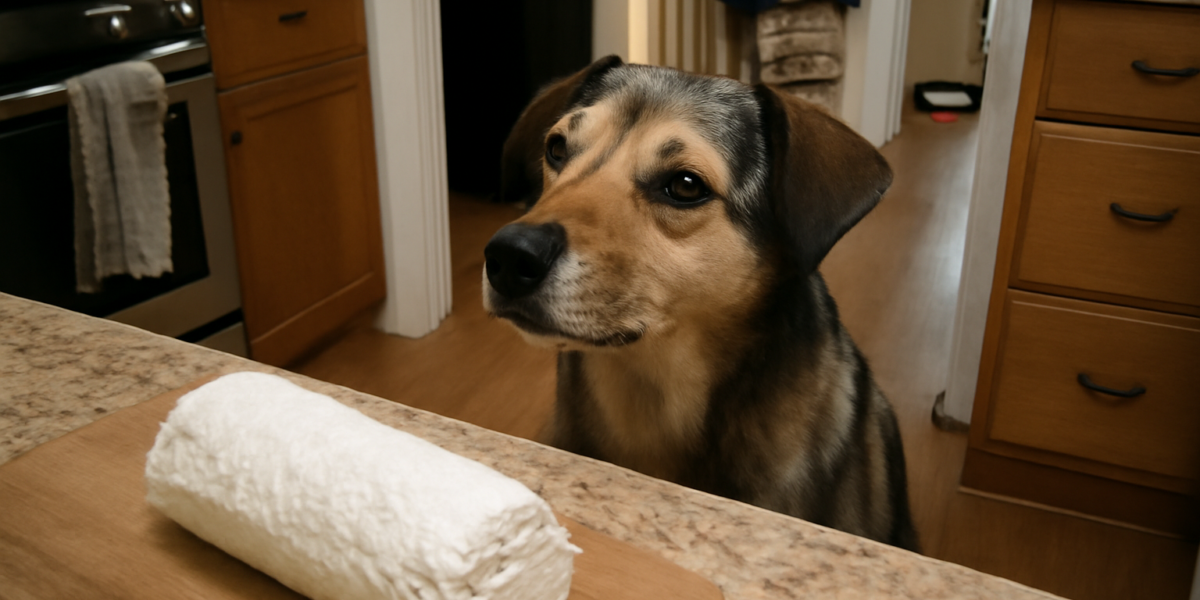
Cheese is one of the most popular high-value treats among dog owners, commonly used for training, hiding medications, and simply spoiling our furry companions. But not all cheeses are created equal when it comes to canine digestion. If you have a dog that seems to struggle with regular cheese, you may have wondered whether goat cheese might be a gentler alternative. The answer is encouraging — goat cheese is generally safe for dogs and may be easier to digest than cheeses made from cow’s milk. However, there are important caveats around portion size, ingredients, and individual tolerance. Let us dive into everything you need to know about sharing goat cheese with your dog.
Why Goat Cheese May Be Better Tolerated by Dogs
One of the primary reasons pet owners turn to goat cheese is its reputation for being more digestible than cow’s milk cheese. This reputation is well-founded and comes down to a few key differences in composition.
Lower Lactose Content: Many dogs are lactose intolerant to some degree, meaning they lack sufficient amounts of the enzyme lactase needed to break down lactose, the sugar found in milk. Goat cheese tends to have slightly less lactose than many cow’s milk cheeses, which can make a meaningful difference for lactose-sensitive dogs. While goat cheese is not lactose-free, the reduced levels may be enough to prevent the gas, bloating, and diarrhea that some dogs experience with cow’s milk products.
Smaller Fat Globules: The fat molecules in goat’s milk are naturally smaller than those in cow’s milk. Smaller fat globules are easier for the digestive system to break down, which means the fat in goat cheese is more readily absorbed and less likely to cause stomach upset.
Different Protein Structure: Goat’s milk contains different proportions of casein proteins compared to cow’s milk. Specifically, goat’s milk has less alpha-s1 casein, which is the protein most commonly associated with dairy sensitivities. This different protein profile may make goat cheese more tolerable for dogs that react poorly to cow’s milk cheese.
That said, goat cheese is still a dairy product, and dogs that are severely lactose intolerant or have a true dairy allergy may still react to it. If your dog has had significant issues with dairy products in the past, introduce goat cheese very cautiously and in tiny amounts.
Nutritional Profile of Goat Cheese
Goat cheese offers a variety of nutrients that can provide supplemental benefits to your dog when given in appropriate amounts.
Protein: Goat cheese is a good source of high-quality protein, which supports muscle maintenance, tissue repair, and overall growth. An ounce of goat cheese provides about five grams of protein, making it a protein-rich treat option.
Calcium: Like all cheeses, goat cheese is a source of calcium, which is essential for maintaining strong bones and teeth, proper muscle function, and blood clotting. While your dog’s regular food should provide sufficient calcium, the additional amount from an occasional goat cheese treat contributes positively.
Phosphorus: This mineral works alongside calcium to support bone and dental health. Goat cheese provides a balanced ratio of calcium to phosphorus, which supports proper mineral absorption.
Healthy Fats: Goat cheese contains a mix of saturated and unsaturated fats, including medium-chain fatty acids that are easier to metabolize. The fat content contributes to the cheese’s palatability and helps with the absorption of fat-soluble vitamins.
B Vitamins: Goat cheese contains riboflavin (B2), vitamin B6, and vitamin B12, all of which play roles in energy metabolism, red blood cell formation, and nervous system function.
Probiotics: Some varieties of goat cheese, particularly soft and aged varieties, contain beneficial probiotic bacteria that can support gut health. These probiotics may aid digestion and contribute to a balanced gut microbiome.
While nutritionally valuable, goat cheese is also calorie-dense and high in fat, with about seventy-five calories and six grams of fat per ounce. This means that even small amounts contribute significant calories, making portion control essential — particularly for smaller dogs and those managing their weight.
How to Safely Feed Goat Cheese to Your Dog
Serving goat cheese to your dog requires a bit of thought about the type you choose and how you offer it. Here are some practical guidelines.
Choose Plain Goat Cheese: The best goat cheese for dogs is plain, soft goat cheese (often labeled as chevre) with no added herbs, garlic, pepper, or other seasonings. Many gourmet goat cheeses come coated in herbs, rolled in cranberries, or infused with flavors that may include ingredients toxic to dogs, such as garlic or chives. Always read the ingredient list carefully and choose the simplest variety available.
Avoid Aged and Moldy Varieties: While soft, fresh goat cheese is the safest option, some aged goat cheeses have very high sodium content. Blue-veined goat cheeses and those with mold rinds should also be avoided, as the molds used in their production can potentially cause adverse reactions in dogs.
Start Small: If your dog has never had goat cheese before, begin with a pea-sized amount. This allows you to gauge your dog’s tolerance before offering larger portions. Watch for any signs of digestive upset — including loose stools, gas, vomiting, or decreased appetite — over the following twenty-four hours.
Use as a High-Value Training Treat: Goat cheese’s strong flavor and creamy texture make it an excellent high-value reward during training sessions. Small dabs of goat cheese can motivate dogs that are less interested in dry or crunchy treats. You can also smear a thin layer inside a puzzle toy or lick mat for mental enrichment.
Pill Pocket Alternative: One of the most practical uses for goat cheese in the dog world is hiding medication. The soft, moldable texture of fresh goat cheese makes it easy to wrap around pills and capsules, and its strong flavor helps mask the taste of bitter medications. This is often more effective and affordable than commercial pill pockets.
If you are comparing dairy options for your dog, you might also consider cottage cheese, which is lower in fat, or plain yogurt, which provides probiotics and is also generally well-tolerated by dogs.
Portion Sizes and Frequency
The rich, calorie-dense nature of goat cheese means that portions should be kept small, regardless of your dog’s size. Here are recommended serving sizes based on weight.
For small dogs under fifteen pounds, limit goat cheese to about half a teaspoon to one teaspoon per serving. Medium dogs between fifteen and forty pounds can have one to two teaspoons. Large dogs between forty and eighty pounds can enjoy up to one tablespoon. Giant breeds over eighty pounds can have up to two tablespoons, though this should still be an occasional indulgence.
In terms of frequency, goat cheese is best treated as an occasional or special-occasion food rather than an everyday treat. Two to three times per week is a reasonable frequency for most healthy dogs. On days when goat cheese is offered, reduce the portion of other treats to maintain a balanced caloric intake.
Dogs that are overweight, diabetic, or have a history of pancreatitis should receive goat cheese only with veterinary approval and in very limited quantities, if at all. The high fat content can trigger or worsen pancreatitis in susceptible dogs, and the calories add up quickly for dogs on restricted diets.
Pregnant or nursing dogs can generally have small amounts of goat cheese, as the calcium and protein can be beneficial during this demanding life stage. However, it should not replace their regular balanced diet or prenatal supplementation recommended by their veterinarian.
Risks and Precautions to Keep in Mind
While goat cheese is safer than many dairy options for dogs, it is not without potential downsides. Being aware of these risks helps you make informed decisions about whether and how to include goat cheese in your dog’s diet.
Lactose Intolerance: Despite having less lactose than cow’s milk cheese, goat cheese still contains some lactose. Dogs with severe lactose intolerance may still experience gas, bloating, diarrhea, or stomach cramps after eating goat cheese. If your dog consistently shows digestive distress after eating small amounts of goat cheese, it is likely best to avoid dairy altogether.
High Fat and Calorie Content: The fat in goat cheese makes it palatable but also potentially problematic. Excessive fat intake is the primary dietary trigger for pancreatitis in dogs. Even if your dog does not have a history of pancreatitis, consistently overfeeding high-fat treats increases the risk over time. Obesity is also a concern — small amounts of goat cheese can contribute significant calories relative to a dog’s daily needs.
Sodium Content: Goat cheese, like most cheeses, contains sodium. While fresh goat cheese tends to be lower in sodium than many aged cheeses, it still contributes to your dog’s overall sodium intake. Dogs with heart disease, kidney disease, or hypertension should have their sodium intake carefully monitored, and cheese may need to be avoided or severely limited.
Harmful Ingredients in Flavored Varieties: This bears repeating because it is one of the most common mistakes. Many goat cheese products contain garlic, onion, chives, or other allium family ingredients that are toxic to dogs. Pepper, excessive salt, and certain herbs can also cause problems. Always choose plain goat cheese and verify the ingredient list before sharing.
Dairy Allergies: A small percentage of dogs have a true allergy to dairy proteins rather than just lactose intolerance. Symptoms of a dairy allergy can include itchy skin, ear infections, hives, vomiting, and diarrhea. If your dog has been diagnosed with a dairy allergy, goat cheese should be avoided entirely since it still contains dairy proteins.
Frequently Asked Questions
Is goat cheese better for dogs than regular cheese?
For many dogs, goat cheese is a better option than cow’s milk cheese because it contains less lactose, has smaller fat globules that are easier to digest, and features a different protein structure that may cause fewer sensitivities. However, goat cheese is not universally better for all dogs. Some dogs tolerate cow’s milk cheese perfectly well, and some dogs with severe dairy issues will react to goat cheese too. The best approach is to try small amounts and see how your individual dog responds.
Can puppies eat goat cheese?
Puppies over twelve weeks of age that are eating solid food can try a tiny amount of plain goat cheese as an occasional treat. Start with a pea-sized portion and observe your puppy’s digestion. Because puppies are smaller and their digestive systems are still developing, keep portions very small and infrequent. Goat cheese can be especially useful for puppy training since its strong flavor makes it a highly motivating reward. Just ensure it does not replace any portion of their nutritionally complete puppy food.
My dog is lactose intolerant. Can they still eat goat cheese?
It depends on the severity of your dog’s lactose intolerance. Dogs with mild lactose sensitivity may tolerate small amounts of goat cheese because it contains less lactose than cow’s milk cheese. However, dogs with severe lactose intolerance may still experience gas, bloating, and diarrhea even from goat cheese. Start with a very small amount — less than half a teaspoon — and watch your dog carefully for twelve to twenty-four hours. If they show no digestive symptoms, you can cautiously offer small amounts on occasion. If any digestive upset occurs, it is best to avoid goat cheese and all dairy products.
How do I know if my dog is having a bad reaction to goat cheese?
Signs that your dog is not tolerating goat cheese well include excessive gas, loose stools or diarrhea, vomiting, stomach gurgling, decreased appetite, or lethargy. These symptoms typically appear within a few hours to a day after eating the cheese. More serious signs of an allergic reaction include itchy skin, hives, facial swelling, or difficulty breathing — these require immediate veterinary attention. If your dog shows mild digestive symptoms, simply discontinue the goat cheese and the symptoms should resolve within a day or two.
Goat cheese can be a delicious, well-tolerated treat for many dogs, offering a gentler dairy experience than traditional cow’s milk cheeses. By choosing plain varieties, keeping portions small, and paying attention to your dog’s individual response, you can safely add this creamy indulgence to your dog’s repertoire of special snacks. When in doubt, a quick check-in with your veterinarian can help you decide whether goat cheese is a good fit for your particular pup.


