
Last updated: April 8, 2026
In this article
Can Dogs Eat Jelly? Safety Guide and Tips
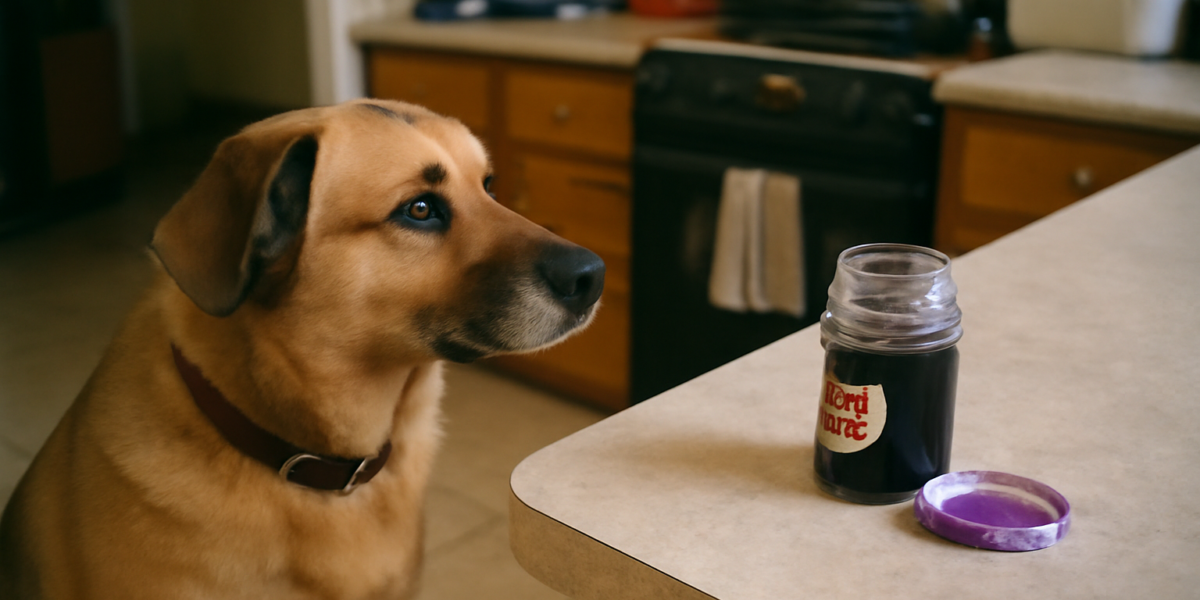
Jelly is a breakfast staple found in kitchens around the world, spread generously on toast, swirled into yogurt, or paired with peanut butter for that classic combination. If you have ever been making a PB&J and noticed your dog watching with keen interest, you may have wondered whether a little jelly would be a harmless treat or a potential problem.
The answer depends on the type of jelly and its ingredients, but in general, jelly is not a good food choice for dogs. From its high sugar content to the potential for truly dangerous ingredients like xylitol or grape juice, most jelly products carry risks that outweigh any possible benefit. Let us explore the specifics so you can make informed decisions about what goes into your dog’s bowl.
Quick Answer: Can Dogs Eat Jelly?
No, most jelly products are not recommended for dogs. Standard jelly is essentially fruit juice, sugar, and pectin — a combination that offers no nutritional benefit to dogs and delivers a concentrated dose of sugar that their bodies are not designed to handle. While a tiny taste of certain fruit jellies is unlikely to cause an emergency, it should not be a regular practice.
The most critical concern is the specific type of jelly. Grape jelly is outright dangerous because grapes and grape products are toxic to dogs and can cause acute kidney failure. Sugar-free jellies are equally hazardous because they often contain xylitol, an artificial sweetener that is profoundly toxic to dogs, causing rapid hypoglycemia and potentially fatal liver failure.
Even “safer” varieties like strawberry or blueberry jelly are still problematic due to their very high sugar content. A tablespoon of standard jelly contains roughly 10 to 13 grams of sugar — an excessive amount for a dog of any size. If you want to share fruit with your dog, offering fresh, whole fruit in appropriate portions is always a better choice than processed jelly.
Nutritional Profile of Jelly
Jelly is nutritionally sparse, consisting primarily of sugar with minimal vitamins, minerals, or fiber. Here is an approximate breakdown of a standard tablespoon (about 20 grams) of commercial fruit jelly.
- Calories: Approximately 50 to 56 calories per tablespoon
- Sugar: About 10 to 13 grams per tablespoon — this represents the vast majority of the caloric content
- Fat: 0 grams
- Protein: 0 grams
- Fiber: 0 grams (unlike whole fruit, the jelly-making process removes all fiber)
- Vitamins: Trace amounts at best, as most vitamins from the original fruit are lost during processing
- Pectin: A soluble fiber used as the gelling agent, present in small amounts
- Citric Acid: Often added for flavor and preservation
- Artificial Colors and Flavors: Present in many commercial varieties
From a nutritional standpoint, jelly offers your dog almost nothing positive — it is essentially flavored sugar. The fruit content has been processed to the point where the beneficial fiber, vitamins, and phytonutrients found in whole fruit have been largely stripped away, leaving only concentrated sweetness.
Benefits and Risks of Jelly for Dogs
Benefits
- Palatability: Dogs generally find jelly appealing due to its sweetness, which could theoretically help in administering medication. However, peanut butter, cheese, or purpose-made pill pockets are better and safer options for hiding pills.
- Quick Energy: The high sugar content provides a rapid energy boost, but this is not a healthy or recommended way to provide energy to dogs, as it causes blood sugar spikes.
- Pectin Content: The pectin in jelly is a form of soluble fiber that can have a mild soothing effect on the digestive tract. However, the amount in a safe serving of jelly is too small to provide any meaningful benefit.
- No Immediate Toxicity (Most Varieties): A small amount of most fruit jellies — excluding grape — will not cause acute poisoning in dogs, making accidental ingestion of a tiny amount generally not an emergency.
Risks
- Grape Jelly Toxicity: Grape jelly is dangerous because grapes and their derivatives are toxic to dogs. The toxic compound in grapes has been identified as tartaric acid, which can cause acute kidney failure. Even small amounts of grape jelly should be considered hazardous.
- Xylitol in Sugar-Free Varieties: Sugar-free jellies frequently contain xylitol, which is extremely toxic to dogs. Xylitol causes rapid insulin release, resulting in dangerous hypoglycemia within 10 to 60 minutes. It can also cause liver failure within 24 to 72 hours. Even small amounts can be fatal.
- Excessive Sugar: The very high sugar content can contribute to obesity, dental decay, diabetes, and blood sugar dysregulation in dogs. Dogs’ bodies are not designed to process large amounts of refined sugar.
- Digestive Upset: The concentrated sugar in jelly can cause vomiting, diarrhea, gas, and stomach discomfort, particularly in dogs with sensitive digestive systems.
- Artificial Additives: Many commercial jellies contain artificial colors, flavors, and preservatives that may cause adverse reactions in sensitive dogs.
- Empty Calories: Jelly provides calories without any nutritional value, displacing room for nutritious foods in your dog’s diet and contributing to weight gain without any health benefit.
How to Serve Jelly Safely to Your Dog
The best advice is to not serve jelly to your dog at all. It offers no nutritional benefit, carries multiple risks, and can easily be replaced by whole fruits that are both safer and more nutritious. However, here is guidance for various scenarios.
If your dog has licked a small amount of non-grape, non-xylitol jelly off a plate or counter, this is generally not cause for alarm in an otherwise healthy dog. A tiny taste of strawberry, blueberry, or similar fruit jelly will likely cause no symptoms at all, or at most some mild digestive upset.
If you insist on sharing a fruit experience with your dog, skip the jelly entirely and offer whole fresh fruit instead. A few fresh blueberries, a strawberry sliced in half, or a small piece of banana provides the same fruity flavor with actual nutritional benefits including fiber, vitamins, and antioxidants.
If accidental consumption occurs, here are the concern thresholds:
- Small dogs (under 20 lbs): Even a tablespoon of jelly represents a significant sugar load. Monitor for digestive upset. If grape jelly or sugar-free jelly, call your vet immediately.
- Medium dogs (20-50 lbs): A small amount of non-toxic jelly varieties should not cause serious issues. Still watch for digestive symptoms.
- Large dogs (over 50 lbs): A tablespoon or two of non-grape, non-xylitol jelly is unlikely to cause significant problems, but it still offers no benefit.
In all cases, if the jelly is grape-flavored or sugar-free, treat it as a potential emergency regardless of the amount consumed and contact your veterinarian immediately.
Signs of Problems After Eating Jelly
The symptoms to watch for depend heavily on what type of jelly your dog consumed. Different ingredients trigger different types of reactions, and the timeline varies accordingly.
From standard fruit jelly with sugar, mild symptoms may include diarrhea, vomiting, gas, bloating, and temporary hyperactivity from the sugar rush followed by lethargy. These usually resolve within 12 to 24 hours and are most likely if the amount consumed was relatively large.
From grape jelly, symptoms of grape toxicity may include vomiting (often within the first few hours), diarrhea, lethargy, loss of appetite, abdominal pain, decreased urination or no urination (a sign of kidney failure), excessive thirst, and trembling. Kidney failure from grape toxicity can develop within 24 to 72 hours and can be fatal. Seek immediate veterinary care if your dog consumes any amount of grape jelly.
From sugar-free jelly containing xylitol, symptoms can appear within 10 to 60 minutes and include vomiting, weakness, loss of coordination, stumbling, tremors, seizures, and collapse. Xylitol causes a rapid and dangerous drop in blood sugar. This is a life-threatening emergency requiring immediate veterinary treatment. Do not wait for symptoms — if you know or suspect xylitol ingestion, go to the vet immediately.
Healthy Alternatives to Jelly
Fresh fruit is always a superior option compared to processed jelly for dogs. These alternatives provide natural sweetness along with genuine nutritional benefits.
- Fresh blueberries: Packed with antioxidants, vitamin C, and fiber. Blueberries are small, easy to serve, and considered one of the healthiest fruit treats for dogs.
- Fresh strawberries: Rich in vitamin C, fiber, and antioxidants. Cut into small pieces appropriate for your dog’s size and serve a few at a time.
- Banana slices: Natural sweetness with potassium, vitamin B6, and fiber. Their soft texture makes them easy for dogs of all ages to enjoy.
- Watermelon chunks: Hydrating and low in calories, seedless watermelon is refreshing and provides vitamins A, B6, and C. Remove all seeds and rind.
- Apple slices: Crunchy and naturally sweet, apples provide fiber and vitamins A and C. Remove the core and all seeds before serving, as apple seeds contain trace amounts of cyanide.
- Pumpkin puree: Plain canned pumpkin is not fruity but offers a sweet flavor that dogs enjoy, along with excellent fiber and beta-carotene content.
If you are looking for a loyal companion to share healthy fruit treats with, visit our adoption page to find a dog in need of a forever home.
Frequently Asked Questions
Is grape jelly toxic to dogs?
Yes, grape jelly is toxic to dogs. Grapes and grape-derived products contain tartaric acid, which can cause acute kidney failure in dogs. The amount needed to cause toxicity varies between individual dogs, and there is no known safe dose. Some dogs may become seriously ill from very small amounts while others appear unaffected by larger amounts. Because you cannot predict your dog’s sensitivity, all grape products should be treated as dangerous.
Can dogs eat strawberry jelly?
While strawberry jelly is not toxic like grape jelly, it is still not recommended due to its extremely high sugar content and lack of nutritional value. A tiny taste is unlikely to cause harm, but there is no reason to make it a habit. Fresh strawberries are a much better choice — they provide fiber, vitamins, and antioxidants that are lost in the jelly-making process.
What if my dog ate jelly with xylitol?
Xylitol ingestion is a veterinary emergency. Even small amounts of xylitol can cause a rapid, dangerous drop in blood sugar and can lead to liver failure. Do not wait for symptoms to appear. Contact your veterinarian, an emergency veterinary clinic, or the ASPCA Animal Poison Control Center immediately. Time is critical with xylitol poisoning, and early treatment significantly improves outcomes.
Can dogs eat jelly beans?
Jelly beans are not recommended for dogs. They are essentially pure sugar with artificial colors and flavors. Some jelly bean varieties contain xylitol, caffeine, or other harmful ingredients. The sugar content alone makes them inappropriate for dogs. Keep jelly beans and all candy away from your pets.
Is jam the same as jelly for dogs?
Jam and jelly have similar safety concerns for dogs. Jam contains fruit pulp and seeds while jelly is made from fruit juice, but both are extremely high in sugar and may contain toxic fruit varieties or artificial sweeteners. The same rules apply: avoid grape varieties entirely, never give sugar-free versions, and recognize that neither product offers any nutritional benefit to your dog.
Can dogs eat peanut butter and jelly?
While xylitol-free peanut butter in small amounts is generally safe for dogs, adding jelly creates an unnecessary sugar load. The jelly component offers nothing beneficial and adds risks. If you want to give your dog a peanut butter treat, serve a small amount of plain, xylitol-free peanut butter on its own — it does not need the jelly accompaniment.
Jelly is one of those foods that seems harmless but offers nothing positive for your dog while carrying several genuine risks. From the acute danger of grape jelly and xylitol-containing varieties to the chronic effects of excessive sugar, this is a treat best left to humans. Treat your dog to fresh fruit instead, and both of you will be happier for it. Ready to share healthy treats with a canine companion? Explore the wonderful dogs available on our adoption page.


