
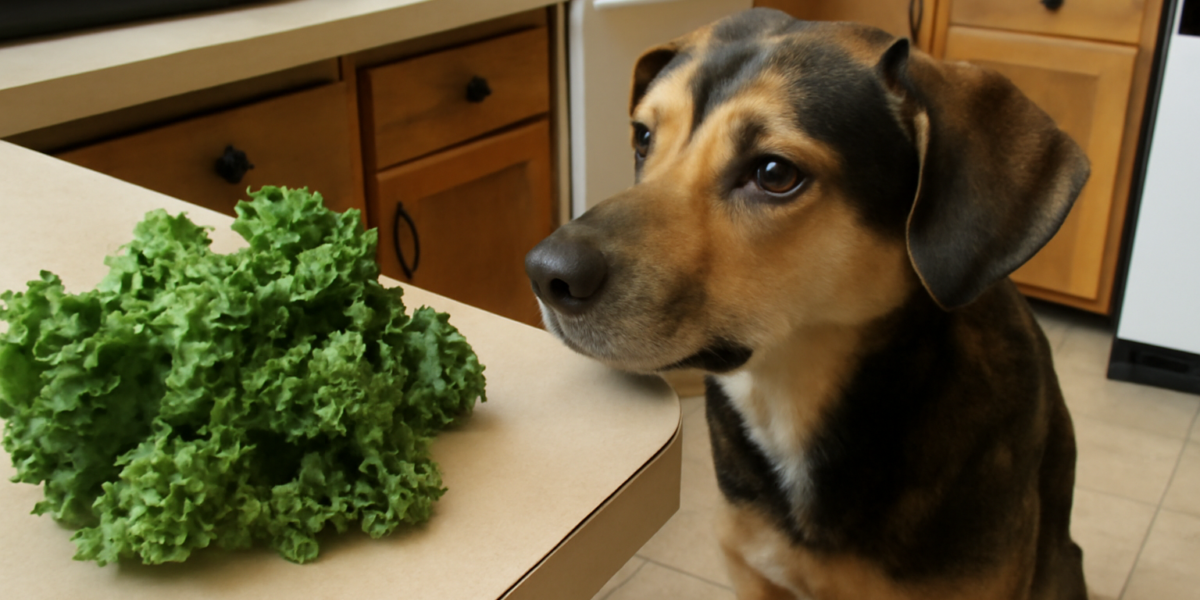
Kale has become one of the most celebrated leafy greens in human nutrition, showing up in smoothies, salads, and supplements everywhere you look. As a dog owner, you may wonder whether this nutrient-packed green can benefit your four-legged companion too. The answer is nuanced. Dogs can eat kale, but this is one vegetable where moderation is especially important. Kale contains compounds that, in large or frequent amounts, can cause health problems in dogs. Understanding both the benefits and the risks will help you make an informed decision about whether to include kale in your dog’s diet.
In this article
Quick Answer: Dogs can eat small amounts of plain, cooked kale occasionally, but it is not the best leafy green choice for regular feeding. Kale contains calcium oxalates, which can contribute to kidney and bladder stones, and isothiocyanates, which can cause gastric irritation. Feed it sparingly, and consider safer greens like green beans or cucumbers for regular use.
Is Kale Safe for Dogs?
Kale is not toxic to dogs, and small amounts are unlikely to cause harm. However, kale occupies a gray area in canine nutrition. It is one of those foods that is technically safe but comes with enough caveats that many veterinarians recommend choosing other vegetables instead for routine feeding.
The primary concerns with kale are its relatively high levels of calcium oxalates and isothiocyanates. Calcium oxalates are naturally occurring compounds that can contribute to the formation of calcium oxalate bladder stones and kidney stones in susceptible dogs. Isothiocyanates are sulfur-containing compounds that give cruciferous vegetables like kale, broccoli, and cabbage their bitter taste and can cause gastric irritation when consumed in significant quantities.
That said, a small piece of cooked kale shared occasionally as a treat is very unlikely to cause problems for a healthy dog with no history of urinary or kidney issues. The dose makes the poison, and the concerns with kale are primarily relevant when it is fed frequently or in large amounts.
Nutritional Profile of Kale for Dogs
From a pure nutrient perspective, kale is impressively dense. One cup of raw chopped kale provides approximately 33 calories, 2.2 grams of protein, 0.6 grams of fat, 6 grams of carbohydrates, and 1.3 grams of fiber. It is one of the most nutrient-dense foods available, packed with vitamins and minerals that can benefit dogs when consumed appropriately.
Noteworthy nutrients in kale include:
- Vitamin K: Kale is exceptionally rich in vitamin K1, which plays a critical role in blood clotting and bone metabolism. A single cup of raw kale contains nearly 700 percent of the human daily value.
- Vitamin A (as beta-carotene): Supports vision, immune function, and skin health. Dogs convert beta-carotene to vitamin A as needed.
- Vitamin C: While dogs produce their own vitamin C, supplemental antioxidant support can benefit dogs under stress, seniors, or those recovering from illness.
- Calcium: Important for bone and dental health, though in kale much of the calcium is bound to oxalates, reducing its bioavailability.
- Manganese: Supports bone health, metabolism, and antioxidant function.
- Iron: Supports red blood cell production and oxygen transport.
- Antioxidants (quercetin, kaempferol): Flavonoid antioxidants that have anti-inflammatory and heart-protective properties in research studies.
Despite this impressive nutrient profile, the practical benefit to dogs is limited by the fact that kale should only be fed in very small amounts due to the concerns outlined below. Dogs eating a complete and balanced commercial diet are already receiving all the essential nutrients they need.
Potential Benefits of Kale for Dogs
When fed in small, occasional amounts, kale can provide some supplemental benefits. The antioxidant compounds in kale, including beta-carotene, vitamin C, quercetin, and kaempferol, can help neutralize free radicals and reduce oxidative stress. This may be particularly relevant for senior dogs, whose cells are more susceptible to oxidative damage.
The fiber in kale, though modest per serving, can contribute to digestive health by supporting regular bowel movements and feeding beneficial gut bacteria. For dogs that need a low-calorie treat option, a small piece of cooked kale provides nutritional value with very few calories, making it a better choice than many commercial treats for weight-conscious dogs.
Some proponents suggest that the sulforaphane and other sulfur-containing compounds in kale may have cancer-protective properties, as has been suggested by some human research. However, these same compounds are the isothiocyanates that can cause gastric irritation in dogs, so the potential benefits need to be weighed against the risks, and the research in dogs is limited.
Risks and Side Effects of Kale for Dogs
Calcium oxalates and urinary stones. This is the most significant concern with feeding kale to dogs. Kale is high in calcium oxalates, which are absorbed in the gut and excreted through the kidneys. In susceptible dogs, excess oxalates can bind with calcium in the urinary tract and form calcium oxalate crystals or stones. Breeds predisposed to calcium oxalate stones include Miniature Schnauzers, Lhasa Apsos, Yorkshire Terriers, Bichon Frises, and Shih Tzus. Dogs with a history of urinary stones or kidney disease should avoid kale entirely.
Isothiocyanates and gastric irritation. The isothiocyanates in kale can irritate the lining of the stomach and intestines, particularly when consumed in large amounts or on an empty stomach. Symptoms can include nausea, vomiting, diarrhea, and excessive gas. Cooking kale reduces isothiocyanate levels somewhat, which is one reason cooked kale is preferred over raw for dogs.
Thyroid interference. Kale and other cruciferous vegetables contain goitrogens, substances that can interfere with thyroid hormone production by inhibiting iodine uptake. In dogs that already have hypothyroidism or are borderline hypothyroid, regular consumption of goitrogen-rich foods could potentially worsen the condition. The risk is low with occasional small servings, but it is worth noting for dogs with known thyroid issues.
Choking and digestive difficulty. Raw kale leaves are tough and fibrous, making them difficult for dogs to chew and digest. Large pieces of raw kale can pose a choking hazard, particularly for small dogs, and may cause gastrointestinal blockage if swallowed in large chunks. Always cook kale and chop it finely before offering it to your dog.
How Much Kale Can Dogs Eat?
Given the concerns associated with kale, it should be treated as an occasional treat rather than a regular dietary addition. If you choose to feed kale, keep portions small:
- Small dogs (under 20 lbs): 1 to 2 small pieces of cooked, chopped kale, no more than once or twice per week
- Medium dogs (20–50 lbs): 1 to 2 tablespoons of cooked, chopped kale, no more than once or twice per week
- Large dogs (50 lbs and over): 2 to 3 tablespoons of cooked, chopped kale, no more than once or twice per week
Kale should never make up a significant portion of your dog’s diet. If you are looking for a leafy green to feed more regularly, green beans, cucumbers, or lettuce are generally safer options for frequent use.
How to Prepare Kale for Dogs
If you decide to share kale with your dog, proper preparation is important. Start by washing the kale thoroughly to remove any pesticide residue, dirt, or insects. Organic kale is preferable if available, as conventionally grown kale frequently appears on lists of produce with high pesticide residues.
Remove the tough central stems, as these are the most difficult part for dogs to digest and pose the greatest choking risk. Chop the leaves into small pieces appropriate for your dog’s size.
Steam or boil the kale until it is soft and wilted. Steaming is the preferred method because it retains more nutrients than boiling while still softening the tough fibers and reducing some of the isothiocyanate content. Do not add any salt, butter, oil, garlic, onion, or other seasonings. Allow the cooked kale to cool completely before offering it to your dog.
You can mix the cooled, chopped kale into your dog’s regular food or offer a few small pieces as a standalone treat. When introducing kale for the first time, start with just one or two small pieces and monitor your dog for any digestive upset over the next 24 hours.
Signs of a Problem After Eating Kale
If your dog has eaten kale and shows any of the following signs, reduce or eliminate kale from their diet and consult your veterinarian if symptoms persist:
- Vomiting or nausea
- Diarrhea or loose stools
- Excessive gas or abdominal bloating
- Loss of appetite
- Straining to urinate, blood in urine, or frequent urination attempts, which may indicate urinary crystal or stone formation
The urinary symptoms are particularly important to watch for if your dog consumes kale regularly. Calcium oxalate stones can develop gradually, and early signs like increased urination frequency or straining may indicate that crystals are forming. If you notice any urinary changes, seek veterinary attention promptly, as stones can cause painful blockages that may require surgical removal.
Safer Alternatives to Kale for Dogs
If you want to add leafy greens and vegetables to your dog’s diet without the concerns that come with kale, several alternatives provide nutritional benefits with fewer drawbacks. Green beans are one of the most vet-recommended vegetables for dogs, low in calories, safe for daily feeding, and rich in fiber and vitamins. Broccoli is another cruciferous option that contains isothiocyanates but in lower concentrations than kale, making it somewhat safer in small amounts. Spinach also contains oxalates, so it shares some of kale’s concerns but can be fed in small amounts. Cucumbers are an excellent low-calorie, hydrating treat with virtually no associated risks. Carrots provide beta-carotene and fiber with a satisfying crunch that many dogs love.
If you have recently adopted a dog and are exploring healthy treat options, starting with well-established safe vegetables like green beans, carrots, and cucumbers is a smarter approach than jumping straight to more controversial options like kale.
Can dogs eat raw kale?
While raw kale is not toxic, it is not recommended for dogs. Raw kale is tough and fibrous, making it difficult to chew and digest. It also contains higher levels of isothiocyanates than cooked kale, increasing the likelihood of gastric irritation. Large pieces of raw kale can pose a choking hazard. If you feed your dog kale, always cook it first and chop it into small pieces.
Can dogs eat kale every day?
Daily kale consumption is not recommended for dogs due to the cumulative risk of calcium oxalate exposure and potential thyroid interference from goitrogens. Limit kale to an occasional treat, no more than once or twice per week, and in small amounts. There are many other vegetables that are safer for daily feeding.
Is kale bad for dogs with kidney problems?
Yes, kale should be avoided entirely in dogs with kidney disease, a history of kidney stones, or a history of calcium oxalate bladder stones. The high oxalate content in kale can worsen kidney function and increase the risk of stone formation in dogs whose urinary systems are already compromised. Ask your veterinarian for a list of safe vegetables for your dog’s specific condition.
Can puppies eat kale?
It is best to avoid feeding kale to puppies. Puppies have developing digestive and urinary systems that may be more sensitive to the compounds in kale. If you want to introduce vegetables to a puppy’s diet, safer options include small pieces of cooked sweet potato, carrots, or green beans.
Does cooking kale make it safer for dogs?
Cooking kale does reduce the levels of isothiocyanates and makes the leaves much easier to chew and digest, which makes it somewhat safer than raw kale. However, cooking does not significantly reduce the calcium oxalate content, so the stone-formation risk remains. Cooking is recommended if you are going to feed kale, but it does not eliminate all the concerns.


