
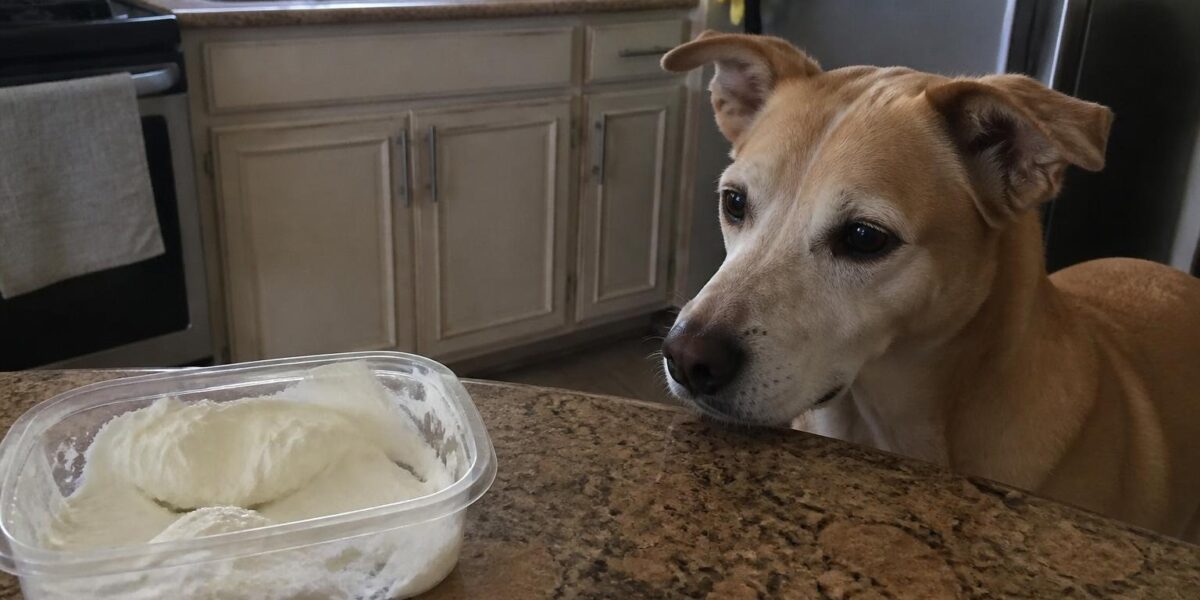
Can Dogs Eat Labneh? The Short Answer
Yes, dogs can eat labneh in moderation, as long as it is plain and unsalted. Labneh is a thick, strained yogurt cheese common in Middle Eastern cuisine, and because it is essentially a concentrated yogurt, it shares yogurt’s pros and cons. A small spoonful of plain labneh is a safe occasional treat for most dogs — but salted or seasoned versions should be avoided.
In this article
- Can Dogs Eat Labneh? The Short Answer
- What Is Labneh and Is It Healthy for Dogs?
- How to Safely Serve Labneh
- Safe Serving Size
- Plain Labneh vs. Seasoned Labneh
- How Labneh Compares to Other Dairy Treats
- When to Avoid Labneh
- Probiotics and Gut Health
- Serving Labneh to Picky or Senior Dogs
- Frequently Asked Questions
The main things to watch are salt, added flavors, and your dog’s tolerance for dairy. Many adult dogs are somewhat lactose intolerant, so labneh can cause gas or loose stools if you offer too much.
If your dog has a sensitive stomach, dairy allergy, or weight concern, check with your veterinarian before sharing labneh.
What Is Labneh and Is It Healthy for Dogs?
Labneh is made by straining yogurt to remove much of the liquid whey, leaving a thick, creamy, tangy spread. Because it starts as yogurt, plain labneh offers some of the same gentle benefits:
- Protein and calcium — support muscles and bones.
- Probiotics — the live cultures in unsweetened, plain labneh may support gut health.
- Lower lactose than milk — straining and fermentation reduce some of the lactose, so it is often easier to tolerate than plain milk.
That said, labneh is also higher in fat than regular yogurt because it is concentrated, and many store-bought versions are salted. Like plain yogurt, labneh is best offered in small, plain amounts.
How to Safely Serve Labneh
To keep labneh safe for your dog, follow these guidelines:
- Choose plain, unsalted labneh. Avoid versions with added salt, garlic, herbs, or olive oil seasoning.
- Serve a small spoonful on its own or stirred into food.
- Skip flavored varieties with added sugar, fruit syrups, or sweeteners — never any product containing xylitol.
- Watch the fat content. If your dog is prone to weight gain or pancreatitis, choose a low-fat version or skip it.
Many traditional labneh dishes are topped with salt, garlic, and olive oil. Garlic is toxic to dogs, so never share seasoned labneh from your own plate.
Safe Serving Size
Labneh is rich, so a little goes a long way:
- Small dogs — about half a teaspoon.
- Medium dogs — a teaspoon.
- Large dogs — up to a tablespoon.
Treats, including dairy, should make up no more than about 10 percent of your dog’s daily calories. Offer labneh only occasionally, and start with a tiny taste the first time to see how your dog’s stomach handles it.
Because labneh is so rich and concentrated, it is easy to give more than you intend, especially when using it to hide a pill or tempt a fussy eater. A good rule of thumb is to measure out a small spoonful rather than scooping straight from the tub, so you always know how much your dog is getting. If you are using labneh to encourage a reluctant eater, a thin smear is usually enough to do the job. Keeping portions deliberately small protects your dog from the extra fat and calories while still letting them enjoy the creamy, tangy flavor they love.
Plain Labneh vs. Seasoned Labneh
The single biggest factor in whether labneh is safe for your dog is whether it is plain or seasoned. The two are worlds apart when it comes to your dog’s safety.
Plain, unsalted labneh is essentially strained yogurt — tangy, creamy, and safe in small amounts. Seasoned labneh, the kind served as a dip or mezze, is a different story. It is frequently topped or mixed with salt, garlic, dried mint, sumac, and a generous pour of olive oil.
Garlic is toxic to dogs, the added salt is excessive, and the extra oil piles on fat. So never scoop labneh from a seasoned dip or your own plate. If you want to share, set aside a tiny spoonful of plain labneh before any seasonings go in. Like other cultured dairy such as cheese, the plainer the version, the safer it is.
How Labneh Compares to Other Dairy Treats
Labneh is just one of several dairy treats you might consider for your dog, and it helps to see where it fits. Because it is strained, labneh is thicker and higher in fat than regular yogurt, but it shares yogurt’s protein, calcium, and probiotic perks.
Compared with cheeses, labneh is usually lower in salt than salty options but still rich. For dogs that tolerate dairy, gentler choices include low-fat plain yogurt and small amounts of mild cheese, both of which are easy on the stomach.
The bottom line is that labneh can be a pleasant, occasional dairy treat, but it is not nutritionally essential. Plenty of dogs do perfectly well without any dairy at all, and that is fine. Use labneh as a small, plain indulgence rather than a dietary staple, and lean on your vet for guidance if your dog has a sensitive stomach.
When to Avoid Labneh
Some dogs should skip labneh altogether. Avoid it if your dog:
- Is clearly lactose intolerant (gets gas, bloating, or diarrhea from dairy)
- Has a history of pancreatitis or is on a low-fat diet
- Is overweight or prone to weight gain
- Has a known dairy allergy
Watch for signs of digestive upset after feeding labneh, such as gas, bloating, vomiting, or diarrhea. These are usually mild and pass on their own, but if symptoms persist, stop offering dairy and consult your veterinarian. Other dairy treats like cottage cheese may be gentler for some dogs.
Probiotics and Gut Health
One of the most talked-about reasons to share a little plain labneh is its probiotic content. Like other fermented dairy, unsweetened labneh with live cultures contains beneficial bacteria that may support a healthy gut.
A balanced population of gut bacteria can aid digestion and support the immune system. For some dogs, a small spoonful of plain labneh after a course of antibiotics or during a bout of mild digestive upset seems to help things settle, though results vary from dog to dog.
That said, labneh is not a reliable substitute for a proper veterinary probiotic. The number and type of live cultures in human dairy products are not tailored to dogs. If your dog has ongoing digestive issues, ask your veterinarian about a dog-specific probiotic, which delivers strains and doses designed for canine guts. Use labneh as an occasional tasty treat rather than a medical tool.
Serving Labneh to Picky or Senior Dogs
Labneh’s creamy texture and tangy flavor can make it a useful tool for tempting fussy eaters or supporting older dogs, when used carefully. A thin smear can encourage a reluctant dog to finish a meal or take a pill.
For senior dogs with dental issues, the soft texture is easy to manage and can make mealtime more appealing. You can stir a small amount of plain labneh into softened food to add flavor without adding anything hard to chew. Pairing it with a gentle, vet-approved topper like a little plain pumpkin can make a bland meal more inviting.
Keep portions tiny, especially for less active senior dogs who burn fewer calories, since labneh is rich. And always confirm with your veterinarian that dairy suits your individual dog before relying on it to boost appetite, as some seniors have reduced tolerance for fatty or dairy foods.
Frequently Asked Questions
Is labneh safe for dogs?
Plain, unsalted labneh is safe in small amounts for most dogs. Salted or seasoned versions should be avoided, especially those with garlic.
Can labneh upset my dog’s stomach?
It can, particularly in dogs that are lactose intolerant. Start with a tiny amount and watch for gas, bloating, or loose stools.
Is labneh better than regular yogurt for dogs?
They are similar, but labneh is more concentrated and higher in fat. Plain yogurt or low-fat options may be a gentler choice for some dogs.
Can I give my dog flavored labneh?
No. Flavored or sweetened labneh may contain sugar, fruit syrups, or xylitol, which is toxic to dogs. Savory versions are often loaded with salt, garlic, and olive oil. Stick to plain, unsalted labneh and offer only a small spoonful.
How much labneh can a dog have?
Keep it small — about half a teaspoon for a small dog, up to a tablespoon for a large one. Labneh is rich and concentrated, so a little goes a long way. Treats, including dairy, should stay within about 10 percent of your dog’s daily calories.
Can puppies eat labneh?
It is best to wait and check with your veterinarian. Puppies have developing digestive systems and may not handle dairy well. Their main nutrition should come from a complete puppy food rather than dairy treats like labneh.


